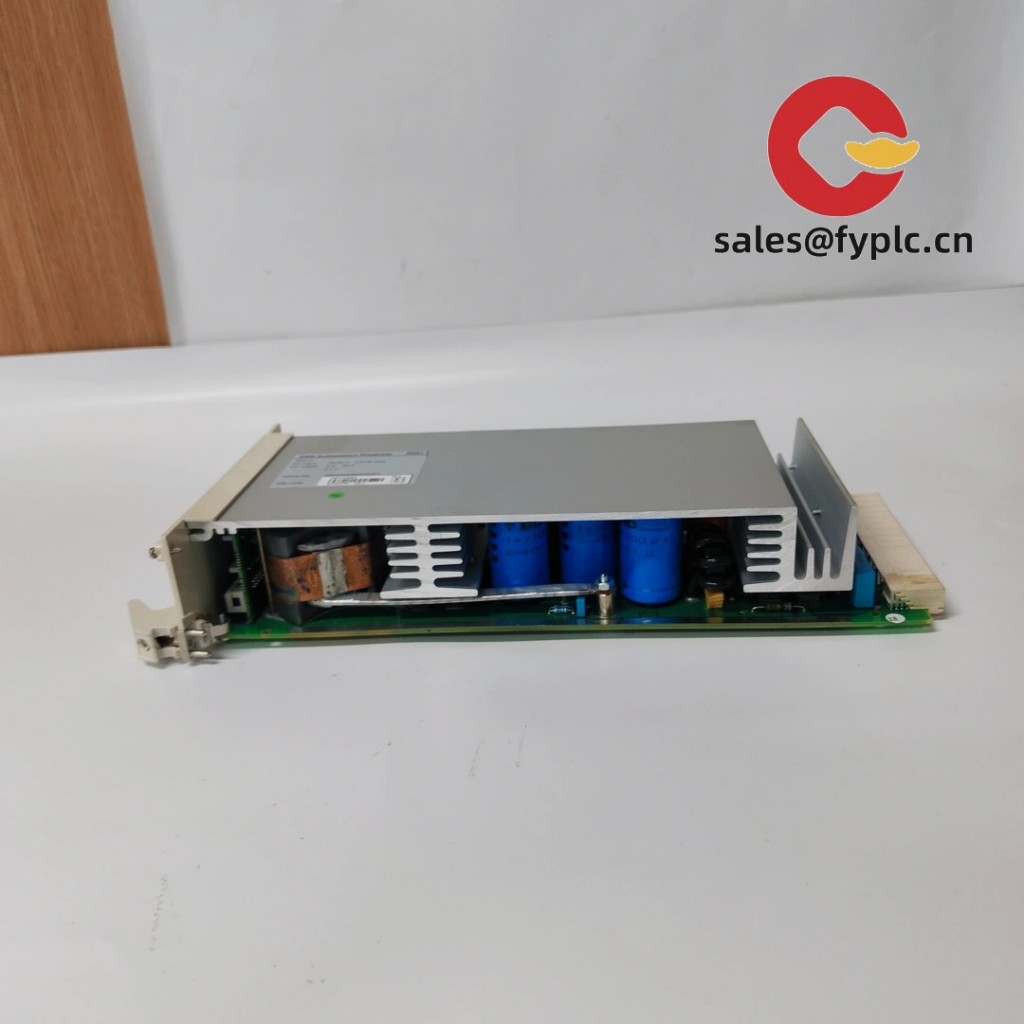
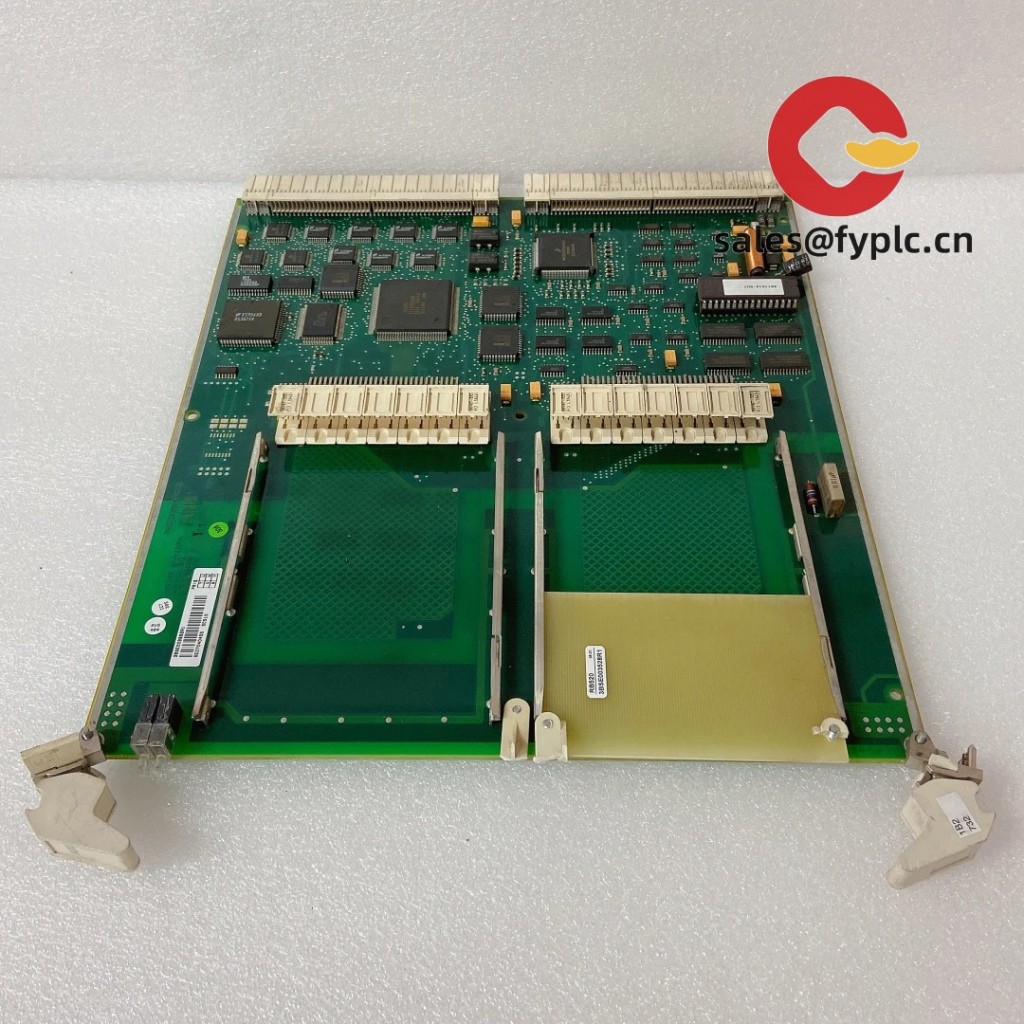
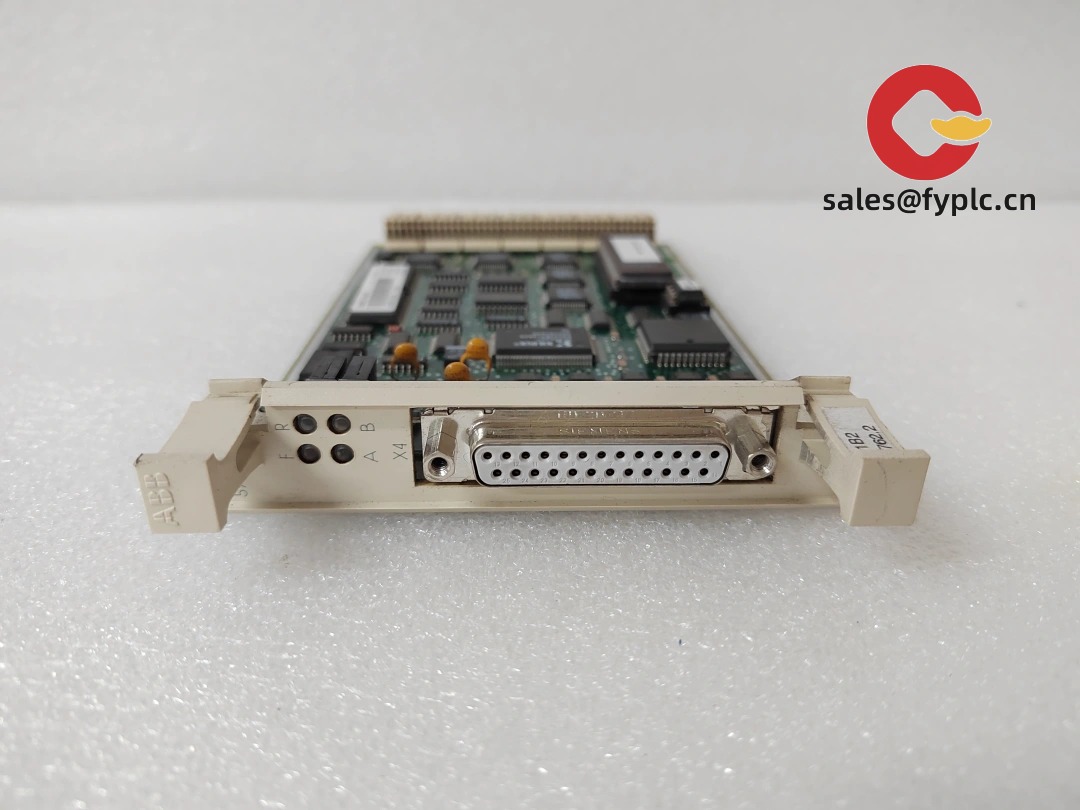
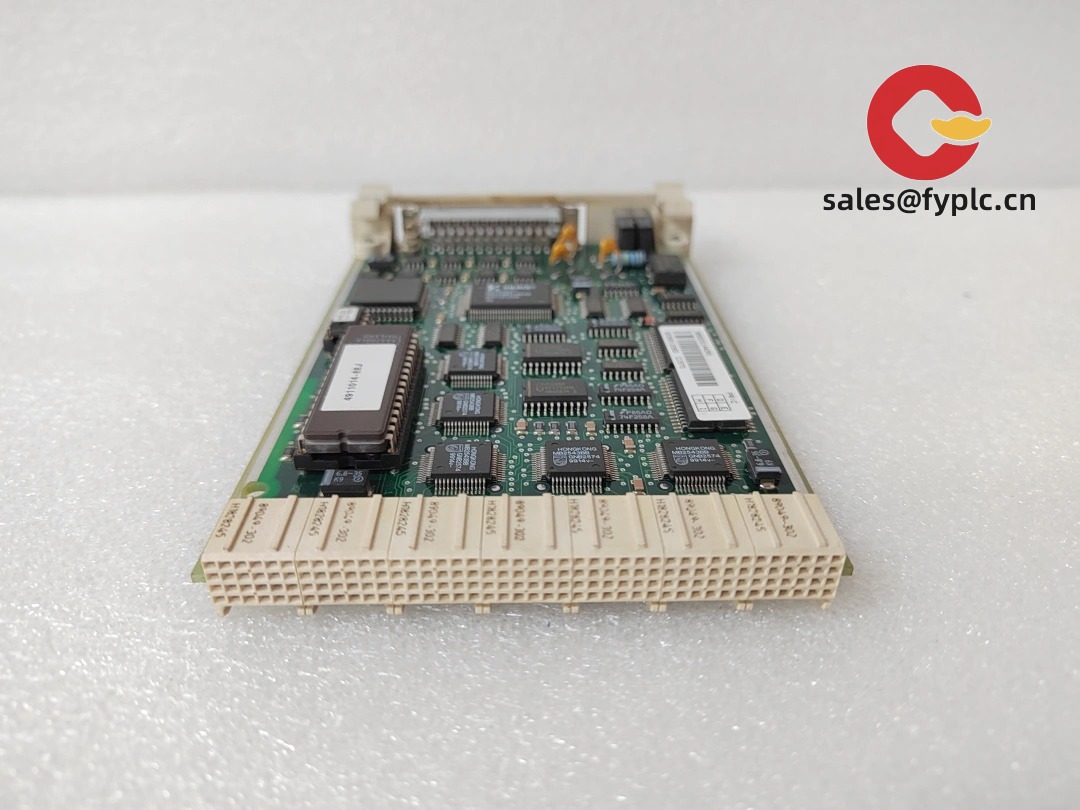

Description
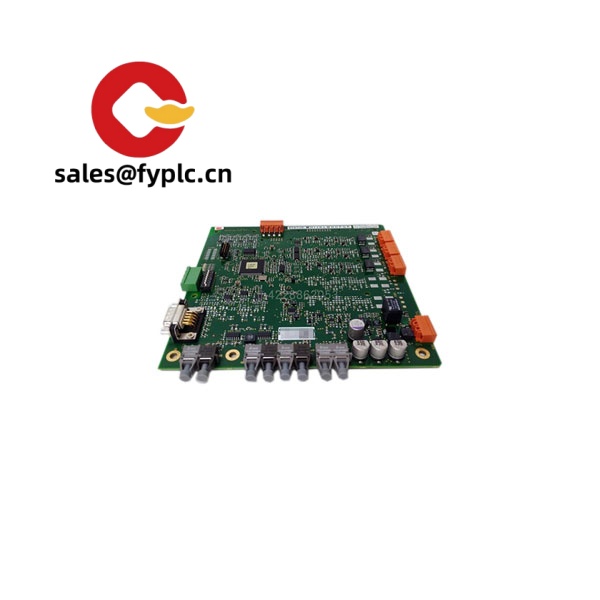
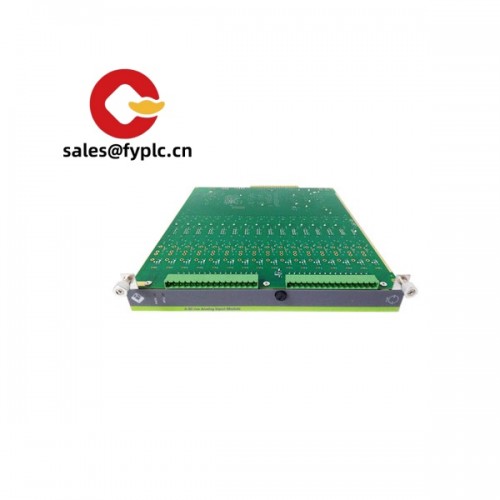
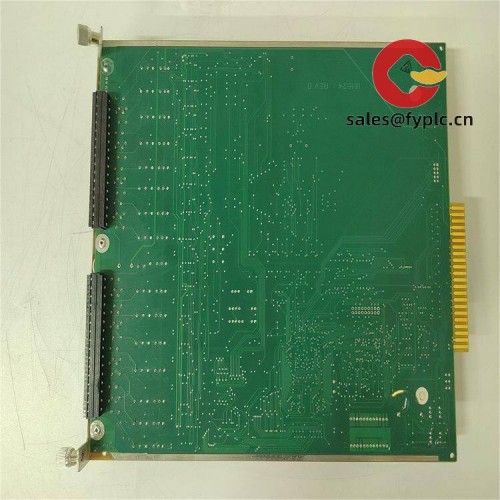
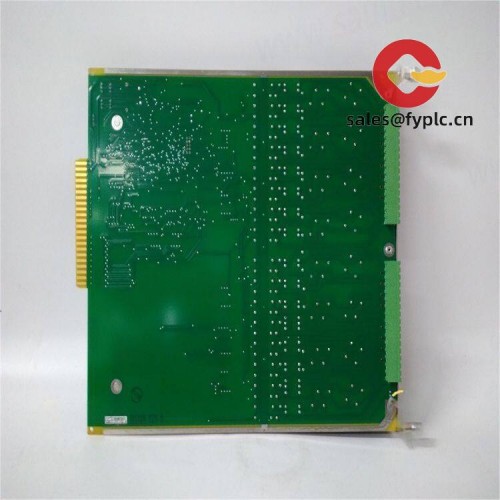
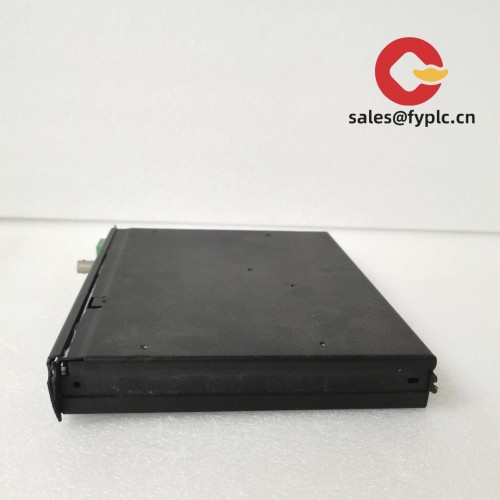
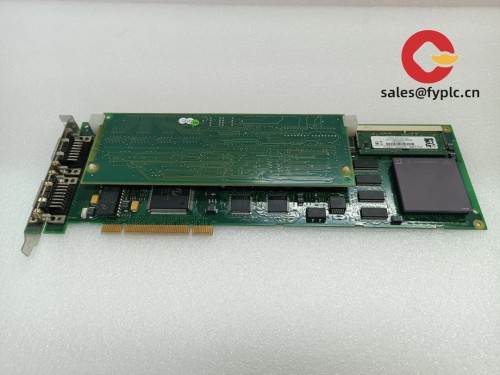
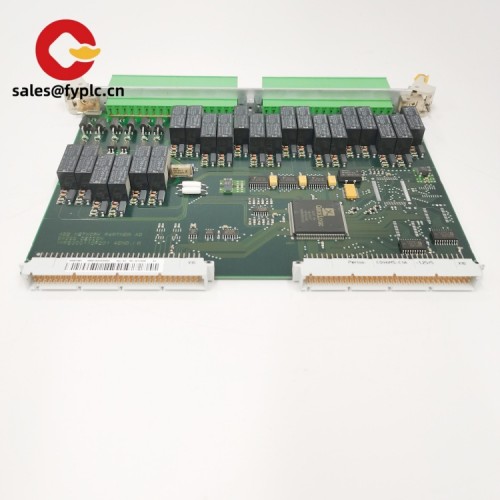
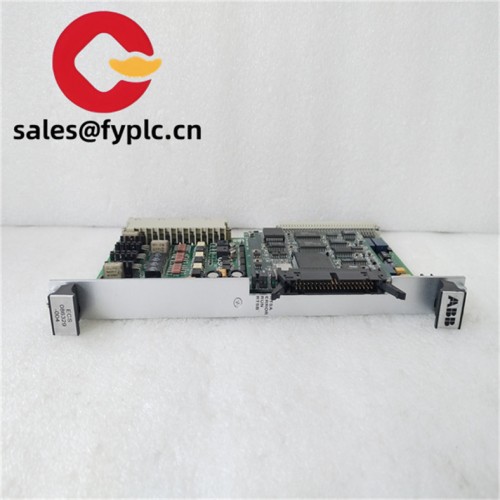
ABB TC520 (3BSE001449R1) — High-Integrity Analog Input Terminal for Distributed Control Systems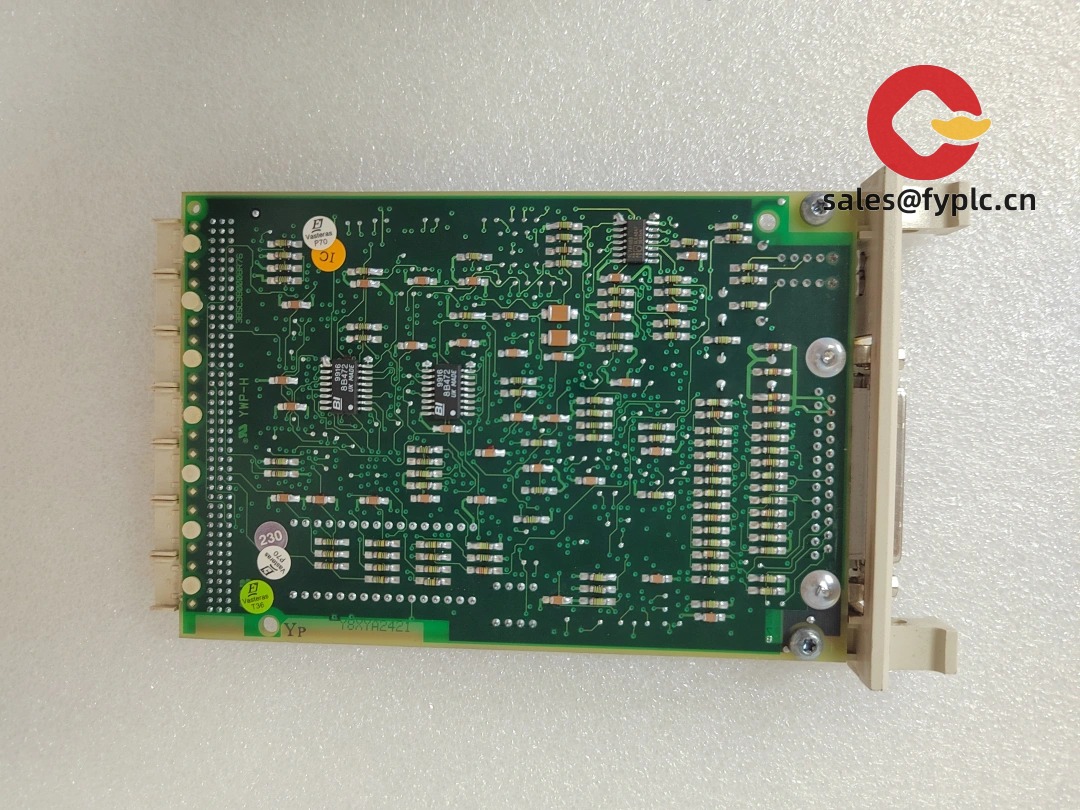
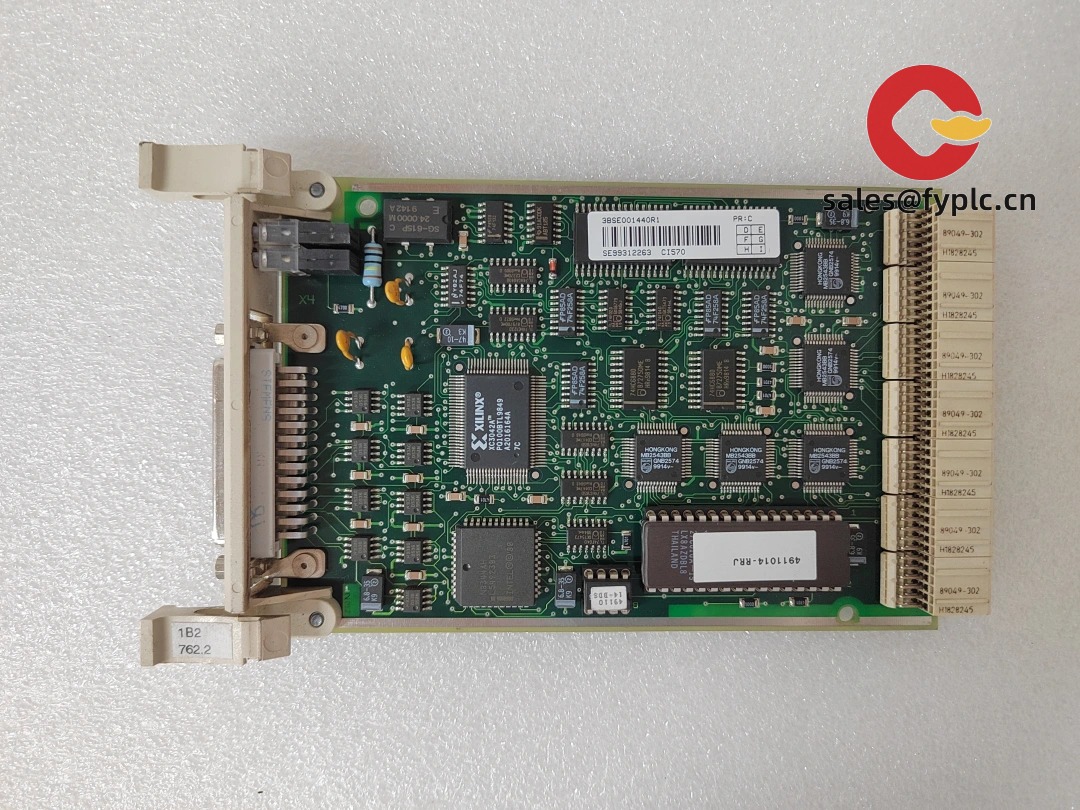
Used across ABB’s 800xA and Symphony Plus DCS environments, the TC520 is one of those unassuming modules that quietly keeps critical loops running — think turbine vibration monitoring, boiler feedwater control, or reactor temperature feedback in power and process plants. It’s not flashy, but if you’ve ever had a field transmitter go offline during commissioning and still seen clean, noise-free readings on your operator station? Chances are, a TC520 was doing its job in the background.
Key Features
- 8-channel isolated analog input — Each channel galvanically isolates up to 500 VAC between field, logic, and power domains. That means a ground loop on one thermocouple won’t corrupt your pressure transmitter reading two slots over.
- Configurable input types per channel — Supports 4–20 mA, 0–20 mA, ±10 V, and thermocouples (J, K, T, E, N, R, S, B) — no hardware jumpers required. You set it via Control Builder M or engineering station; changes take effect after module restart (no firmware flash needed).
- High-resolution 16-bit ADC with cold-junction compensation — Typical accuracy is ±0.1% of span at 25°C, and it holds up well across ambient swings. One refinery customer in Saudi Arabia reported stable readings even after 18 months of continuous operation in a cabinet near a steam trap manifold (ambient ~58°C).
- Integrated diagnostics & status LED per channel — Not just “OK/FAIL” — it distinguishes open-circuit, short-circuit, over-range, and sensor break conditions. Field techs tell us this cuts loop-check time by nearly half compared to older non-diagnostic terminals.
- Backplane-powered via AC800M or S800 I/O rack — No separate 24 VDC auxiliary supply needed. Just plug it into a compatible ABB S800 rack (e.g., S800-112), and it draws power and communicates over the internal bus.
Technical Specifications
| Parameter | Specification |
|---|---|
| Brand / Model | ABB TC520 (3BSE001449R1) |
| HS Code | 8537.10 — Boards, panels for industrial control systems |
| Power Requirements | Supplied via S800 backplane (24 VDC nominal, typical draw: 120 mA) |
| Dimensions & Weight | 85 × 125 × 120 mm (W×H×D); ~320 g |
| Operating Temperature | −25°C to +60°C (derated above 55°C; no condensation) |
| Signal Input Types | 4–20 mA (with HART pass-through), 0–20 mA, ±10 V, thermocouples (J/K/T/E/N/R/S/B) |
| Communication Interface | S800 I/O bus (via S800-112 or compatible rack); no Ethernet or Modbus native |
| Installation Method | DIN-rail mounted in ABB S800 I/O cabinets (e.g., S800-112, S800-113); requires compatible base unit |
Application Fields
The TC520 shows up most often where signal integrity and diagnostic transparency matter more than raw speed — so not so much in servo motion control, but very much in:
- Thermal power generation — Monitoring drum level transmitters, furnace draft sensors, and bearing temperatures on steam turbines;
- Oil & gas midstream — Gathering pressure, flow, and temperature signals from remote wellhead skids where EMI from VFDs or lightning is common;
- Chemical batch systems — Reading RTDs and pH transmitters in corrosion-prone environments (its isolation helps avoid ground-induced drift in aggressive chemical cabinets);
- Water/wastewater treatment — Where long analog runs from clarifier level sensors or pump discharge manifolds need noise rejection without adding signal conditioners.
Advantages & Value
From a procurement standpoint, the TC520 isn’t about lowest unit cost — it’s about lowering lifecycle risk. In many cases, swapping in a cheaper generic analog module ends up costing more when you factor in extra isolation barriers, recalibration labor, or unplanned shutdowns due to undiagnosed sensor faults. This module integrates cleanly into existing ABB engineering workflows, reuses the same configuration tools, and shares spare parts logistics with other S800 modules — meaning fewer SKUs to manage in stores. One customer in Finland told us they cut their annual calibration backlog by 35% after standardizing on TC520 for all new turbine auxiliaries — largely because the built-in diagnostics flagged only the channels actually needing attention.
Installation & Maintenance
Mount only in ABB-certified S800 cabinets with proper ventilation — minimum 100 mm clearance above/below, and ambient airflow ≥ 0.2 m/s. Avoid locations near heat sources (e.g., power supplies > 100 W) or high-frequency drives without shielding. Wiring must use twisted-pair, shielded cable (e.g., Belden 8761), with shields terminated only at the TC520 end — floating at the field device side. Never daisy-chain shields.
Routine maintenance is light: inspect terminal screws annually (torque to 0.5 N·m), wipe dust from heatsinks with dry air every 6 months, and verify calibration every 12–24 months depending on criticality. Firmware updates aren’t required for normal operation — the module is configuration-driven, not code-driven. That said, always check ABB’s TechLibrary for any S800 rack firmware compatibility notes before commissioning.
Quality & Certifications
CE marked (2014/30/EU EMC & 2014/35/EU LVD), UL listed (UL 61010-1, File E170272), RoHS 3 compliant (2015/863/EU), and certified for SIL 2 per IEC 61508 (by exida, certificate #EXID-18-0012). ABB backs it with a standard 365-day warranty — extended to 5 years if registered within 30 days of invoice. In practice, field failure rates sit around 0.7% over five years, based on ABB’s 2023 global reliability report.
Our Order Placement Process & Guarantees:
• Warranty: 365 days from delivery date
• Delivery: Typically ships within 1 week if in stock; maximum 30 days for build-to-order
• Payment: 50% advance, balance before dispatch
• Shipping: FedEx, UPS, or DHL express — full tracking provided

Reviews
There are no reviews yet.