
Description
Allen‑Bradley 1756-L55 ControlLogix Controller – Reliable Core CPU for Mid‑to‑Large Industrial Automation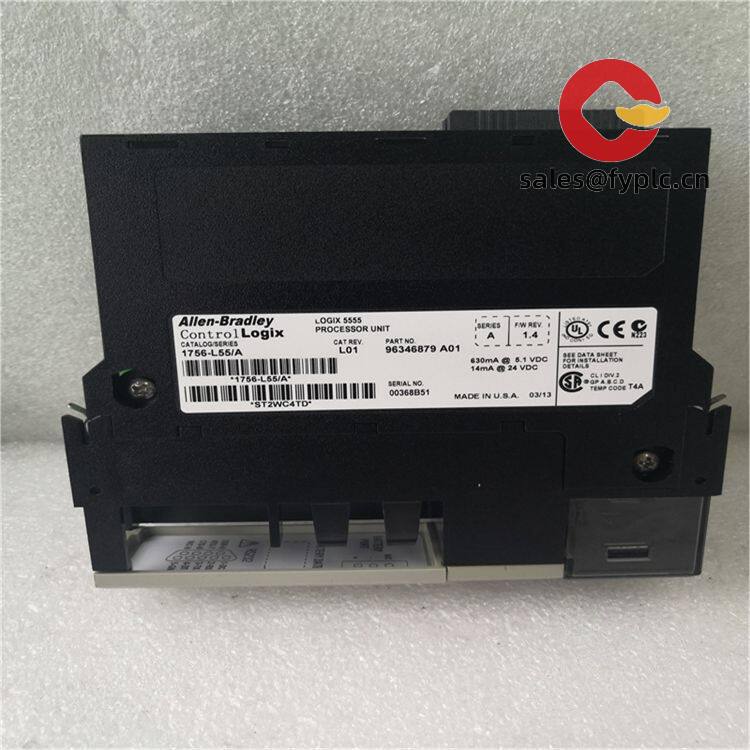
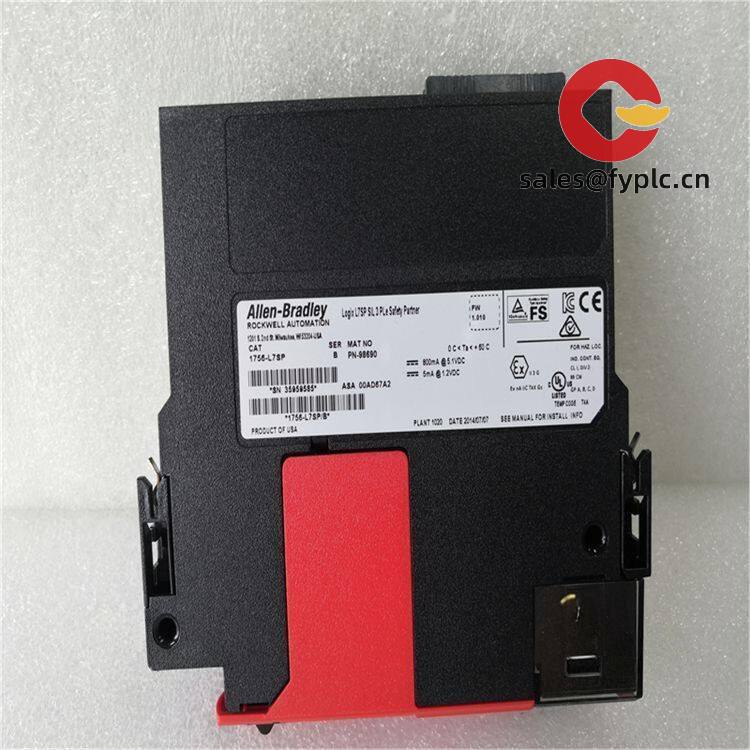
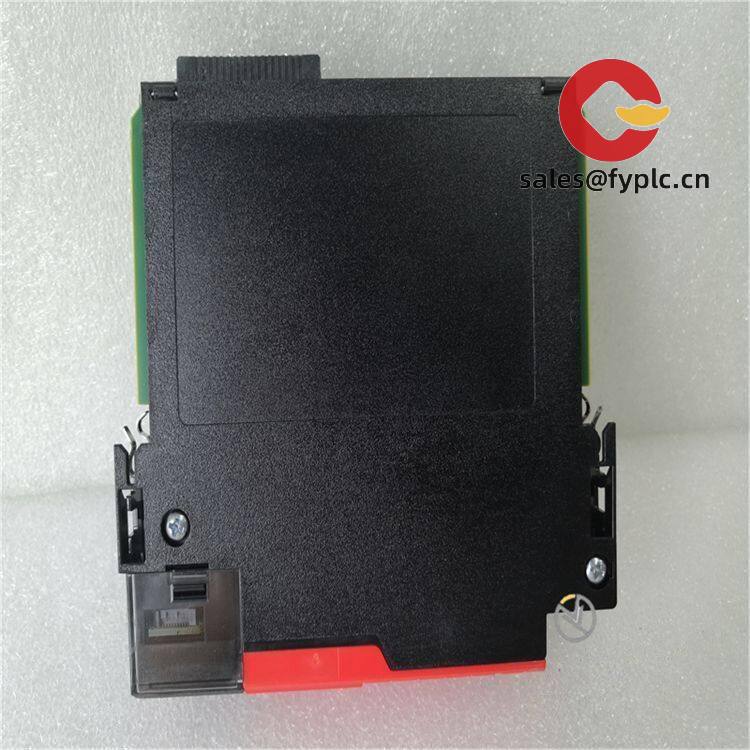
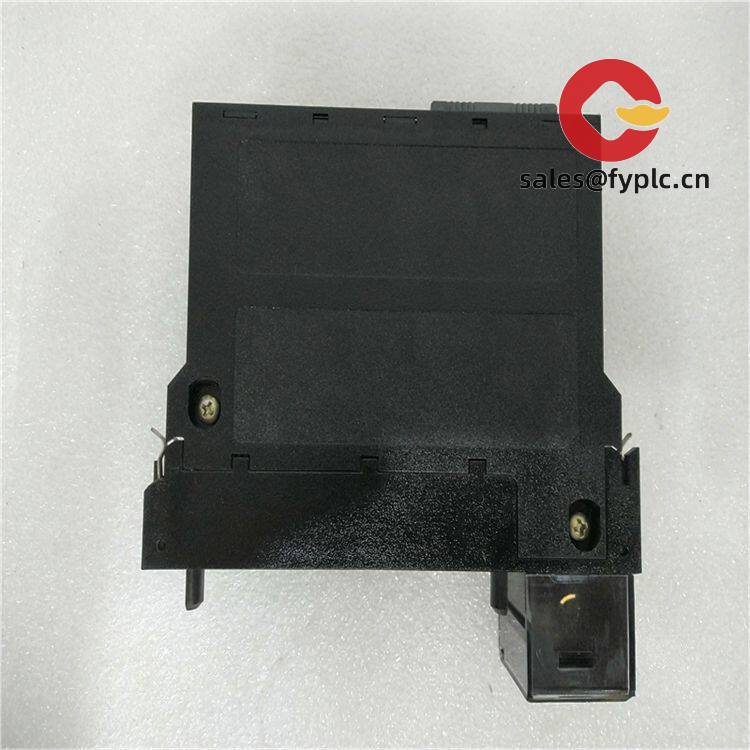
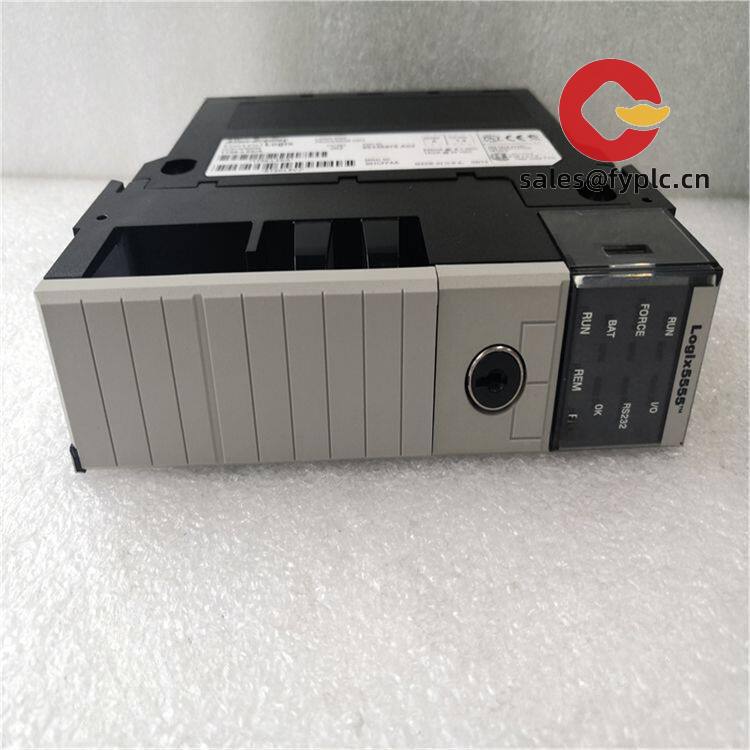
The Allen‑Bradley 1756-L55 (ControlLogix 5555) is a proven controller for the 1756 platform, widely used where you need stable scan performance, flexible networking, and long-term lifecycle support. From my experience, the L55 fits best when you want to keep a solid ControlLogix backbone while mixing legacy networks (DF1, DH+/RIO via gateways) with modern EtherNet/IP through communication modules. You might notice that many brownfield plants still rely on the L55 for packaging lines, process skids, and high‑uptime material handling—primarily because it’s predictable and easy to maintain.
Order Placement Process and Guarantees
- Warranty: 365 days
- Delivery: 1 week if in stock; no more than 1 month at the latest
- Payment: 50% advance payment; full payment before delivery
- Express Options: FedEx, UPS, DHL
Key Features
- ControlLogix 1756 platform – Installs in any standard 1756 chassis, so you can scale slots and power easily.
- Modular networking – Add EtherNet/IP (1756-ENBT/EN2T), ControlNet (1756-CNB/CN2), or legacy DH+/RIO (1756-DHRIO) as needed.
- Built‑in RS‑232 (DF1) – Handy for direct programming, HMI serial links, or modem links in many cases.
- Nonvolatile storage via CompactFlash – Store projects and enable Load on Power‑up for faster recovery.
- Studio 5000 / RSLogix 5000 support – Typically supported up to major v20.x, which seems to be the sweet spot for brownfield compatibility.
- Deterministic backplane – High‑speed data exchange with 1756 I/O, motion, and specialty modules.
- Proven lifecycle – Widely deployed with strong parts availability and a clear migration path if you plan future upgrades.
Technical Specifications
| Brand / Model | Allen‑Bradley 1756-L55 (ControlLogix 5555) |
| HS Code | 8537.10 (Programmable controllers) |
| Power Requirements | Backplane powered via 1756 chassis (5.1 VDC rail). Select chassis power supply based on total slot load. |
| Dimensions & Weight | Standard 1756 single‑slot module; approx. 145 × 35 × 147 mm; ~0.35 kg |
| Operating Temperature | 0 to 60 °C (32 to 140 °F), non‑condensing humidity per 1756 environmental specs |
| Signal I/O Types | No onboard I/O; supports 1756 discrete, analog, motion, safety, and specialty I/O via backplane |
| Communication Interfaces | Built‑in RS‑232 (DF1); EtherNet/IP (1756‑ENBT/EN2T), ControlNet (1756‑CNB/CN2), DH+/RIO (1756‑DHRIO) via comm modules |
| Installation Method | Single slot in 1756 chassis; panel‑mounted enclosure with grounding and ventilation per Rockwell guidelines |
| Nonvolatile Memory | CompactFlash card support for project storage and load‑on‑power‑up |
| Programming Software | RSLogix 5000 / Studio 5000 Logix Designer (typically up to v20.x) |
Application Fields
The 1756‑L55 is commonly selected for:
- Discrete manufacturing lines (automotive sub‑assemblies, packaging cells, palletizers)
- Process skids (CIP skids, water treatment packages, batching) with mixed analog I/O
- Material handling and intralogistics where uptime and quick spares matter
- Brownfield upgrades bridging legacy DH+/RIO to EtherNet/IP with modular comms
One thing I appreciate is how easily it pairs with 1756‑ENBT for plant‑wide SCADA while keeping old RIO drops alive through 1756‑DHRIO. That saves panel space and, in many cases, a lot of retrofit wiring.
Advantages & Value
- Reliability – Mature firmware and broad field use make behavior very predictable.
- Compatibility – Works seamlessly with 1756 I/O and common comms modules; straightforward with existing RSLogix 5000 projects.
- Cost control – Reuse existing chassis, power supplies, and I/O; only add the networks you need.
- Maintenance friendly – CompactFlash backup and simple battery replacement reduce downtime risk.
- Migration path – When you’re ready, the 1756 platform lets you plan staged upgrades to newer Logix controllers.
Installation & Maintenance
- Environment – Mount in a clean, dry, ventilated enclosure; maintain 0–60 °C, avoid vibration and electrical noise near VFDs when possible.
- Chassis & wiring – Use a 1756 chassis with adequate supply capacity; follow grounding and shielding best practices; segregate high‑voltage and control wiring.
- Firmware management – Keep controller and comm modules on compatible major revisions (the L55 commonly runs v20.x); document versions per site policy.
- Battery & backup – Replace the controller battery on a regular interval (typically every 2–3 years, site‑dependent) and maintain a current CompactFlash image.
- Cleaning – Light dust removal with dry air and periodic terminal checks; avoid solvents.
- Safety – De‑energize before insertion/removal, comply with lock‑out/tag‑out, and observe ESD handling when working on modules.
Quality & Certifications
- Certifications: CE, cULus; additional regional approvals may apply by revision
- Compliance: RoHS status varies by series/revision; confirm on the nameplate or with the datasheet for your exact unit
- Manufacturer’s policy: Standard product warranty complemented by our 365‑day coverage
Recommended Companion Modules (Typical)
For most deployments, customers pair the 1756‑L55 with:
- 1756‑ENBT or 1756‑EN2T for EtherNet/IP SCADA and HMI connectivity
- 1756‑CNB/CN2 for ControlNet scheduling where deterministic media is preferred
- 1756‑DHRIO for DH+/RIO migrations and legacy drives or remote racks
- 1756‑IA16/IB16/IF8, etc., based on required discrete/analog I/O counts
Reviews
There are no reviews yet.