
Description
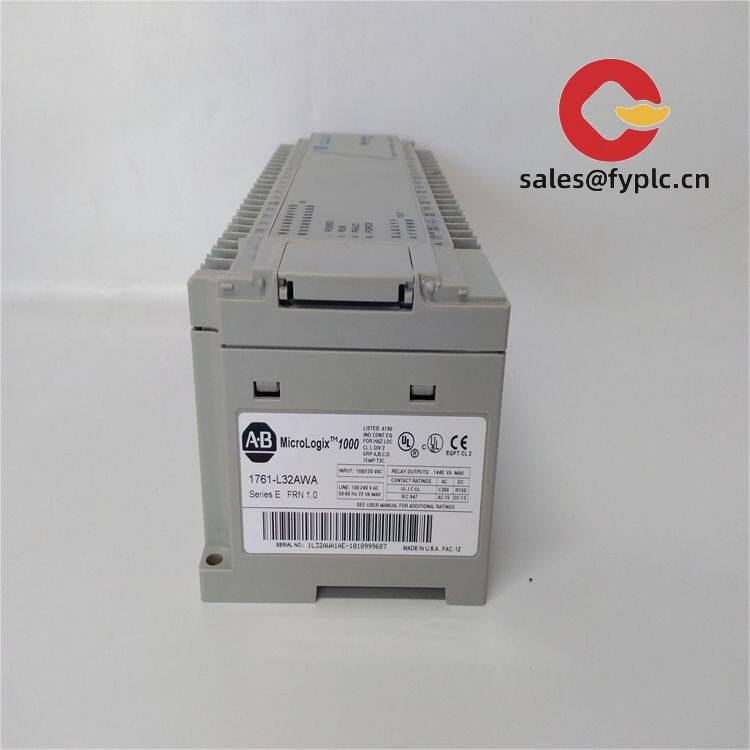
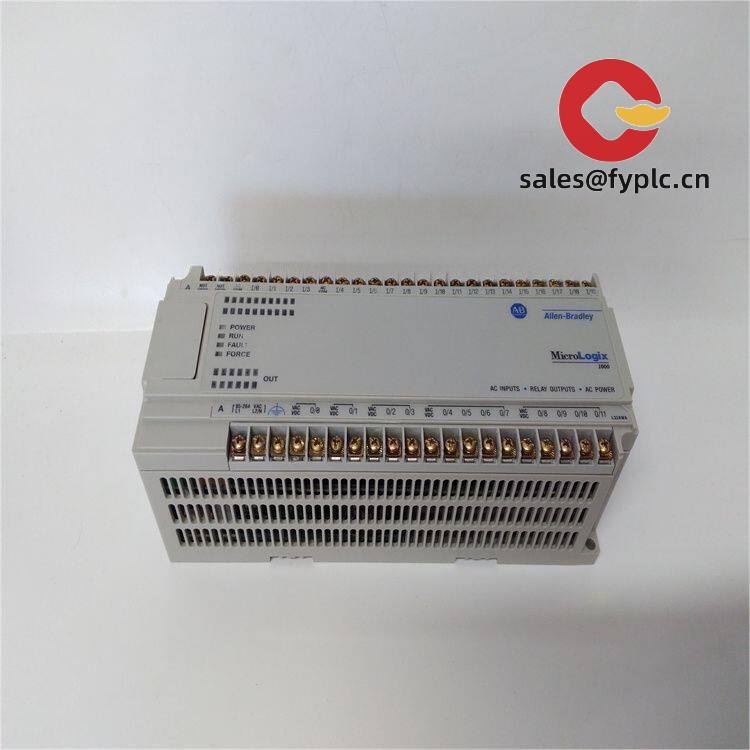
Allen‑Bradley 1761-L32AWA MicroLogix 1000 – Compact PLC for 32‑point AC/Relay I/O and OEM Machine Control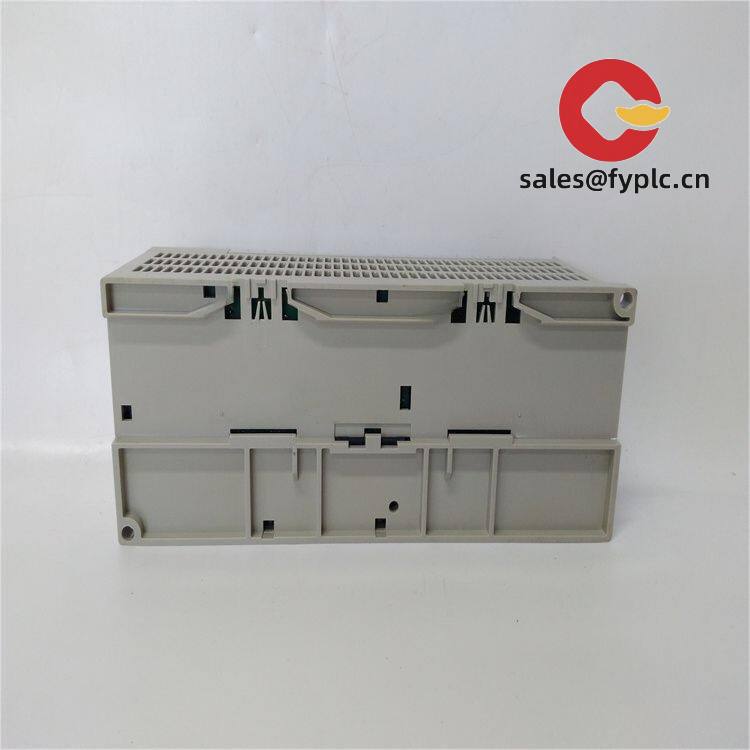

The Allen‑Bradley 1761-L32AWA is a MicroLogix 1000 controller that brings 32 built‑in digital I/O into a small, rugged footprint—typically 20 x 120 VAC inputs and 12 x relay outputs. From my experience, it’s a solid pick for OEM skids, small conveyors, and utility panels where you want AC input compatibility and the flexibility of relay outputs driving mixed loads. You might notice that it keeps programming simple with RSLogix 500 and gives you a dependable Channel 0 serial port for DF1, DH‑485, or even Modbus RTU in many cases.
Order Placement Process and Guarantees
- Warranty: 365 days
- Delivery: 1 week if in stock; no more than one month at the latest
- Payment: 50% advance payment; full payment prior to delivery
- Express options: FedEx, UPS, DHL
Key Features
- 32 built‑in digital I/O – Typically 20 x 120 VAC inputs and 12 x relay outputs, practical for mixed AC/DC load control.
- AC power operation – Wide‑range 85–264 VAC, 47–63 Hz input makes panel power integration straightforward.
- Relay outputs for versatility – Mechanical relays handle AC or DC loads; helpful when you need one PLC to switch different devices.
- Channel 0 serial communications – RS‑232 (8‑pin mini‑DIN) supporting DF1, DH‑485, and Modbus RTU (RS‑485 via 1761‑NET‑AIC).
- Compact DIN‑rail form factor – Easy to fit in tight cabinets; typically DIN‑rail or panel mounting.
- RSLogix 500 programming – Familiar ladder logic workflow; fast for maintenance teams to adopt.
- Industrial operating range – Designed to run reliably in typical 0…55°C environments.
- Good component ecosystem – Accessories like 1761‑NET‑AIC and 1761‑CBL‑PM02 make integration simpler.
Technical Specifications
| Brand / Model | Allen‑Bradley 1761‑L32AWA (MicroLogix 1000) |
| HS Code | 8537.10 (Programmable controllers) |
| Power Requirements | 85–264 VAC, 47–63 Hz (internal AC supply) |
| Signal Input/Output Types | Inputs: 20 x 120 VAC digital (47–63 Hz). Outputs: 12 x relay (typically up to 2 A/point, AC or DC loads; observe group limits). |
| Communication Interfaces | Channel 0: RS‑232 (8‑pin mini‑DIN); protocols: DF1, DH‑485, Modbus RTU (RS‑485/DH‑485 physical layer via 1761‑NET‑AIC). |
| Operating Temperature | 0 to 55 °C (32 to 131 °F) |
| Installation Method | DIN‑rail (EN 50022) or panel mounting |
| Dimensions & Weight | Approx. 90 × 175 × 87 mm; ~0.6 kg |
Application Fields
This model fits best where AC inputs are the norm and you want relay flexibility at the outputs. Typical examples include:
- Packaging machines with 120 VAC sensors and mixed motor starters or solenoids
- Small conveyors and sortation zones in distribution centers
- Water/wastewater chemical dosing skids and pump panels
- HVAC and utility panels in light industrial buildings
- OEM process skids where a compact, all‑in‑one PLC is preferred
One thing I appreciate is how maintenance teams can quickly swap a unit and restore service with a known RSLogix 500 program—downtime tends to be short when spares are on hand.
Advantages & Value
- Reliable and proven – The MicroLogix 1000 platform has a strong field record; in many cases it just keeps running for years.
- Compatibility – Plays well with DF1/DH‑485 systems and can talk Modbus RTU to drives/meters via the serial port.
- Flexible outputs – Relay contacts simplify mixed‑voltage loads without extra output modules.
- Lower total cost – Built‑in I/O and power supply reduce panel parts and wiring time.
- Support & spares – Widely supported with abundant documentation, cables, and interface adapters.
Installation & Maintenance
- Panel environment – Mount in a clean, dry enclosure with adequate ventilation; keep within 0–55°C and 5–95% RH non‑condensing.
- Power & wiring – Provide a properly fused AC feed; separate high‑voltage and signal wiring; bond ground per panel standards.
- I/O practice – Use proper suppression on inductive loads to extend relay life; observe per‑point and per‑group current limits.
- Communications – For RS‑485/DH‑485 networks, use 1761‑NET‑AIC and shielded cabling; keep runs within recommended lengths.
- Routine care – Periodically tighten terminals, clean dust filters, archive the RSLogix 500 program and keep version notes.
- Firmware/config – While firmware changes are infrequent on ML1000, keeping a validated backup of the configuration is a good habit.
Quality & Certifications
The 1761‑L32AWA is typically certified to CE and UL/cUL standards and is suitable for many industrial environments, including use in control panels that require documented approvals. Many deployments also reference Class I, Division 2 suitability and RoHS compliance, depending on manufacturing revision. Standard manufacturer warranty terms apply; we supply a 365‑day warranty on this unit.
Helpful Accessories (often paired)
- 1761‑CBL‑PM02 – Programming cable (PC to ML1000 Channel 0)
- 1761‑NET‑AIC – Advanced Interface Converter (RS‑232 to RS‑485/DH‑485)
- Panel surge suppression and RC snubbers for inductive loads (to protect relay contacts)
If you’re replacing an older MicroLogix in service, send a quick snapshot of the I/O map on your existing panel door; we can help verify the 20‑in/12‑out allocation and confirm cable compatibility. It seems to save a lot of back‑and‑forth during commissioning.

Reviews
There are no reviews yet.