
Description
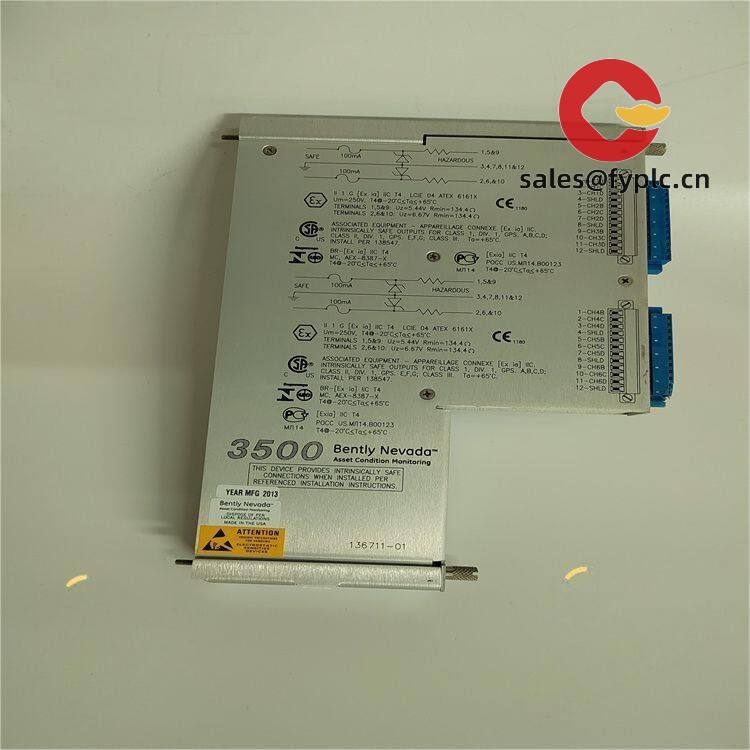
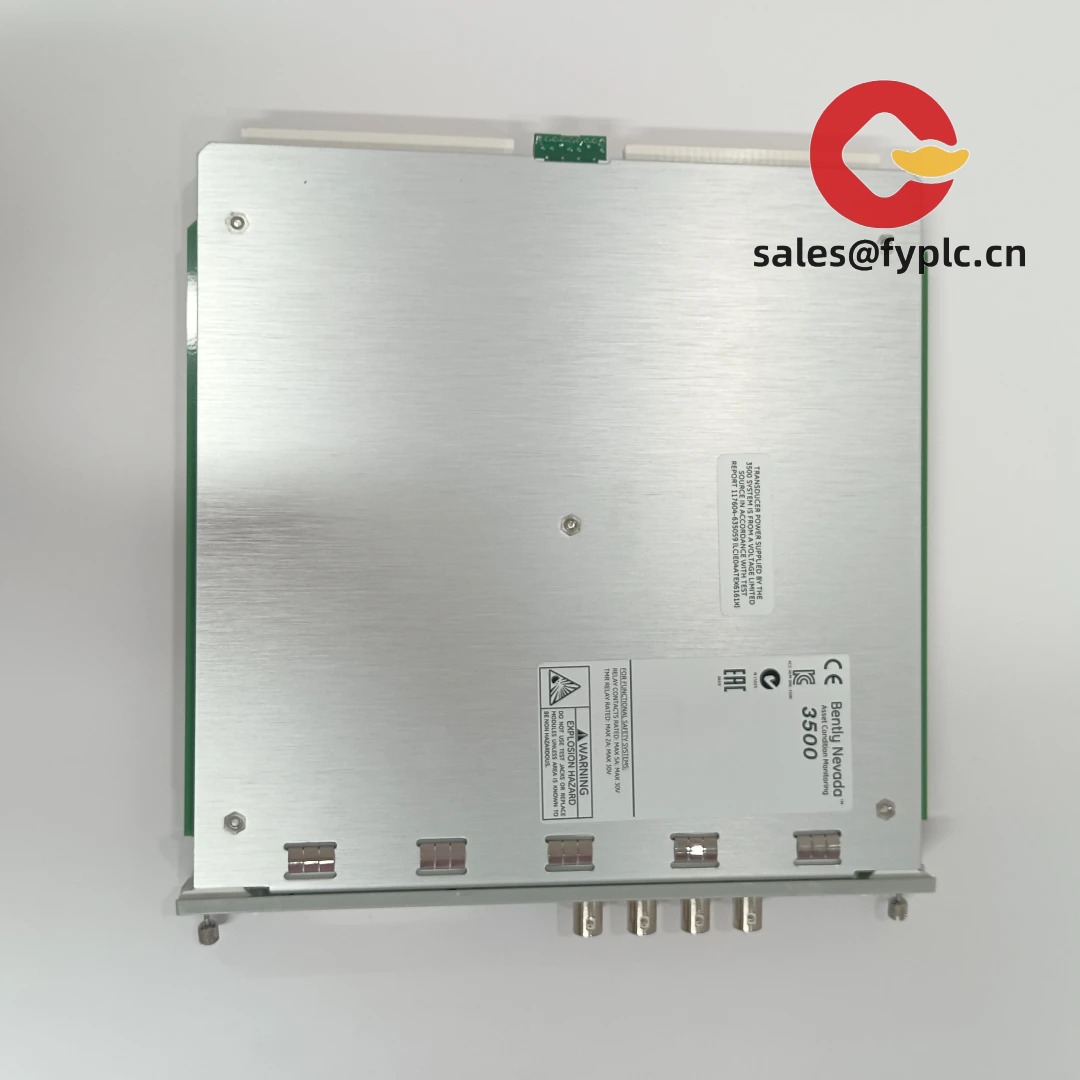
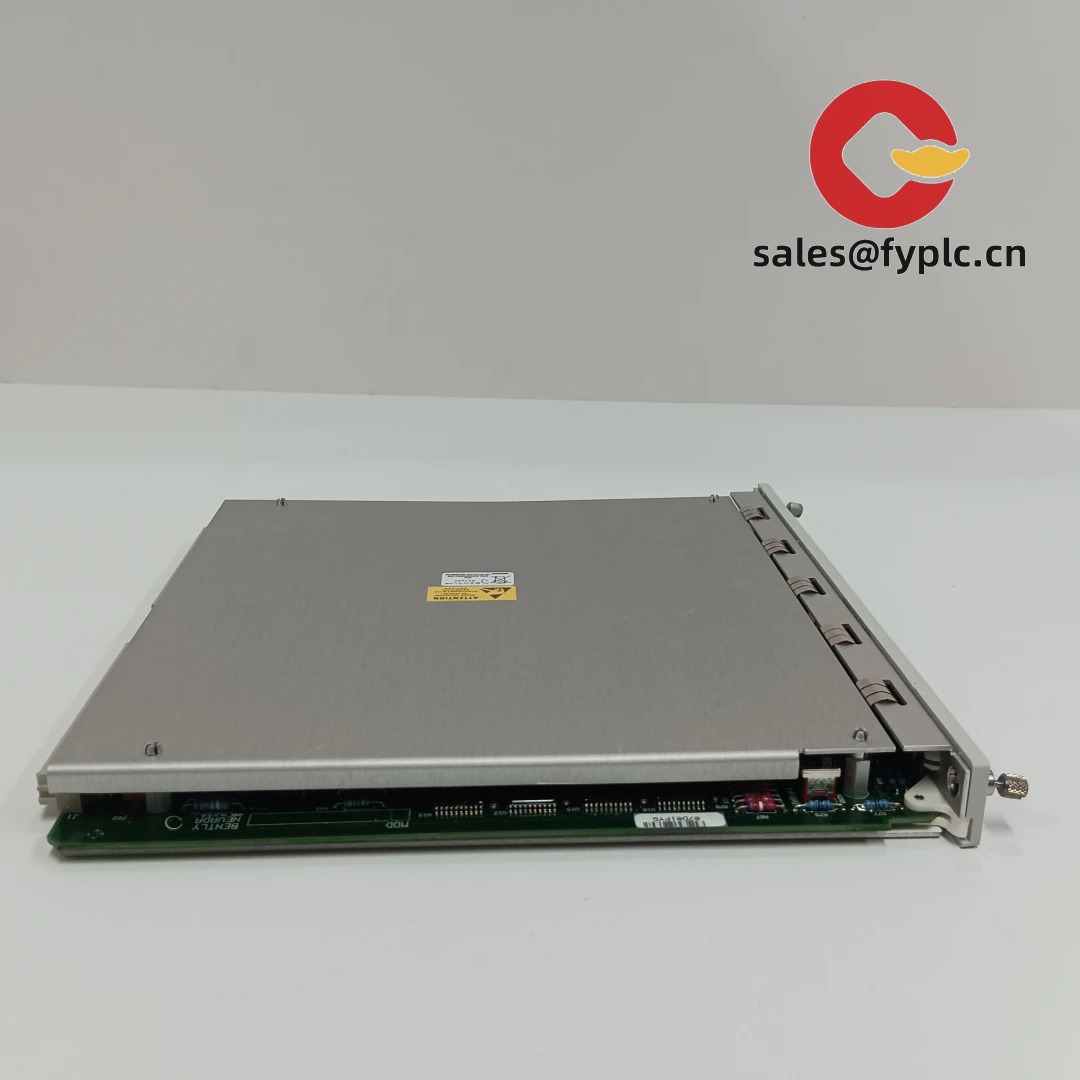
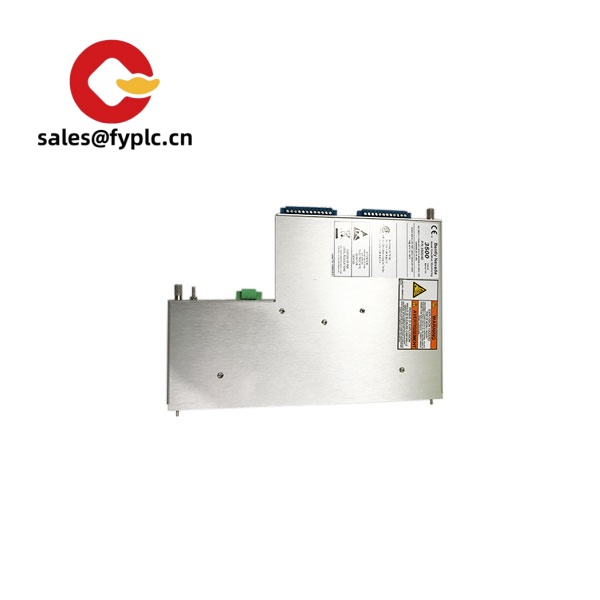
BENTLY 3500/45 176449-04 – Rack Monitor Module for Real-Time Machinery Protection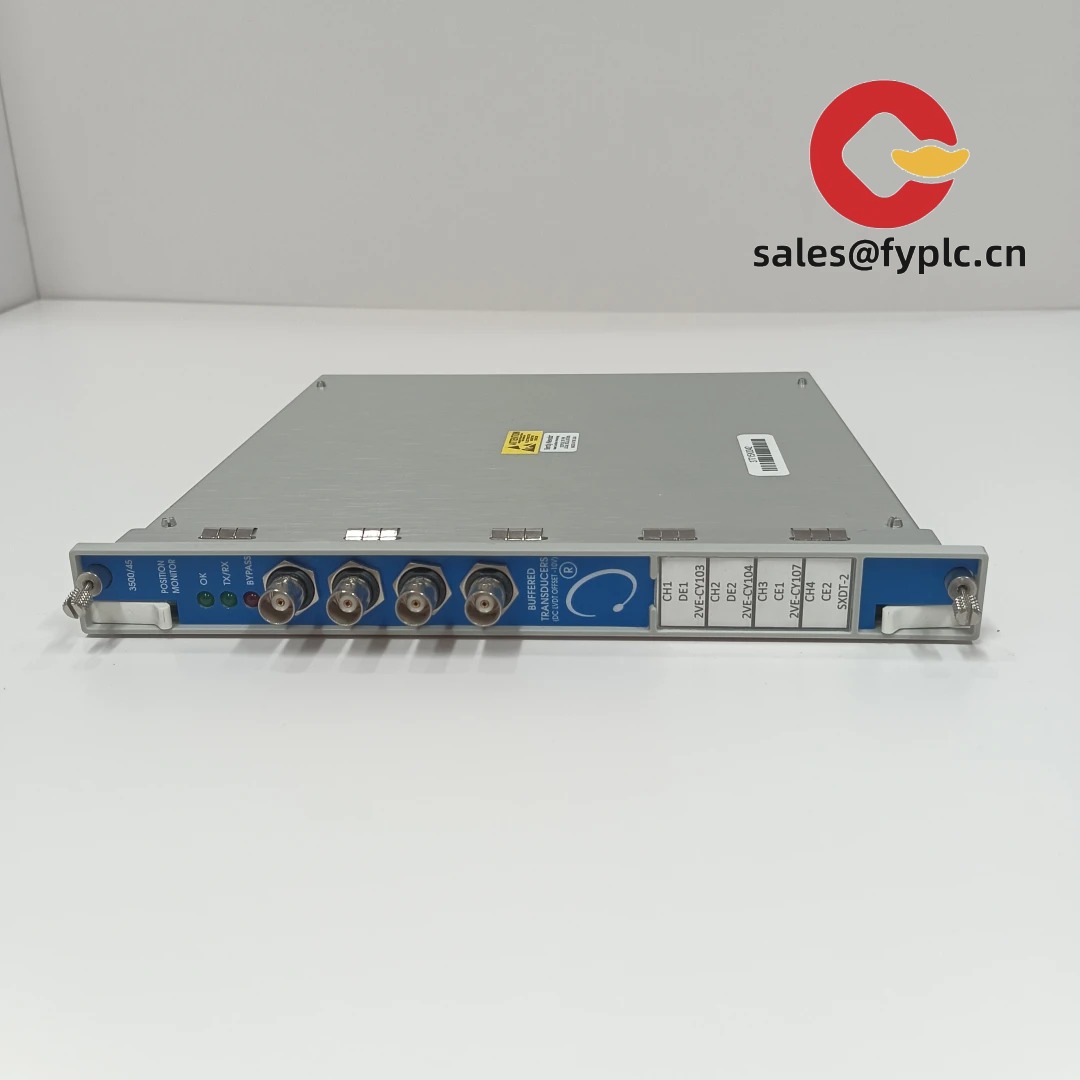
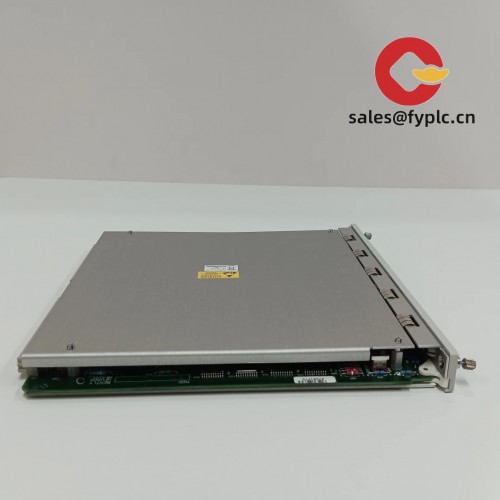
If you’re running critical rotating equipment—like turbines, compressors, or large motors—you need continuous monitoring that doesn’t flinch under pressure. The BENTLY 3500/45 rack monitor module (model 176449-04) is built precisely for that. It serves as the central health monitor in the 3500 system, aggregating input from vibration, position, and speed sensors to detect anomalies before they become failures.
One thing I appreciate is how it handles redundancy and communication. In many cases, uptime hinges not just on detection, but on whether the system stays online during faults. This module supports dual-redundant power and communication paths, which typically means less downtime during unexpected outages.
Key Features
- Dual-Redundant Architecture: Maintains operation even if one power supply or processor fails—common in plants where unplanned shutdowns cost thousands per hour.
- Real-Time Diagnostics: Continuously checks internal health, sensor wiring, and signal integrity. You might notice early warnings about loose cables before actual data loss occurs.
- Modbus & Ethernet Communication: Integrates smoothly with DCS and SCADA systems using standard protocols. From my experience, this cuts integration time by at least a day compared to proprietary interfaces.
- Front Panel Display & Keypad: Allows local access to status, alarms, and configuration without needing software—handy during commissioning or emergency checks.
- Hot-Swappable Design: Can be replaced or serviced without powering down the rack, which seems to be a small detail until you’re trying to avoid a forced shutdown.
Technical Specifications
| Parameter | Specification |
|---|---|
| Brand / Model | BENTLY NEVADA 3500/45 (P/N: 176449-04) |
| HS Code | 8537.10.90 (Control panels for industrial automation) |
| Power Requirements | Two independent 24 VDC channels (redundant), 2 A max per channel |
| Dimensions & Weight | 127 mm W × 198 mm H × 224 mm D | ~2.1 kg |
| Operating Temperature | 0°C to 70°C (32°F to 158°F) |
| Signal Input/Output Types | Discrete inputs (relay status, power fail), analog outputs (4–20 mA for alarm indication) |
| Communication Interfaces | RS-485 Modbus RTU, Ethernet (Modbus TCP/IP), and peer-to-peer rack communication |
| Installation Method | DIN-rail or shelf-mounted in 3500 rack (supports 19” rack enclosure) |
Application Fields
This module is commonly found in oil & gas facilities, power generation plants, and large-scale manufacturing operations. For example, offshore platforms use it to monitor compressor trains where remote diagnostics are essential and physical access is limited. Refineries often pair it with 3500/42M monitors to cover both axial and radial shaft movement across multiple stages.
From what I’ve seen in field reports, its ability to log event sequences helps engineers reconstruct fault conditions after trips—something asset managers really value during root cause analysis.
Advantages & Value
Procurement teams tend to focus on lifecycle cost, not just sticker price. In most cases, choosing an OEM Bently module like the 3500/45 avoids compatibility headaches down the line. Firmware updates are tested against all other 3500-series cards, so you don’t end up troubleshooting communication glitches between third-party replacements.
There’s also long-term support. Even if your site upgrades its control network, the Modbus interface ensures this unit can still feed data into new systems. That kind of backward compatibility typically saves six months or more in migration planning.
Installation & Maintenance
Install in a NEMA 12 or IP54-rated cabinet to protect against dust and moisture. Make sure there’s at least 50 mm clearance on each side for airflow—the internal components run warm under continuous load. Use shielded twisted-pair wiring for communication lines, especially in high-noise environments like near VFDs or transformers.
On the maintenance side, schedule quarterly visual checks for LED status indicators and terminal tightness. Calibrate annually or after any major electrical disturbance. Firmware updates are available through Emerson’s official portal and should be applied during planned outages—it appears that skipping them rarely causes issues, but you miss out on diagnostic improvements.
Quality & Certifications
Certified to CE, UL Class I Division 2, and compliant with RoHS and ISO 9001 standards. These aren’t just stickers—they reflect design rigor, especially around isolation and EMI protection in electrically noisy plants.
The warranty period is 365 days from shipment date. We’ve had very few returns in practice—most units last well beyond ten years in stable environments.
Order Placement Process & Guarantees
Delivery takes about one week for in-stock units, and no more than a month if we need to coordinate with logistics partners. Payment is 50% upfront, with the balance due before dispatch. We ship via FedEx, UPS, or DHL depending on destination and urgency.
If you’re replacing a failed unit, send us the serial number—we’ll verify firmware version compatibility to prevent mismatch issues. It’s a small step, but it’s avoided several rollbacks in the past.

Reviews
There are no reviews yet.