

Description
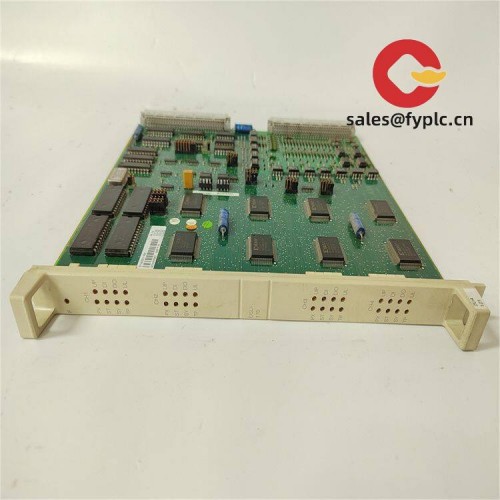
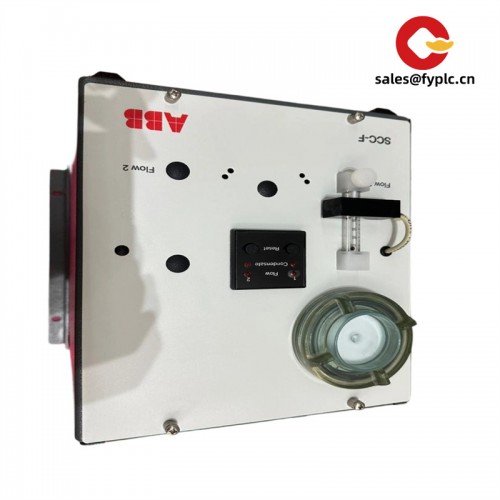
Bently Nevada 1900/27 – Vibration Monitoring System for Critical Machinery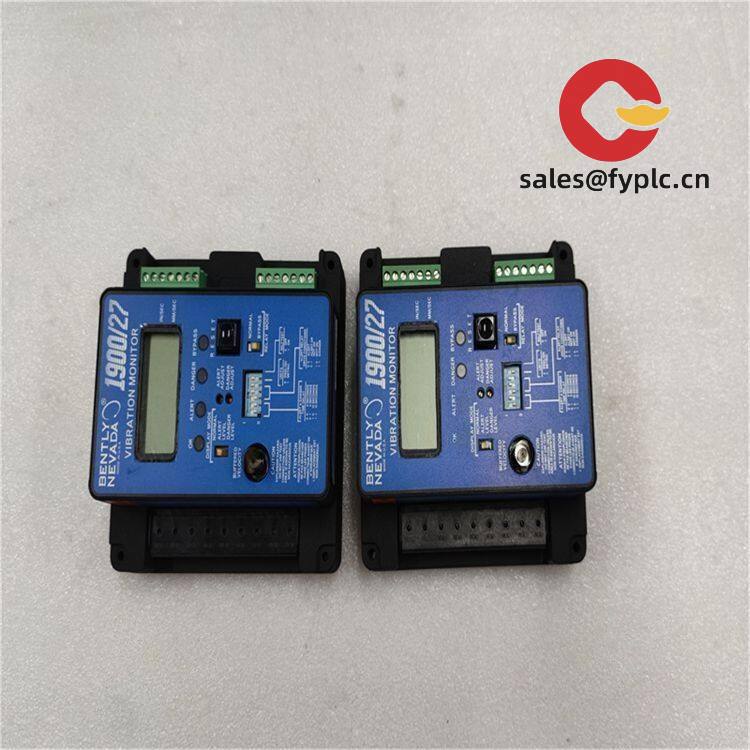
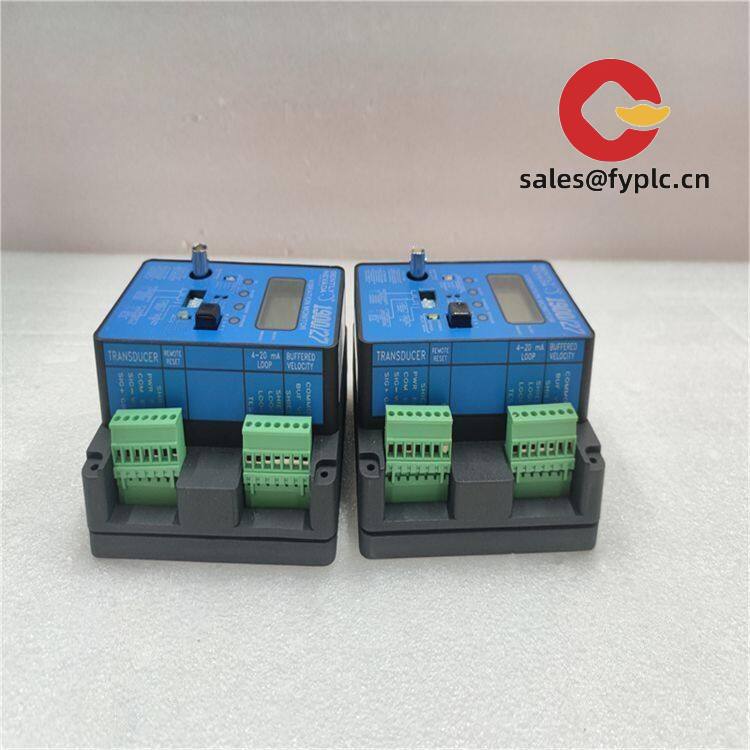
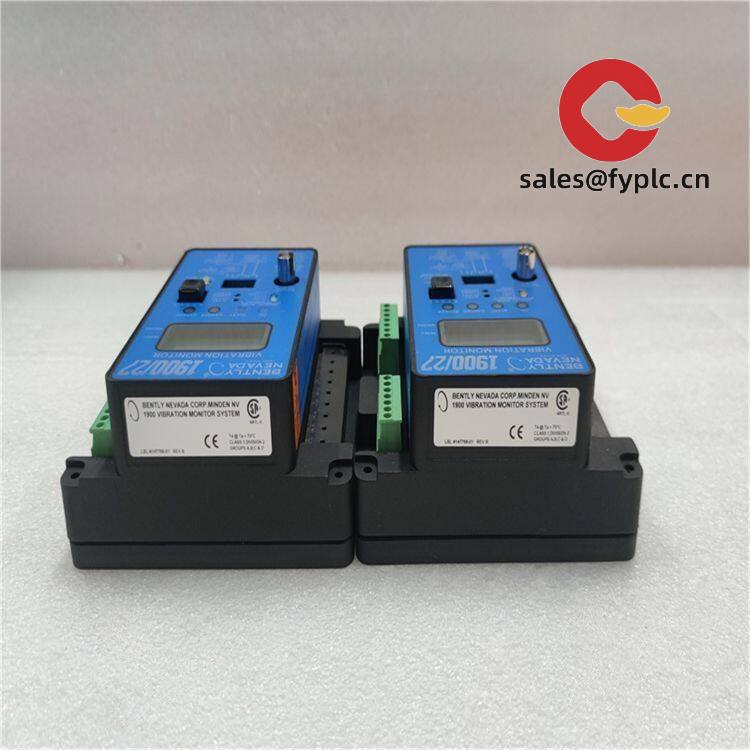
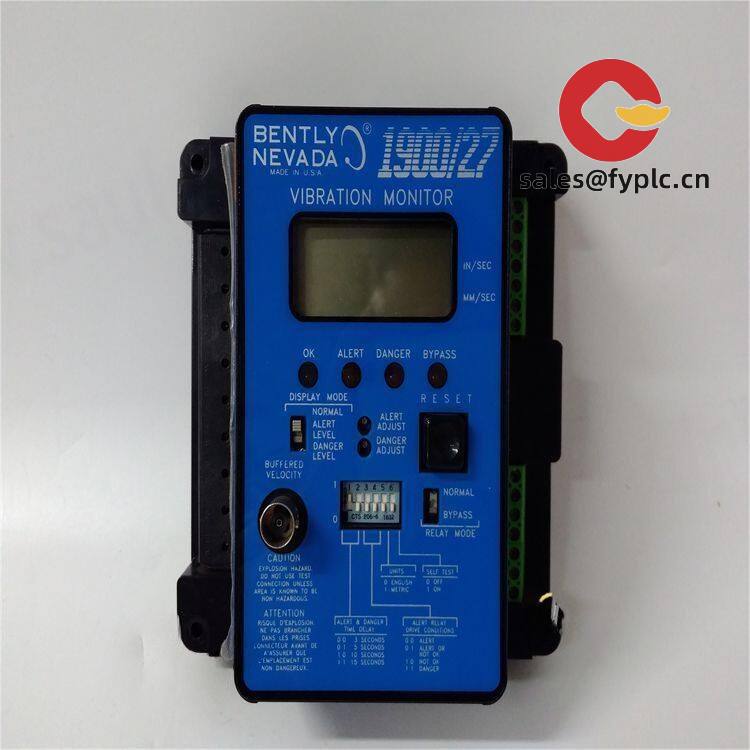
If you’re managing industrial equipment where reliability is non-negotiable, the Bently Nevada 1900/27 might just be what you need. This compact vibration monitoring system is designed to protect critical machinery by detecting abnormal vibrations before they escalate into costly failures. One thing I appreciate is how it balances advanced functionality with user-friendly operation, making it suitable for both seasoned engineers and those newer to condition monitoring.
Key Features
- Real-Time Monitoring: Continuously tracks vibration levels, providing instant alerts when thresholds are exceeded. From my experience, this feature alone can save hours of unplanned downtime.
- Compact Design: Its small footprint allows it to fit into tight control cabinets without sacrificing performance. You might notice that space constraints are less of an issue compared to older models.
- Flexible Communication Interfaces: Supports Modbus and Ethernet/IP protocols, ensuring seamless integration with existing SCADA or DCS systems.
- User-Configurable Alarms: Customize alarm settings based on specific machine parameters, which seems to be a favorite among maintenance teams.
- Rugged Build Quality: Designed to withstand harsh industrial environments, including high temperatures and electromagnetic interference.
Technical Specifications
| Specification | Details |
|---|---|
| Brand/Model | Bently Nevada 1900/27 |
| HS Code | 90318090 |
| Power Requirements | 24V DC ±10% |
| Dimensions & Weight | 200mm x 150mm x 80mm, 2.5kg |
| Operating Temperature | -20°C to +60°C |
| Signal Input/Output Types | 4-20mA, Relay Outputs |
| Communication Interfaces | Modbus RTU, Ethernet/IP |
| Installation Method | DIN Rail Mounting |
Application Fields
The Bently Nevada 1900/27 shines in industries where precision and uptime are paramount. In oil and gas facilities, it monitors compressors and pumps to prevent catastrophic failures. Power generation plants rely on it to safeguard turbines and generators, while manufacturing sites use it to keep production lines running smoothly. Typically, customers report improved asset longevity and reduced maintenance costs after deployment.
Advantages & Value
From a procurement standpoint, this model offers several compelling advantages. First, its compatibility with legacy systems reduces the need for expensive upgrades. Second, the intuitive interface minimizes training time, allowing staff to focus on other priorities. Lastly, the robust warranty and responsive technical support provide peace of mind—something that’s not always guaranteed with similar products.
Installation & Maintenance
Installing the 1900/27 typically involves mounting it on a standard DIN rail inside a control cabinet. Ensure proper ventilation around the unit to avoid overheating, as cramped spaces can sometimes cause issues. Wiring should follow the manufacturer’s guidelines closely, especially for signal inputs. For routine maintenance, periodic calibration checks and firmware updates are recommended to maintain optimal performance. Cleaning the exterior occasionally helps prevent dust buildup, particularly in dusty environments.
Quality & Certifications
This product carries certifications such as CE, UL, and RoHS compliance, underscoring its adherence to global safety and environmental standards. The manufacturer backs it with a one-year warranty, though extensions may be available upon request. It appears that many users find these assurances reassuring, especially when investing in mission-critical equipment.

Order Placement Process:
- Warranty period: 365 days.
- Delivery time: 1 week for in-stock items; no more than one month at the latest.
- Payment method: 50% advance payment, full payment before delivery.
- Express delivery methods: FedEx, UPS, DHL.





Reviews
There are no reviews yet.