
Description
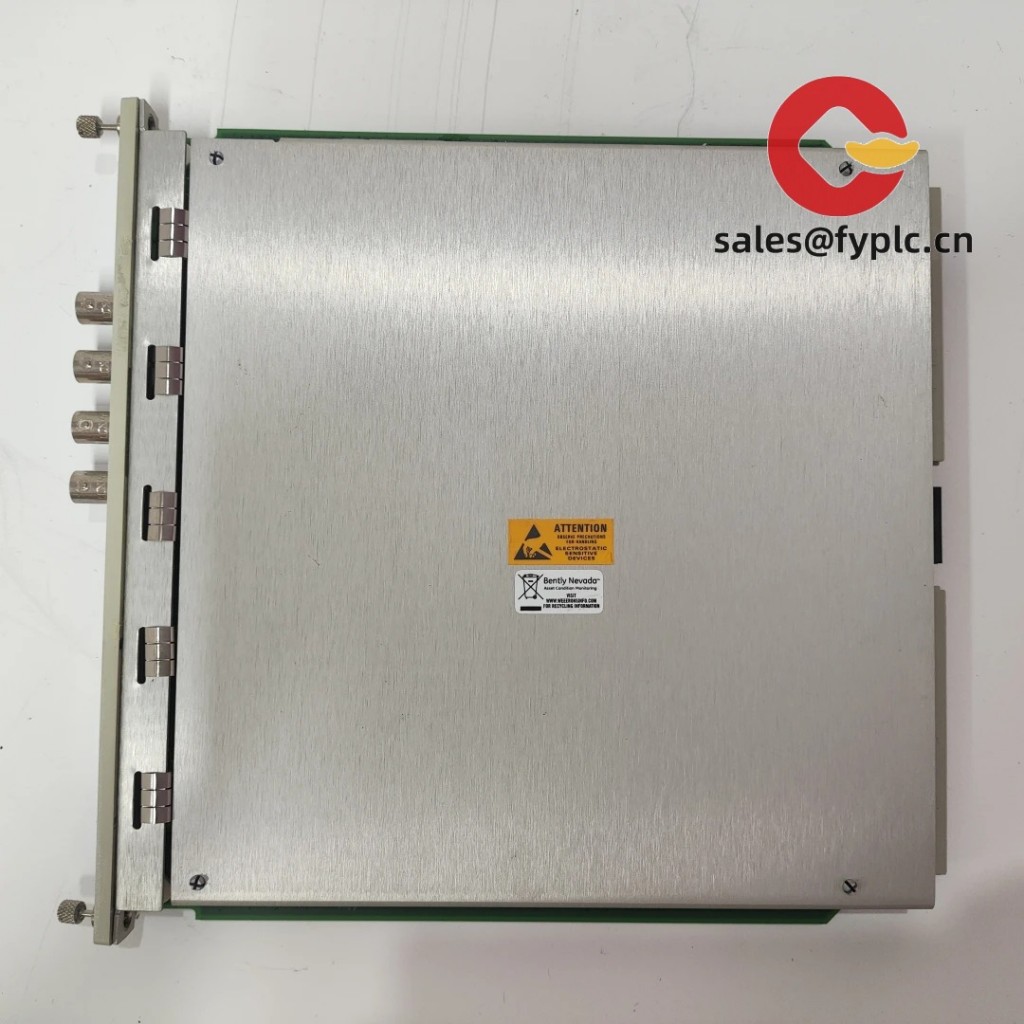
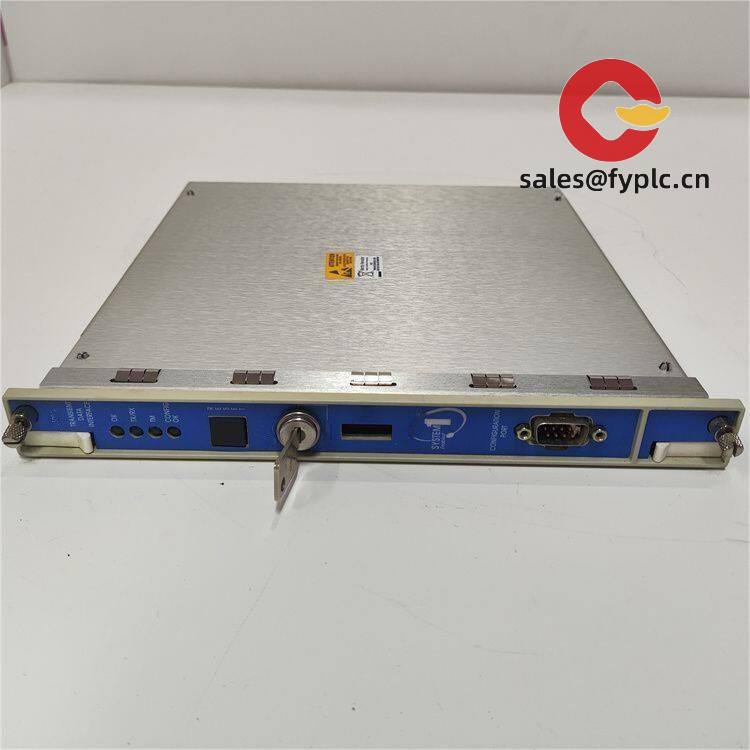
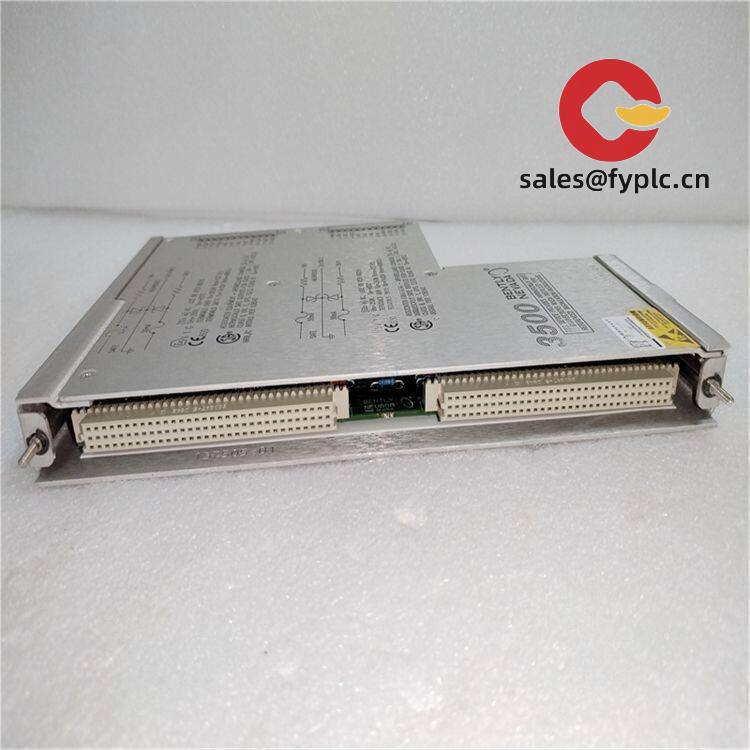
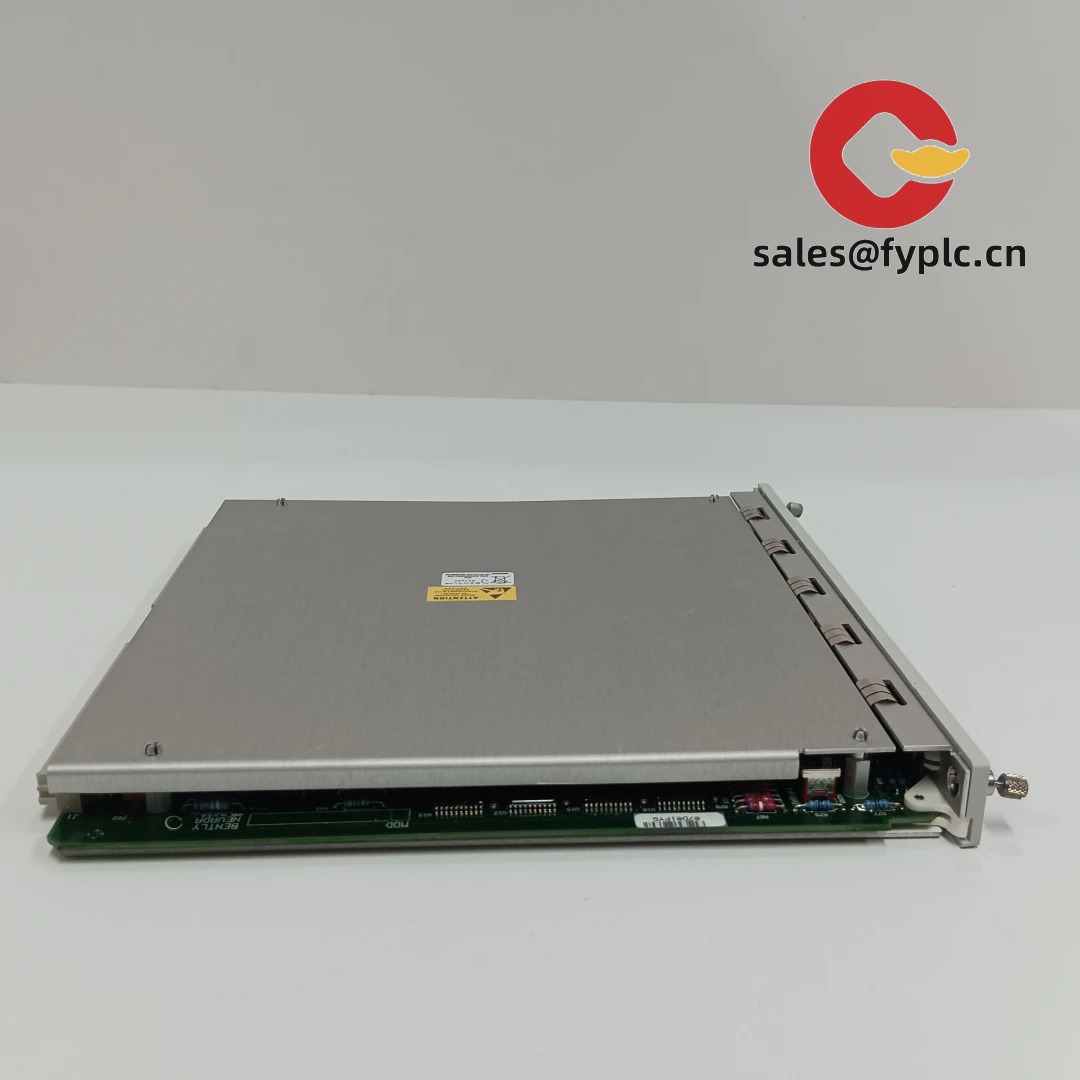
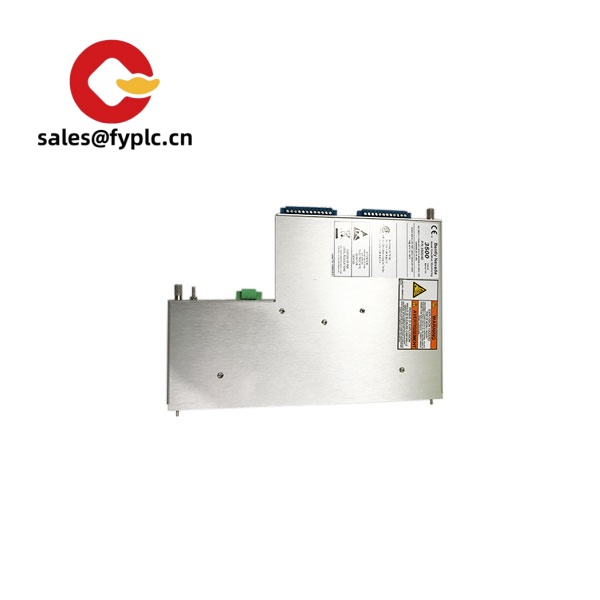
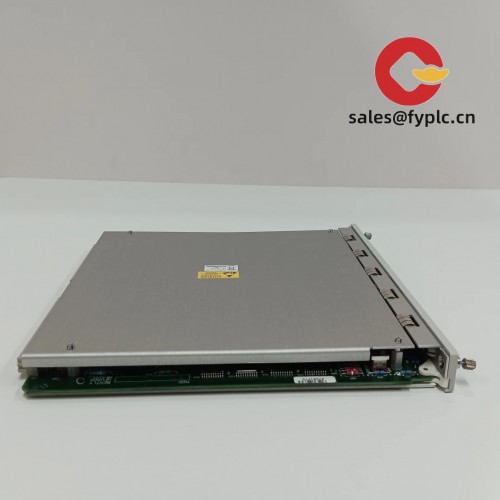
Bently Nevada 3500/40 Proximitor Monitor (Part No. 135489-04) — High-Integrity Vibration & Position Monitoring for Critical Rotating Machinery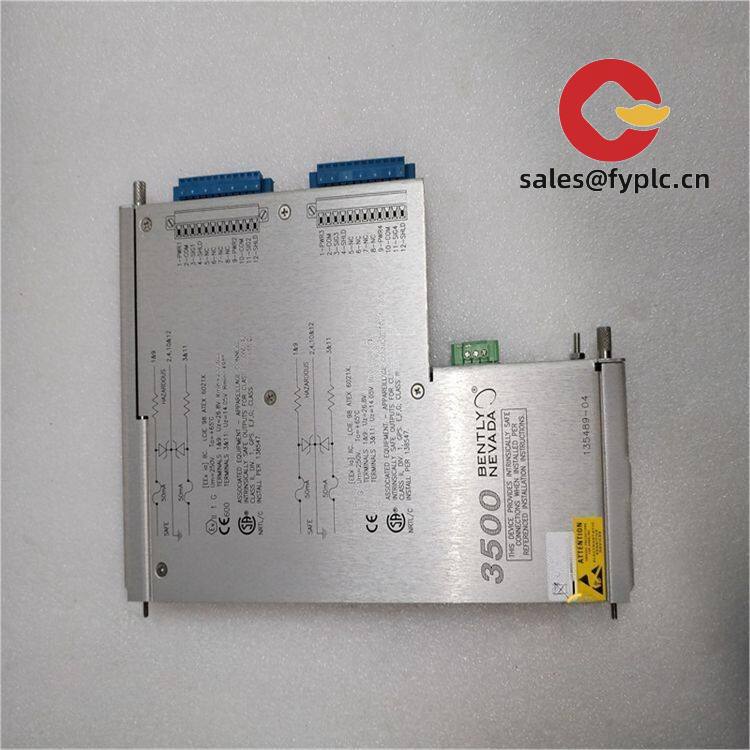
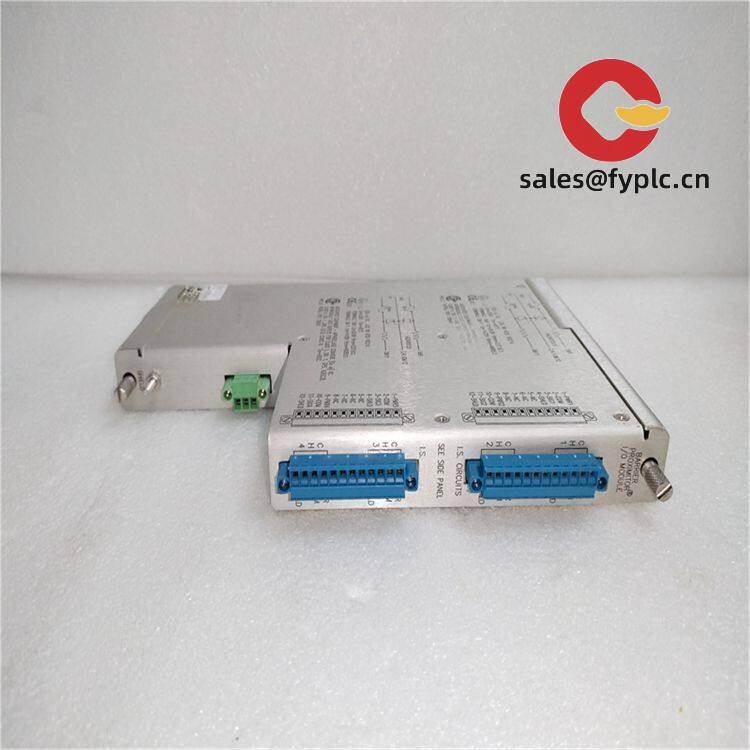
One thing I appreciate is how consistently this module shows up in retrofit projects where legacy 3500 racks need upgraded input capability—especially when users want to retain existing proximity probes but add better signal conditioning and alarm logic. From my experience, it’s typically deployed alongside 3500/22M or 3500/25 power supplies in turbine control rooms, compressor skids, and large pump stations across oil & gas, power generation, and marine propulsion.
Key Features
- Dual-channel monitoring: Handles two independent proximity probe inputs (e.g., radial vibration + axial position), each with configurable sensitivity (typically 5–200 mV/mil) and linear range (up to ±100 mil).
- Integrated alarm relays: Two Form-C relays per channel—so four total—with user-selectable trip logic (high/low, window, differential). You might notice that these relays are rated for 5 A @ 250 VAC, making them suitable for direct PLC interface or local shutdown circuits without external amplification.
- Real-time signal buffering & scaling: Provides buffered analog outputs (4–20 mA per channel) that mirror the conditioned probe signals—useful for feeding DCS systems or trend recorders without loading the primary monitor path.
- Rack-integrated diagnostics: Built-in self-test and status LEDs (OK, Alarm, Fault) visible from the front panel. In many cases, field technicians tell us this cuts troubleshooting time by ~40% compared to older 3300-series modules, especially during startup commissioning.
- Hot-swappable & firmware-upgradable: Plugs directly into any Bently Nevada 3500 rack (3500/15, /16, /17); firmware updates via 3500/22M Ethernet port or Data Collector software—no rack power-down required.
Technical Specifications
| Parameter | Specification |
|---|---|
| Brand / Model | Bently Nevada 3500/40 (135489-04) |
| HS Code | 9031.80.8090 (Measuring or checking instruments for electrical quantities, not elsewhere specified) |
| Power Requirements | +24 VDC nominal (range: 18–32 VDC); draws ~250 mA typical per module |
| Dimensions & Weight | 172 × 127 × 35 mm (W × H × D); approx. 0.52 kg |
| Operating Temperature | −40 °C to +70 °C (storage); −30 °C to +65 °C (operational) |
| Signal Input Type | Two independent 3-wire proximity probe inputs (100 kHz carrier frequency, 7.85 MHz oscillator) |
| Signal Output Types | Four 4–20 mA analog outputs (2 per channel), plus four Form-C alarm relays |
| Communication Interface | RS-485 (via backplane); configured via 3500 Rack Manager or System 1 software |
| Installation Method | DIN-rail mounted in standard 3500 rack (requires 3500/15 or compatible power supply) |
Application Fields
This isn’t a general-purpose sensor—it’s built for mission-critical assets where shaft displacement or bearing vibration could trigger catastrophic failure. Think steam turbines in combined-cycle plants running at 3600 RPM, centrifugal compressors on offshore platforms, or large synchronous motors in steel mill rolling stands. One customer recently replaced aging 3300/25 modules with 3500/40 units on a 120 MW gas turbine—and reported zero false trips over 18 months of continuous operation. It seems to be particularly resilient in high-EMI environments (e.g., near VFDs or arc furnaces), thanks to its shielded input circuitry and galvanic isolation between channels.
Advantages & Value
If you’re evaluating this for procurement, here’s what tends to matter most: First, compatibility. It drops into existing 3500 infrastructure without requiring new racks or wiring changes—so no engineering redesigns or downtime for cabinet modifications. Second, lifecycle cost. While slightly pricier than entry-level monitors, its mean time between failures (MTBF) exceeds 120,000 hours, and spare part availability remains strong through Baker Hughes’ global distribution network. Third, support leverage: firmware patches, configuration templates, and diagnostic logs integrate natively with System 1, which many operators already license. And yes—we’ve seen customers recover the full module cost within 12 months just by avoiding one unplanned outage on a $500k/day production line.
Installation & Maintenance
Install only in a NEMA 12 or IP54-rated cabinet with forced-air ventilation (minimum 0.5 m³/min airflow across the rack). Keep ambient humidity below 90% non-condensing, and avoid mounting near heat sources (>60 °C surface temp). Wiring must use twisted-pair, shielded cable (Belden 8761 or equivalent) with shields grounded at the rack end only—ground loops here cause drift. For maintenance: calibrate annually using a certified proximity probe simulator (e.g., 3500/92); wipe dust off heatsinks every 6 months; and check relay contact resistance quarterly if used for safety shutdown. Firmware updates are recommended before major turnarounds—but never do them during active alarm conditions.
Quality & Certifications
CE marked (2014/30/EU, 2014/35/EU), UL 61010-1 listed (File E170221), RoHS 3 compliant, and ISO 9001:2015 certified manufacturing. The unit carries a full 365-day warranty from date of shipment—covering parts, labor, and return shipping for defects in materials or workmanship. We don’t prorate or exclude wear items; if it fails under normal use, we replace it. No fine print, no “exclusions for environmental misuse” unless it’s clearly outside spec (e.g., submerging in coolant).
Our Order Placement Process & Guarantees:
• Warranty: 365 days
• Delivery: 1 week for in-stock units (we keep 135489-04 in active rotation)
• Lead time: ≤30 days maximum—even for urgent offshore deliveries
• Payment: 50% advance, balance before dispatch
• Shipping: FedEx, UPS, or DHL Express (tracking provided automatically)

Reviews
There are no reviews yet.