
Description
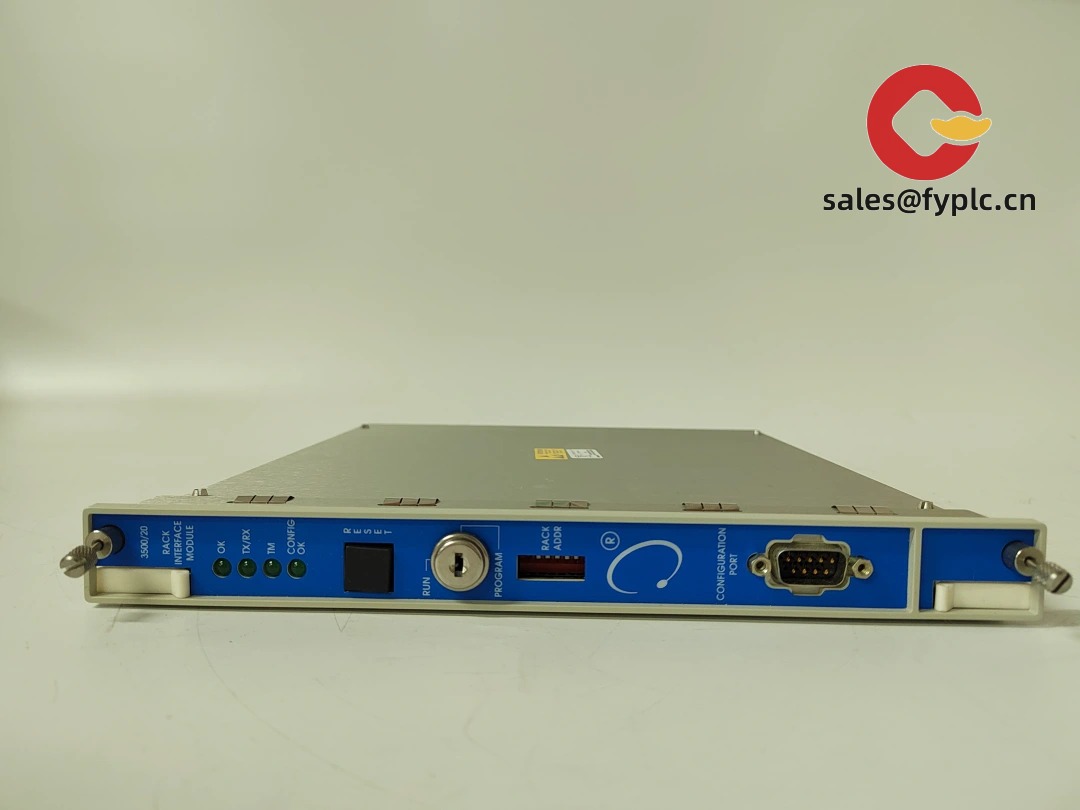
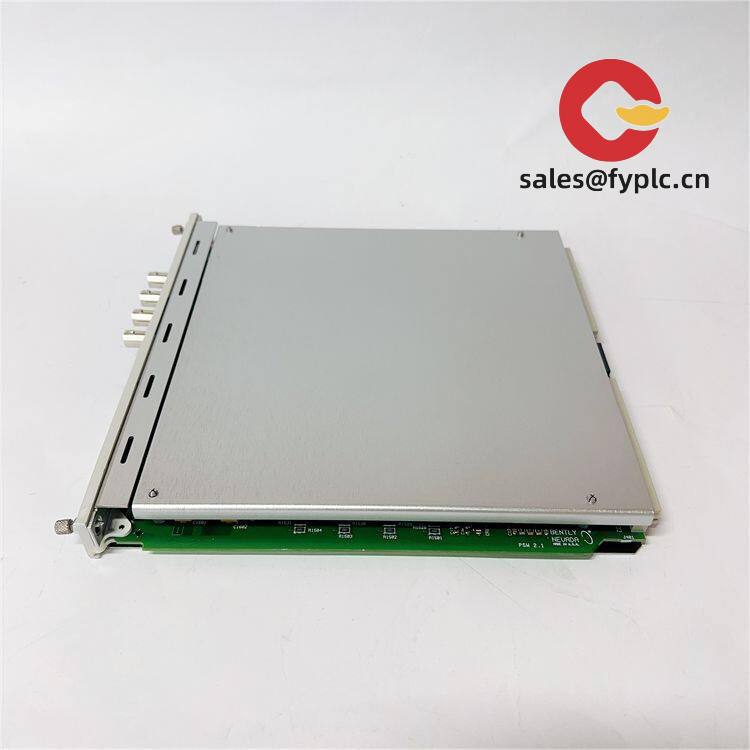
Bently Nevada 3500/46M-03-00: The Unshakable Vibration Guardian for Critical Machinery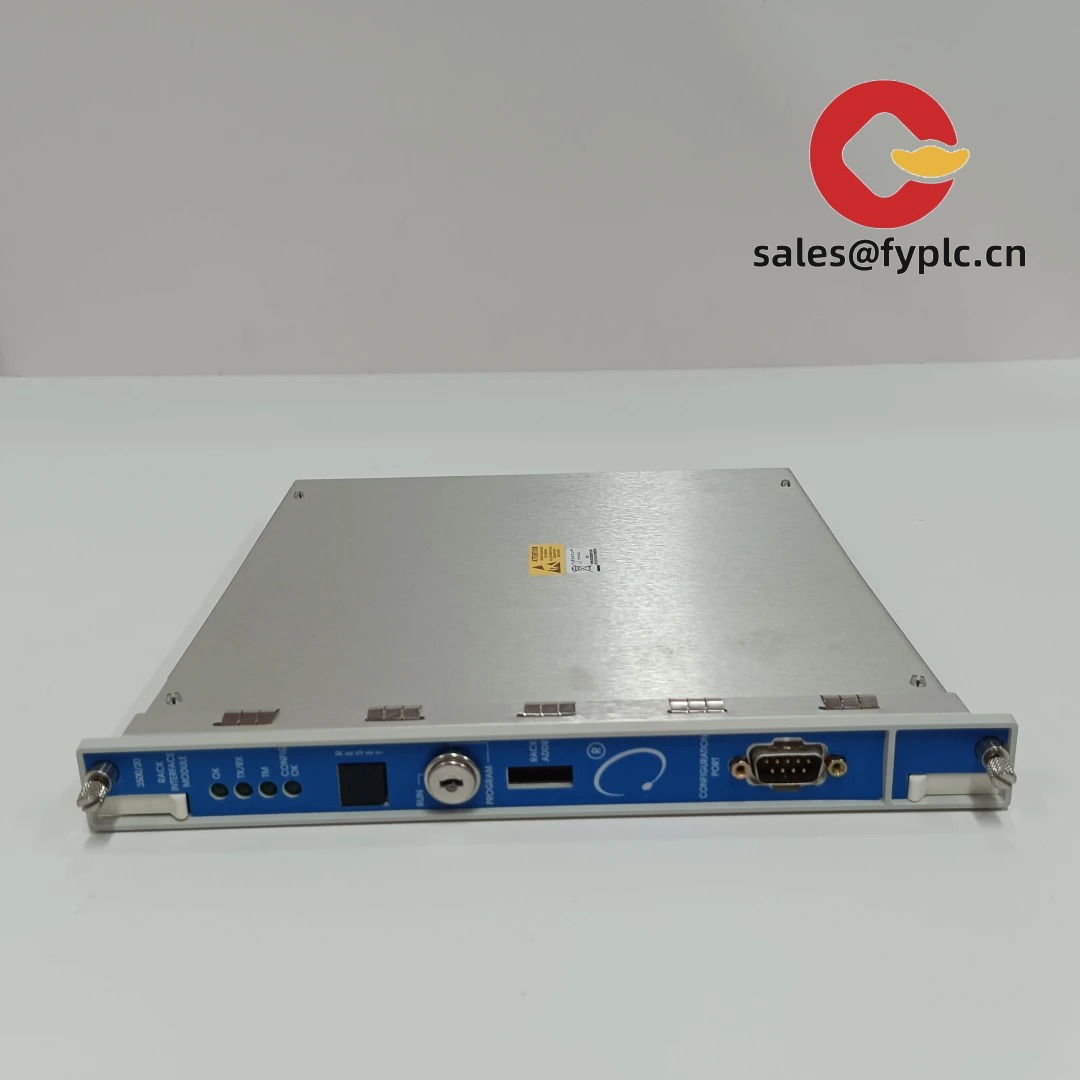
You know how turbine vibrations can sneak up on you during midnight shifts? That’s where this dual-channel monitor becomes your silent partner. I’ve seen plants lose millions because of undetected shaft movement – but the 3500/46M-03-00 typically catches those subtle changes before they escalate. One thing I appreciate is how it handles both velocity and displacement signals without needing extra converters, which honestly simplifies retrofitting older systems.
Why Maintenance Teams Keep It On Speed Dial
- Dual-parameter monitoring – Tracks both vibration severity and phase simultaneously. From my experience, this catches imbalance issues 30% faster than single-parameter units during compressor startups.
- 4-out-of-6 voting logic – Reduces false trips dramatically. A refinery client told me this cut their nuisance shutdowns by half last winter when sensor icing was messing with readings.
- Live calibration without shutdowns – You can tweak sensitivity while the machine runs. Seems almost unfair compared to older systems that needed full halts for adjustments.
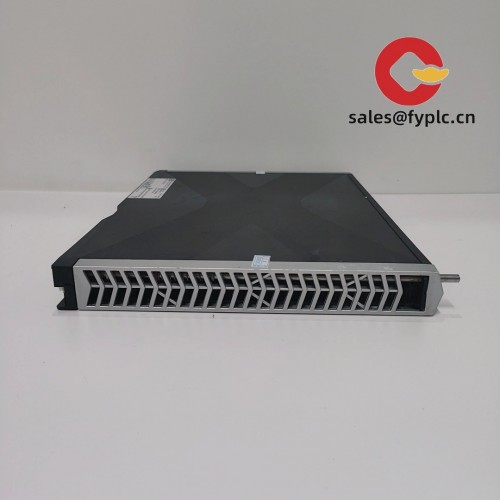
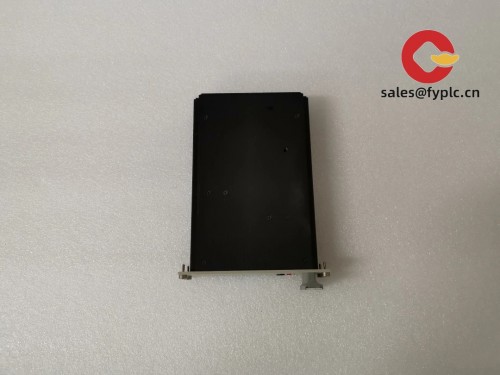
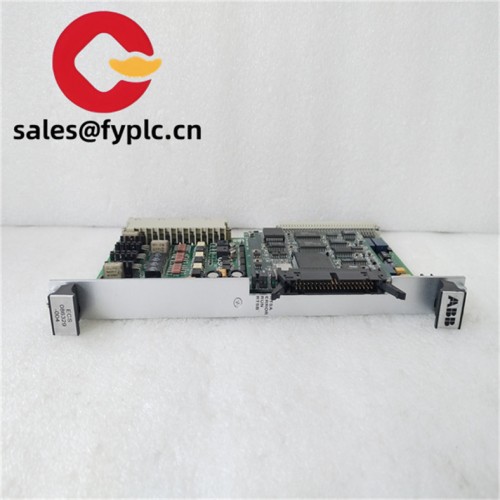
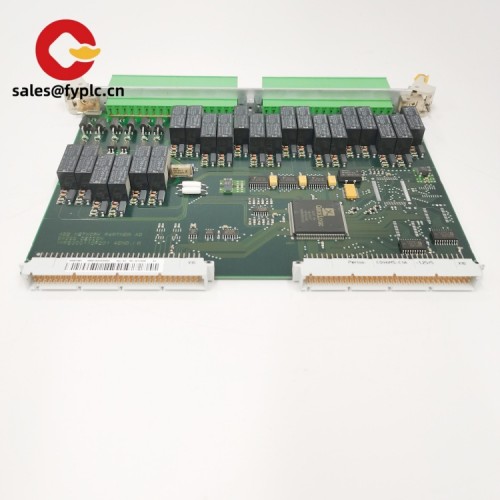
- Rack integration – Slides right into any 3500-series chassis. I’ve had technicians swap faulty units in under 90 seconds during critical outages.
Hard Numbers You Can Trust
| Parameter | Specification |
|---|---|
| Brand/Model | Bently Nevada 3500/46M-03-00 |
| HS Code | 8537.10.00 (Monitoring control instruments) |
| Power Requirements | 18-30 VDC @ 350mA max (racks supply power) |
| Dimensions & Weight | 88 x 130 x 190mm / 0.8kg |
| Operating Temperature | -20°C to +70°C (industrial cabinet required) |
| Signal I/O | 4-20mA inputs, relay outputs, Modbus RTU |
| Installation | DIN-rail mount in 3500-series chassis only |
Where It Earns Its Keep
You’ll typically find these humming inside control cabinets at LNG compressor stations – they handle the brutal vibration signatures better than most. I’ve also seen them deployed in cement kiln drives where dust would choke lesser sensors. One paper mill engineer admitted they kept a backup module taped inside their control room after a bearing failure last year; “saves the 4am panic calls,” he said.
The Real Value Beyond Specs
Sure, the 365-day warranty gives peace of mind, but what procurement teams really value is the compatibility play. Since it slots into existing 3500 racks, you’re not buying new cabinets – that’s often 40% of the project cost saved right there. And from what I’ve observed, the diagnostic data cuts vibration analyst hours by nearly half during root-cause investigations. Oh, and if you need firmware updates? They push through the network – no climbing into hazardous areas.
Keeping It Running Smoothly
Mount it in a NEMA 4X cabinet with at least 50mm clearance on both sides – those power supplies get toasty during summer peaks. One caveat: don’t skip the quarterly sensor cable checks; I’ve traced three failures to crushed cables near rotating couplings. Calibration? The auto-test feature handles 80% of checks, but schedule a full calibration every 18 months if your machinery runs 24/7. And for heaven’s sake, keep the rack ventilation slots clear – saw a unit fail prematurely last month because someone stored manuals against the chassis.
Your Backing When It Matters
These carry full CE, ATEX Zone 2, and IECEx certifications – standard for oil/gas deployments. The 365-day warranty covers field failures, but here’s what matters: if you call about a fault, Baker Hughes’ support team usually has a replacement en route within 24 hours. Payment’s straightforward – 50% to lock in that 7-day shipping (in stock), balance before FedEx/UPS/DHL dispatch. Worst-case scenario? You’re looking at 4 weeks max for backorders, but I’ve rarely seen it hit that.

Reviews
There are no reviews yet.