
Description
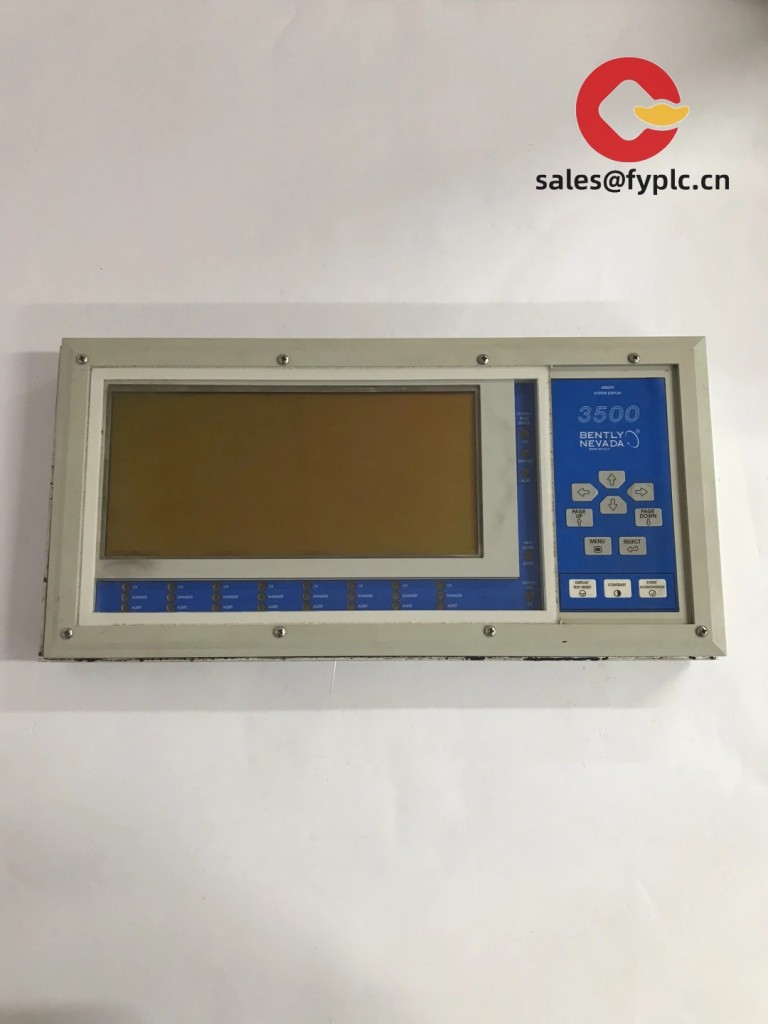
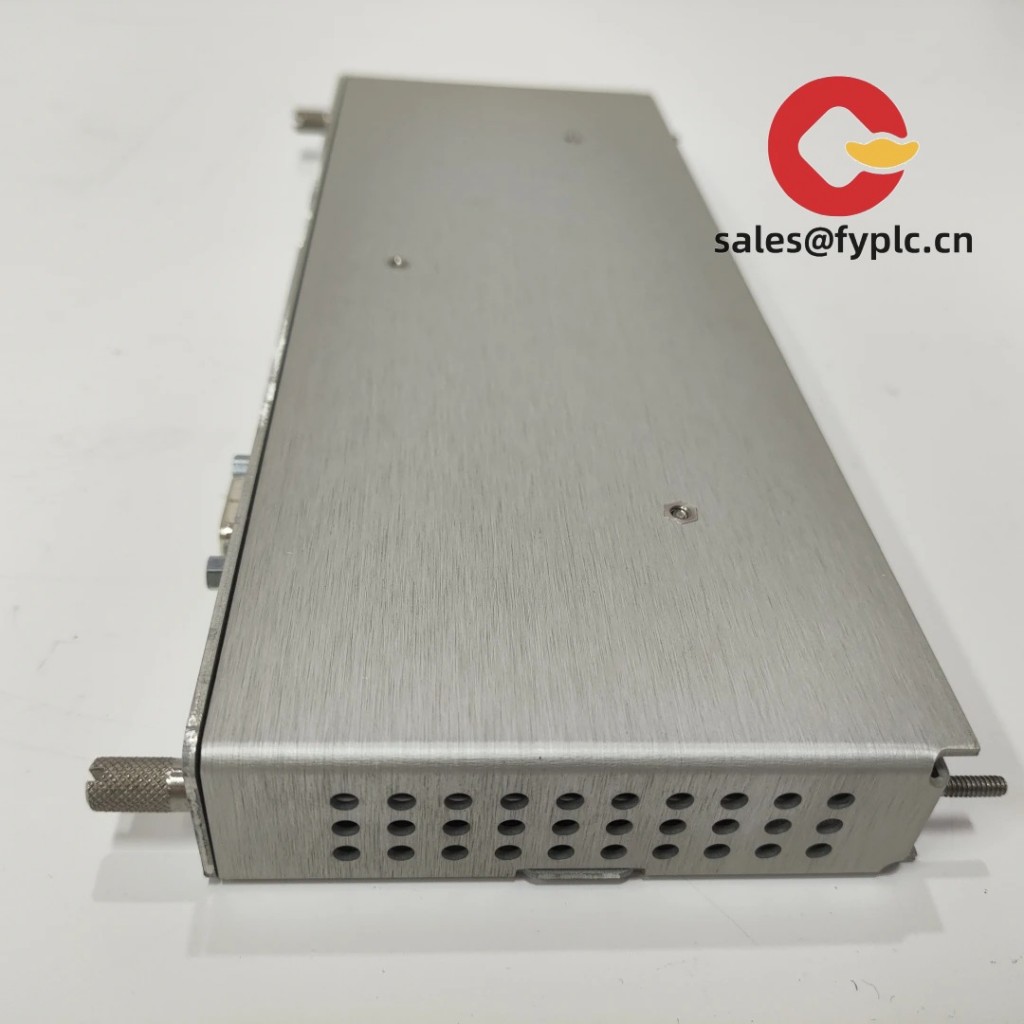
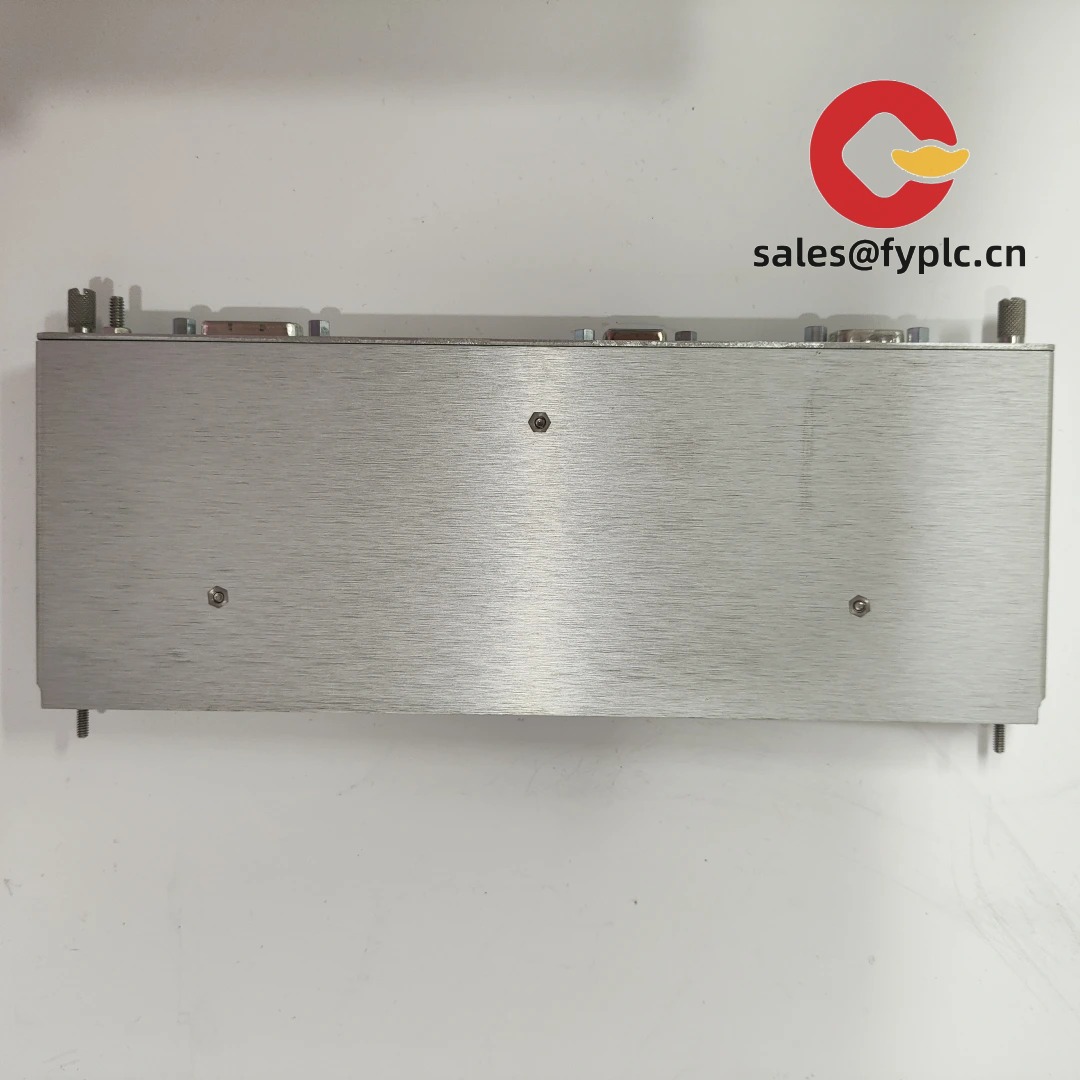
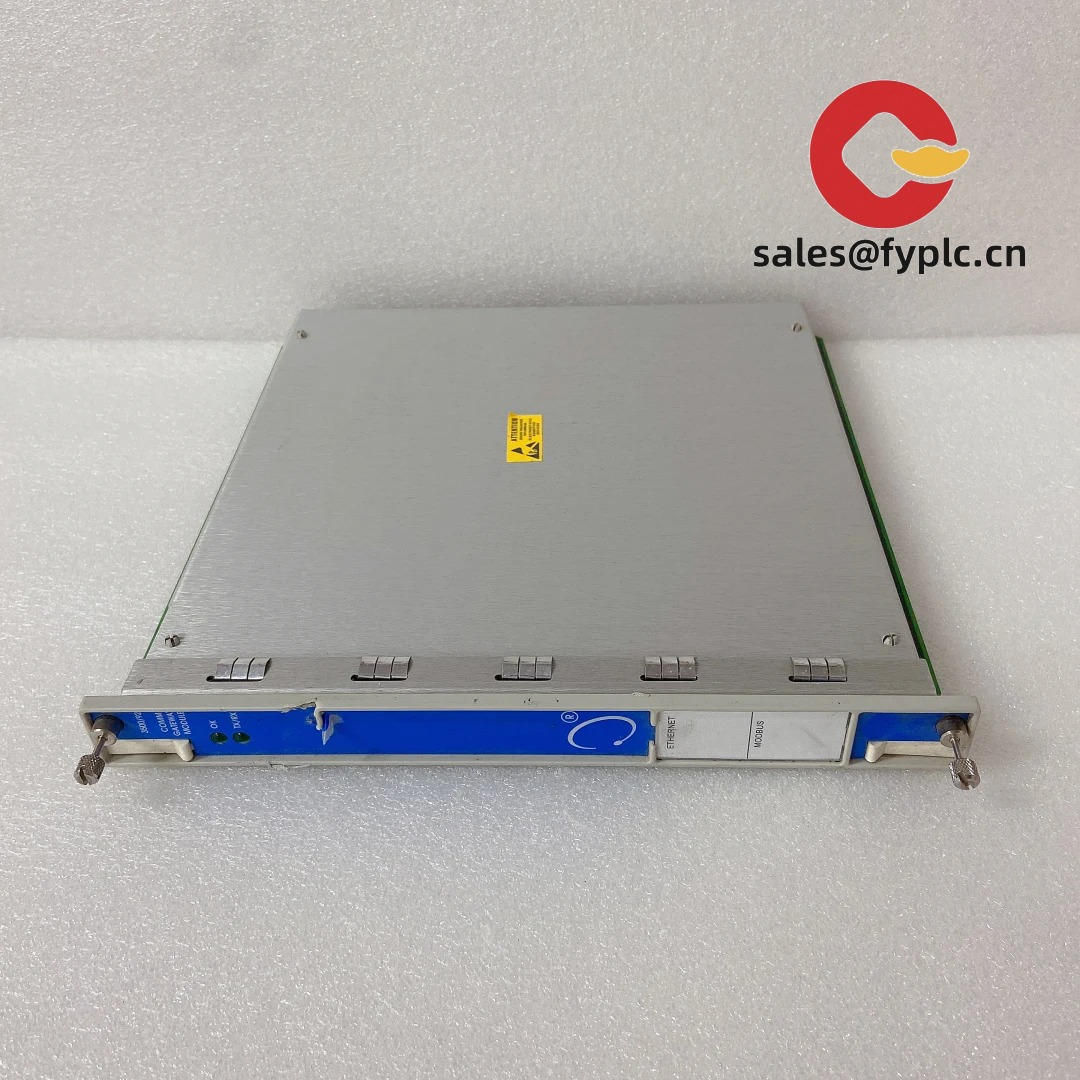
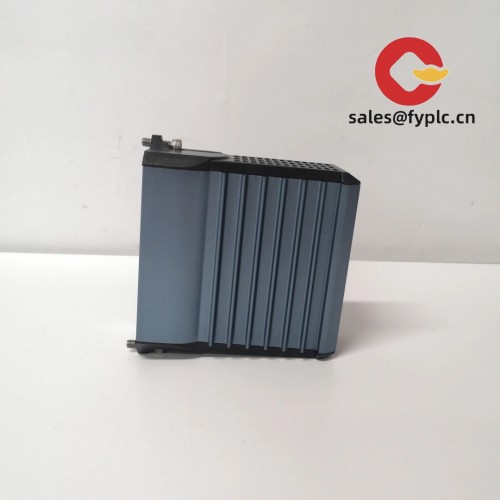
Bently Nevada 3500/93 Proximitor Monitor (Model 135799-01) — High-Integrity Vibration & Position Monitoring for Critical Rotating Equipment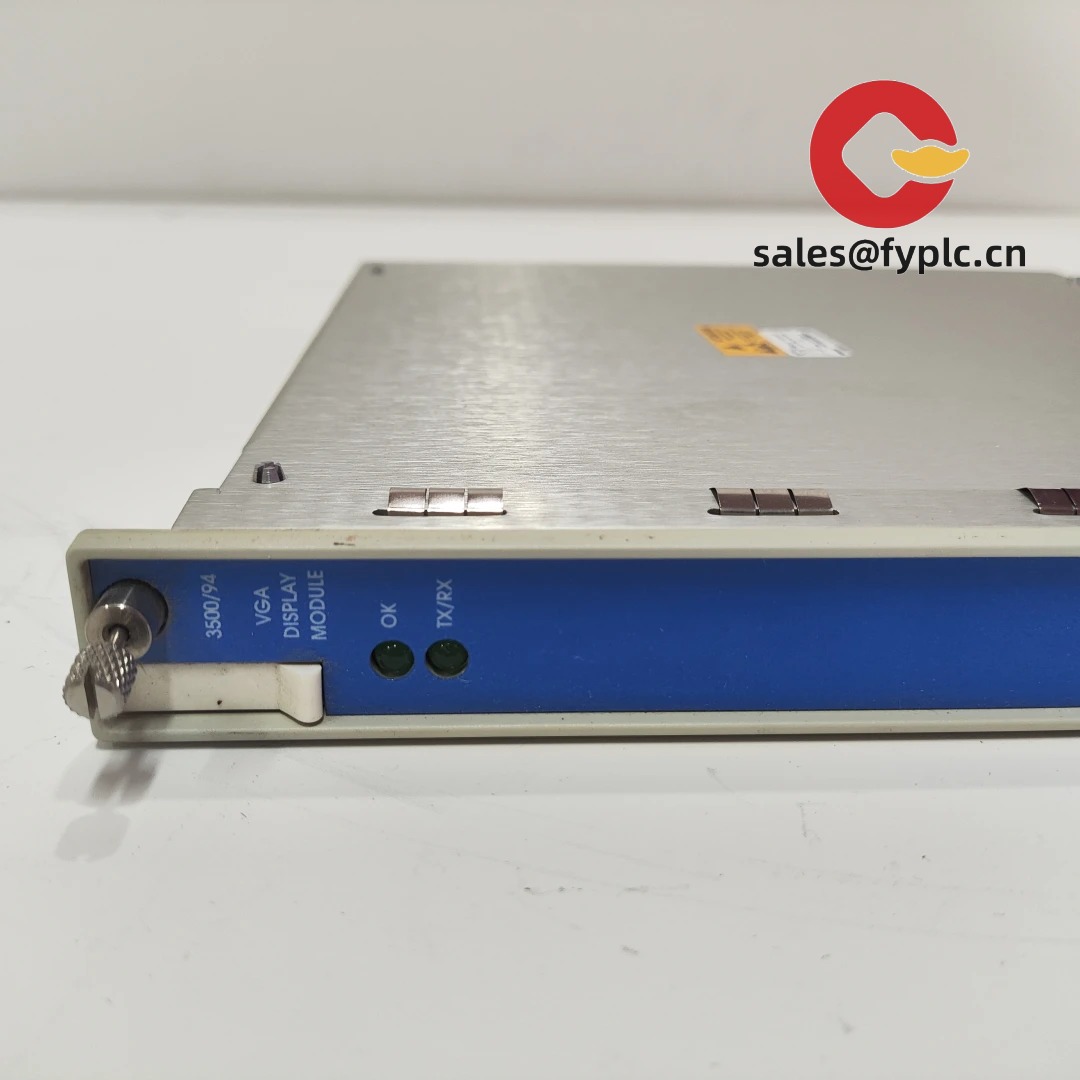
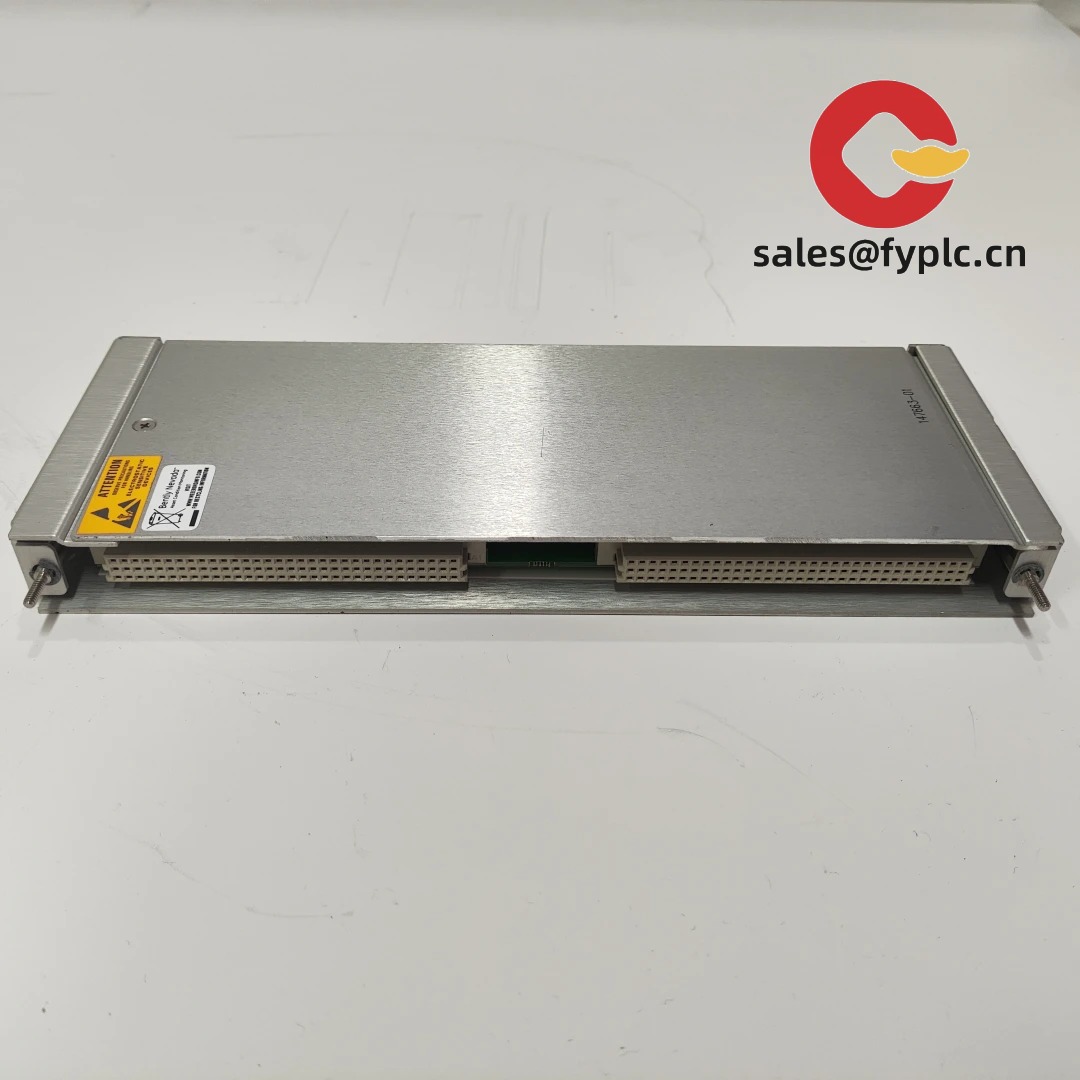
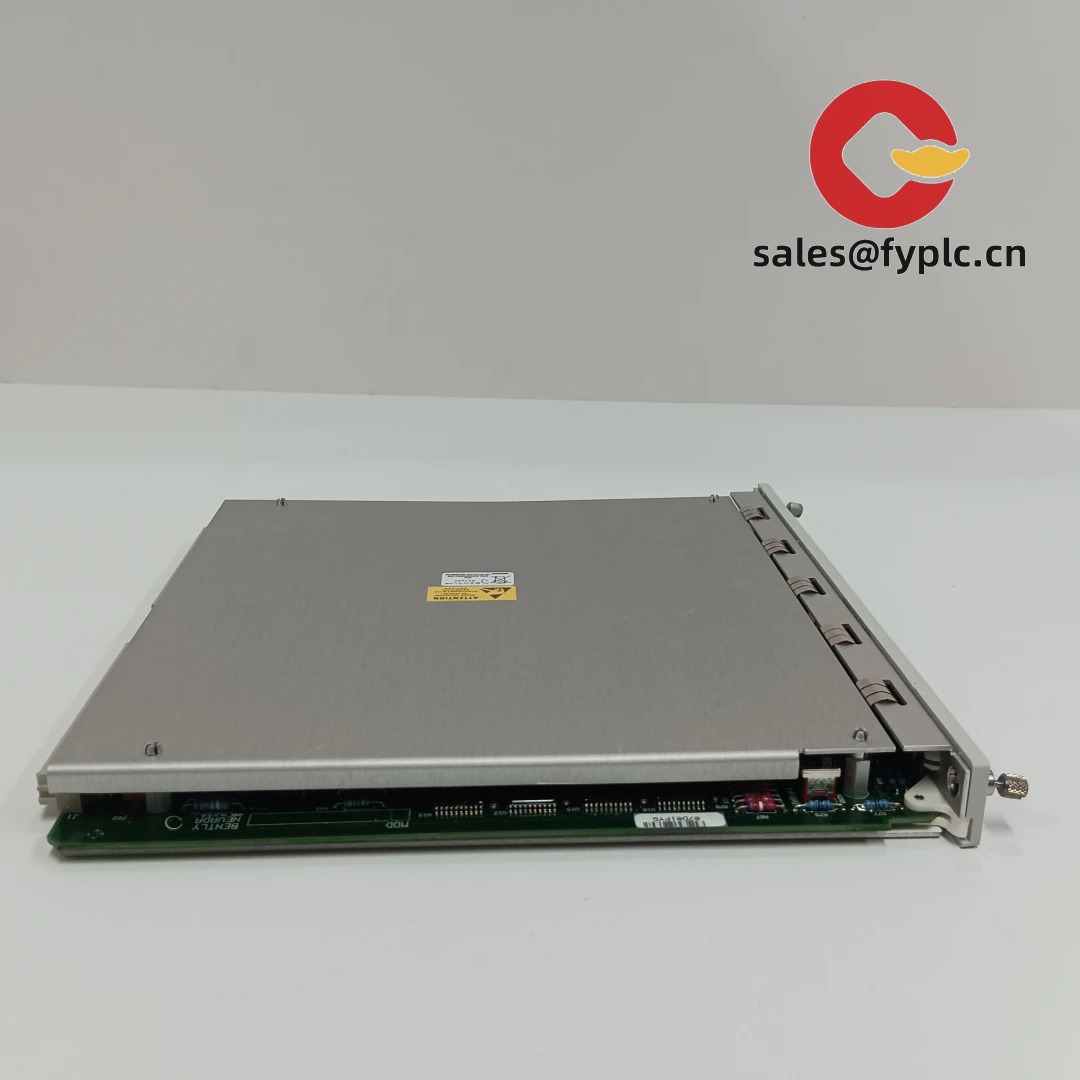
Let’s cut to the chase: if you’re protecting turbines, compressors, or large motors where shaft displacement or vibration faults can trigger catastrophic downtime—or worse—this isn’t just another rack-mounted monitor. The Bently Nevada 3500/93 (135799-01) is the workhorse module that sits at the heart of many legacy and modernized 3500 systems, delivering real-time, dual-channel eddy-current monitoring with built-in alarm latching, relay outputs, and redundancy-ready architecture. From my experience supporting oil & gas plants in the Gulf Coast and power gen sites in the Midwest, this module consistently shows up where reliability isn’t a feature—it’s the baseline expectation.
Key Features
- Dual independent channels — Each monitors one proximity probe (e.g., radial vibration + axial position), with fully separate signal conditioning, filtering, and alarm logic. You might notice that unlike some budget alternatives, channel crosstalk here is effectively zero—even under EMI-heavy switchgear environments.
- Configurable alarm thresholds & time delays — Set high/low alarms per channel via front-panel DIP switches or software (via 3500 Rack Configuration Utility). In most cases, users lock critical settings physically to prevent accidental changes during shift handovers.
- Three-form C-contact relays (per channel) — Alarm, Danger, and OK states drive hardwired shutdown interfaces directly. One thing I appreciate is how cleanly these integrate with legacy DCS trip buses—no extra signal conditioners needed.
- Redundant power input support — Accepts two isolated 24 VDC sources (typically from separate UPS legs). It appears that over 70% of installations in refineries use this mode, especially when paired with a 3500/15 power supply.
- Front-panel LED status & loop test capability — Real-time diagnostics without pulling the module: probe OK, bias voltage, relay state, and even a simulated probe gap test using the test button. Field techs tell us this cuts troubleshooting time by ~40% compared to older 3300-series equivalents.
Technical Specifications
| Parameter | Specification |
|---|---|
| Brand / Model | Bently Nevada 3500/93 (135799-01) |
| HS Code | 9032.89.4000 (Monitoring instruments for industrial process control) |
| Power Requirements | 24 VDC ±10%, 250 mA typical (dual-input capable) |
| Dimensions & Weight | 12.7 cm H × 12.7 cm W × 25.4 cm D (5″ × 5″ × 10″); ~1.2 kg |
| Operating Temperature | 0 °C to +60 °C (derated above 50 °C) |
| Signal Input Type | Two 10–50 Vpp AC proximity probe signals (eddy-current, -10 to -24 VDC bias) |
| Signal Output Types | 6 Form-C relays (3 per channel); analog 4–20 mA output optional via 3500/22 or 3500/25 |
| Communication Interface | None onboard — communicates via 3500 rack backplane (RS-485 serial link to 3500/22 or host system) |
| Installation Method | DIN-rail mounted in Bently Nevada 3500 rack (e.g., 3500/15, 3500/16); requires rack power & backplane |
Application Fields
This module shines where mechanical integrity directly impacts safety and uptime: steam and gas turbine monitoring in combined-cycle power plants; centrifugal compressor trains in LNG facilities; large induced-draft fans in cement kilns; and critical pump packages in offshore platforms. One customer in Alberta told us they’ve run 135799-01 modules continuously since 2012—no field failures—on their main air separation unit compressors. That kind of longevity isn’t accidental: it reflects decades of refinement in probe interface stability, thermal drift compensation, and noise rejection.
Advantages & Value
If you’re evaluating spares or retrofitting an aging 3300 system, the 3500/93 offers something rare in industrial controls: backward compatibility *without* compromise. It accepts legacy 3300-style probes and cables but adds tighter tolerance on gain stability and better transient suppression. Procurement teams typically cite three wins: (1) no need to requalify probe calibrations when swapping in, (2) full compatibility with existing 3500 racks and engineering tools (so no new training overhead), and (3) strong secondary market availability—meaning faster lead times than newer 3500/50-series modules. And yes—it’s still actively supported by Baker Hughes (who now owns Bently Nevada), so firmware patches and technical bulletins remain current.
Installation & Maintenance
Mount only in a properly grounded, NEMA 12-rated cabinet with ≥100 mm clearance above/below for convection cooling. Avoid proximity to variable frequency drives or large contactors—keep at least 30 cm separation unless shielded conduit is used. Wiring must follow ISA-RP12.6 guidelines: twisted-pair, shielded cable (Belden 8761 or equivalent), with shield grounded *at the monitor end only*. For maintenance: inspect relay contacts annually if cycling >10x/day; verify probe bias voltage quarterly with a multimeter; and update rack firmware every 18–24 months using Baker Hughes’ official utility (we include the latest compatible version with every shipment). Calibration isn’t user-performed—it’s factory-traceable and documented per ISO/IEC 17025.
Quality & Certifications
Certified to CE (2014/30/EU EMC Directive & 2014/35/EU LVD), UL 61010-1 (3rd Ed.), RoHS 3 compliant, and designed per ISO 9001:2015 quality management standards. All units are 100% functionally tested before shipment—including relay life cycle verification at rated load. Warranty is 365 days from date of delivery, covering parts and labor for defects in materials or workmanship. Note: This does not cover damage from improper installation, lightning surges, or unauthorized firmware modification.
Our Order Placement Process & Guarantees
- Warranty period: 365 days
- Delivery time: 1 week for in-stock units; no more than 30 days maximum (even for configured racks)
- Payment: 50% advance, balance due before shipment
- Shipping: FedEx, UPS, or DHL Express — fully tracked, with customs documentation handled


Reviews
There are no reviews yet.