
Description
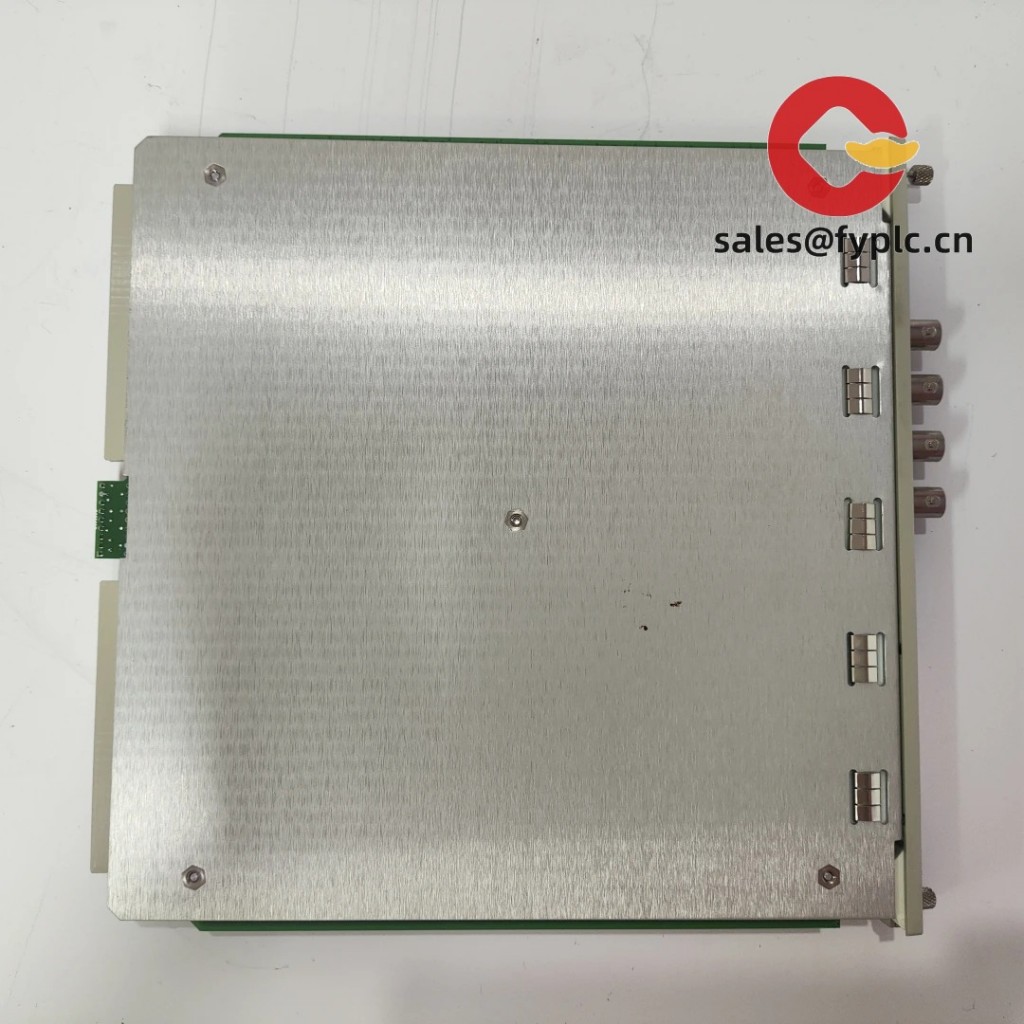
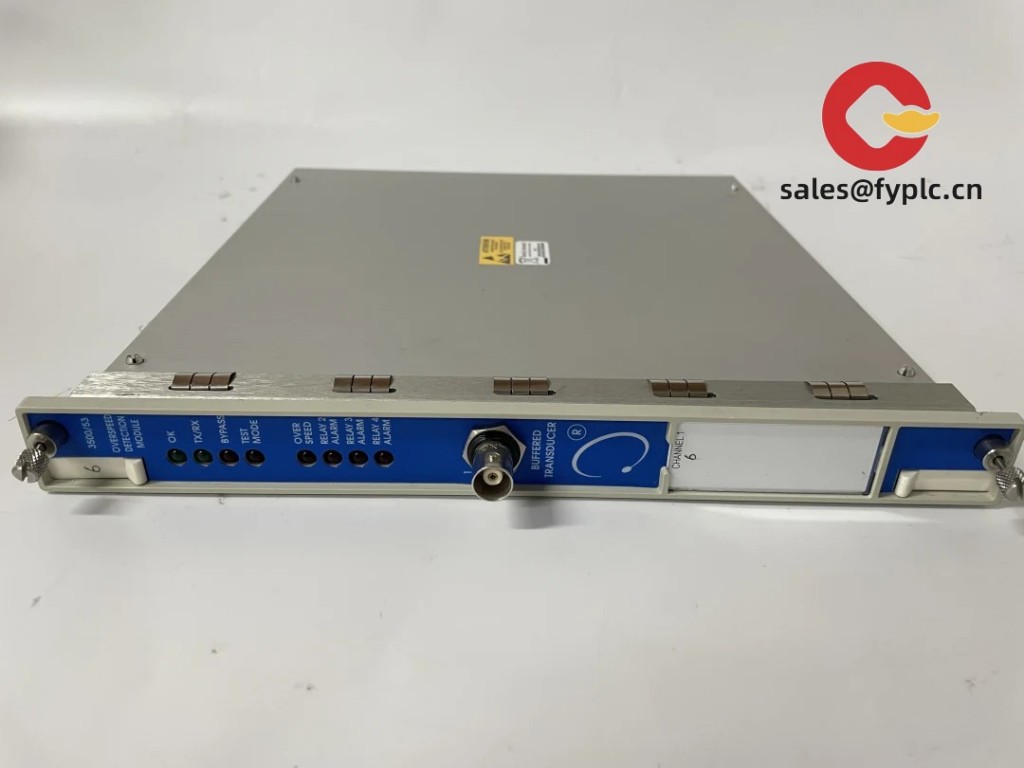
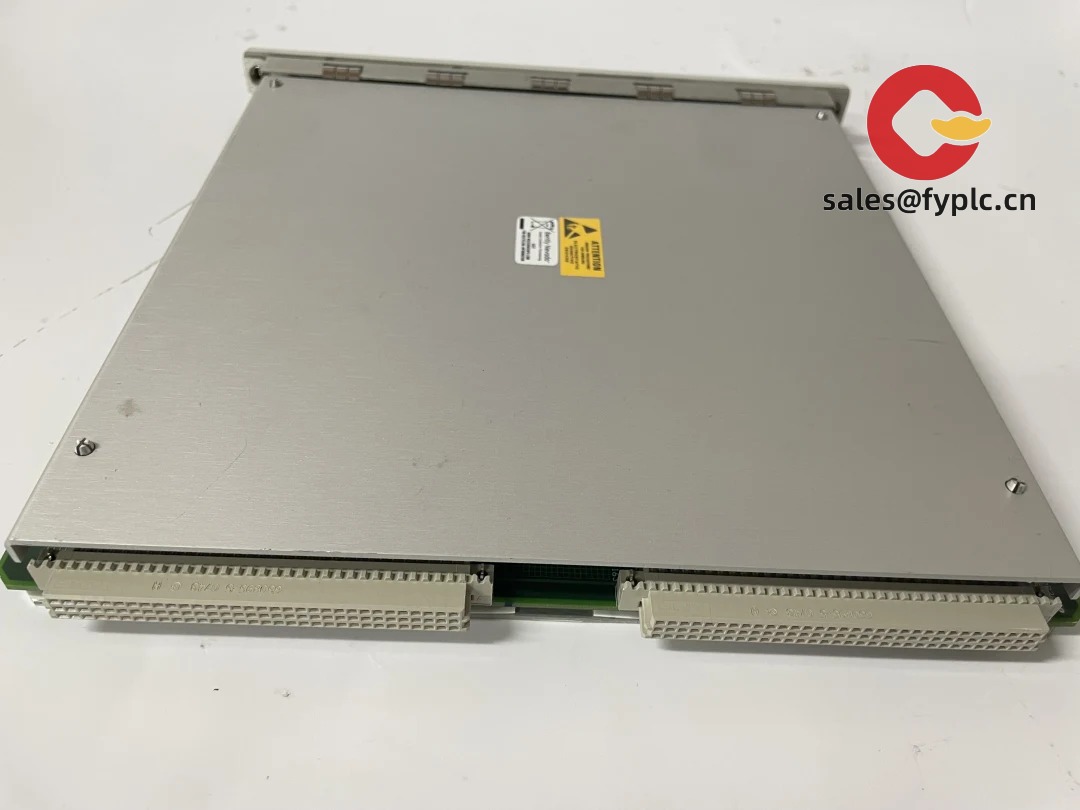
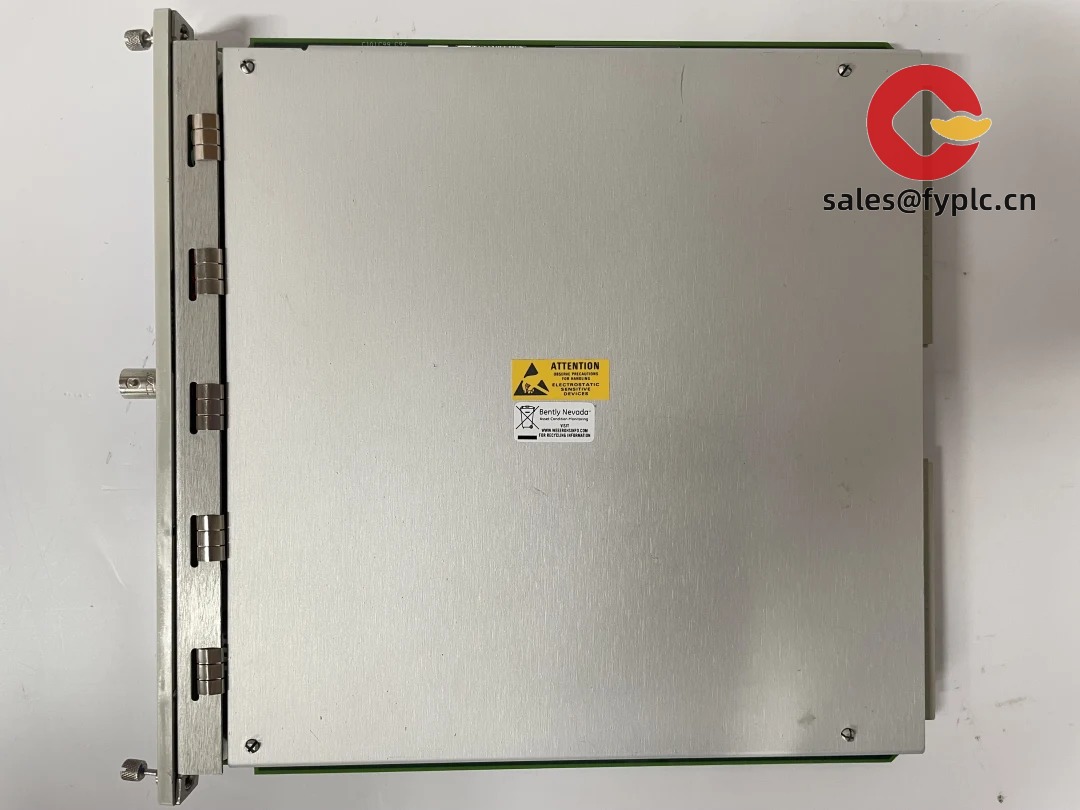
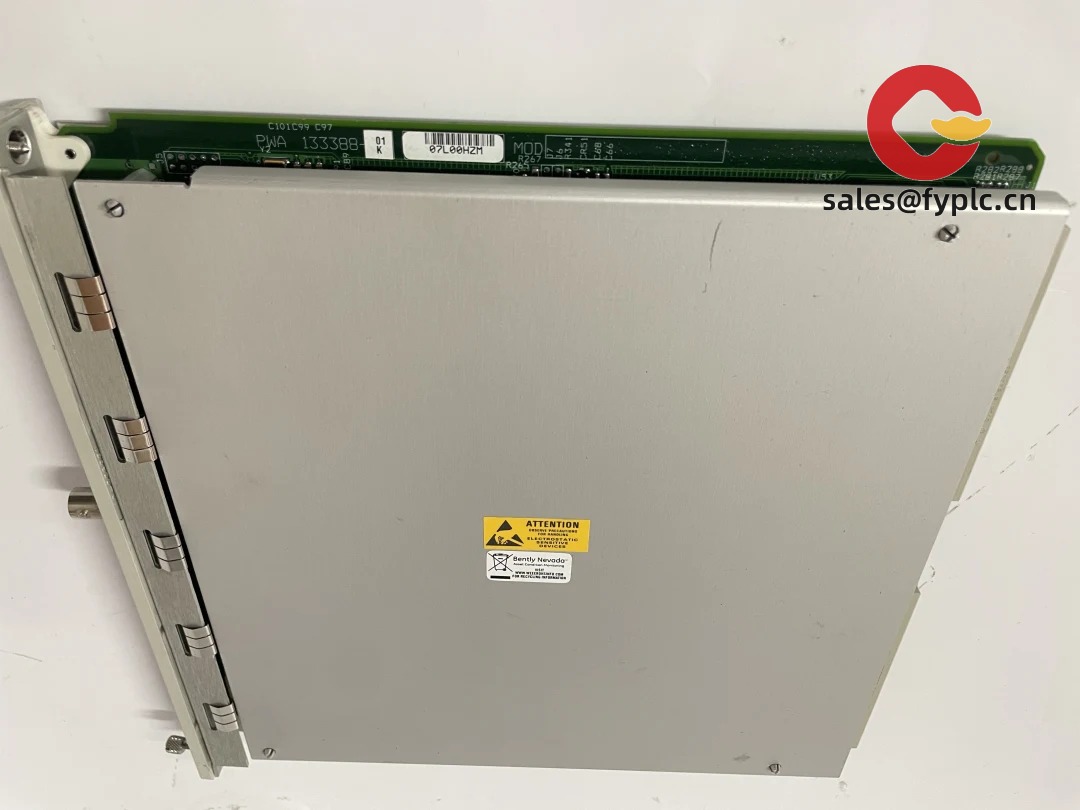
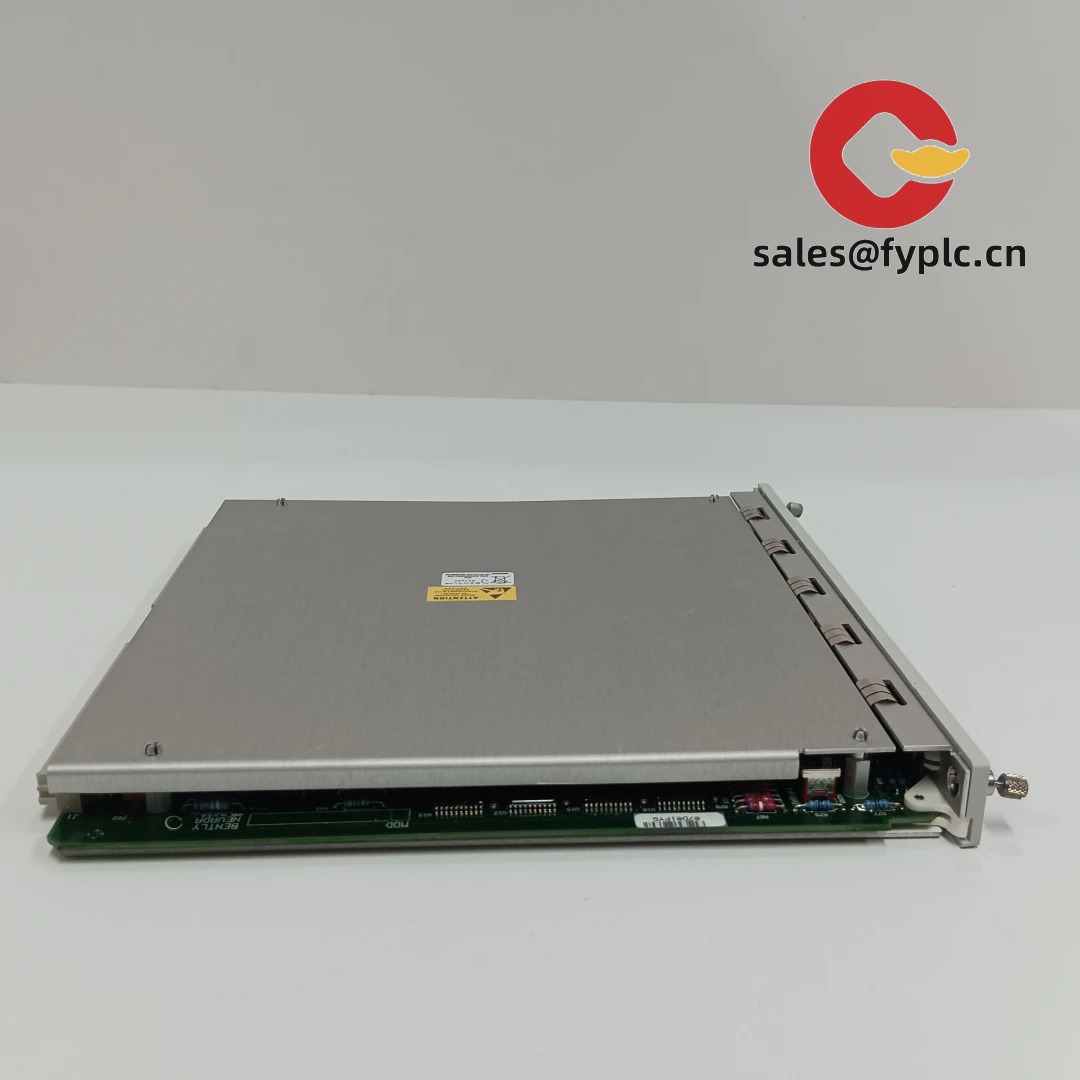
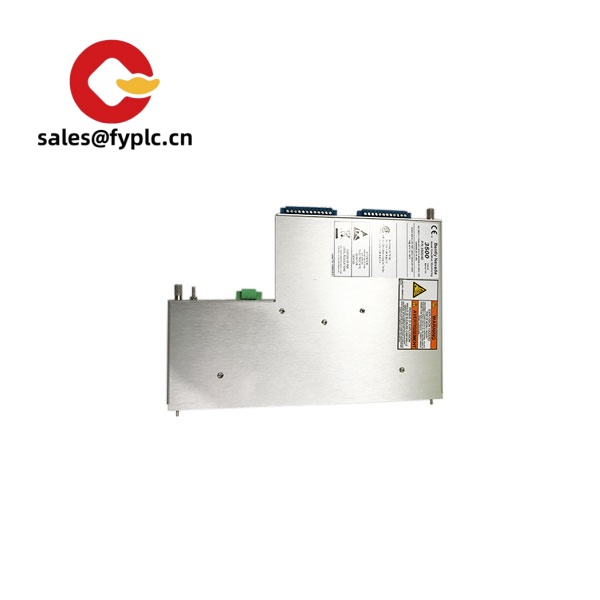
Bently Nevada 350053M-03-00 – High-Accuracy Proximitor Sensor for Shaft Vibration Monitoring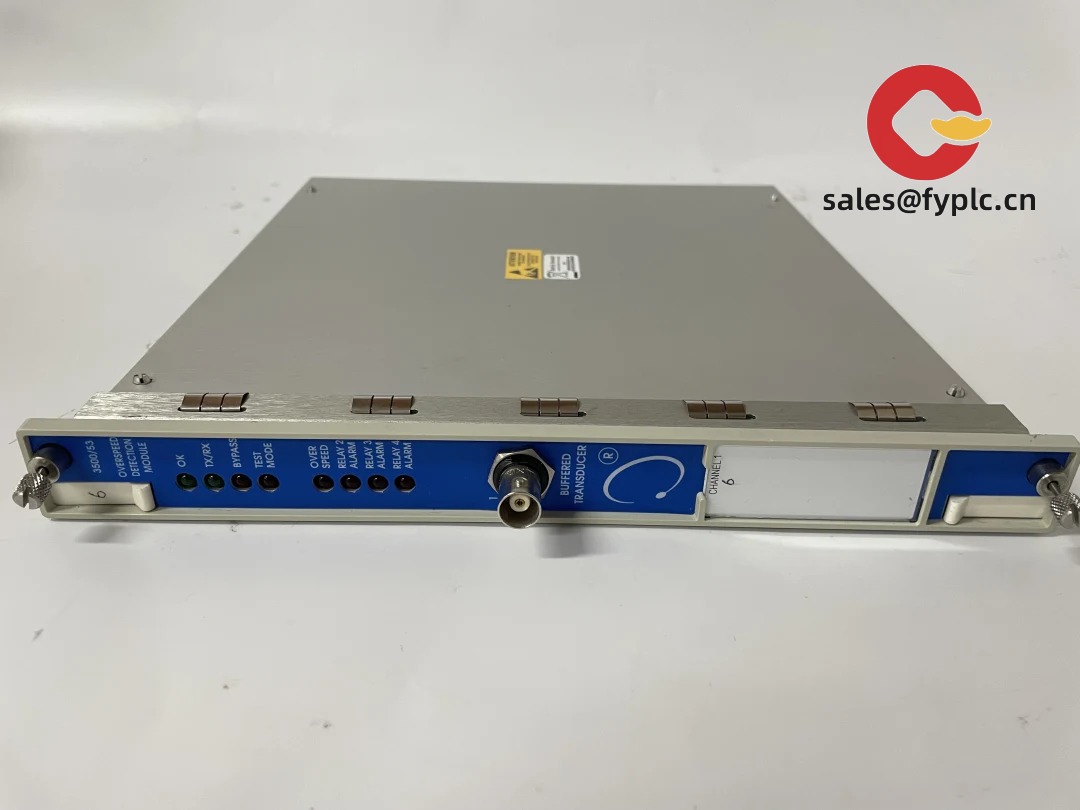
If you’re working on turbine or compressor monitoring in oil & gas, power generation, or large rotating equipment, the Bently Nevada 350053M-03-00 is one of those components that tends to show up reliably across critical systems. It’s a 5000 Series Proximitor used primarily for non-contact displacement measurement—think shaft vibration, axial position, and eccentricity. From my experience, it’s often chosen when long-term stability and resistance to EMI matter more than just basic signal output.
One thing I appreciate is how well this unit holds calibration under thermal drift. In many cases, plants end up reducing maintenance cycles simply because the sensor doesn’t require frequent zeroing. It seems especially suited for environments where access is limited or shutdown windows are tight.
Key Features
- 4–20 mA and ±10 VDC outputs: Offers dual-signal flexibility, which typically makes integration easier with both PLCs and legacy Bently rack systems.
- Linear range up to 80 mils (2 mm): Suitable for most journal bearing applications without needing signal conditioning add-ons.
- Rugged industrial housing: Stainless steel construction helps resist corrosion in harsh environments like offshore platforms or chemical plants.
- Integrated test capability: You might notice that field technicians use the built-in test jack for quick verification without spinning the shaft.
- Compatible with 3300 and 3500 systems: This backward compatibility can save costs during system upgrades where existing probes remain in place.
Technical Specifications
| Parameter | Specification |
|---|---|
| Brand / Model | Bently Nevada 350053M-03-00 |
| HS Code | 9033.00.6000 |
| Power Requirements | -17 to -26 VDC (typical loop power) |
| Dimensions & Weight | Approx. 4.7″ L × 1.5″ DIA, 1.1 lbs (stainless steel body) |
| Operating Temperature | -30°C to +85°C (electronics), probe-dependent at tip |
| Signal Output | 4–20 mA and ±10 VDC simultaneously |
| Communication Interfaces | Analog only – no digital bus |
| Installation Method | DIN rail or panel mount using standard 3500 chassis brackets |
Application Fields
This module shows up frequently in continuous-process industries. Refineries tend to deploy it on centrifugal compressors for real-time shaft orbit tracking. Power stations use it on steam turbines during startup to monitor runout and balance shifts. Some water treatment plants have started adopting it on large pumps where unexpected bearing wear could trigger cascading failures. The key thread? Predictive maintenance over reactive fixes.
Advantages & Value
Procurement teams usually find value not just in the initial cost, but in total ownership. Since this model has been around for years, spares are easier to source, and engineering time spent on configuration is lower. Integration with existing 3500 racks means fewer interface modules and reduced wiring complexity. Also, having two independent outputs per channel sometimes eliminates the need for external signal splitters—small savings that add up across a site with dozens of points.
Installation & Maintenance
Mounting should follow standard control cabinet practices—IP54 minimum, adequate ventilation, and separation from high-energy AC lines to avoid noise coupling. When wiring, keep shield grounding to a single point to prevent ground loops. From what I’ve seen in the field, most issues arise from poor grounding rather than sensor failure.
Routine checks every 6–12 months typically include verifying output against known gap settings and inspecting connectors for moisture ingress. Firmware isn’t applicable here since it’s an analog-only device, but calibration records should be maintained—especially if part of ISO-certified operations.
Quality & Certifications
The unit carries CE, UL, and CSA marks, indicating compliance with North American and European safety standards. It’s also RoHS compliant. Manufacturing adheres to ISO 9001 protocols, which matters if your quality auditors ask about traceability. The warranty period is 365 days from shipment date—covering defects in materials and workmanship under normal operating conditions.
Order & Delivery Notes: Units in stock ship within one week. For larger orders or backordered items, delivery won’t exceed four weeks. Payment terms are 50% upfront, balance due before dispatch. We typically ship via FedEx, UPS, or DHL depending on destination and urgency.

Reviews
There are no reviews yet.