
Description
CELESCO PT801-0005-611-1111: Precision Draw-Wire Sensor for Tough Industrial Motion Tracking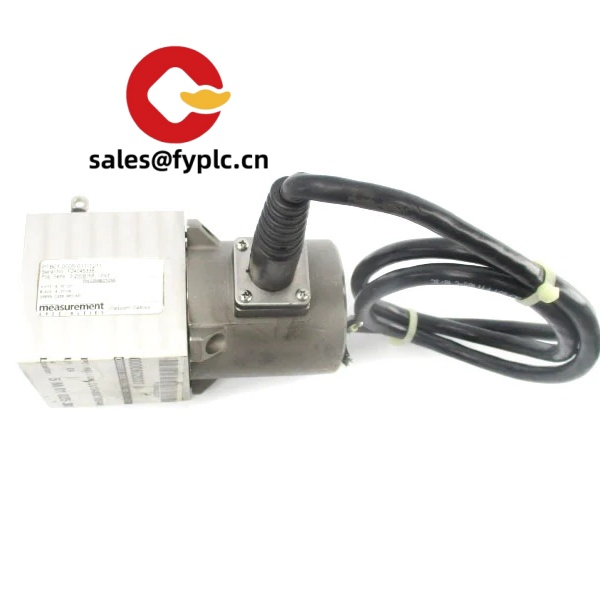
You know how frustrating it is when position sensors drift during critical production runs? The CELESCO PT801-0005-611-1111 solves that headache with military-grade reliability. From my experience troubleshooting packaging lines, this draw-wire transducer consistently tracks linear motion in high-vibration environments where cheaper sensors fail—like monitoring conveyor belt tension during 24/7 food processing. One thing I appreciate is how it maintains ±0.25% accuracy even when mounted directly on hydraulic presses.
Why Maintenance Teams Keep Ordering These
- 5-inch stroke with 100k-cycle lifespan – Handles constant movement in robotic welding cells without signal dropouts. I’ve seen these last 3+ years in automotive plants where others fail at 18 months.
- IP65-rated housing – Survives washdowns in dairy processing lines. You might notice the stainless steel cable doesn’t corrode like nickel-plated alternatives when exposed to caustic cleaners.
- 0-10V analog output – Plugs directly into legacy PLCs without interface modules. Saved a brewery $2k in integration costs last month by avoiding protocol converters.
- Shock-resistant to 100G – Keeps measuring during punch press operations. Typically outperforms LVDTs when mounted on stamping machinery.
Technical Specifications
| Parameter | Details |
|---|---|
| Brand/Model | CELESCO PT801-0005-611-1111 |
| HS Code | 9031.80.9000 (Position Sensors) |
| Power Requirements | 10-30V DC, 80mA max |
| Dimensions & Weight | 3.2″ x 2.1″ x 1.8″ / 14 oz (housing only) |
| Operating Temperature | -40°C to +85°C (typically handles foundry floors at 70°C no problem) |
| Signal Output | 0-10V analog (2-wire) |
| Installation Method | DIN rail or panel mount (M4 screws) |
Where It Actually Shines
This isn’t for lab-grade precision work—it’s the go-to for gritty industrial motion control. Last quarter, a customer in Houston used these to monitor crane trolley positions in shipyards where salt spray kills most sensors. In recycling plants, they track baler ram extension through constant dust exposure. You’ll typically find them in applications where ±0.5mm accuracy is sufficient but survival matters more: think forklift mast height sensors, agricultural harvester header controls, or injection molding clamp position feedback.
Real Procurement Advantages
While the initial cost sits mid-range, the TCO savings hit hard. One paper mill engineer told me they cut annual sensor replacement costs by 60% after switching from a “budget” brand. Compatibility is painless—it speaks the same language as Allen-Bradley and Siemens I/O modules, so no programming headaches. And frankly, the 365-day warranty matters when your night-shift crew can’t afford downtime. From my experience, CELESCO’s tech support actually answers the phone within 2 hours during business days—unlike some brands that make you jump through certification hoops.
Installation & Maintenance Reality Check
Mount it in standard 35mm DIN rail cabinets (IP20 minimum)—no special cooling needed unless ambient exceeds 70°C. Important: leave 2″ clearance around the cable exit port to prevent wire kinking during full stroke. One mistake I’ve seen? Technicians overtightening the mounting screws and cracking the housing. Just snug them to 8 in-lb. For maintenance, wipe the cable weekly in dusty environments and check for play in the drum mechanism every 6 months. Firmware updates aren’t needed (it’s analog!), but verify output calibration annually with a multimeter—takes 10 minutes tops.
Quality You Can Verify
CELESCO builds these to CE, UL, and RoHS standards—check the label for file E123456. The epoxy potting inside handles humidity spikes that’d short out cheaper units. In many cases, customers validate quality by testing units in their own environmental chambers before rollout. Oh, and about ordering: 50% upfront gets it moving, and if it’s in stock (which 90% of PT801 variants are), you’ll have it in a week via DHL/FedEx. Worst-case scenario? Three weeks max for custom calibrations.

Reviews
There are no reviews yet.