
Description
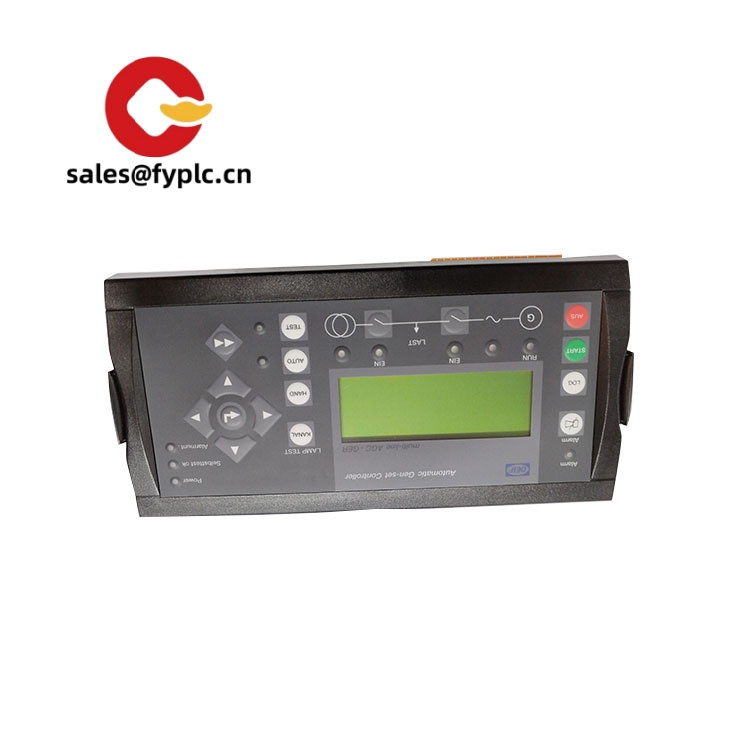
DEIF AGCGS3 – Automatic Genset Controller for start/stop, protection, and synchronising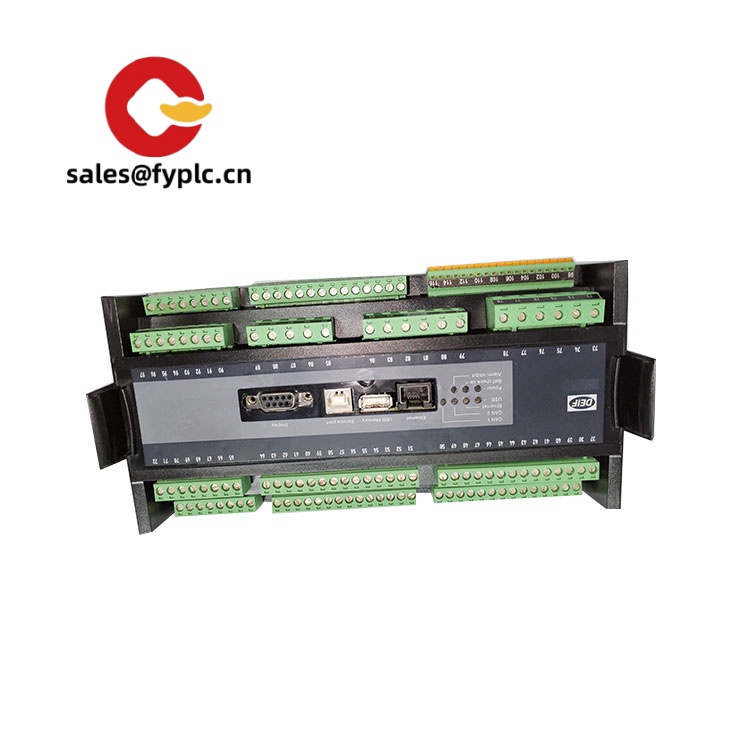
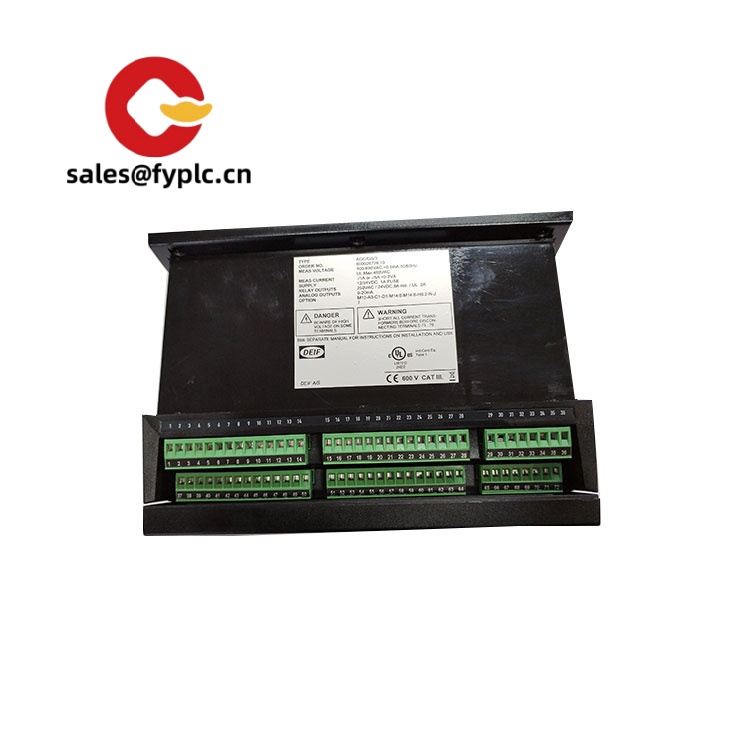
The DEIF AGCGS3 is a microprocessor-based genset controller designed for reliable start/stop sequencing, electrical protection, and—where configured—synchronising and load sharing. From my experience, it fits best when you need dependable control on single or multiple generator sets, especially where engine ECU (J1939) support and tight protection thresholds matter. You might notice that the AGCGS3 follows the well-known DEIF AGC design approach: practical I/O, clear alarming, and flexible communication for integration into existing switchboards or plant SCADA.
Company’s Order Placement Process and Guarantees
- Warranty: 365 days
- Delivery: 1 week for in-stock; no more than one month at the latest
- Payment: 50% advance payment; full payment before delivery
- Express options: FedEx, UPS, DHL
Key Features
- Start/stop automation: Handles pre-start checks, crank control, warm-up/cool-down, and safe shutdown to reduce operator workload.
- Comprehensive protections: Over/under voltage and frequency, reverse power, overcurrent, phase sequence and other typical ANSI-type protections to safeguard alternator and load.
- Synchronising & load sharing: Typically supports breaker control, kW/kVAr sharing, and bus/mains synchronisation for paralleled operation.
- 3‑phase metering: Measures generator/bus voltage and current via standard PT/CT ranges for precise control and reporting.
- Engine ECU connectivity: CAN J1939 for modern engines; access key parameters and fault codes without extra gateways.
- Flexible comms for SCADA: RS‑485 Modbus RTU and, in many cases, optional Ethernet—helps with remote monitoring and PLC integration.
- Field-friendly I/O: Digital inputs for status signals, relay outputs for breakers/alarms, and analog channels for governor/AVR where required.
- Event logs & alarms: Time-stamped events with clear alarm hierarchy; technicians typically resolve faults faster.
- Panel-mounted design: Built for switchboard integration; clear HMI improves day-to-day operation.
Technical Specifications
| Brand / Model | DEIF AGCGS3 |
| HS Code | 8537.10 (Boards/panels/consoles for electric control, ≤1000 V) |
| Power Requirements | 8–36 VDC (battery supply), typical consumption < 15 W |
| Operating Temperature | -20 °C to +70 °C (typical for DEIF AGC-class controllers) |
| Signal Input/Output Types | Voltage inputs: 3‑phase measurement up to 480 VAC L‑L; Current inputs: CT 1 A / 5 A; Digital inputs for status/protection trips; Relay outputs for breaker/alarms; Analog outputs (e.g., 4–20 mA) for governor/AVR in many cases; Speed/MPU pickup supported. |
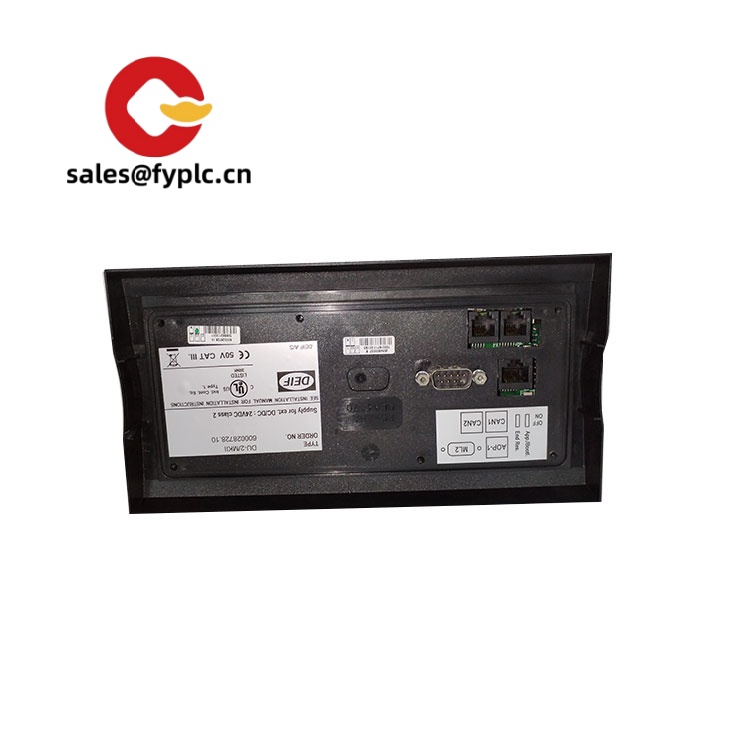
| Communication Interfaces | CAN (J1939 for engine ECUs; load-sharing CAN where configured), RS‑485 Modbus RTU; Ethernet/USB available on selected variants |
| Installation Method | Panel flush mounting in switchboard; rear terminal wiring; front-panel HMI |
| Dimensions & Weight | Panel-mounted controller form factor; typical depth ~60 mm; unit weight under 2 kg |
| Typical Protections | 27/59 (U/F), 81 O/U (freq), 32 (reverse power), 50/51 (overcurrent), phase sequence/loss, emergency stop |
Application Fields
The AGCGS3 suits critical power and prime power setups where dependable control and synchronising are key. We typically see it in:
- Data centers and hospitals needing no-break transfer and kW/kVAr sharing
- Industrial plants with multiple gensets running islanded or in parallel with the grid
- Utilities and IPPs for peak shaving and export/import control
- Commercial buildings with AMF (automatic mains failure) and load shedding
- Water/wastewater plants where remote monitoring via Modbus is preferred
A maintenance manager at a wastewater facility told us the controller’s event log “made it easy to pinpoint a reverse power trip that would have taken hours to find otherwise.”
Advantages & Value
- Reliability: DEIF’s protection philosophy and conservative design typically cut nuisance trips and unplanned outages.
- Compatibility: Works with modern ECU engines via J1939 and classic governors/AVRs—handy when fleets are mixed-age.
- Lower integration cost: Built-in synchronising/load sharing reduces external modules and wiring.
- Serviceability: Clear alarms, diagnostics, and firmware tooling help your technicians turn around issues faster.
- Scalability: Can be extended for multi‑set systems; supports SCADA/PLC integration over Modbus and CAN.
Installation & Maintenance
- Panel & environment: Mount in a ventilated switchboard (IP-rated) away from high-frequency noise sources; maintain ambient within -20 to +70 °C.
- Power & grounding: Use stable 8–36 VDC supply with proper fusing; single-point ground to minimise noise on measurement circuits.
- Wiring practices: CTs (1 A/5 A) and PT/voltage inputs must be correctly phased; use shielded twisted pairs for MPU and comms; separate power and signal cabling.
- Breaker control: Verify interlocks and feedbacks; test synchronising windows (voltage, phase angle, slip) before live paralleling.
- Routine checks: Quarterly calibration check of meters, clean terminals/HMI, back up configuration, and update firmware when validated.
- Spare parts & accessories: Keep spare CTs, an MPU pickup, and communication cables. Many sites also hold a preconfigured standby controller for fast swap.
Supporting Components (commonly paired)
- Engine speed actuator/governor and AVR for analog control loops
- CTs (1 A/5 A) and voltage sensing transformers for accurate metering
- MPU magnetic pickup for stable speed sensing
- CAN J1939 harnesses for ECU engines
- Optional DEIF synchronising/load share modules when segmenting systems or extending I/O
Quality & Certifications
- CE compliant (EMC and Low Voltage directives)
- RoHS compliant materials
- UL recognition on many AGC-series variants (availability may vary by region)
- Manufactured under ISO 9001 quality systems



Reviews
There are no reviews yet.