
Description
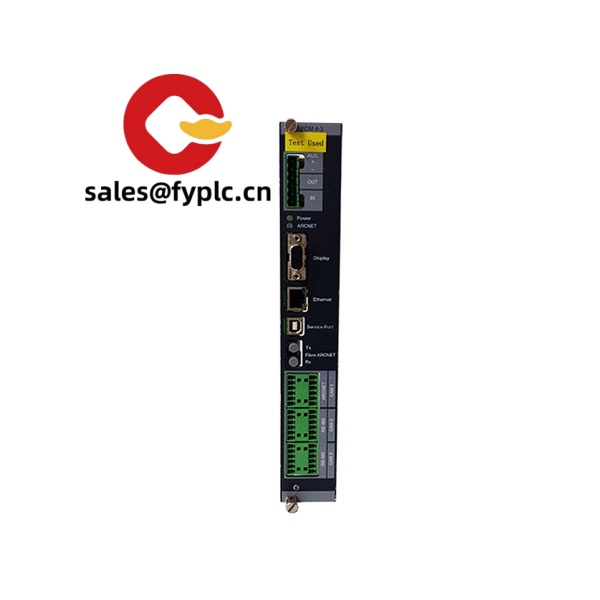
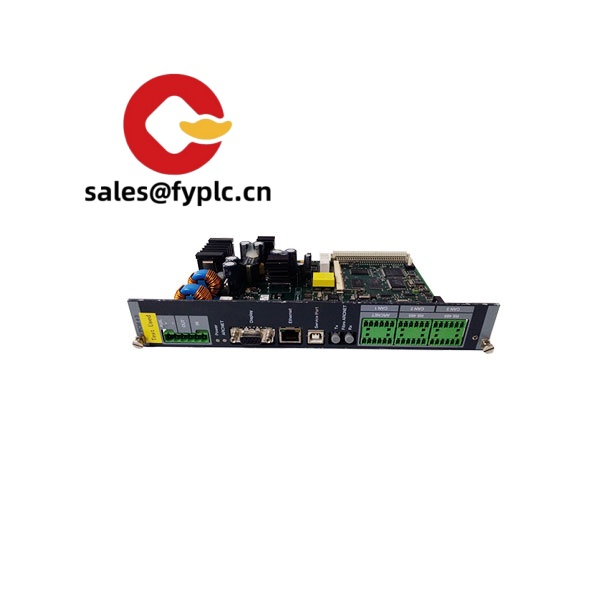
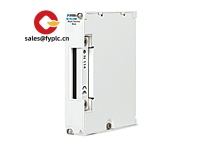
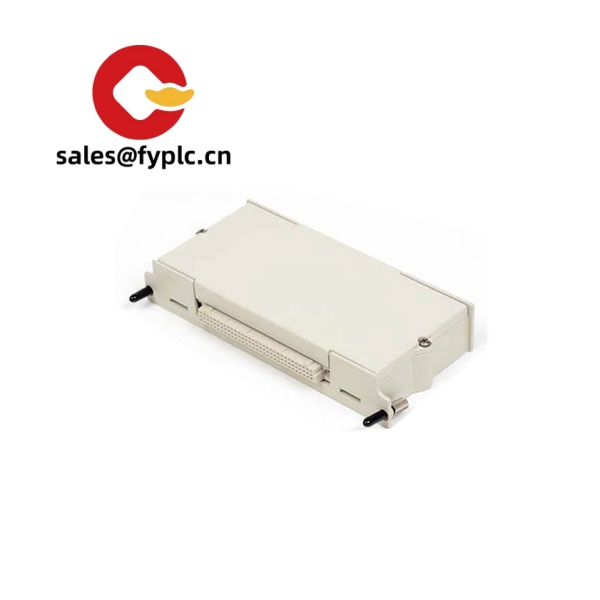
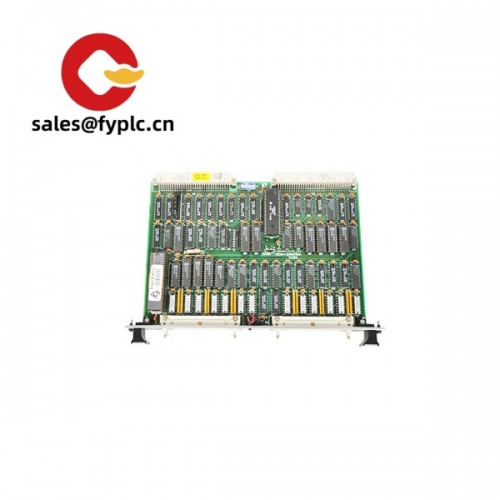
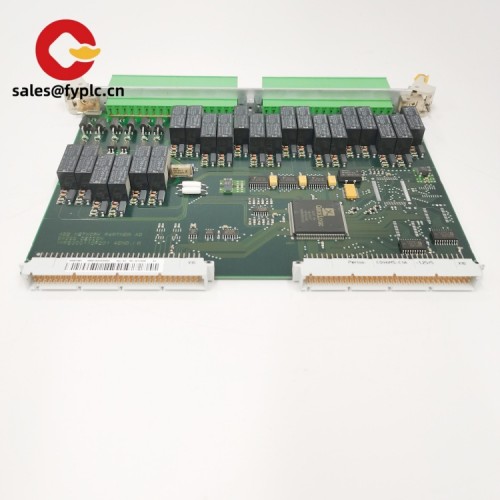
DEIF PCM4.3 – Power Control Module for Reliable Genset Paralleling and Busbar Management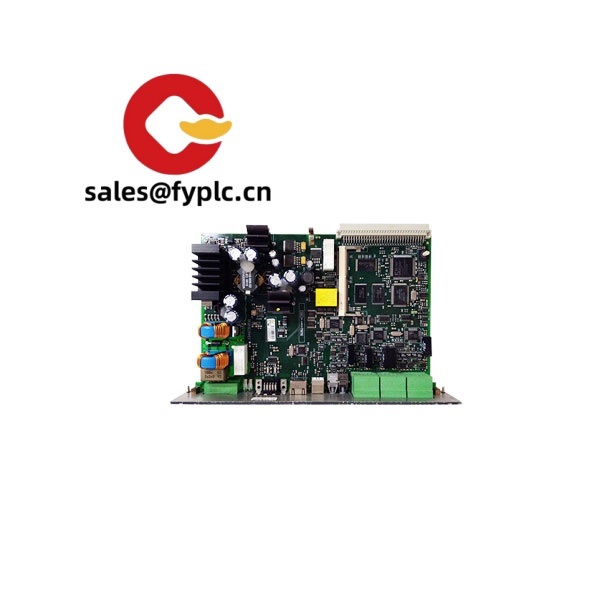
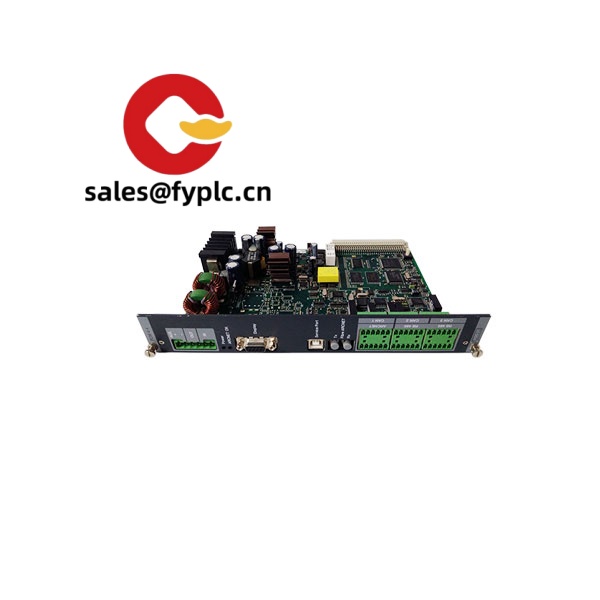
The DEIF PCM4.3 is a dedicated power control module typically used within DEIF’s PMS-4 architecture to handle synchronising, breaker control, and load sharing for generator sets and tie breakers. From my experience, PCM4-series modules are chosen when you want deterministic control, clear I/O mapping, and straightforward integration into existing switchboards—especially on marine, offshore, and plant microgrid projects where uptime matters more than bells and whistles.
You might notice that PCM4.3 fits nicely when you need fast and stable kW/kVAr load sharing across multiple gensets, seamless bus tie logic, and utility paralleling under defined limits. One thing I appreciate is how it simplifies operator routines: synchronise, close, and hand over load with predictable timing. A shipyard client told us, “Swapping a legacy controller for PCM4.3 cut our commissioning time—governor/AVR took minimal tweaking and the bus followed setpoints as expected.”
Order Placement Process and Guarantees
- Warranty: 365 days
- Delivery time: 1 week for in-stock; no more than one month at the latest
- Payment: 50% advance payment; full payment before delivery
- Express options: FedEx, UPS, DHL
Key Features
- Synchronising & breaker control – Handles genset-to-bus and bus-tie operations with safe close windows and permissives.
- kW/kVAr load sharing – Stable sharing across multiple units; supports active/reactive power balancing to maintain frequency and voltage.
- Governor & AVR interfacing – Interfaces for speed and voltage control, enabling fine-trim of frequency and voltage during island and parallel operation.
- Protection logic integration – Works with standard protections (e.g., reverse power, over/under voltage/frequency) to safeguard equipment.
- Utility paralleling – Supports import/export control and demand-limited parallel modes when tying to the mains, in many cases reducing peak charges.
- Flexible I/O – Digital and analog I/O for breaker status, permissives, measurements, and setpoint control, keeping wiring practical.
- Field-ready communications – CANbus for load sharing and coordination; RS-485 Modbus RTU for SCADA/PLC; Ethernet variants often available.
- Cabinet-friendly format – Designed for mounting in switchboards; neat terminal access simplifies installation and service.
Technical Specifications
| Brand / Model | DEIF PCM4.3 |
| HS Code | 853710 (Boards, panels, consoles for electric control, ≤1000V) |
| Power Requirements | 24 VDC nominal (commonly 18–32 VDC in many installations) |
| Signal Input/Output Types | Digital inputs/outputs, relay outputs, analog inputs (e.g., 4–20 mA/0–10 V), analog outputs for governor/AVR control |
| Communication Interfaces | CANbus (load share/control), RS-485 Modbus RTU; Ethernet/Modbus TCP commonly available on selected builds |
| Installation Method | Switchboard installation; DIN-rail or panel-integrated mounting as per cabinet design |
| Application Scope | Genset paralleling, bus-tie control, island/utility parallel operation, marine/offshore and industrial microgrids |
Related or Supporting Products
- DEIF AGC-4 Mk II – All-in-one genset controller with integrated power management; often used when you want a single-unit solution instead of distributed modules.
- DEIF AGC 150 – Compact controller for single genset or simple paralleling tasks; a cost-effective option for smaller switchboards.
- DEIF PPM 300 – Power and protection management platform suited for more advanced plant/marine protection schemes and SCADA integration.
- PMS-4 system modules (e.g., I/O expansion) – For projects that need extra inputs/outputs or additional breaker sections tied into the same scheme.
Installation & Maintenance
- Cabinet & environment – Install in a clean, dry switchboard; maintain adequate ventilation. An IP54 or better cabinet is typically used for marine/industrial areas.
- Wiring practices – Separate power and signal cabling; use shielded twisted pair for CANbus and Modbus RS‑485; keep sensor and CT/PT wiring short and properly grounded.
- Breaker interlocks – Implement mechanical/electrical interlocks and permissives (dead bus check, sync check) to prevent misclose events.
- Commissioning tips – Verify CT ratios/polarity and PT scaling; confirm governor/AVR gain settings; test load share under low and high load steps.
- Routine upkeep – Inspect terminals for tightness quarterly; clean dust from cabinet; back up parameters; review logs; plan firmware updates during scheduled shutdowns.
- Calibration – Check analog channels and any metering inputs annually; validate protective setpoints after any system change.
Quality & Certifications
- CE marking – Conforms to applicable EU directives for control equipment.
- RoHS – Typically compliant with hazardous substance restrictions.
- ISO 9001 manufacturing – Produced under quality management standards.
- Marine approvals – Many DEIF control modules are supplied with or designed to meet marine class approvals (e.g., DNV, ABS); availability depends on exact build and application.
- Manufacturer’s warranty – 12 months from date of shipment as provided above.
If you’re migrating from a legacy paralleling scheme, PCM4.3 seems to be a practical step—minimal footprint, clear logic, and straightforward tie-ins to existing SCADA. We can review your single-line and recommend the cleanest integration path.

Reviews
There are no reviews yet.