
Description
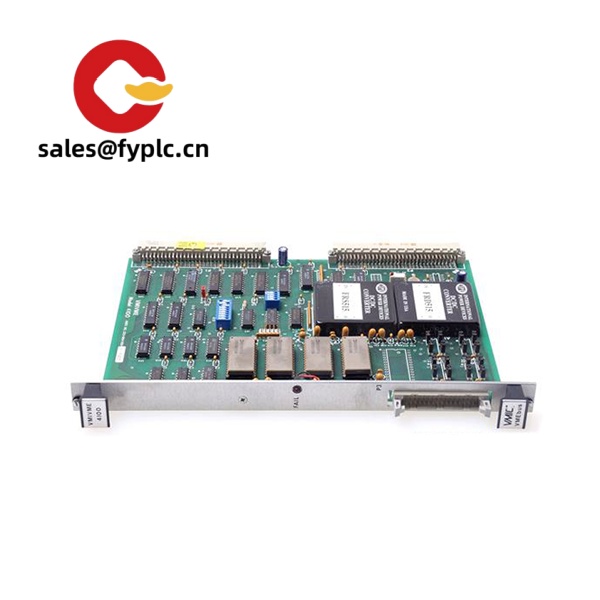
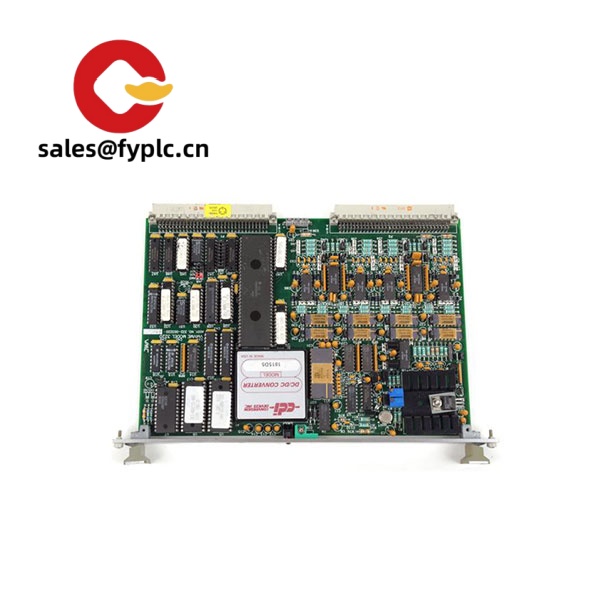
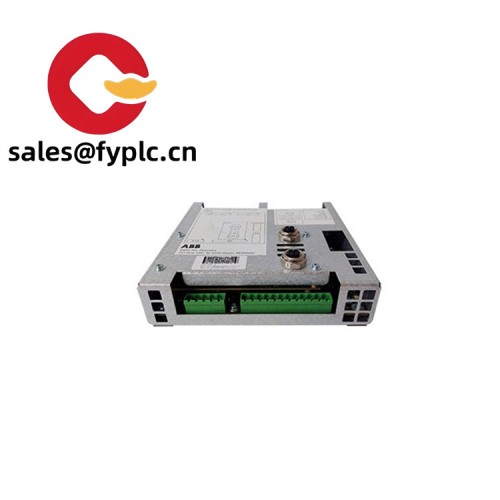
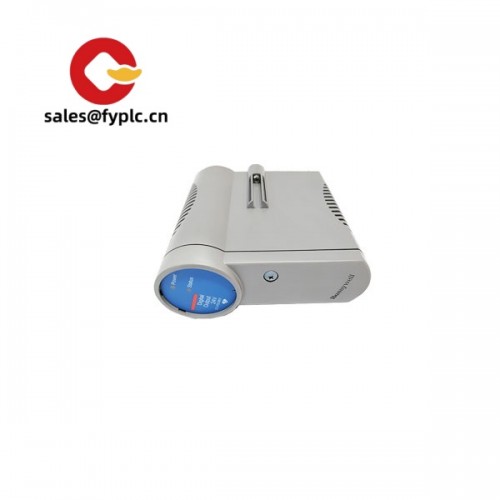
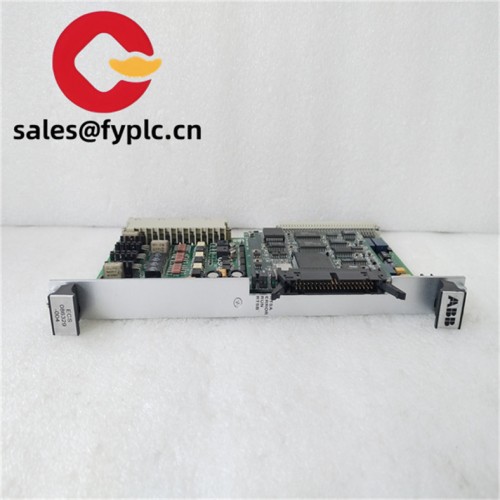
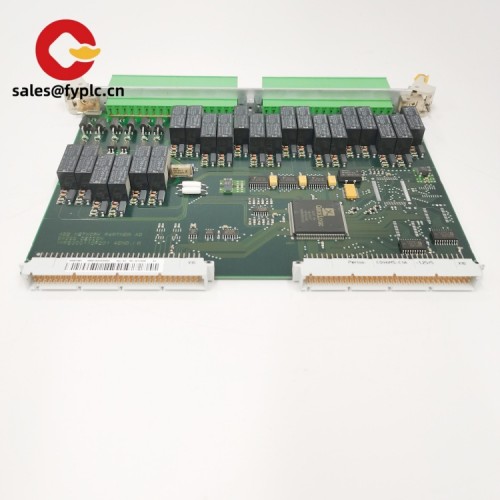
DEIF RMC-131D – Compact serial communication module for industrial control cabinets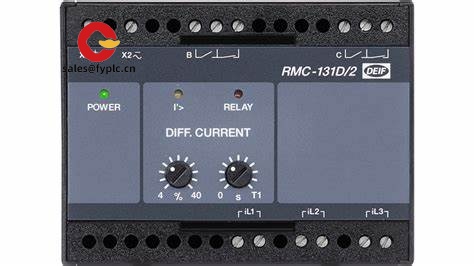
The DEIF RMC-131D is typically used as a small-footprint communication/remote interface module in control panels, where reliable RS‑485/RS‑232 connectivity and cabinet-grade robustness matter more than flashy specs. From my experience, it’s the kind of module engineers add when they need a clean way to pull Modbus RTU devices into a DCS/PLC or a drive cabinet without reworking the whole panel. You might notice that it’s built for day-to-day industrial reality—stable 24 VDC power, good EMC behavior, and clear status LEDs so troubleshooting doesn’t drag on.
Order Placement Process and Guarantees
- Warranty: 365 days
- Lead time: 1 week if in stock; no more than one month at the latest
- Payment: 50% advance payment; full payment before delivery
- Express delivery: FedEx, UPS, DHL
Key Features
- RS‑485/RS‑232 connectivity – Suited for linking Modbus RTU/ASCII instruments, drives, or panel meters. In many cases it acts as a simple gateway node between field devices and a host controller.
- 24 VDC industrial power – Runs from a cabinet power bus (typically 18–30 VDC), which makes integration straightforward in brownfield panels.
- Galvanic isolation on serial ports – Helps reduce ground loops and noise, especially on long RS‑485 runs across the plant.
- Compact footprint – Space-efficient for crowded cabinets; easier to keep clearance and bend radius neat on DIN rail.
- Status LEDs for quick diagnostics – You can see power, link, and activity at a glance; typically cuts troubleshooting time when a line goes silent.
- EMC-hardened design – Built for industrial environments with switching loads and VFDs nearby; shielded wiring practices recommended.
- Flexible installation – Usually DIN-rail or panel-mounted inside a grounded enclosure to meet cabinet standards.
Technical Specifications
| Brand / Model | DEIF RMC-131D |
| HS Code | 8537.10 (Programmable controllers and similar control apparatus) |
| Power Requirements | 24 VDC nominal (typical 18–30 VDC), consumption usually < 5 W |
| Dimensions & Weight | Approx. 130 × 100 × 30 mm; ~0.20 kg (typical for this series) |
| Operating Temperature | 0 to +55 °C (standard cabinet environment) |
| Signal Input/Output Types | Serial communication lines (RS‑485 2/4‑wire, RS‑232); no direct analog inputs |
| Communication Interfaces | 1 × RS‑485, 1 × RS‑232; commonly used with Modbus RTU/ASCII |
| Installation Method | DIN-rail or panel mounting inside a grounded control cabinet |
Practical note: A maintenance engineer told us he swapped this module into an older panel and had it reading four Modbus energy meters over RS‑485 by lunch. The LED behavior made it clear when termination was missing on the far end—small things that save hours in the field.
Related or Supporting Products
- DEIF CI854A (PROFIBUS DP interface) – If your host controller prefers PROFIBUS over serial, this is a common path.
- DEIF CI871 (PROFINET) – For Ethernet-based plant networks where you want deterministic cyclic data instead of serial polling.
- Shielded RS‑485 cable (120 Ω) and termination resistors – Essential for long multi-drop lines and clean signal integrity.
- 24 VDC industrial power supply (with PELV) – Stabilizes the control power bus feeding communication modules.
- Surge/EMC protection modules – Helpful in cabinets with VFDs, welders, or heavy inductive loads nearby.
Installation & Maintenance
- Cabinet standards – Mount on DIN rail or panel in an enclosure meeting IP54 or better for dusty areas. Keep low-voltage signal wiring segregated from power.
- Ventilation – Provide at least 25 mm clearance on sides; avoid mounting above heat sources. Typical ambient up to 55 °C.
- Wiring – Use shielded twisted pair for RS‑485; ground the shield at one end to avoid loops. Add 120 Ω termination at both ends of the bus and biasing where required.
- Grounding – Bond DIN rail to PE; keep cable shields continuous through glands. Proper bonding usually reduces intermittent comms issues.
- Safety – Power down the cabinet before wiring changes. Verify 24 VDC polarity and isolate before touching field circuits.
- Routine maintenance – Inspect connectors quarterly, re-seat pluggable terminals if vibrations are present, and review LED/event logs for line quality. Firmware/config backups should be kept with the panel documentation.
- Calibration – Not typically required for communication modules, but it helps to validate serial timing and termination during annual shutdowns.
Quality & Certifications
- Certifications: CE marking; RoHS compliant. UL/cUL listing is commonly available on ABB cabinet modules.
- Manufacturing quality: Produced under ISO 9001 quality systems.
- Warranty: 365-day warranty as part of our supply commitment.
If you’re replacing a legacy serial gateway or adding Modbus devices to an existing PLC/DCS, the DEIF RMC-131D is, in many cases, a tidy way to keep wiring simple and diagnostics obvious. One thing I appreciate is how predictable it behaves on RS‑485 when termination and bias are set correctly—you get stable comms without chasing ghosts.

Reviews
There are no reviews yet.