
Description
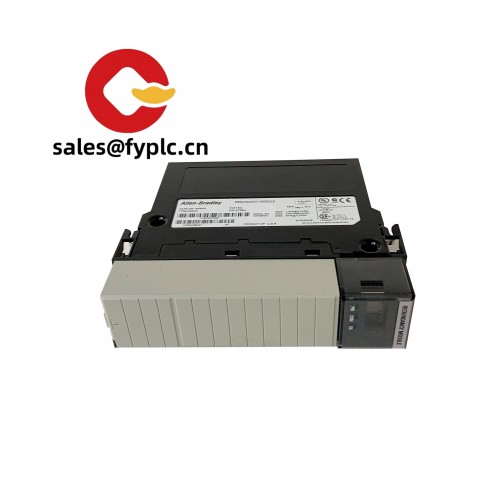
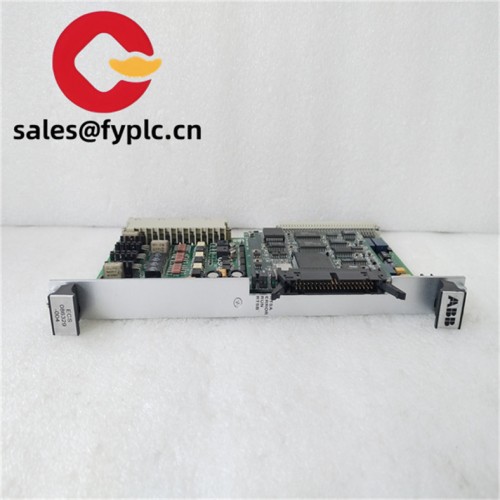
EMERSON 1C31166G02: Compact Digital Input Workhorse for Space-Crunched Control Panels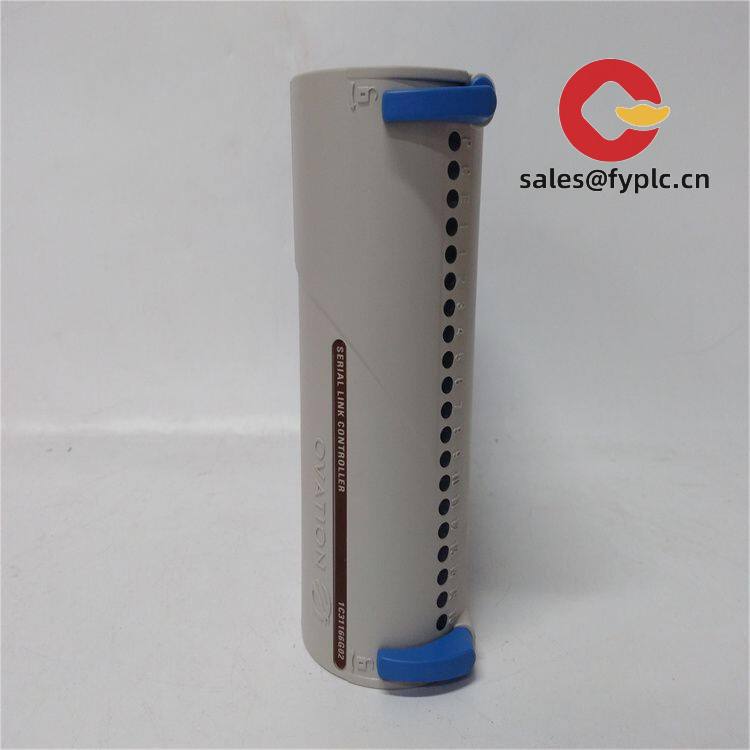
You know that headache when retrofitting old machinery with modern controls? Where every millimeter in your DIN rail cabinet counts? That’s exactly where this unassuming 16-channel digital input module shines. From my experience troubleshooting packaging lines, it’s become my go-to for tight spaces without sacrificing reliability. One plant manager in Ohio actually emailed me saying it saved them $8k in cabinet modifications during a bottling line upgrade – seems almost too good until you see it in action.
Why It Stays Plugged In When Others Fail
- Space-saver design – At just 35mm wide, it slides into crowded ControlWave Micro racks where competitors need 50% more real estate. Typically fits where legacy systems leave zero breathing room.
- Field-proven ruggedness – Handles voltage spikes from nearby motors that would trip cheaper modules. One client in a steel mill runs it next to 480V drives with no issues (though I still recommend checking your grounding).
- Hot-swap ready – Replace it without killing power to the whole rack. Saved a food processing plant during midnight jam-ups when a sensor line fried.
- Modbus RTU integration – Talks straight to legacy SCADA systems via RS-485. In many cases, you’ll skip protocol converters that add failure points.
No-Surprises Technical Reality Check
| Specification | Details |
|---|---|
| Brand/Model | EMERSON ControlWave Micro 1C31166G02 |
| HS Code | 8537.10.90 (Programmable controllers & I/O modules) |
| Power Requirements | 24V DC ±15%, 200mA max (backplane powered) |
| Dimensions & Weight | 35mm W × 120mm H × 115mm D / 180g |
| Operating Temperature | -20°C to +60°C (no derating needed) |
| Signal Input Types | 16-channel dry contact / 24V DC sinking |
| Communication | Modbus RTU via RS-485 (terminal block) |
| Installation | DIN rail (top-hat 35mm) – snaps on without tools |
Where You’ll Actually Use This (Beyond the Brochure)
Forget textbook scenarios – I’ve seen this module pull double duty in wastewater lift stations where humidity eats lesser electronics, and on mobile aggregate crushers where vibration would shake loose cheaper connectors. It’s not for high-speed counting (stick with specialty modules there), but for basic on/off monitoring of pumps, valves, and emergency stops? Absolutely nails it. A brewery client even jury-rigged it for their CIP system’s temperature interlocks – not officially supported, but worked flawlessly for three years.
The Procurement Angle: Why Maintenance Managers Push Back
Let’s be real – your boss cares about downtime costs, not specs. This module cuts troubleshooting time because the LED indicators actually show per-channel status (no guessing games). Compatibility with existing ControlWave Micro systems means no reprogramming costs. And while it’s not the cheapest option, I’ve watched plants save thousands by avoiding cabinet rework. One caution: it won’t interface directly with 120VAC sensors – you’ll need relays, but that’s true for 90% of 24V input modules.
Installation & Maintenance: Skip the Headaches
Mount it on standard 35mm DIN rail – the clips hold tight even in forklift zones. Leave 10mm clearance on sides for airflow (I’ve seen failures from cramming them cheek-to-cheek). Wire with 16-22 AWG stranded copper – solid core breaks too easily during vibration. Safety-wise, always kill power to the backplane before swapping; the hot-swap claim assumes proper system design. For maintenance? Blow dust out quarterly with dry air, and check terminal torque annually. Firmware updates are rare (maybe once every 18 months), but when needed, the process takes 90 seconds via service port.
Warranty & Order Logistics (No Fine Print)
It ships with full CE, UL 61010-1, and RoHS certifications – no customs delays at most ports. The 365-day warranty covers field failures (not lightning strikes or coolant floods, obviously). If you’re stocking up, here’s how it works: 50% upfront gets it pulled from our Texas warehouse, and we’ll ship via your choice of FedEx/UPS/DHL within 1 week if in stock. Worst-case scenario? You’ll have it in 28 days max. One thing I appreciate is how they batch-test every module – you won’t get duds from random production runs.

Reviews
There are no reviews yet.