
Description
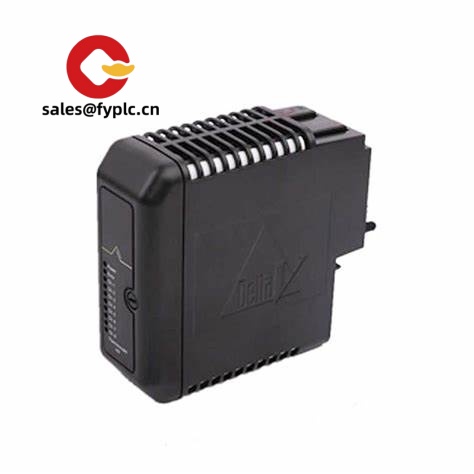
Emerson CE4003S2B3 – S-series CHARM I/O Card (CIOC) for DeltaV Electronic Marshalling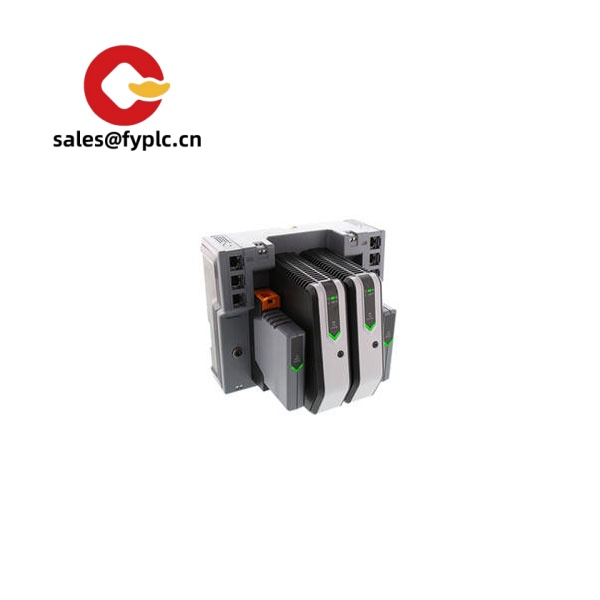
The Emerson CE4003S2B3 is used in DeltaV Electronic Marshalling to connect field I/O through CHARMs to the control network. From my experience, this CIOC is the piece that lets you standardize cabinet layouts, mix signal types on the same carrier, and still keep the network side clean and redundant. You might notice that it typically sits on the CHARM base, handles the network traffic, and leaves all the signal conditioning to the installed CHARMs—very tidy for brownfield expansions and tight cabinets.
Company’s Order Placement Process and Guarantees
- Warranty: 365 days (standard)
- Lead time: In-stock items typically ship in 1 week; no more than 1 month at the latest
- Payment terms: 50% advance payment; full payment before delivery
- Express options: FedEx, UPS, DHL
Key Features
- Electronic Marshalling backbone: Sits on the CHARM base to interface field signals to the DeltaV network with minimal wiring changes.
- Redundant Ethernet design: Typically supports dual network ports for resilient DeltaV communications; copper or fiber variants exist by build.
- Multi-signal flexibility via CHARMs: Mix AI, AO, DI, DO, HART, RTD, and thermocouple CHARMs in the same carrier—no rewiring when channel types change.
- Cabinet-friendly footprint: Compact module on a DIN-rail base, easing retrofits and modular expansions.
- Hot-swap practicality: In many cases, replacement can be done without shutting down adjacent channels, helping reduce downtime.
- Lifecycle continuity: Designed for DeltaV S-series environments, which typically simplifies spare strategy and future upgrades.
Technical Specifications
| Brand / Model | Emerson CE4003S2B3 (S-series CIOC for DeltaV Electronic Marshalling) |
| HS Code | 8537.10 (Switchgear/industrial control assemblies; reference for customs classification) |
| Power Requirements | 24 VDC nominal (supplied via carrier; redundant feeds commonly used) |
| Dimensions & Weight | Compact module footprint for DIN-rail CHARM bases; lightweight (< 1 kg) |
| Operating Temperature | Typically 0 to 55°C (control cabinet environment) |
| Signal Input/Output Types | Determined by installed CHARMs: AI/AO (incl. HART), DI/DO, RTD, thermocouple, pulse/frequency (as supported by CHARM type) |
| Communication Interfaces | Dual Ethernet ports for redundant DeltaV communications; copper (RJ45) or fiber options depending on variant |
| Installation Method | Mounts on the DeltaV CHARM base (DIN-rail); wiring to terminal blocks on the carrier/base |
Application Fields
This model is typically selected for process units where mixed-signal I/O is expected and cabinet space is tight. Common use cases include:
- Oil & Gas (wellpads, compressor stations, terminals) where remote marshalling cuts field wiring hours
- Chemical & Petrochemical units needing late-binding of I/O types during commissioning
- Power & Water utilities standardizing on DeltaV S-series I/O cabinets
- Life sciences skids with frequent change orders and mixed analog/HART/temperature signals
- Mining & Metals expansions that benefit from modular, hot-swappable channel changes
Advantages & Value
- Reliability: Redundant networking and proven S-series hardware help reduce single-point failures.
- Compatibility: Works within the DeltaV Electronic Marshalling ecosystem; straightforward with existing carriers and CHARMs.
- Cost control: Late I/O characterization often avoids rework; fewer marshalling cabinets in many cases.
- Maintainability: Clear separation between network card (CIOC) and channel conditioning (CHARMs) makes diagnosis simpler.
- Supply assurance: From a procurement angle, standardized S-series spares and predictable firmware support ease lifecycle planning.
Installation & Maintenance
- Cabinet standards: Install in a clean, ventilated control cabinet. Maintain clearances for airflow and service access.
- Power & grounding: Use a stable 24 VDC supply, with redundant feeds where possible. Bond cabinet ground; keep shield terminations consistent.
- Network wiring: Route Ethernet separately from high-voltage cabling. For redundant networks, land both ports per DeltaV topology guidance.
- ESD and handling: Use ESD protection when inserting/removing the CIOC. Avoid condensation and dust buildup around connectors.
- Routine checks: Inspect connectors quarterly, verify status LEDs, and back up configuration. Firmware updates should follow change control.
- Commissioning tip: Map channels in DeltaV Explorer after installing CHARMs; it appears that late changes are hassle-free compared to traditional marshalling.
Commonly Paired Components (for reference)
- CHARM Base/Carrier: DIN-rail base that holds the CIOC and multiple CHARMs; provides field terminal points and power distribution.
- CHARMs (Characterization Modules): AI 4–20 mA (HART), AO 4–20 mA (HART), DI (dry contact / NAMUR), DO (relay / solid-state), RTD, thermocouple, and pulse/frequency types.
- Redundant 24 VDC supplies: Typically deployed for CIOC and carrier power reliability.
- Field power risers/terminal blocks: For clean field wiring segregation and easier troubleshooting.
Quality & Certifications
- CE marked
- UL / CSA compliance (model- and region-dependent)
- RoHS
- Manufactured under ISO 9001 quality systems
- 365-day warranty (our supply policy)
If you want, we can confirm the exact CE4003S2B3 network port style (copper vs fiber) for your installed base and match the carrier/CHARMs set accordingly—this avoids mismatches during a shutdown window.



Reviews
There are no reviews yet.