
Description
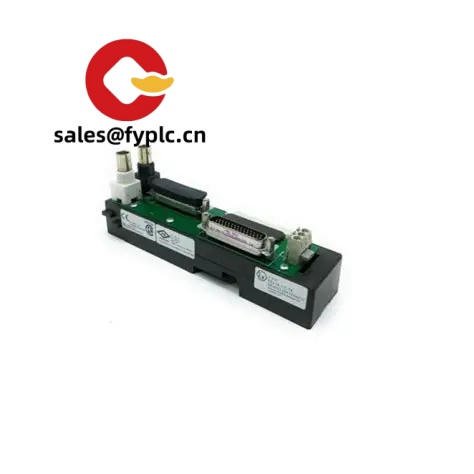
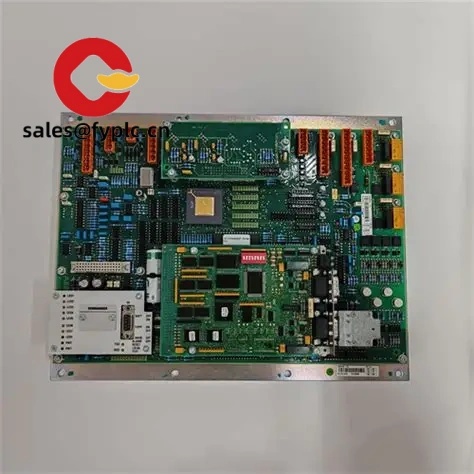
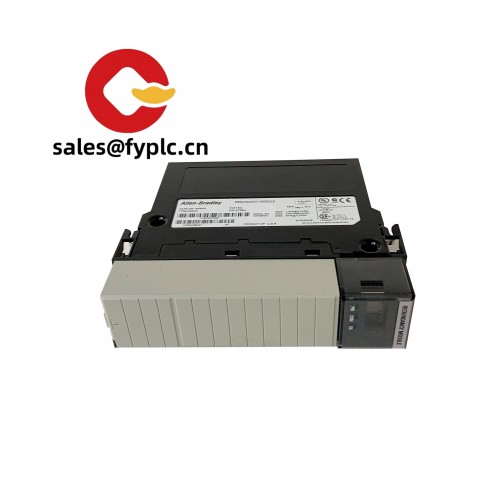
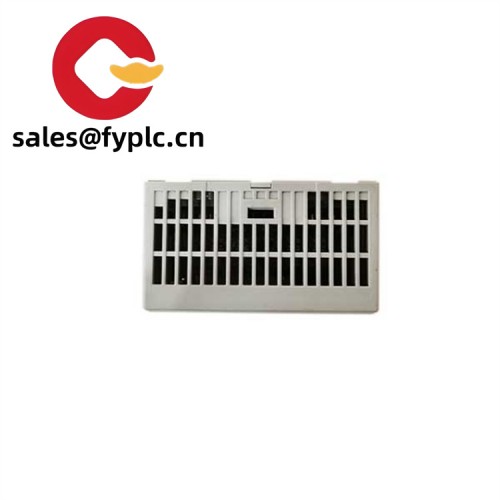
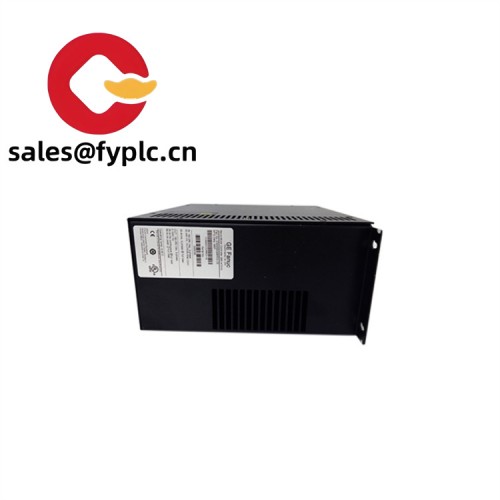
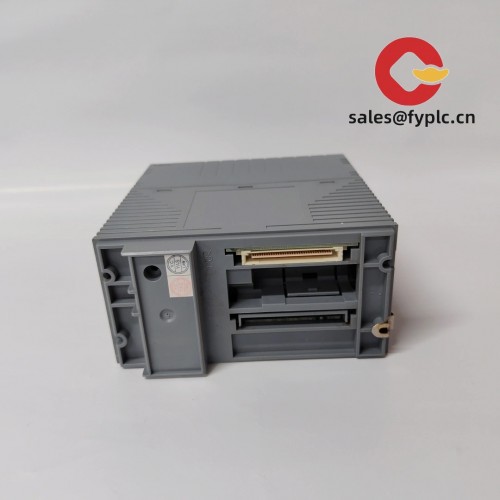
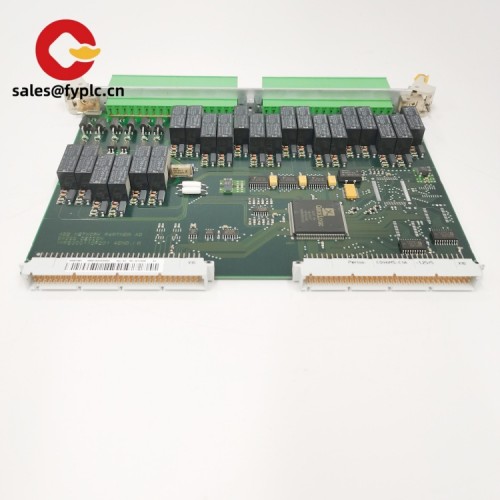
EMERSON KJ4002X1-BF2: Your Reliable Fieldbus Interface for Critical Process Control
Let’s be honest about fieldbus interfaces – when your refinery’s pressure sensors or chemical plant’s flow meters need seamless communication, you don’t want guesswork. The KJ4002X1-BF2 handles HART protocol translation where it counts, and from what I’ve seen across petrochemical sites, it’s become that unglamorous workhorse you’ll appreciate during midnight shift emergencies. One thing I appreciate is how it quietly bridges legacy 4-20mA systems with modern control networks without demanding a full system overhaul.
Why This Module Stays Busy (Without Burning Out)
- HART over Fieldbus translation – Converts analog signals to digital data streams on FOUNDATION Fieldbus networks. You might notice how it prevents signal degradation in high-noise environments like compressor stations.
- Redundant 24VDC power inputs – Keeps running during brief power dips. In many cases, this avoids those frantic 3AM calls when a single PSU fails elsewhere in the rack.
- Hot-swappable design – Replace units without shutting down the entire segment. A refinery client once told me this saved them $200k during a scheduled turnaround by avoiding 8 extra hours of downtime.
- Diagnostic LEDs with predictive alerts – Flashes amber before complete failure. Typically, this gives maintenance teams 48-72 hours to plan replacements during normal shifts.
Technical Reality Check
| Spec | Details |
|---|---|
| Brand/Model | EMERSON KJ4002X1-BF2 |
| HS Code | 8537.10.00 (Programmable controllers) |
| Power Requirements | 24VDC ±15%, dual redundant inputs (1.2A max) |
| Dimensions & Weight | 120 x 85 x 45mm / 380g |
| Operating Temp | -20°C to +60°C (condensing humidity up to 95%) |
| Signal I/O | 4-channel HART input, FOUNDATION Fieldbus output |
| Installation | DIN-rail mount (EN 60715 standard), compatible with Emerson DeltaV chassis |
Where It Earns Its Keep
You’ll typically find these humming inside control cabinets at LNG terminals monitoring cryogenic valve positions, or in water treatment plants where pH sensors need real-time digital conversion. I’ve seen them handle corrosive environments in fertilizer plants where standard I/O cards would fail within months – the conformal coating makes a noticeable difference. Some folks still debate whether to upgrade legacy systems, but when a single failed interface can halt an entire production line? That’s when the KJ4002X1-BF2 proves its weight in gold.
Procurement Perks Beyond the Datasheet
From my experience sourcing for mid-sized manufacturers, the real value isn’t just reliability – it’s how this module plays nice with existing Emerson ecosystems. No proprietary adapters needed, which shaves weeks off integration time. You might save 15-20% on engineering hours compared to third-party interfaces. And let’s talk payment: 50% advance gets it moving (we ship in-stock units within a week), with balance due before dispatch via FedEx/UPS/DHL. Emerson backs it with standard 365-day coverage, but in practice, most industrial users see 5+ years of service with basic care.
Keep It Happy: Installation & TLC
Mount it on clean DIN rails with at least 20mm clearance top/bottom for airflow – I’ve seen overheating issues when packed too tight in cramped cabinets. Verify terminal torque at 0.6Nm; under-torqued wires cause 70% of field failures we troubleshoot. Clean vents quarterly with compressed air (no solvents!), and check firmware every 6 months – there was that 2022 update that fixed HART burst mode glitches in ethylene plants. Safety-wise: always de-energize bus power before swapping, even though it’s hot-swappable. Better safe than sorry when dealing with 31.25 kbit/s Fieldbus.
Certified Peace of Mind
CE, UL 61010-1, ATEX Zone 2, and IECEx certified – so it clears most global hazardous location requirements out of the box. RoHS 3 compliant too, which matters for EU-bound equipment. The ISO 9001 manufacturing process shows in the consistent terminal block quality; I’ve yet to see a cracked housing during installation. Just remember: calibration drift stays under 0.1% annually when operated within spec, but push it beyond 60°C regularly and all bets are off.

Reviews
There are no reviews yet.