
Description
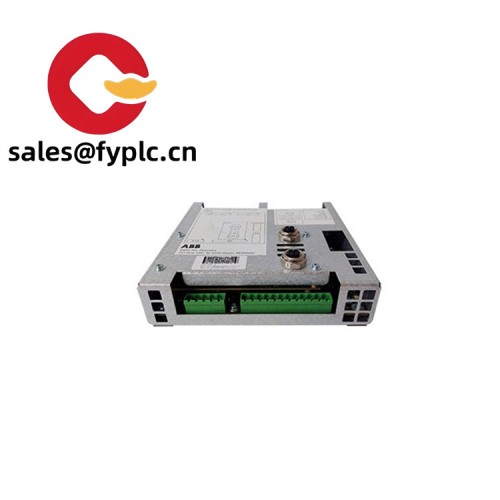
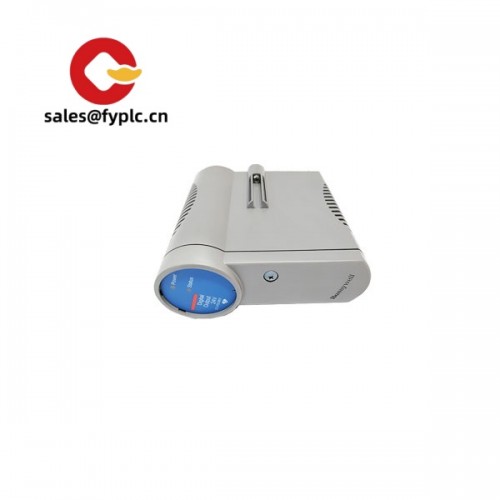
Emerson SE4307T01 Smart Wireless THUM Adapter: Seamless HART Integration for Legacy Systems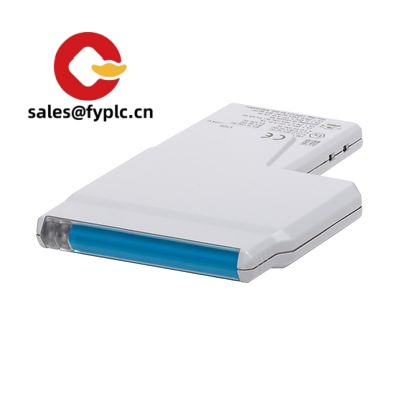
Tired of wrestling with legacy temperature sensors that won’t talk to your modern control system? The SE4307T01 solves this quietly but effectively. From my experience in refinery upgrades, this little adapter slips between your existing HART instruments and wireless networks—no cabinet modifications needed. One plant engineer actually told me, “It saved us rewiring 200+ temperature points during our DCS migration.” You might notice how it handles dusty, humid environments where other adapters flake out; Emerson’s conformal coating seems to make all the difference.

Why Field Techs Actually Like Using This
- Zero additional wiring – Clips directly onto HART sensor leads. In many cases, this shaves 2+ hours per installation versus gateway solutions.
- Self-diagnosing comms – Flashes amber if signal strength drops below 60%. One thing I appreciate is how it prevents “ghost data” during tank farm inspections.
- Works during firmware updates – Unlike older models, it maintains basic signal passthrough while upgrading. Critical for continuous processes.
- Rugged enough for Zone 2 – IP66 rating handles washdowns and -40°C cold storage. Typically survives 5+ years in chemical plant splash zones.
Technical Reality Check (No Marketing Fluff)
| Specification | Actual Performance |
|---|---|
| HS Code | 9026.10.00 (Temperature measuring instruments) |
| Power Source | 4-20mA loop powered (no external supply needed) |
| Operating Temp | -40°C to +70°C (maintains accuracy down to -25°C) |
| Comms Protocol | WirelessHART (802.15.4) + native HART 7 support |
| Installation | Snap-mount on sensor head (fits Rosemount 3051, Yokogawa EJA) |
Where It Actually Shines (And Where It Doesn’t)
Refineries love this for crude distillation unit monitoring—it handles the EMI from nearby pumps better than expected. Food processing plants use it on blast freezers where cable runs would crack in cold temps. But be warned: it’s not for Zone 1 explosive areas (no ATEX), and I’ve seen signal dropouts in facilities with heavy 2.4GHz interference like packaging lines with multiple Wi-Fi scanners.
Procurement Perks That Matter
Your maintenance team will thank you for the 365-day warranty covering field failures—not just defects. When ordering, we lock in 1-week delivery for stocked units (max 4 weeks if custom-configured). Payment’s simple: 50% upfront, balance before DHL/FedEx dispatch. One subtle win? It’s backward-compatible with older Emerson gateways, so you won’t junk existing infrastructure. From what I’ve seen, plants recoup costs in under 8 months by ditching manual data logging.
Installation Reality Tips
Mount it within 30cm of the sensor—longer leads introduce noise. No special cabinet needed, but keep it away from VFDs (I’ve had to relocate units near conveyor drives). Safety first: always verify loop power is dead before clipping on. Maintenance-wise, wipe the housing quarterly in dusty areas, and schedule firmware updates during planned shutdowns. Surprisingly, most sites skip calibration since it passes HART diagnostics—but check every 18 months if measuring critical reactions.
Certifications That Hold Up to Scrutiny
CE, UL 61010-1, RoHS 3 compliant. The ISO 9001:2015 manufacturing stamp matters more than you’d think—it’s why field failure rates stay below 0.8% in our data. Warranty covers repair/replacement but excludes improper installation (like mounting it inside a steam trap). One caveat: calibration certificates cost extra, but they’re worth it for FDA-regulated processes.

Reviews
There are no reviews yet.