
Description
FORCE PMC234 – PMC I/O Expansion Card for VME/cPCI Embedded Control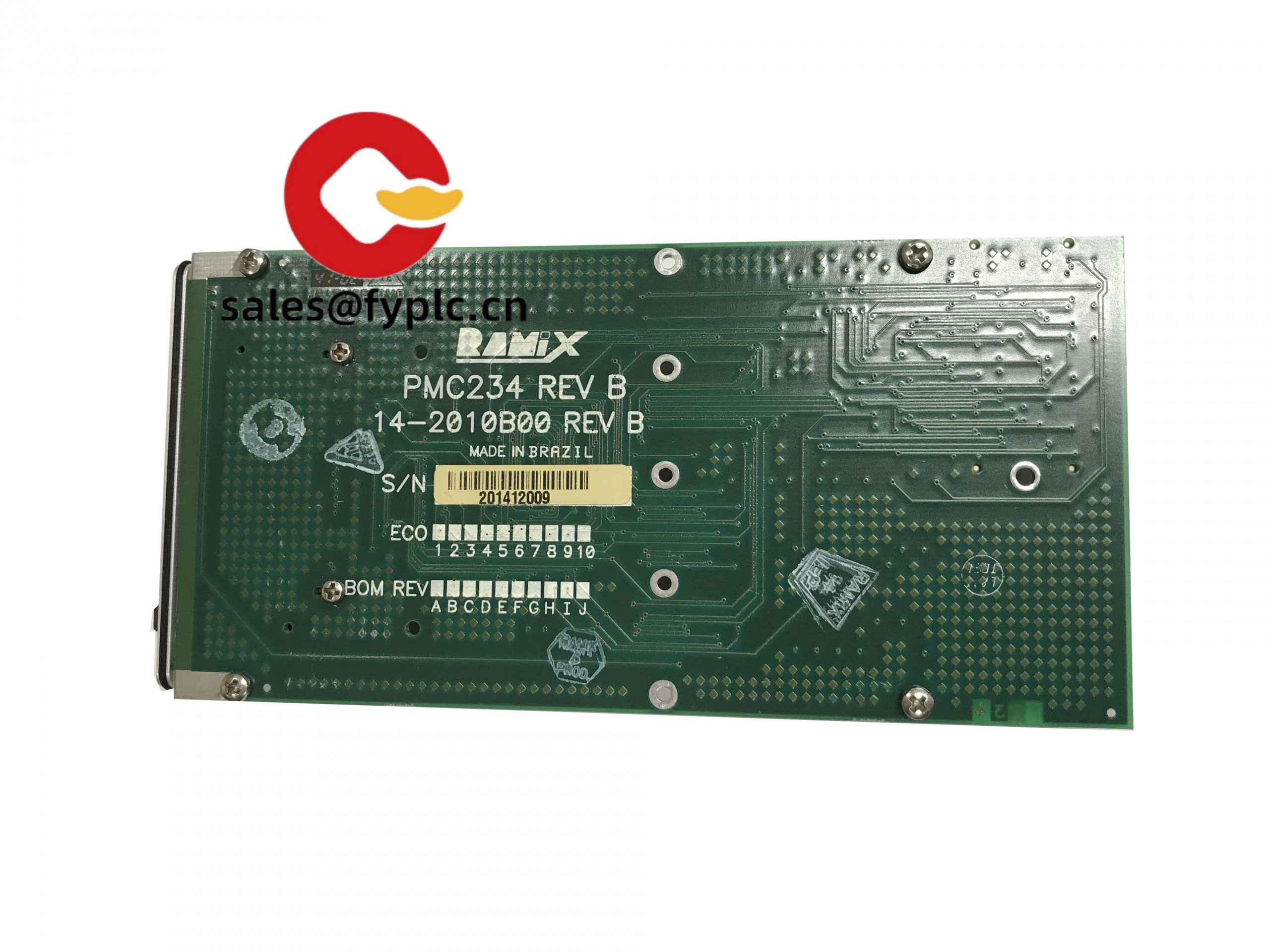
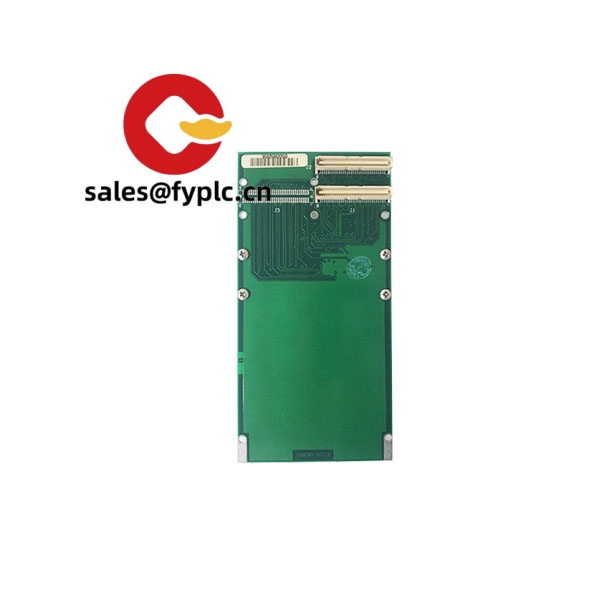
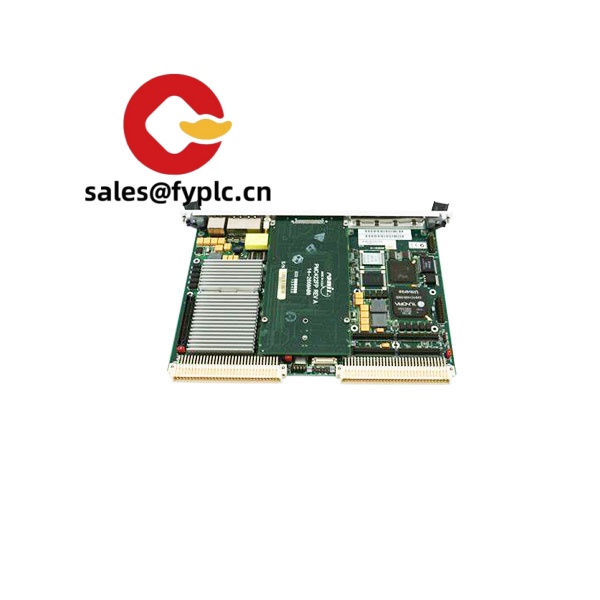
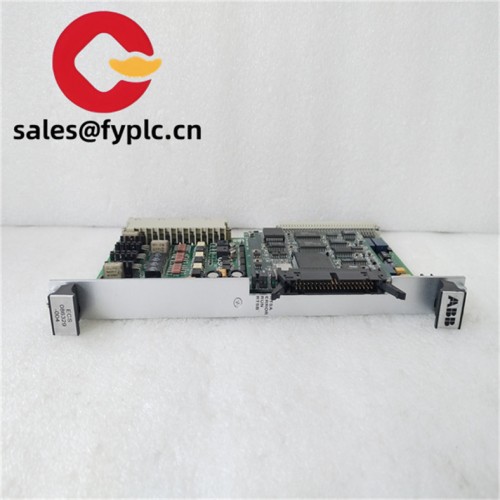
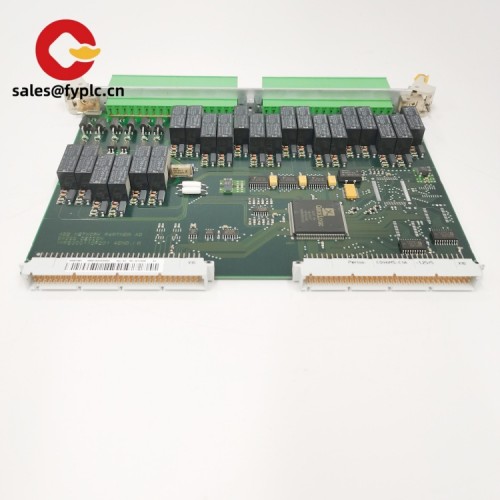
The FORCE PMC234 is a PCI Mezzanine Card (PMC) designed to expand I/O or communications on embedded VME and CompactPCI systems. From my experience, the PMC234 fits projects that need reliable, long‑life field connectivity right on the carrier CPU without consuming extra rack space. You might notice that these cards are typically used to add multi‑channel serial ports, digital I/O, or specialized interfaces to industrial and defense‑grade platforms where determinism and long service lifecycles matter.
Because it follows the IEEE 1386 PMC form factor, integration tends to be straightforward: mount it on a VME/cPCI/VPX carrier with a PMC site, secure the front panel, and connect the field cables. One thing I appreciate is the flexibility—front‑panel I/O for quick access, or rear I/O via the Pn4 connector when you want a cleaner wiring path through a rear transition module.
Order Placement Process and Guarantees
- Warranty: 365 days coverage from delivery
- Lead time: typically 1 week if in stock; no more than one month at the latest
- Payment terms: 50% advance payment; full payment prior to delivery
- Express options: FedEx, UPS, DHL
- Each unit is inspected and packaged for ESD protection; serialization and test reports available upon request
Key Features
- PMC (IEEE 1386) Form Factor – Fits standard PMC sites on VME, CompactPCI, or VPX carriers for fast system expansion.
- Industry‑Standard PCI Interface – 32‑bit PCI on the P1/P2 interface; suitable for legacy and long‑life embedded platforms.
- Front or Rear I/O – Front‑panel connectors for lab access; optional rear I/O via Pn4 to keep cabling inside the chassis.
- Compact Footprint – Saves slot space versus full‑height I/O boards; ideal for dense or ruggedized enclosures.
- Power from Carrier – Draws 3.3 V and/or 5 V rails from the host carrier; no separate supply needed.
- Rugged Use Cases – In many cases deployed in industrial control, test stands, rail, and defense programs that value stable drivers and long availability.
- Driver Support – Typically supported by common embedded OS stacks (VxWorks, Linux, Windows) depending on the I/O personality.
Technical Specifications
| Brand / Model | FORCE PMC234 |
| HS Code | 8473.30 (Parts & accessories for ADP machines – computer I/O boards) |
| Power Requirements | From carrier backplane rails (3.3 V and/or 5 V); typical consumption <10 W, varies by I/O option |
| Dimensions & Weight | PMC form factor ~149 mm × 74 mm; approx. 0.10–0.15 kg |
| Operating Temperature | 0 to +55 °C (commercial); extended temp versions may exist depending on revision |
| Signal Input/Output Types | Varies by subvariant; commonly multi‑port serial (RS‑232/422/485), digital I/O, or specialty field interfaces |
| Communication Interfaces | PCI on P1/P2 (32‑bit, 33 MHz typical); rear I/O via Pn4; front‑panel I/O as applicable |
| Installation Method | Mounts to a PMC site on a VME/cPCI/VPX carrier; secured with standoffs and front‑panel screws |
Related or Supporting Products
- PMC‑PCI‑ADAPT – Bench adapter to host the PMC234 in a standard PCI slot for testing or software bring‑up.
- VME64x‑2PMC‑CARRIER – VME carrier board with dual PMC sites; useful when you need CPU + I/O on the same VME slot.
- cPCI‑PMC‑CARRIER‑3U – CompactPCI 3U carrier with one PMC site for space‑constrained systems.
- RTM‑PN4‑BREAKOUT – Rear Transition Module for routing Pn4 I/O to field screw terminals or DSUB connectors.
- Cable‑Kit‑SER – Shielded cable/DB adapters for multi‑port serial variants; reduces crosstalk and eases wiring.
- If your platform has moved to PCIe, consider an XMC equivalent (PCIe on VITA 42) to maintain a similar mechanical envelope with higher bandwidth.
Installation & Maintenance
- Cabinet & Airflow – Install in an enclosure meeting VME/cPCI mechanical standards; provide directed airflow along the card cage. In most cases, 10–20 CFM per slot is sufficient for low‑power PMC stacks.
- Wiring & Grounding – Use shielded cables for serial or high‑speed signals. Tie shield to chassis ground at one end to limit ground loops.
- ESD Handling – Handle the PMC234 only at an ESD workstation; seat the mezzanine connectors evenly and tighten front‑panel screws to avoid fretting.
- Driver & Firmware – Load the matching driver for the OS (VxWorks/Linux/Windows, as applicable). Keep the BSP and carrier firmware updated to ensure stable PCI enumeration.
- Routine Care – Every 6–12 months, power down and remove dust with dry, oil‑free air. Inspect front I/O connectors for bent pins and re‑torque standoff screws.
- Functional Check – Run a short loopback or self‑test on each I/O channel after maintenance. It typically catches seating or cable issues early.
Quality & Certifications
- CE compliance (EMC/LVD) for integration into CE‑marked systems – typical for PMC cards
- RoHS conformity depends on hardware revision; many units ship RoHS 2 compliant
- Manufactured under ISO 9001 quality systems
- Warranty: 365 days replacement/repair support from our side


Reviews
There are no reviews yet.