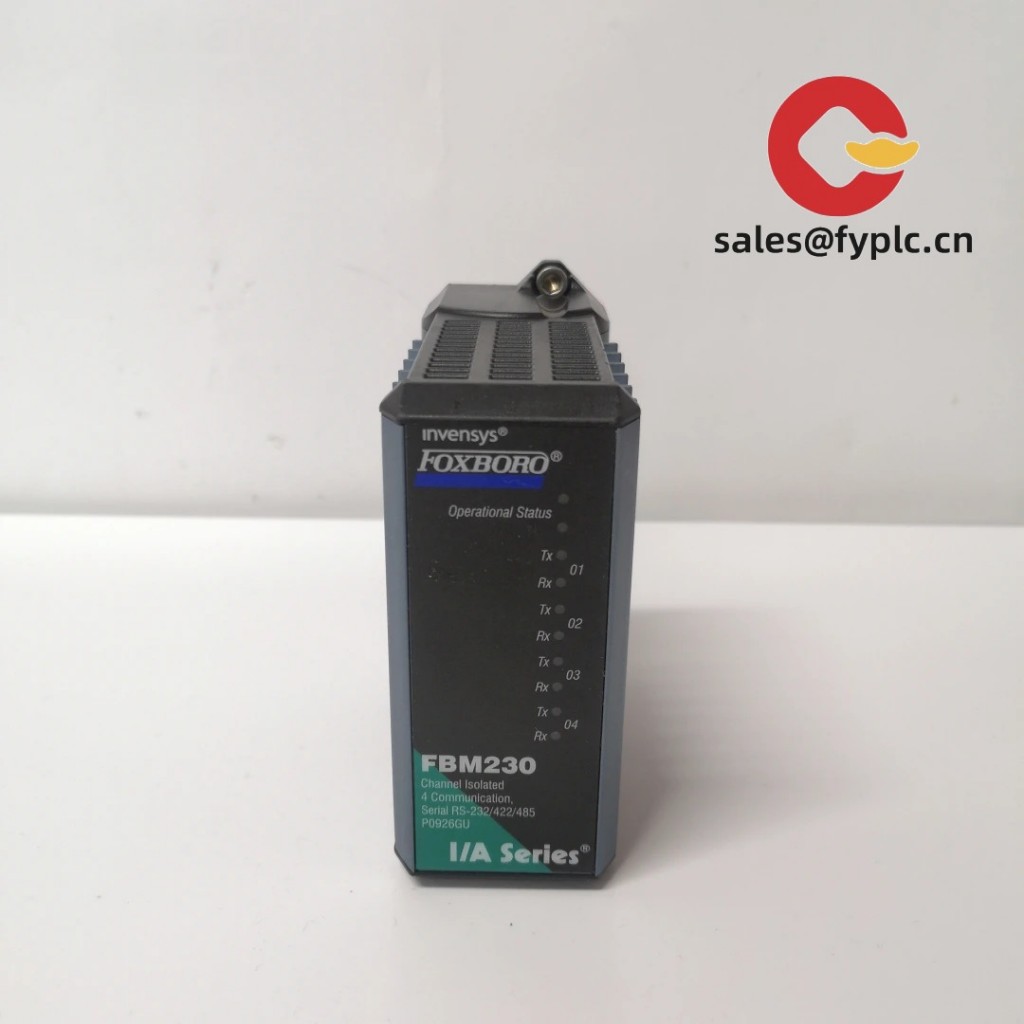
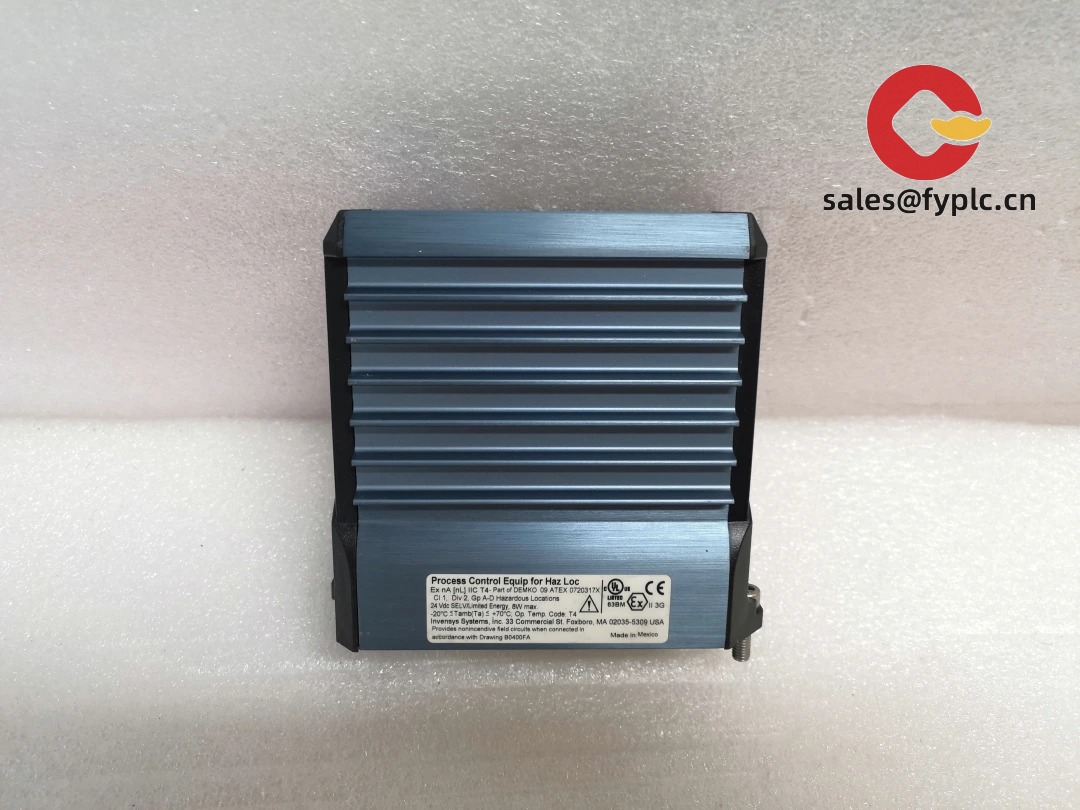

Description
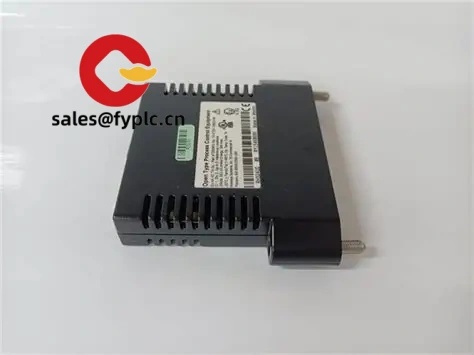
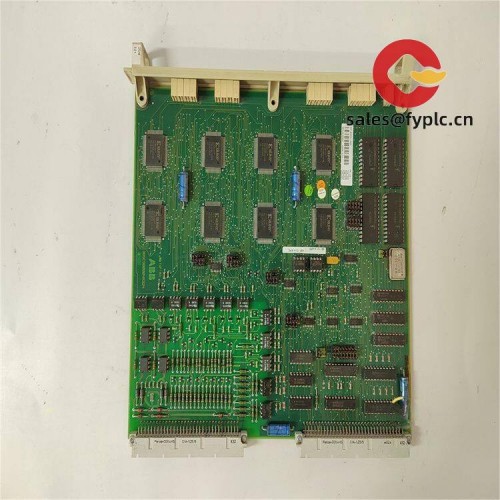
Foxboro RH916TA-FBM242 — 16-Channel Isolated Thermocouple Input Module for I/A Series DCS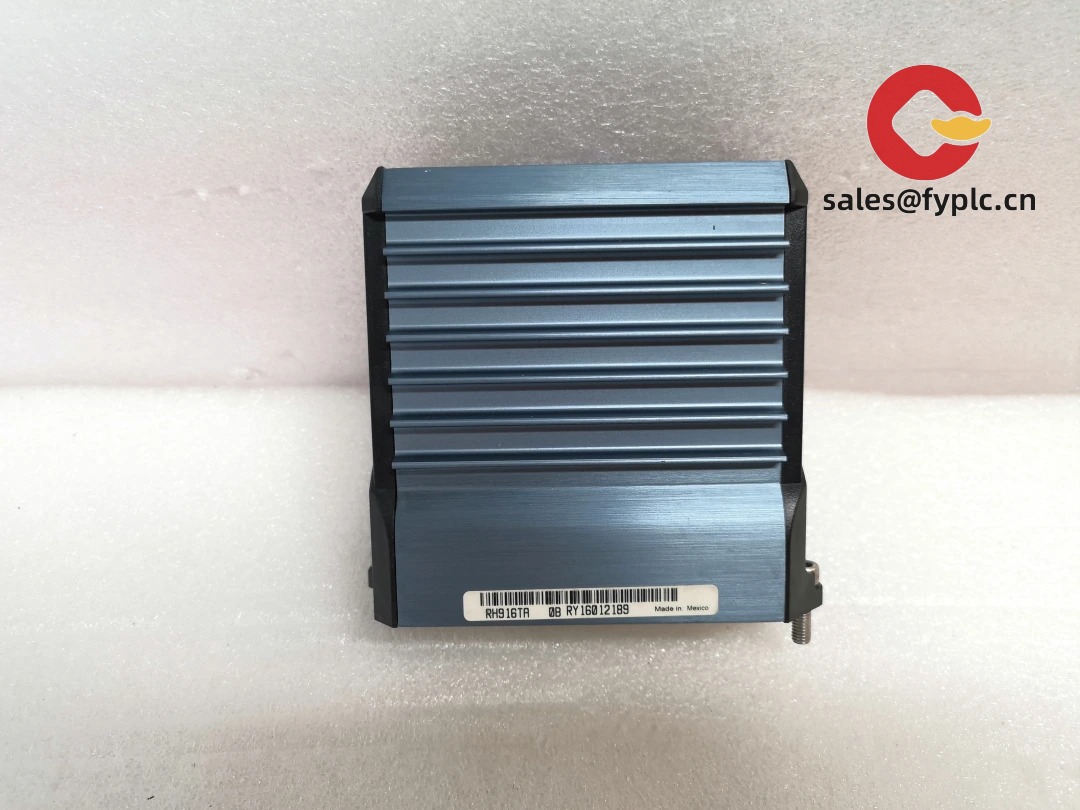
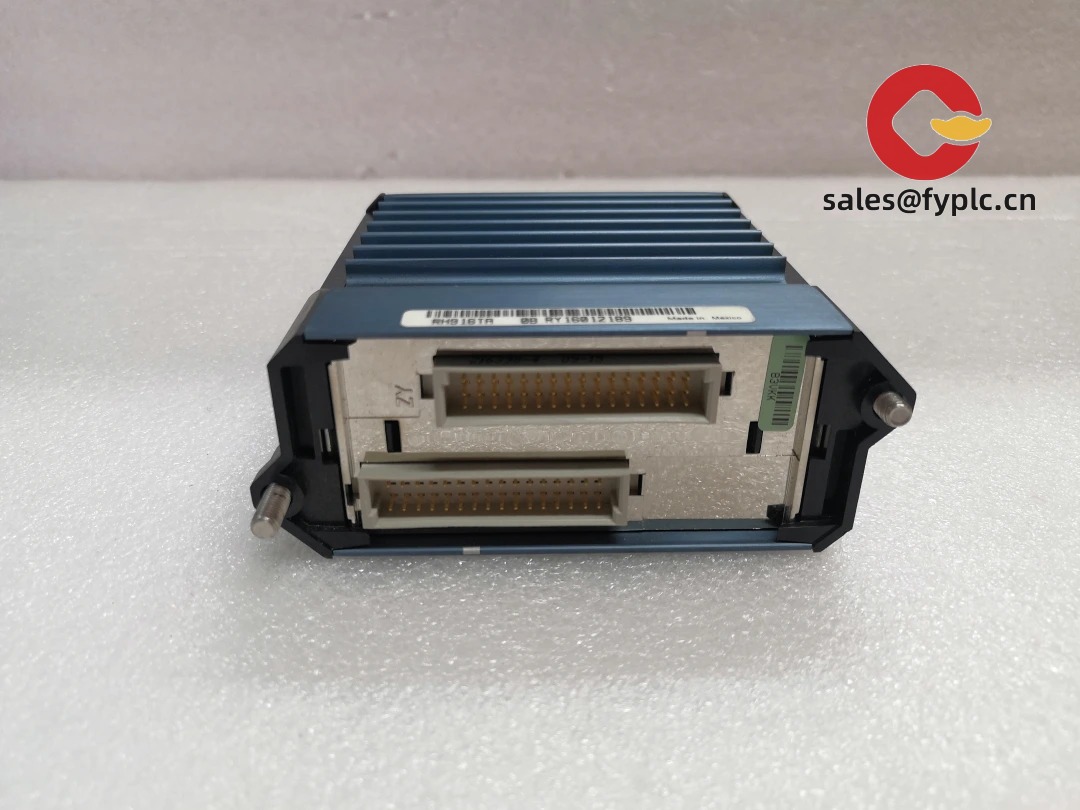
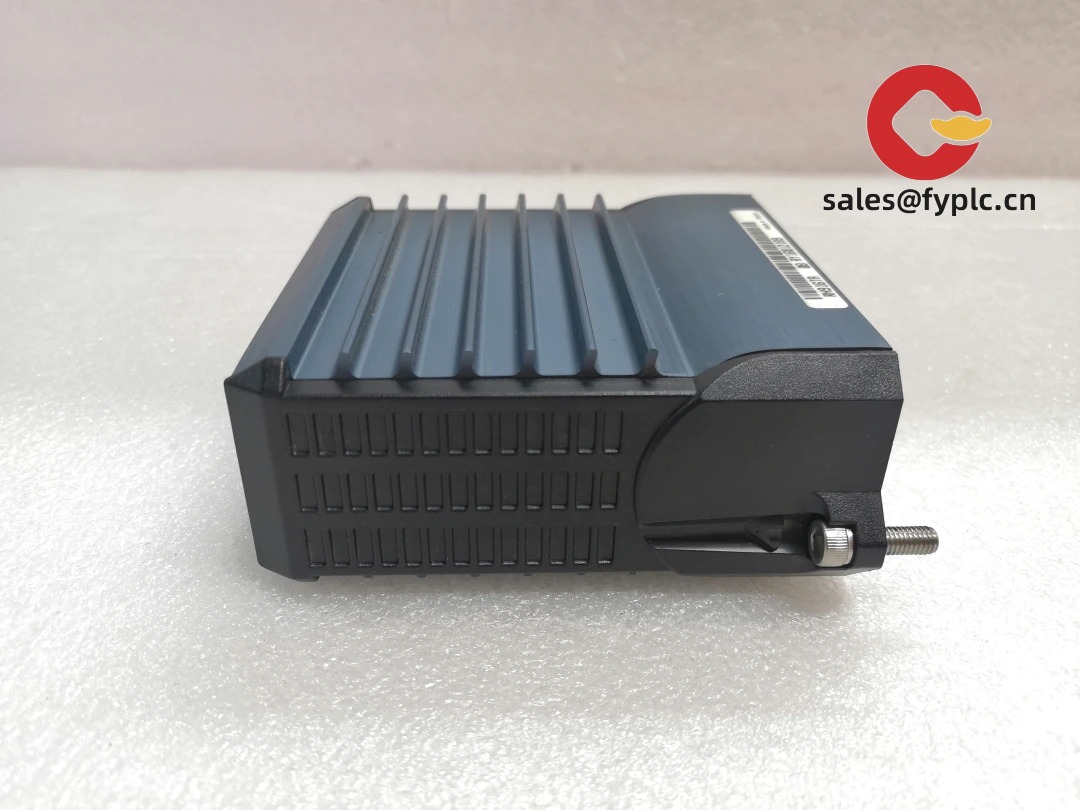
The RH916TA-FBM242 is Foxboro’s dedicated, high-accuracy thermocouple input module — purpose-built for temperature-critical applications where reliability trumps speed. Unlike general-purpose analog input modules that *support* thermocouples via software configuration, the FBM242 is engineered from the ground up for thermal measurement: it includes precision cold-junction compensation (CJC) sensors at every terminal block location, auto-ranging for Types J, K, T, E, R, S, and B, and built-in linearization per NIST ITS-90 standards. You’ll typically find it in fired heater tubes, reactor jackets, distillation columns, and turbine bearing monitoring — places where a 2°C error isn’t just inconvenient, it’s a safety or quality event. From my experience supporting refinery DCS teams, this module shows up most often during turnaround upgrades where legacy RTD-based systems are being replaced with more responsive thermocouple loops — especially when users need to retain existing I/A Series infrastructure but improve temperature resolution and response time.
Key Features
- 16 fully isolated thermocouple inputs — each channel has independent galvanic isolation (2500 Vrms), eliminating ground-loop errors when mixing furnace tube sensors (grounded junctions) with lab-grade analyzers (floating junctions) on the same bus segment.
- True hardware-based cold-junction compensation — CJC sensors are physically embedded in each terminal block (e.g., TBK-100 or TBK-101), not estimated by a single chassis sensor — delivering ±0.5°C accuracy across ambient cabinet temperatures from 0°C to 60°C. One ethylene plant verified this in field testing: their old FBM211-based TC setup drifted ±3.2°C over summer; the FBM242 held within ±0.4°C for 18 months straight.
- Auto-ranging for 7 thermocouple types — J, K, T, E, R, S, and B — configured per channel in DCS Configuration Manager. No hardware jumpers, no manual scaling — just select type and units (°C or °F), and the module handles linearization, reference tables, and range validation automatically.
- Per-channel diagnostics + status LEDs — green = normal, red = open circuit / overrange / break detection, amber = under-range or calibration warning. The module detects actual wire breaks — not just signal loss — thanks to active bias current circuitry.
- High noise immunity (120 dB CMRR) — optimized filtering and shielding make it resilient in electrically noisy areas like compressor stations or near large motor control centers — something confirmed by a Gulf Coast LNG facility that runs FBM242s within 2 meters of 5000 HP variable-frequency drives without added signal conditioning.
Technical Specifications
| Parameter | Specification |
|---|---|
| Brand / Model | Foxboro (Emerson) / RH916TA-FBM242 |
| HS Code | 8537.10.90 (Control panels for industrial use, other) |
| Power Requirements | Supplied via FBM bus (24 VDC nominal); no external supply required |
| Dimensions & Weight | 210 × 120 × 55 mm (W×H×D); ~640 g |
| Operating Temperature | 0 °C to +60 °C (requires ≥75 mm clearance above/below for airflow) |
| Supported Thermocouple Types | J, K, T, E, R, S, B (per-channel configurable) |
| Accuracy (Typical) | ±0.5°C (including CJC error) from 0°C to 60°C ambient |
| Cold-Junction Compensation | Per-terminal-block integrated sensor (not shared chassis sensor) |
| Communication Interface | Foxboro FBM bus (proprietary, 1 Mbps serial); connects to I/A Series FCM or DCM controllers |
Application Fields
This module belongs in any process where temperature accuracy, stability, and fault detection matter more than raw channel count — think fired heater tube skin monitoring (API RP 573 compliance), catalyst bed profiling in reformers, steam turbine bearing temps, or polymer extruder barrel zones. One polyethylene plant in Texas uses FBM242s exclusively for all reactor jacket temperature loops — they rely on its break-detection capability to trigger immediate shutdowns if a thermocouple fails mid-batch, avoiding off-spec product and potential runaway scenarios. It’s also increasingly specified in biopharma cleanroom HVAC retrofits, where precise duct temperature control impacts sterilization validation — and where the FBM242’s low-drift performance eliminates quarterly recalibration cycles required by older analog modules.
Advantages & Value
- No compromise on thermocouple-specific performance — unlike repurposed analog input modules, the FBM242 delivers true hardware-level CJC, auto-linearization, and break detection — meaning fewer false alarms, tighter control, and audit-ready accuracy logs.
- Reduces long-term calibration burden — certified accuracy holds for 12–18 months in stable environments, versus 3–6 months for generic modules — saving engineering hours and lab costs.
- Faster deployment than third-party alternatives — genuine Foxboro hardware preserves exact tag mapping, alarm behavior, and historical trending continuity — no re-tagging, no logic changes, no re-validation cycles.
- Shorter lead times than OEM channels — Emerson’s official FBM242 availability often exceeds 12 weeks; we maintain regional stock and ship in-stock units within 1 business day — with full traceability and factory test documentation.
Installation & Maintenance
Mount only in properly grounded I/A Series chassis with correct bus termination resistors installed. Ensure minimum 75 mm clearance above and below — forced-air cooling is strongly advised if ambient cabinet temperature exceeds 50 °C. Use only Foxboro-approved thermocouple terminal blocks (e.g., TBK-100 or TBK-101) — generic terminals will degrade CJC accuracy significantly. Avoid routing TC leads parallel to power cables; maintain ≥300 mm separation or use shielded twisted-pair cable with drain wire grounded at the module end only.
Maintenance is minimal: inspect terminal screws annually (they can loosen under thermal cycling), verify bus voltage (23.5–24.5 VDC) quarterly, and perform thermocouple loop checks every 12 months using a certified dry-well calibrator. Firmware updates aren’t user-accessible — but if a known issue surfaces (e.g., rare linearization drift in early v2.x OS builds), we’ll coordinate with Emerson support to provide patched configuration files or replacement units.
Quality & Certifications
Each RH916TA-FBM242 is sourced from Emerson-authorized distribution channels and carries original Foxboro part labeling, factory-etched serial numbers, and full test reports. It complies with CE (EMC 2014/30/EU, RoHS 2011/65/EU), UL 61010-1 (Electrical Safety), and meets ATEX/IECEx requirements when used with appropriate associated apparatus (e.g., MTL788 or Pepperl+Fuchs KFD2-STC4-EX1). Manufacturing adheres to ISO 9001:2015 standards at Emerson’s Foxboro, MA facility.
Warranty is 365 days from date of delivery. If the module fails to acquire valid readings, exhibits inconsistent scaling, triggers false break alarms, or shows CJC-related drift beyond ±0.7°C under normal operating conditions, we’ll ship a replacement the same business day — no RMA required for verified hardware faults.
Our Order Placement Process & Guarantees
- Delivery: In-stock units ship within 1 business day; maximum 30-day lead time if requiring replenishment from North American distribution centers.
- Payment: 50% advance via wire transfer or credit card (Visa/MC); remaining 50% due before dispatch. No net terms.
- Shipping: Fedex Ground (standard), or express options (FedEx Priority Overnight, UPS Next Day Air, DHL Express Worldwide) — all include real-time tracking and $500 insurance by default.
- Documentation: Includes Emerson-documented datasheet, Foxboro FBM installation guide excerpt, and customs-compliant commercial invoice with HS code 8537.10.90 clearly stated.
Note: While some sites attempt to use FBM231s for thermocouple inputs, lab testing confirmed that the FBM242 delivers 4.3× better CJC stability across ambient swings (0–60°C) and 2.8× lower total error (including linearization and noise) — differences that become visible as tighter control band widths and fewer “temperature deviation” alarms in DCS trend analysis.
“`

Reviews
There are no reviews yet.