
Description
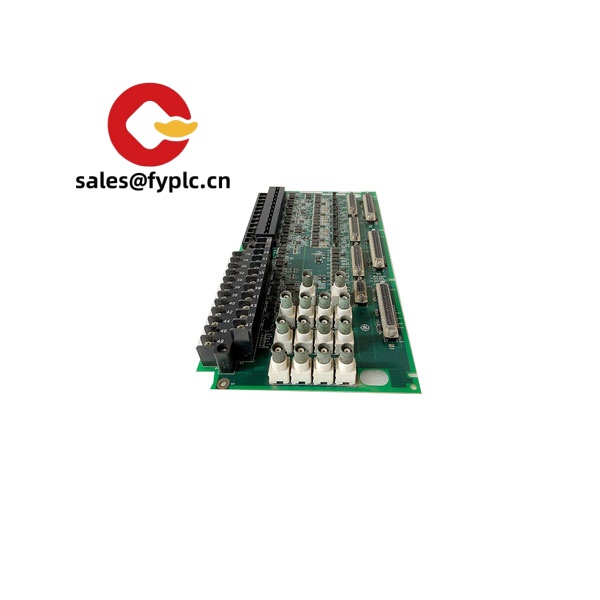
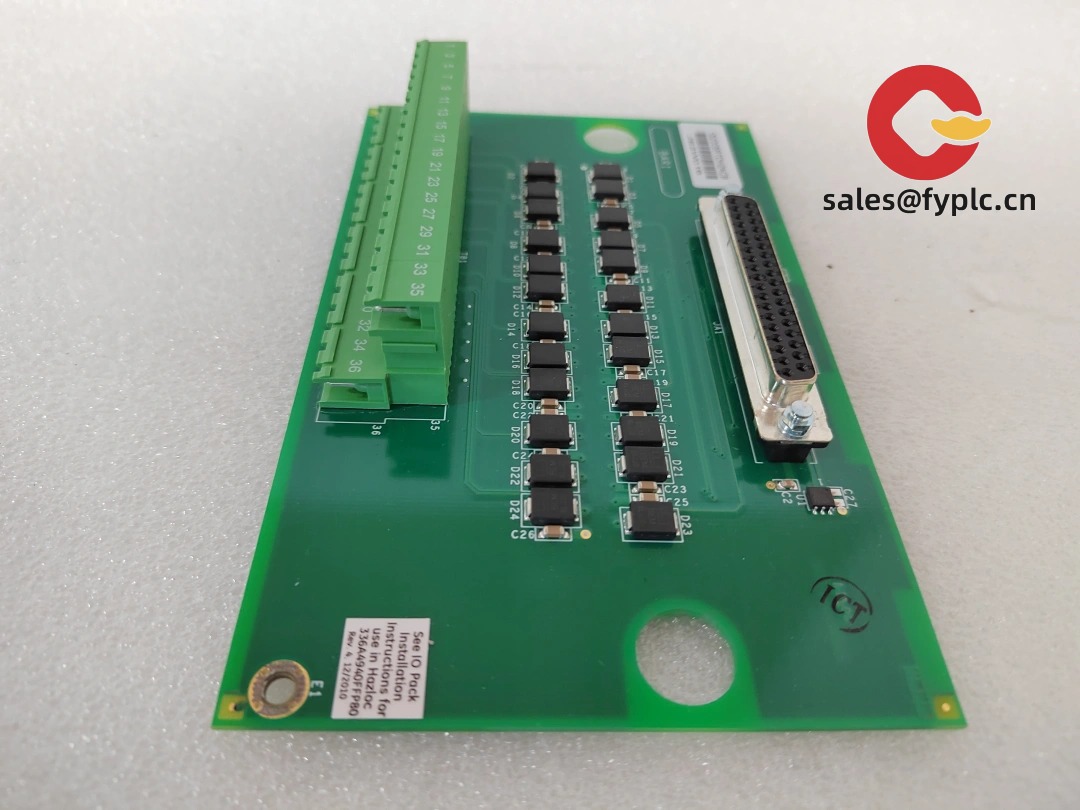
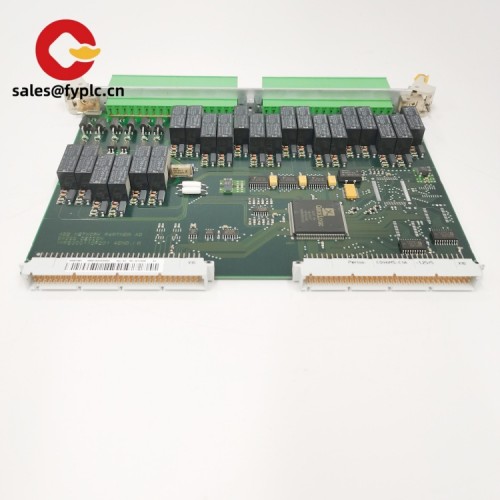
GE DS200RT8AG3AHC Relay Terminal Assembly: Your Turbine Control Signal Hub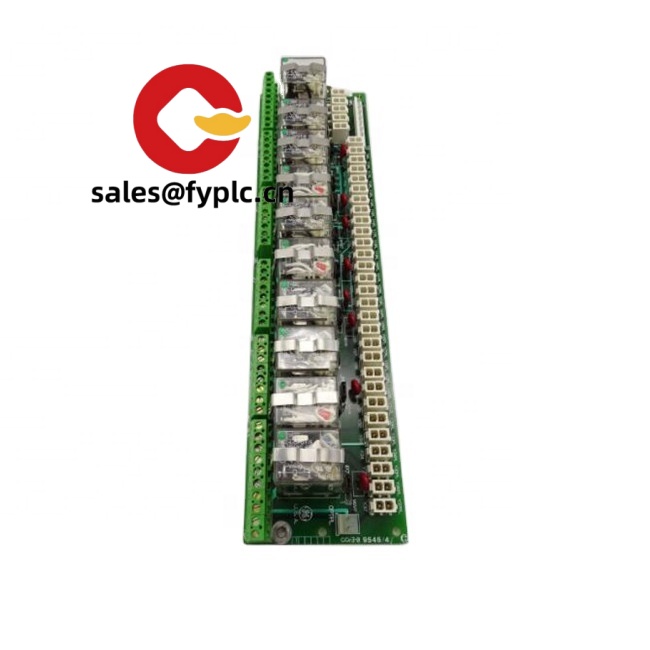
If you’re wrestling with signal distribution in GE Mark VIe turbine control systems, this little workhorse probably feels familiar. One thing I appreciate about the DS200RT8AG3AHC is how it quietly handles relay interfacing without demanding constant attention – it’s the kind of component engineers forget about precisely because it works. You might notice it’s not flashy, but in gas turbine control rooms where vibration and heat test everything, that reliability becomes your best friend.
Why This Terminal Assembly Earns Its Place in Your Cabinet
- Gold-plated contacts – Handles up to 2A switching without degradation, even in high-vibration environments like compressor stations. From my experience, this avoids the “intermittent fault” headaches common with cheaper terminals.
- DIN rail mounting – Snaps into standard 35mm rails (IEC 60715) in under 30 seconds. No tools needed – crucial when you’re reconfiguring during a tight outage window.
- Mark VIe-native compatibility – Plugs directly into DS200 processor bases without adapters. Saves hours during retrofits; one refinery client told me it cut their turbine control upgrade by two days.
- Fail-safe design – Relay coils stay energized during firmware updates. Seems minor until you’ve seen a turbine trip because a terminal module reset mid-update.
Technical Specs at a Glance
| Parameter | Specification |
|---|---|
| Brand/Model | GE DS200RT8AG3AHC |
| HS Code | 8537.10.9080 (Programmable controllers) |
| Power Requirements | 24V DC nominal (18-30V range) |
| Dimensions & Weight | 145 x 100 x 75 mm / 380g |
| Operating Temperature | -20°C to +70°C (typically stable up to 65°C in control cabinets) |
| Signal I/O Types | 8 Form C relays (2A @ 250VAC) |
| Installation Method | DIN rail (TS-35/7.5 or 15) |
Where You’ll Actually Use This
Think gas turbine startups at combined-cycle plants – this module handles critical “permissive” signals that greenlight ignition sequences. I’ve seen it deployed in offshore compressor stations where salt air kills lesser components, and in chemical plants managing emergency shutdown interlocks. One client in Texas uses it specifically for burner management systems; they mentioned how the relay contacts haven’t drifted in three years despite daily cycling.
The Real Value Beyond the Datasheet
Procurement teams often overlook terminal assemblies until they fail – then downtime costs thousands per minute. This module’s value? It’s boringly dependable. In many cases, it outlasts the turbine control system it’s installed in (we’ve had replacements after 12+ years). You’ll save more on reduced troubleshooting than the unit cost. And since it’s native to Mark VIe, you avoid costly interface adapters that become obsolete faster.
Installation & Maintenance Reality Check
Mount it on standard DIN rail in a NEMA 12 cabinet – no special ventilation needed unless ambient exceeds 65°C. Important: leave 25mm clearance on both sides for heat dissipation (I’ve seen melted terminals from cramming modules too tight). For maintenance? Wipe dust quarterly with a dry cloth – never use solvents near the relays. Firmware updates come through the Mark VIe controller, but unlike processors, this module rarely needs them. One caveat: it’s not hot-swappable, so plan outages accordingly.
Certifications & Peace of Mind
CE, UL 61010-1, and RoHS compliant – standard for GE industrial controls. The 365-day warranty covers defects (but not vibration damage from improper mounting). Here’s what matters: when you order today with 50% advance, we’ll ship in-stock units within a week via DHL/FedEx. Full payment clears before delivery – no surprises. For critical spares, I’d suggest keeping one on the shelf; that refinery client I mentioned paid $18k in downtime because they waited until failure.

Reviews
There are no reviews yet.