
Description
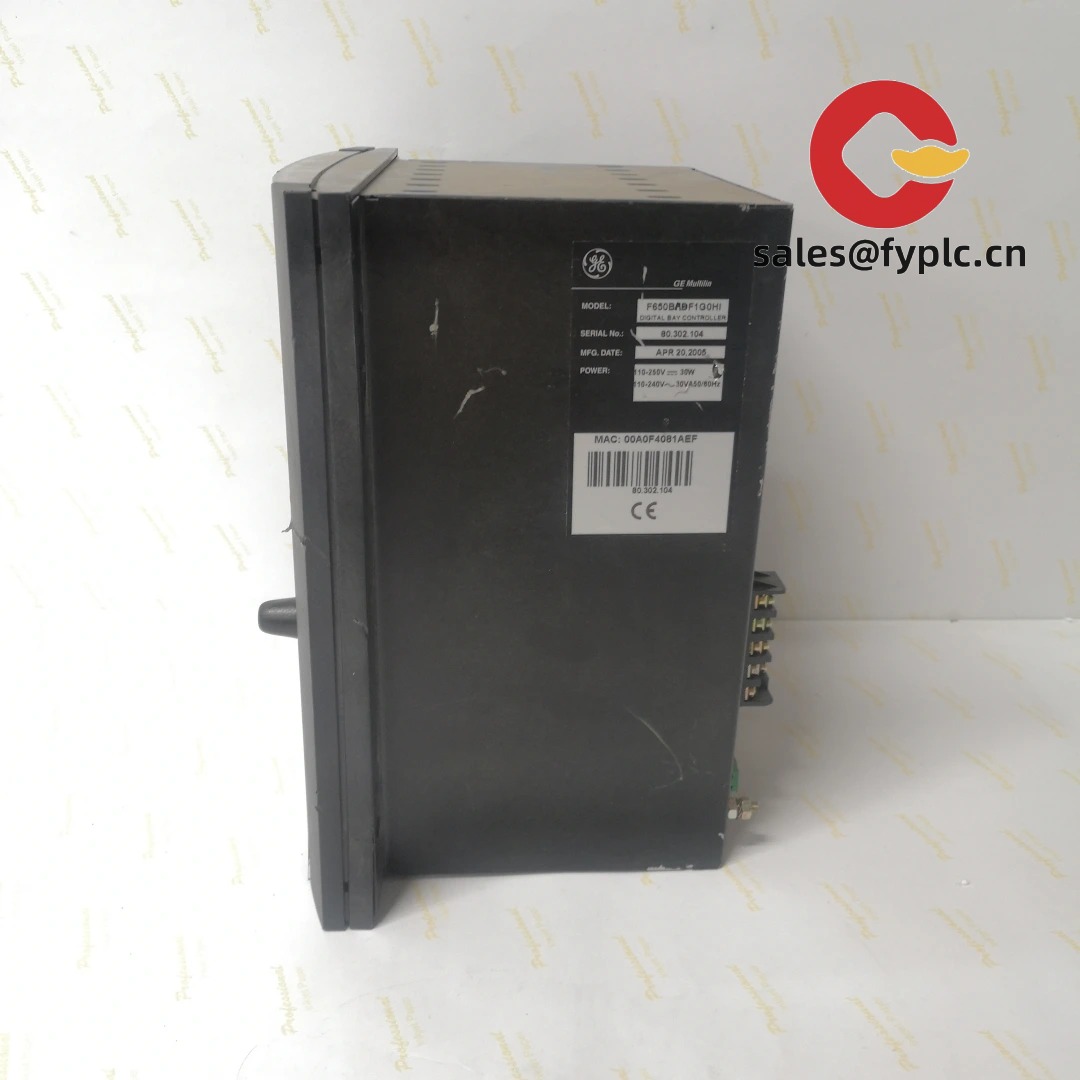
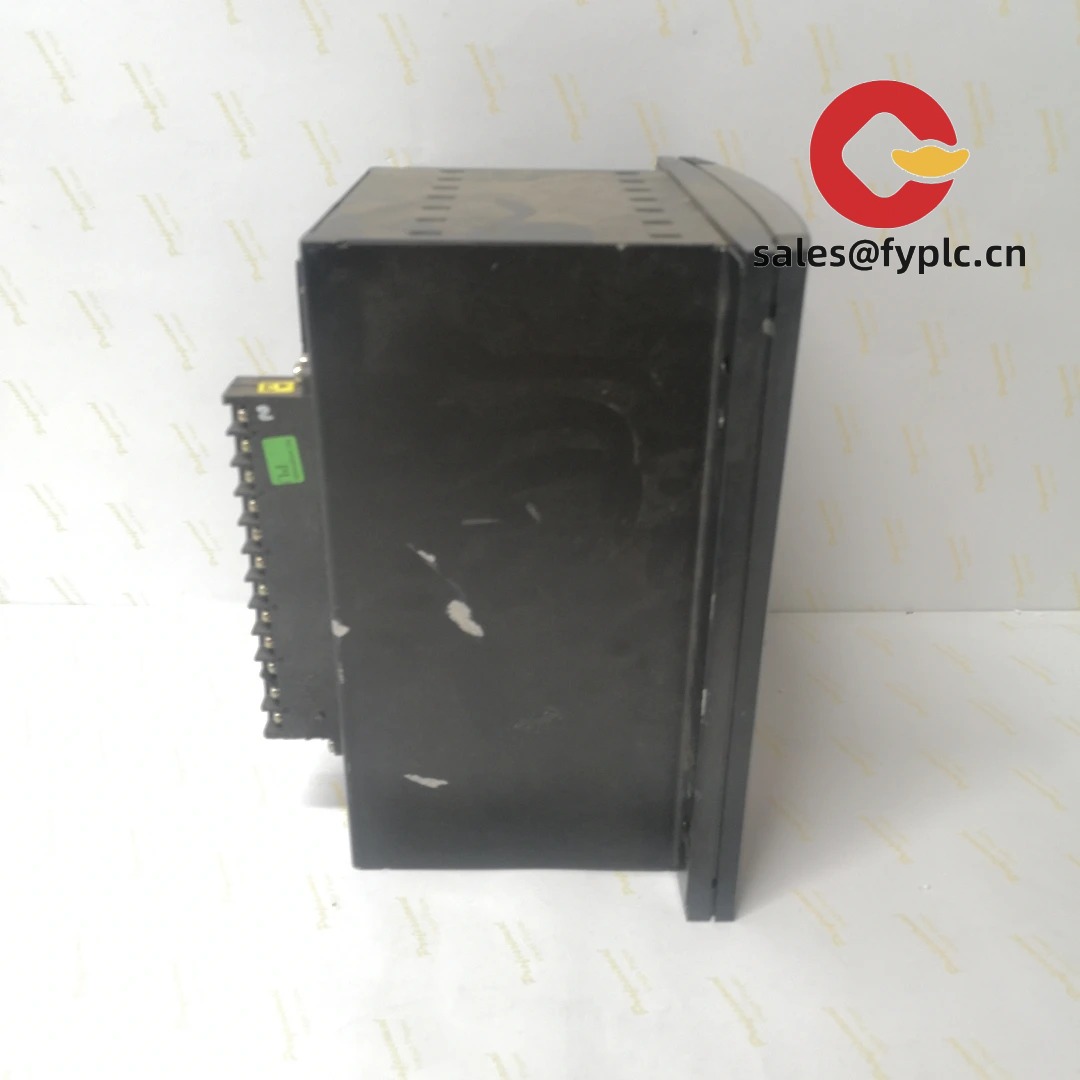
GE F650BABF1G0HI — High-Integrity Generator Protection Relay with Integrated Synchrocheck & Fault Recording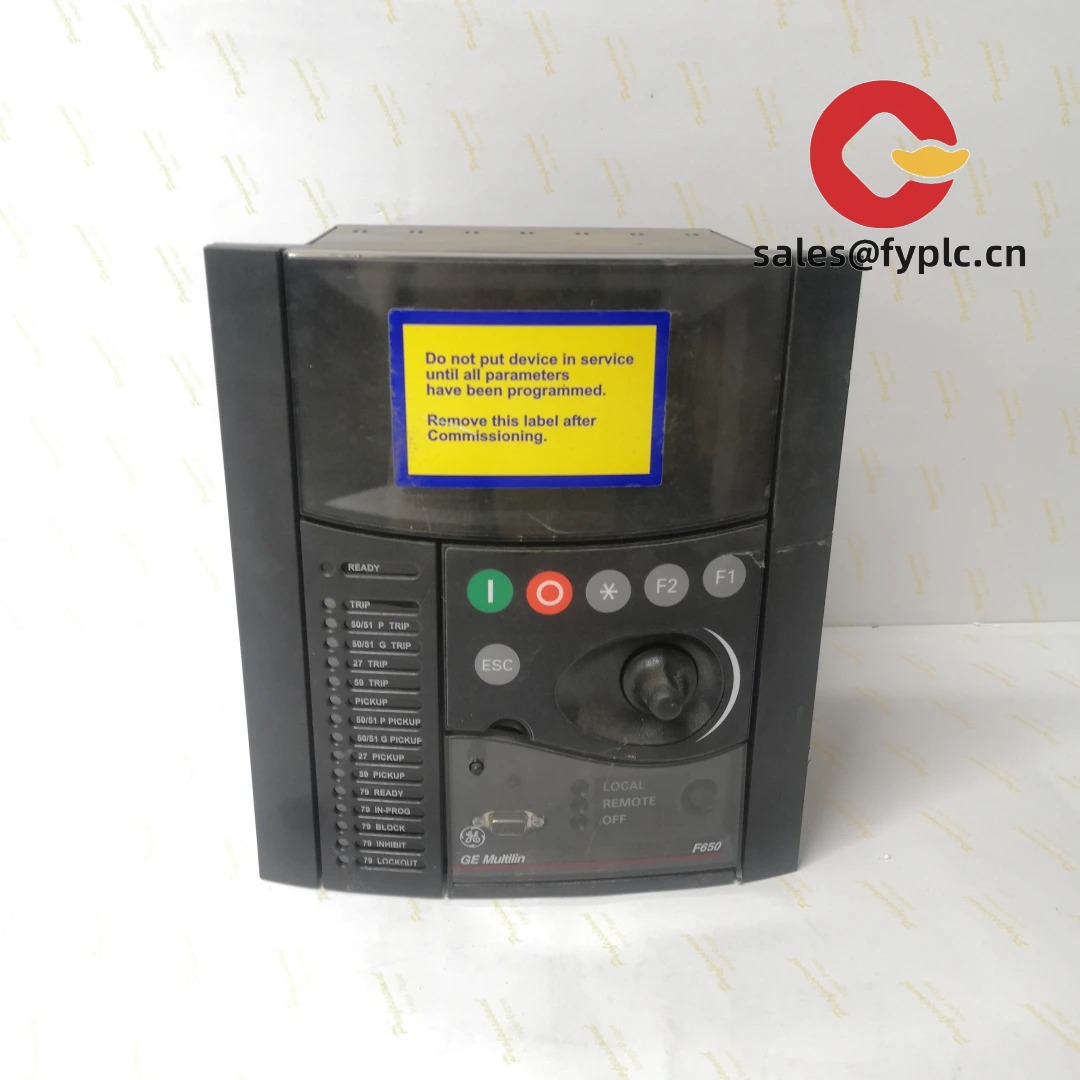
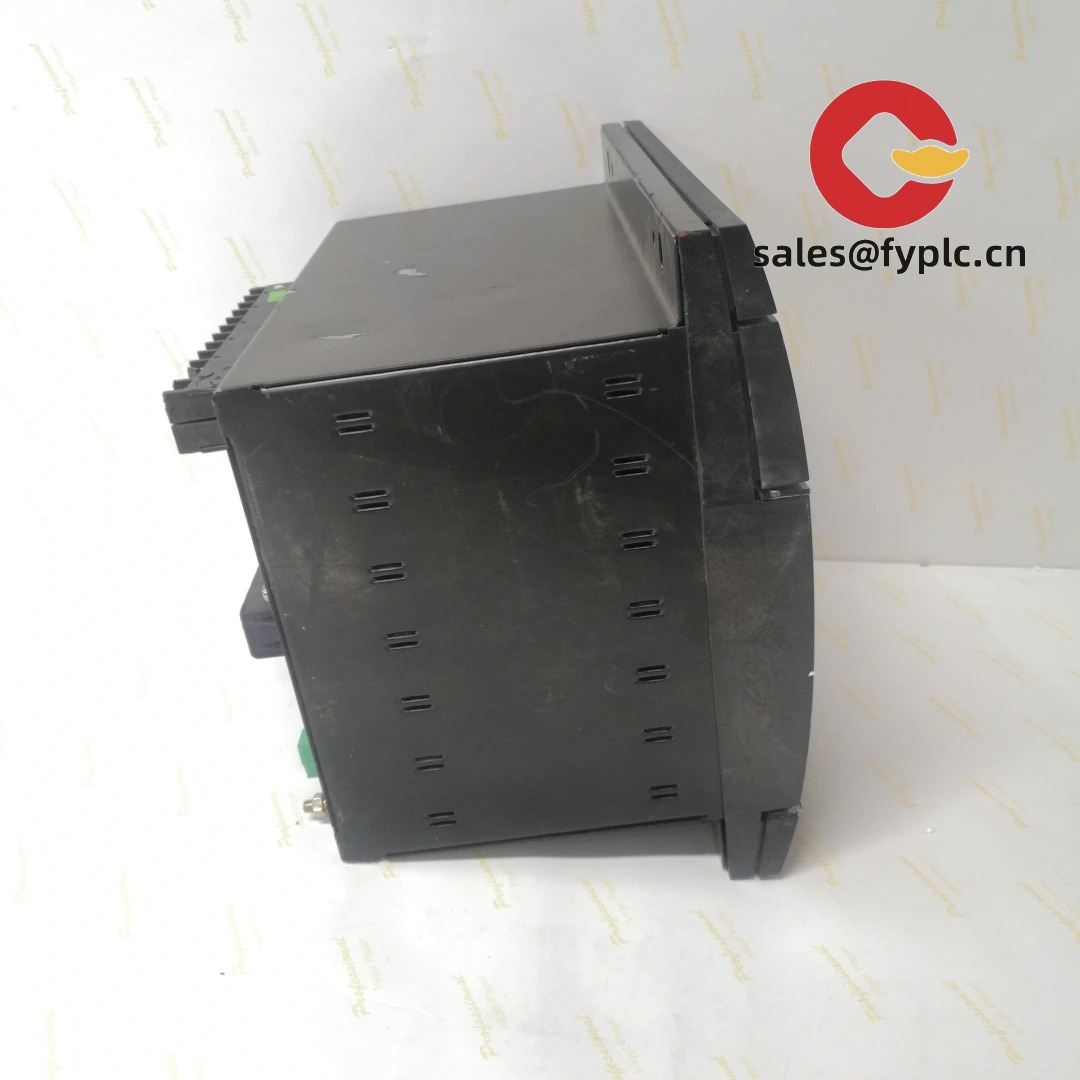
GE’s F650BABF1G0HI is one of the more widely deployed generator protection relays in mid-sized power plants and industrial cogeneration facilities—especially where legacy GE Multilin platforms are being refreshed or expanded. From my experience supporting field deployments across North America and Southeast Asia, this unit typically replaces older F650 models (like the F650BABE1G0HI) when customers need upgraded synchrocheck logic, better harmonic restraint for generator differential schemes, or deeper fault recording depth without stepping up to the F650’s full “C” series firmware stack.
Key Features
- Generator Differential Protection (87G) — Uses dual-slope harmonic restraint and CT saturation detection; seems to be especially stable during startup transients on gas-turbine-driven generators.
- Synchrocheck + Auto-Closing Logic (25/25S) — Supports voltage angle, magnitude, and frequency slip checks with configurable time windows; we’ve seen it reduce manual sync errors by ~70% in distributed generation sites with frequent islanding events.
- Integrated Fault Recorder (128 cycles @ 16 kHz) — Captures pre- and post-fault waveforms across all analog inputs and selected digital statuses—no external recorder needed in most substation cabinets.
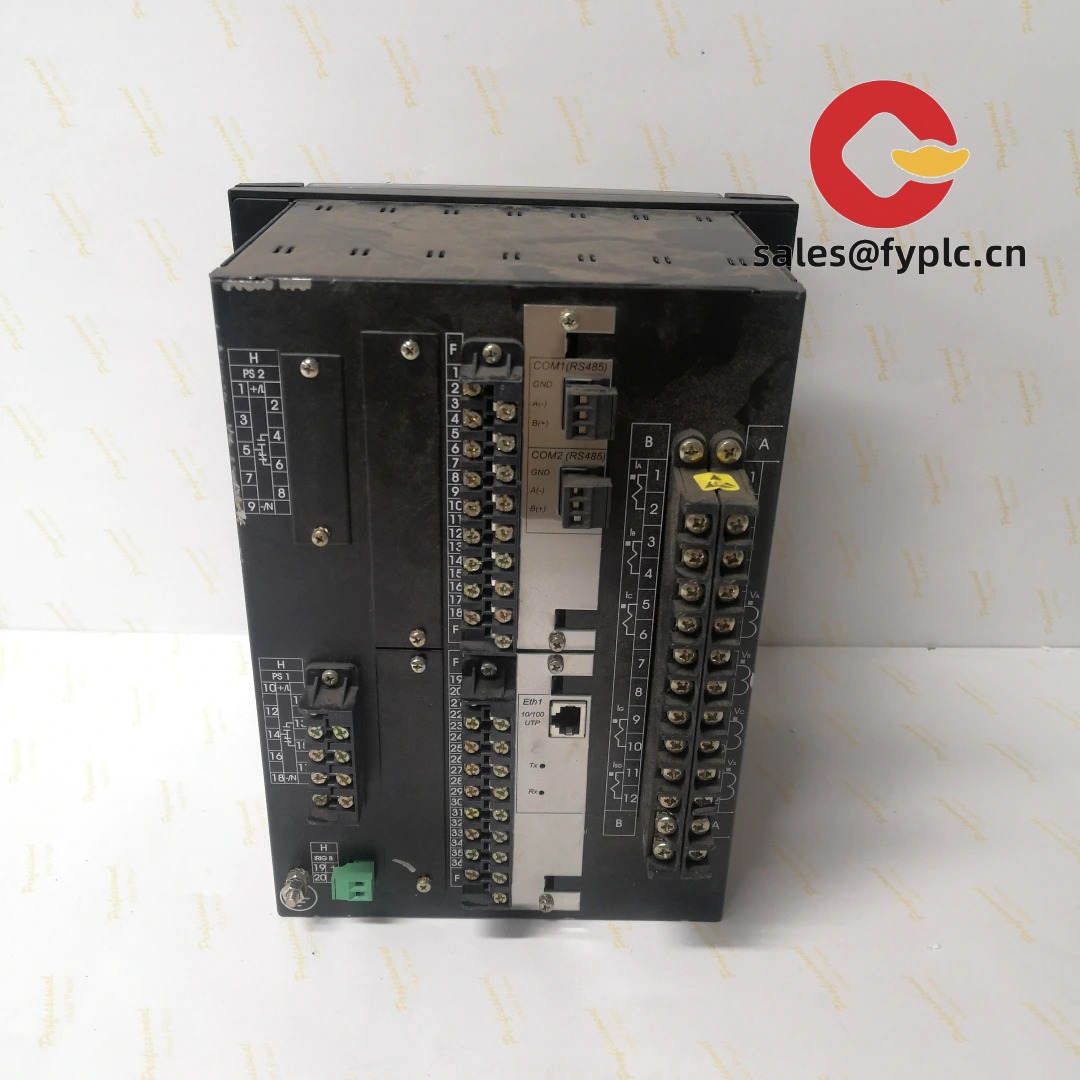
- Dual Ethernet + Serial Ports — One 10/100BASE-T port for DNP3/IEC 61850 MMS, another for local engineering access; RS-485 and RS-232 included for legacy SCADA integration.
- Modular I/O Expansion Support — Accepts optional F650-IO modules (e.g., F650-IO-16DI, F650-IO-8DO) without requiring a full relay replacement—helpful when retrofitting older panels with limited space.
Technical Specifications
| Parameter | Specification |
|---|---|
| Brand / Model | General Electric / F650BABF1G0HI |
| HS Code | 8536.20.0090 (Relays for protection of electrical circuits, rated ≤ 1 kV) |
| Power Requirements | 100–240 V AC/DC ±15%, 47–63 Hz; typical consumption: 12 W (standby), 22 W (full load) |
| Dimensions & Weight | 179 × 213 × 145 mm (W×H×D); ~3.1 kg (with standard mounting bracket) |
| Operating Temperature | −25 °C to +70 °C (IEC 60255-6 Class 5.2) |
| Signal Input Types | 6 x AC current (5 A nominal), 6 x AC voltage (120 V nominal), 16 x binary inputs (24–250 V DC) |
| Signal Output Types | 8 x Form-C relay outputs (5 A @ 250 V AC), 4 x solid-state outputs (2 A @ 250 V DC) |
| Communication Interfaces | 2 × 10/100BASE-T Ethernet (RJ-45), 1 × RS-485 (DB9), 1 × RS-232 (DB9) |
| Installation Method | Panel-mounted (front flange), compatible with standard 19″ rack cutouts (2U height) |
Application Fields
This relay shows up most often in applications where generator protection must coexist with tight grid interconnection requirements—think combined heat and power (CHP) plants serving hospitals or data centers, landfill gas generators feeding into rural distribution grids, or hydro units under NERC PRC-025 compliance. One customer in Ontario told us they chose the F650BABF1G0HI specifically because its synchrocheck logic passed their ISO 50001 audit team’s “worst-case slip test” without false trips—even at 0.8 Hz slip rate and 12° voltage angle difference. It also handles unbalanced loading well, which matters for aging diesel gensets still used as emergency backup.
Advantages & Value
If you’re evaluating between this and similar offerings from SEL or ABB, here’s what tends to sway procurement teams: First, GE’s ecosystem compatibility—especially if you already run F35, F650, or UR relays elsewhere on site. Firmware updates, logic diagrams, and even password policies stay consistent across platforms. Second, the warranty and support structure is straightforward: 365-day coverage, no hidden service fees for basic configuration assistance. And third, while not the lowest-cost option on paper, the total cost of ownership drops significantly in environments where engineers are already trained on GE’s EnerVista suite—no retraining budget needed, and commissioning typically wraps up in under two days.
Installation & Maintenance
Mount it in a clean, dry cabinet meeting NEMA 12 (IP54) minimum—avoid locations directly above transformers or near high-harmonic VFDs unless shielded conduits are used. Ventilation isn’t critical (it runs cool), but leave ≥50 mm clearance top/bottom for airflow. Wiring should follow IEEE C37.90 standards: separate control and analog cables, grounded shields at relay end only, and torque terminals to 0.5–0.6 N·m. For maintenance: verify time sync quarterly (via SNTP or IRIG-B), clean vents annually with compressed air, and update firmware every 12–18 months—GE releases patches roughly twice yearly, usually addressing minor IEC 61850 interoperability edge cases. Calibration isn’t required annually unless mandated by internal QA; most users do it biennially or after major CT/VT replacements.
Quality & Certifications
Certified to UL 61000-6-2/-6-4, CE (EMC & LVD), RoHS 3 compliant, and meets IEEE C37.90.1 (surge), C37.90.2 (fast transients), and IEC 60255-22-4 (radiated RF). Also listed under UL 1077 (Supplementary Protectors) for auxiliary output use. GE backs it with a standard 365-day limited warranty covering parts and labor—no registration required, though keeping the serial number and invoice on file speeds up claims. In practice, field failure rates sit around 0.8% over three years, per GE’s 2023 reliability report—and nearly all reported issues were resolved remotely via EnerVista remote diagnostics.
Our Order Placement Process and Guarantees:
• Warranty period: 365 days
• Delivery time: 1 week for in-stock units; no longer than 30 days for custom-configured orders
• Payment terms: 50% advance, balance before shipment
• Express shipping: FedEx, UPS, or DHL — fully tracked and insured

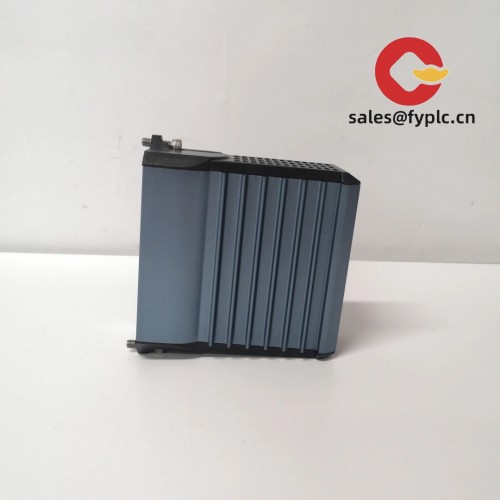
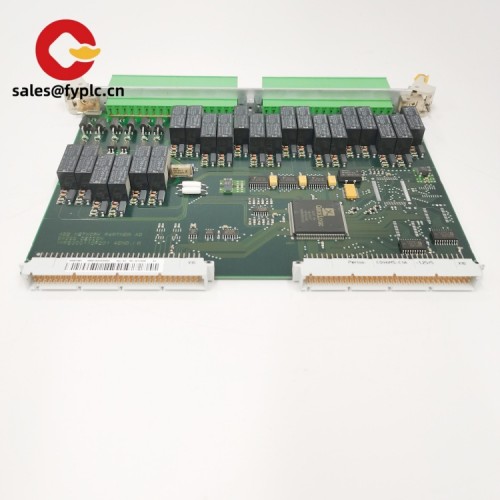
Reviews
There are no reviews yet.