
Description
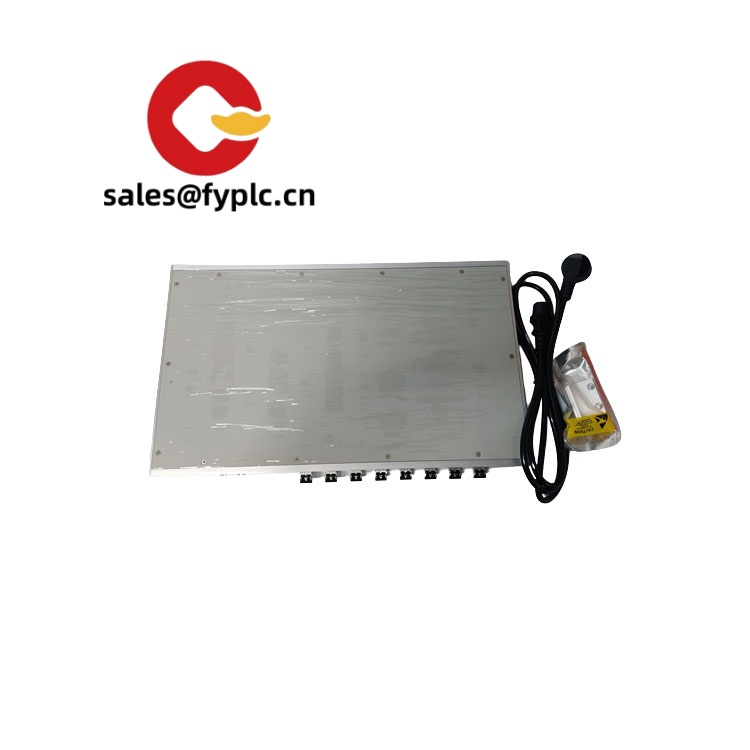
GE Intelligent Platforms ACC-5595-208 (350-805595-208) – Reflective Memory Hub for Deterministic Real‑Time Data Sharing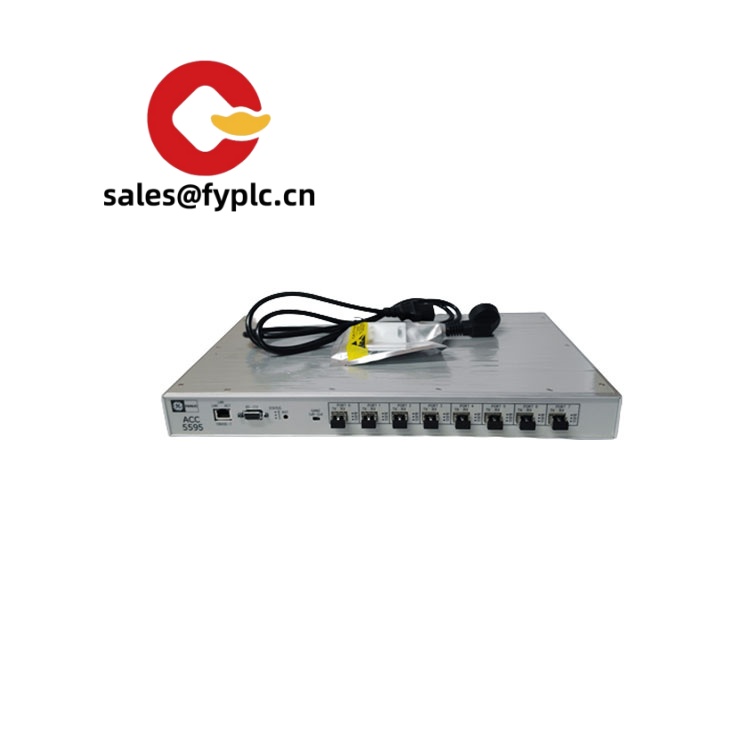
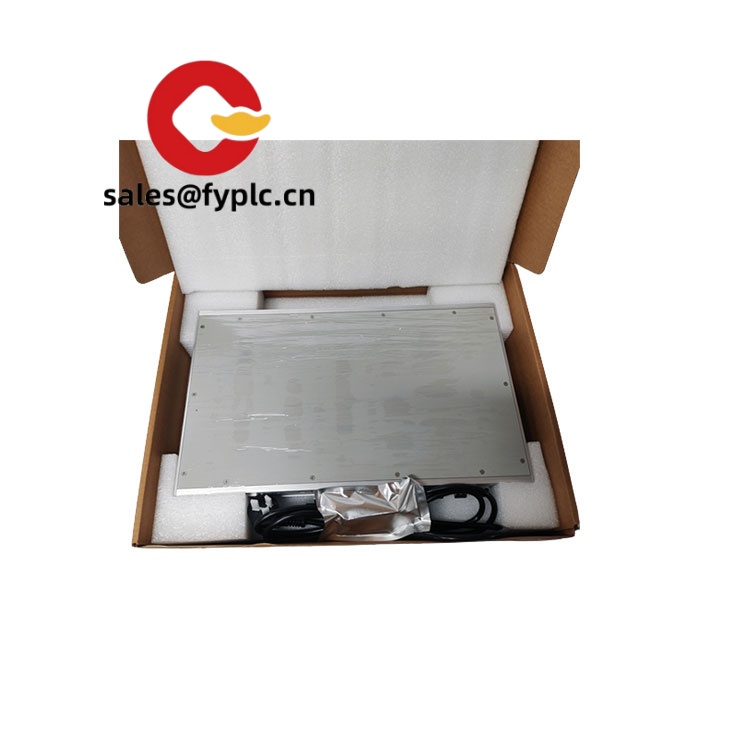
The GE Intelligent Platforms ACC-5595-208 is a high-speed Reflective Memory hub used to build low‑latency, deterministic data networks across multiple nodes. From my experience, this unit sits at the center of 5565‑series RFM cards and cleans up the fabric timing, regenerates the optical signal, and gives you a reliable star topology when ring or daisy-chain starts to feel risky. If you’re running HIL rigs, flight simulators, real‑time control benches, or large test stands, this hub typically becomes the quiet workhorse that keeps every node in lockstep.
Order Placement Process and Guarantees
- Warranty: 365 days
- Lead time: 1 week if in stock; no more than 1 month at the latest
- Payment: 50% advance payment; full payment before delivery
- Express delivery: FedEx, UPS, DHL
Key Features
- Deterministic RFM network hub (2.12 Gbaud class) – Provides low, predictable latency for real‑time data distribution across nodes using fiber.
- Eight-port star topology (typical) – The -208 option is commonly deployed as an 8‑port hub, giving you flexible network layouts and easy expansion.
- Signal regeneration and re‑clocking – Cleans and restores optical signals, which helps when you have longer runs or multiple branches.
- Designed for 5565‑family compatibility – Works with GE/Abaco reflective memory adapters such as PCI‑5565PIORC, PMC‑5565, and CPCI‑5565 in many cases.
- Fiber‑optic isolation – Optical links help with EMI immunity and ground isolation across racks, buildings, or mobile platforms.
- Status LEDs on ports – Quick visual diagnostics for link presence and activity; you spot issues fast during integration.
- Scalable architectures – Build redundant stars or multi‑hub meshes to improve availability on safety‑critical benches.
Technical Specifications
| Parameter | Details |
|---|---|
| Brand / Model | GE Intelligent Platforms ACC-5595-208 (Alt P/N: 350-805595-208) |
| HS Code | 8517.62.00 – Data transmission/reception/regeneration apparatus |
| Power Requirements | Internal universal AC supply, typically 100–240 VAC, 50/60 Hz (varies by -208 build) |
| Dimensions & Weight | Standalone hub enclosure; desktop/shelf form factor; commonly under 3 kg |
| Operating Temperature | 0 to +50°C (commercial grade, typical) |
| Signal I/O Types | Fiber‑optic reflective memory ports (2.12 Gbaud class); connector type depends on option set |
| Communication Interfaces | RFM optical links only; no Ethernet/fieldbus on the hub |
| Installation Method | Desktop or 19” rack/shelf placement; fiber patch cabling to each node |
Application Fields
You might notice that systems needing deterministic throughput benefit the most. Typical deployments include:
- Hardware‑in‑the‑Loop (HIL) and SIL test environments for aerospace/defense
- Flight simulators and mission system integration labs
- Automotive powertrain and ADAS benches where timing consistency matters
- Process control and distributed I/O synchronization in industrial plants
- High‑channel‑count data acquisition and real‑time monitoring rigs
Advantages & Value
- Reliability first – The hub re‑clocks and regenerates signals, which in many cases reduces intermittent link errors seen with long chains.
- Compatibility – Works with GE/Abaco 5565‑series RFM adapters; lets you expand existing networks without retraining teams.
- Lower integration risk – Clear port status LEDs and a simple star layout speed up commissioning and fault isolation.
- Cost control – Reuses proven RFM infrastructure; scaling with additional hubs is straightforward and predictable.
- Lifecycle support – A long track record in labs and ranges; spares and accessories are typically easy to source.
Installation & Maintenance
- Environment – Install in a clean, ventilated cabinet or rack shelf. Keep intake/exhaust paths open and avoid heat sources.
- Power & grounding – Use a stable AC supply and proper protective earth. From my experience, shared lab power strips can introduce noise; a conditioned PDU helps.
- Fiber handling – Respect minimum bend radius, use dust caps, and clean ferrules before mating. This alone fixes many “mystery” link drops.
- Wiring practice – Label fibers by node/port; maintain a star map so maintenance teams can swap nodes quickly.
- Routine checks – Inspect port LEDs, reseat connectors if disturbed, and clean fiber ends periodically. Firmware updates are rarely needed on hubs, but follow the OEM guidance if available.
- Redundancy – For critical benches, consider dual hubs and split links so a single hub service doesn’t stop testing.
Quality & Certifications
- Compliance: CE (EMC/LVD) and RoHS are commonly supported for this product family
- Safety: Power subsystem typically meets UL/CSA/EN safety norms (by supply)
- Quality System: Manufactured under ISO 9001 processes (typical for GE/Abaco lines)
- Manufacturer warranty: Typically 12 months; our supplied units carry a 365‑day warranty
Common Accessories & Companion Cards
- GE/Abaco PCI‑5565PIORC, PMC‑5565, CPCI‑5565 reflective memory adapters
- Multimode fiber patch cords (typically 62.5/125 μm or 50/125 μm, connector type per -208 option)
- Rack shelf or mounting kit for secure installation
A quick customer take from a simulator lab: “We replaced a daisy‑chain with two ACC‑5595 hubs. Latency stayed tight, and our techs finally stopped chasing intermittent fiber faults.” That seems to be the typical outcome when moving to a clean star topology.

Reviews
There are no reviews yet.