
Description
GE IS200TREGH1BEC – Emergency Trip Terminal Board for Mark VI Turbine Protection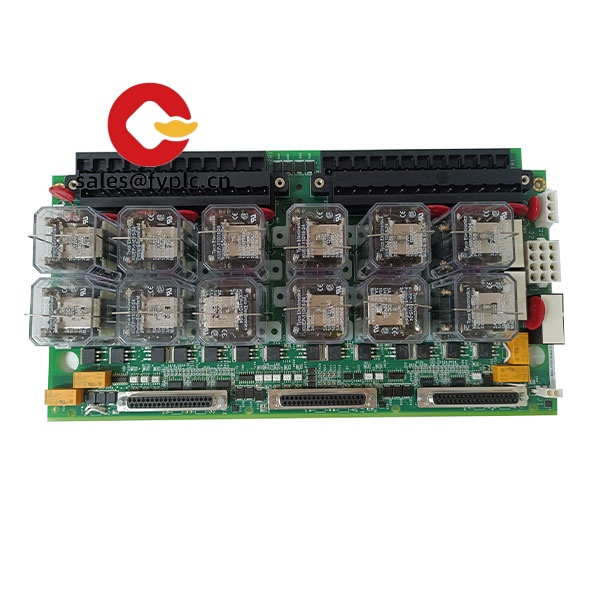
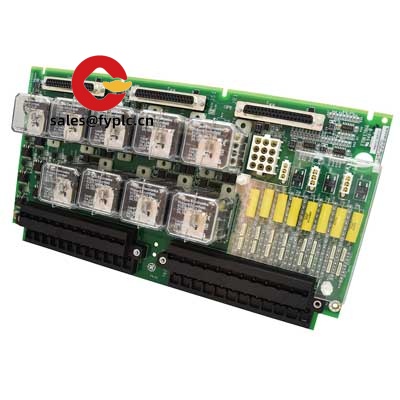
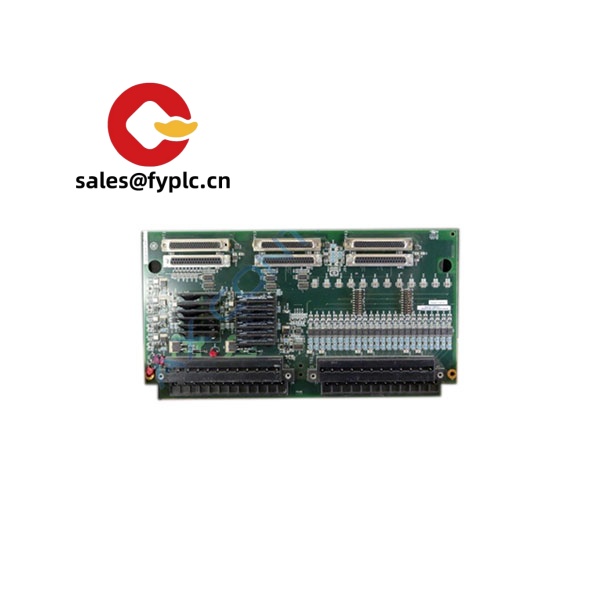
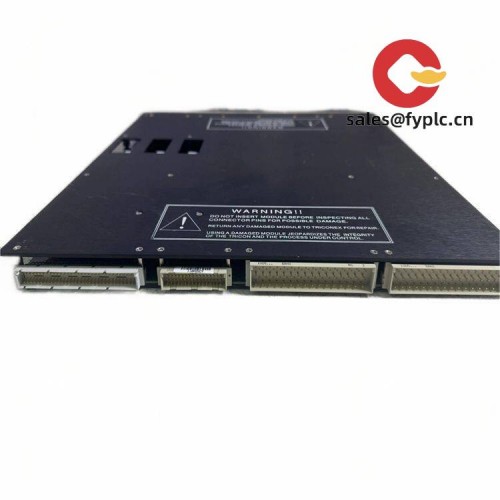
The GE IS200TREGH1BEC is an Emergency Trip (TREG) terminal board designed for the Mark VI turbine control platform. In many cases it sits at the heart of the mechanical protection chain, driving redundant trip solenoids and collecting critical hardwired interlocks like E-Stop and protective contacts. From my experience, plants choose this board when they want a simple, robust, and fail-safe way to de-energize valves in milliseconds if something goes sideways. The “BEC” suffix typically indicates a conformal-coated revision of the H1B hardware, which seems to be preferred in cabinets exposed to dust, humidity, or mild chemical vapors.
Order Placement Process and Guarantees
- Warranty: 365 days
- Lead time: 1 week if in stock; no more than 1 month at the latest
- Payment: 50% advance; full payment prior to delivery
- Express shipping: FedEx, UPS, DHL
Key Features
- Triple-redundant trip channels (A/B/C): Supports three independent, normally-energized trip circuits so a single fault won’t prevent a safe shutdown.
- 24 VDC trip outputs for solenoids: Drives turbine stop/servo trip solenoids; de-energizes on demand for fail-safe action.
- Hardwired E-Stop and protective inputs: Accepts dry-contact signals from pushbuttons and protective relays for immediate trip logic.
- Conformal-coated “E” variant: The BEC revision is typically conformal-coated to improve resistance to moisture and airborne contaminants.
- Barrier terminal wiring: Secure field connections with ring/fork lugs; easy to inspect during maintenance rounds.
- Designed for Mark VI cabinets: Direct cable connection to the protection/control module, minimizing external wiring complexity.
- Service-friendly layout: Fused outputs and labeled terminals simplify troubleshooting and periodic trip testing.
Technical Specifications
| Brand / Model | GE IS200TREGH1BEC (Emergency Trip Terminal Board) |
| HS Code | 8538.90 (Parts for switching/protection/control apparatus) |
| Power Requirements | 24 VDC nominal for trip circuits (typical operating window 18–32 VDC). Board logic power is provided via the connected Mark VI module. |
| Dimensions & Weight | Approx. 330 × 170 mm; ~1.1 kg (panel-mounted terminal board) |
| Operating Temperature | 0 to +60 °C, 5–95% RH non-condensing (typical for Mark VI terminal boards) |
| Signal Input/Output Types | Dry-contact inputs (E-Stop/protective chains); 24 VDC, normally-energized relay outputs to trip solenoids (channels A/B/C), fused and monitorable. |
| Communication Interfaces | Internal ribbon/cable interface to the associated Mark VI protection/control module; no external fieldbus on the terminal board itself. |
| Installation Method | Panel mounting within GE Mark VI cabinet; barrier terminal strips for field wiring; segregated routing for trip solenoid leads and E-Stop circuits. |
| Conformal Coating | Yes, conformal-coated variant (BEC); suitable for harsher cabinet environments. |
| Typical Application | Turbine emergency trip logic (gas/steam), trip solenoid actuation, and hardwired protective interlocks in Mark VI systems. |
Related or Supporting Products
- GE IS200TREGH1B – Similar TREG board, typically non-coated; used where environmental exposure is controlled.
- GE IS200TRELH1B / IS200TRESH1B – Alternative trip terminal boards with different channel layouts and wiring footprints.
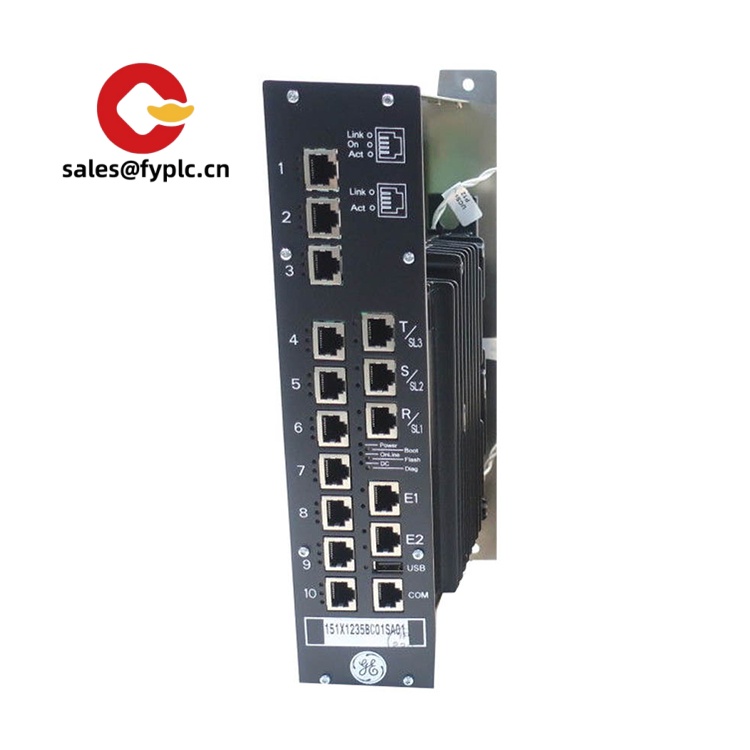
- GE IS215VPROH2B – Protection module commonly interfaced with TREG in Mark VI cabinets for overspeed/trip supervision.
- GE IS200VTURH1B or IS220PTURH1B – Speed/overspeed interface modules that feed the protection logic (module choice depends on system generation).
- GE IS200PSxxx (Mark VI power supply modules) – Stable 24 VDC and logic power for trip and control circuits.
One thing I appreciate is how the TREG pairs with a VPRO protection module: testing the trip chain becomes predictable, and maintenance teams can stage proof-trips without chasing field wiring. A customer maintenance lead told us their quarterly proof-test time dropped by about 30% after standardizing on the TREG wiring layout.
Installation & Maintenance
- Cabinet environment: Install in a grounded, ventilated Mark VI cabinet. Keep ambient within 0–60 °C and avoid condensation; the conformal coat helps, but it’s not a substitute for proper HVAC.
- Wiring practices: Use shielded, segregated routing for trip solenoid leads. Land field wires with ring/fork lugs on the barrier strips; torque to spec and recheck after first thermal cycle.
- Power and fusing: Provide clean 24 VDC with dedicated fusing for each trip channel. In most cases, channels A/B/C should be independent to preserve redundancy.
- Grounding and EMC: Bond shields at the cabinet end only (typical). Maintain separation between high-energy motor leads and low-level interlock wiring.
- Routine checks: Quarterly tighten terminals, verify fuses, and perform a controlled proof-trip. From my experience, exercising the trip solenoids reduces sticking issues.
- Cleaning: If needed, use dry, oil-free compressed air. Avoid solvents on conformal-coated surfaces.
- Firmware/logic updates: No firmware on the terminal board itself, but keep the connected protection/control module logic updated and validated according to site MOC procedures.
Quality & Certifications
- CE and UL/cUL compliance for industrial control equipment (typical for Mark VI hardware).
- Manufactured under ISO 9001 quality systems.
- RoHS status varies by build date; the BEC variant is often supplied in compliant form—confirm against your QA requirements.
- Warranty: 365 days (repair/replace). Burn-in and functional testing can be provided on request.
If you’re replacing a failing trip board or planning a preventive swap, send a photo of your nameplate and cabinet slot details. Matching the exact H1B revision and the coated “E” variant typically avoids requalification headaches and keeps trip test results consistent.

Reviews
There are no reviews yet.