
Description
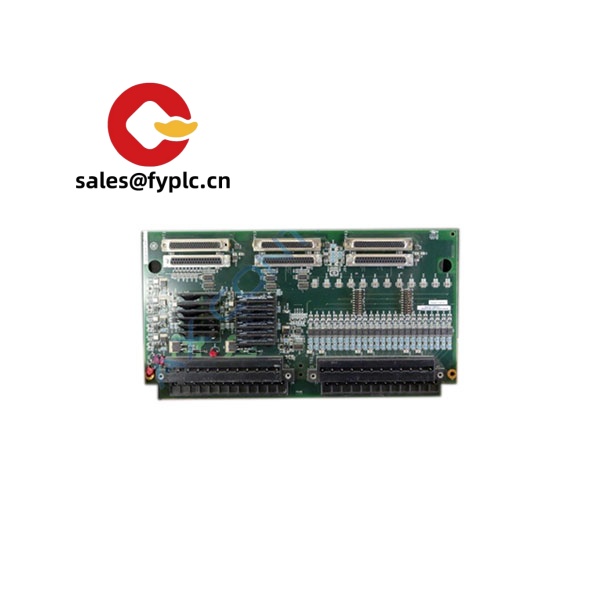
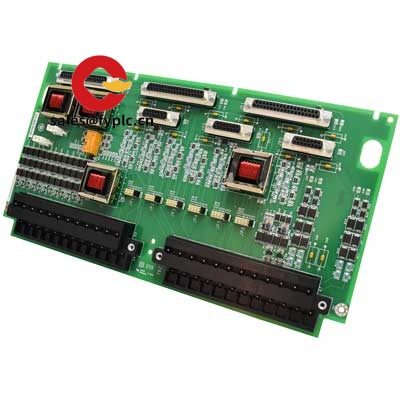
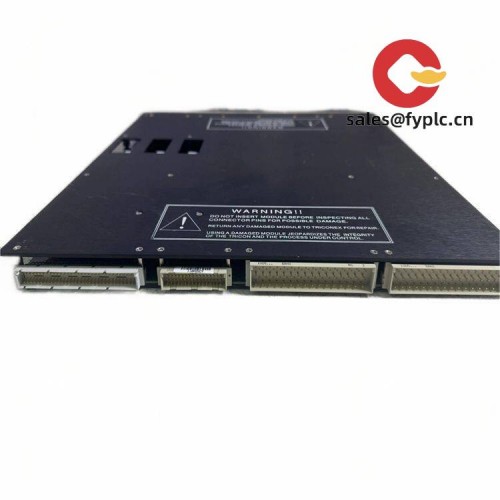
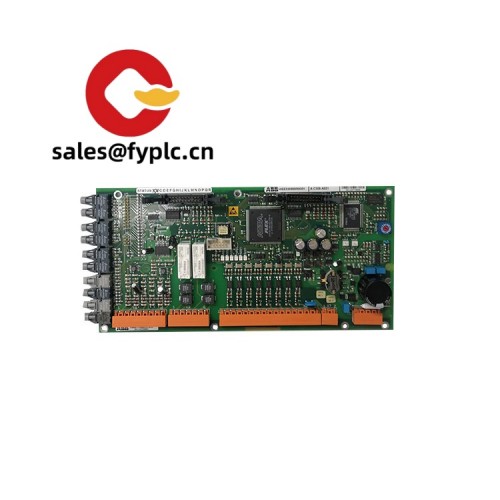
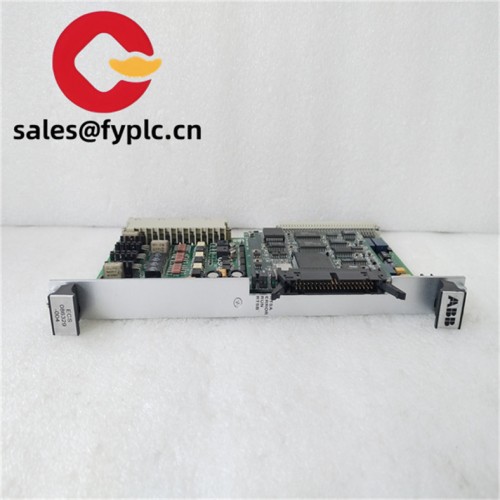
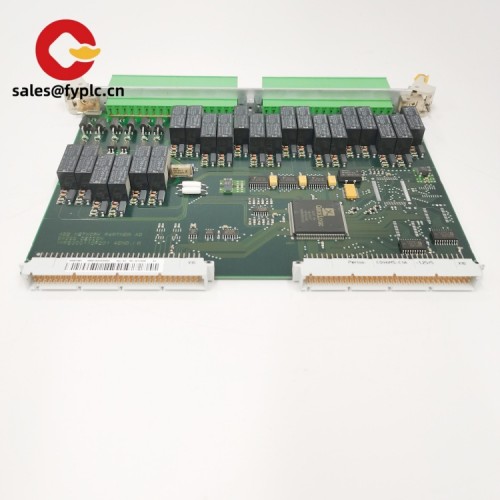
GE IS200TRTDH1C – RTD Input Terminal Board for Mark VI temperature sensing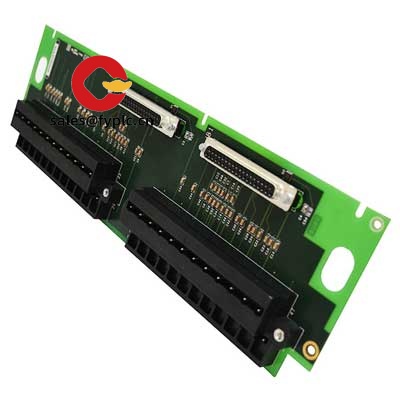
The GE IS200TRTDH1C is a Mark VI terminal board designed for bringing multiple RTD temperature sensors cleanly into the control system. From my experience, it’s the piece you use when you want reliable, low-noise RTD wiring and straightforward termination—typically on gas/steam turbine and balance-of-plant temperature points where accuracy and uptime matter.
Company’s Order Placement Process and Guarantees
- Warranty: 365 days
- Delivery: 1 week if in stock; no more than one month at the latest
- Payment: 50% advance payment; full payment before delivery
- Express options: FedEx, UPS, DHL
Key Features
- Multi‑channel RTD termination – Typically supports a bank of RTD inputs for cabinet consolidation, reducing panel space and wiring clutter.
- 2‑wire and 3‑wire RTD support – Commonly used with Pt100 and Ni120 sensors in many cases, giving you flexibility across plant standards.
- Low-noise layout with shield management – You might notice that noise pickup is minimized thanks to grounded shield points and short internal runs.
- Passive board (no external power) – Excitation and measurement are handled by the associated RTD interface module, which simplifies cabinet power design.
- Mark VI ecosystem compatibility – Works with GE’s RTD interface modules (VME/IO pack side) for tight integration and diagnostics.
- Field-serviceable screw terminals – Barrier‑type terminals help speed up commissioning and cut troubleshooting time on site.
- Supports redundant architectures – In most cases, can participate in TMR arrangements when paired with redundant RTD interface modules.
One thing I appreciate is how predictable the wiring workflow is—installers usually land shielded pairs, set the RTD wiring scheme (2‑ or 3‑wire), and then cable to the interface module. A maintenance tech told us it noticeably reduced their RTD fault-finding because the terminal labeling and shield bars seemed to be thought through.
Technical Specifications
| Brand / Model | GE IS200TRTDH1C (RTD Input Terminal Board, Mark VI) |
| HS Code | 8538.90 (Parts for industrial control equipment) |
| Power Requirements | Passive board; RTD excitation and measurement provided by the connected RTD interface module (no separate external power) |
| Signal Input Types | RTD sensors (commonly Pt100, Ni120); 2‑wire or 3‑wire implementations; shielded cable recommended |
| Signal Output/Interconnect | Wired connection to the associated GE RTD interface module (VRTD/IO pack) via harness/ribbon as per panel design |
| Communication Interfaces | None (terminal board only) |
| Operating Temperature | 0 to 60 °C typical control cabinet environment; 5–95% RH non‑condensing (typical) |
| Installation Method | Panel mounting with standoffs; barrier‑type screw terminals; dedicated shield/earth points |
| System Compatibility | GE Mark VI control systems using compatible RTD interface modules (e.g., VRTD series) |
Related or Supporting Products
- IS200VRTD(H1 series) – RTD interface/processing board that provides excitation and measurement for the TRTD terminal board.
- IS200TRTDH1A / IS200TRTDH1B – Earlier revisions of the same terminal board; the “C” revision typically brings layout or component updates.
- Shield bars and field wiring kits – Useful when upgrading older panels; helps with clean shield termination and noise performance.
- GE Mark VI I/O packs – For systems migrating to mixed architectures, confirm the RTD pack/interface part pairing for your cabinet.
Installation & Maintenance
- Cabinet & mounting – Install on a flat, grounded backplate inside a ventilated control cabinet. Maintain clearance for cable bend radius and service access.
- Wiring – Use twisted, shielded pairs for each RTD. Land shields to the designated shield bar/earth point at one end only to avoid loops.
- RTD configuration – Confirm 2‑wire vs 3‑wire wiring, and keep lead lengths consistent per channel where possible to minimize measurement error.
- Grounding & noise – Bond cabinet ground properly; route RTD cables away from high‑current lines and VFD outputs.
- Routine checks – Periodically re‑torque terminal screws, inspect for oxidation on terminals, and verify shields remain intact.
- Calibration/verification – Sensor calibration is done at the RTD or interface module level; verify scaling and channel health in the Mark VI diagnostics after wiring changes.
- Firmware/logic updates – Not applicable to the terminal board itself, but it’s wise to keep the associated RTD interface module firmware and Mark VI application logic current.
Quality & Certifications
- Manufactured for industrial service; typically supplied from ISO 9001 certified facilities
- CE compliant and UL Recognized components, with RoHS conformity where applicable
- Backed by a 365‑day warranty
If you’re standardizing on Pt100 or Ni120 sensors and want a tidy, serviceable termination point inside a Mark VI cabinet, this board tends to fit well. Most teams like that it’s simple—no surprises during commissioning, and spares are easy to swap when time is tight.

Reviews
There are no reviews yet.