

Description
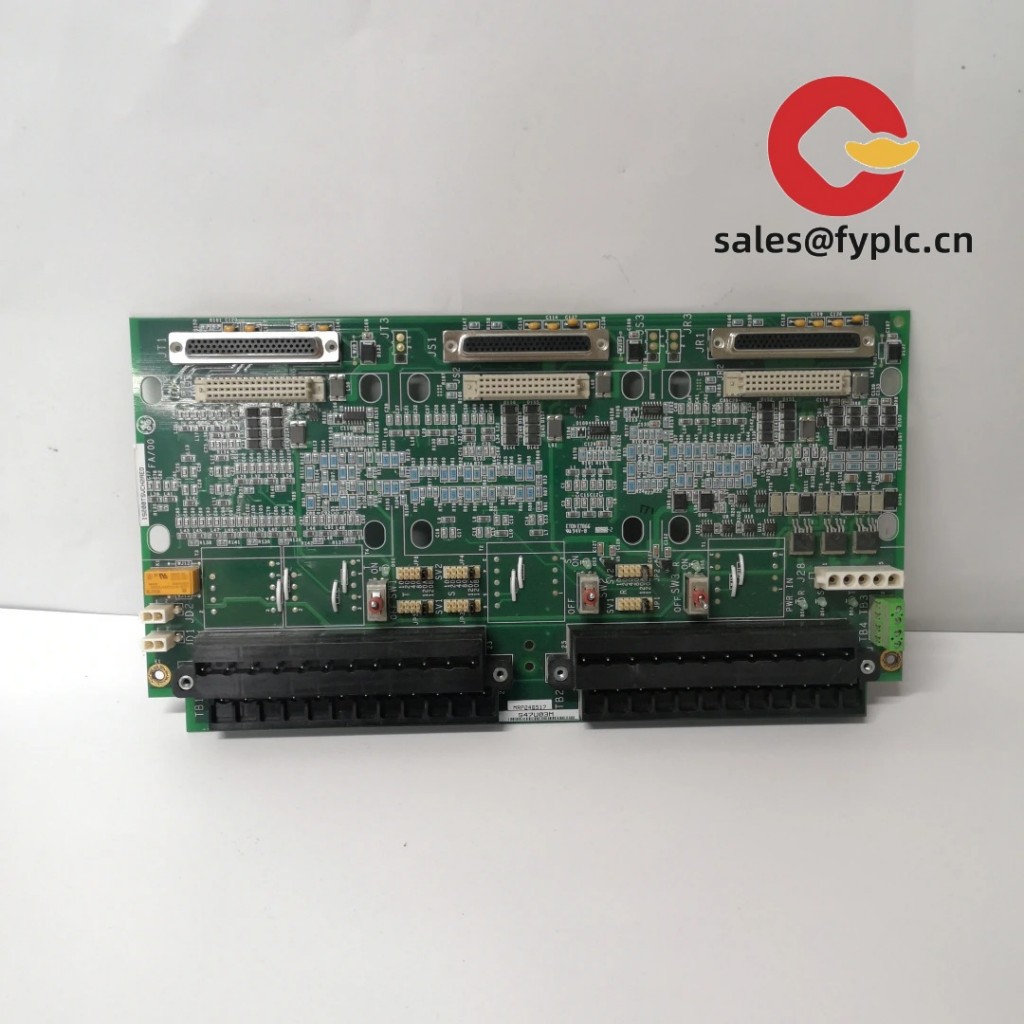
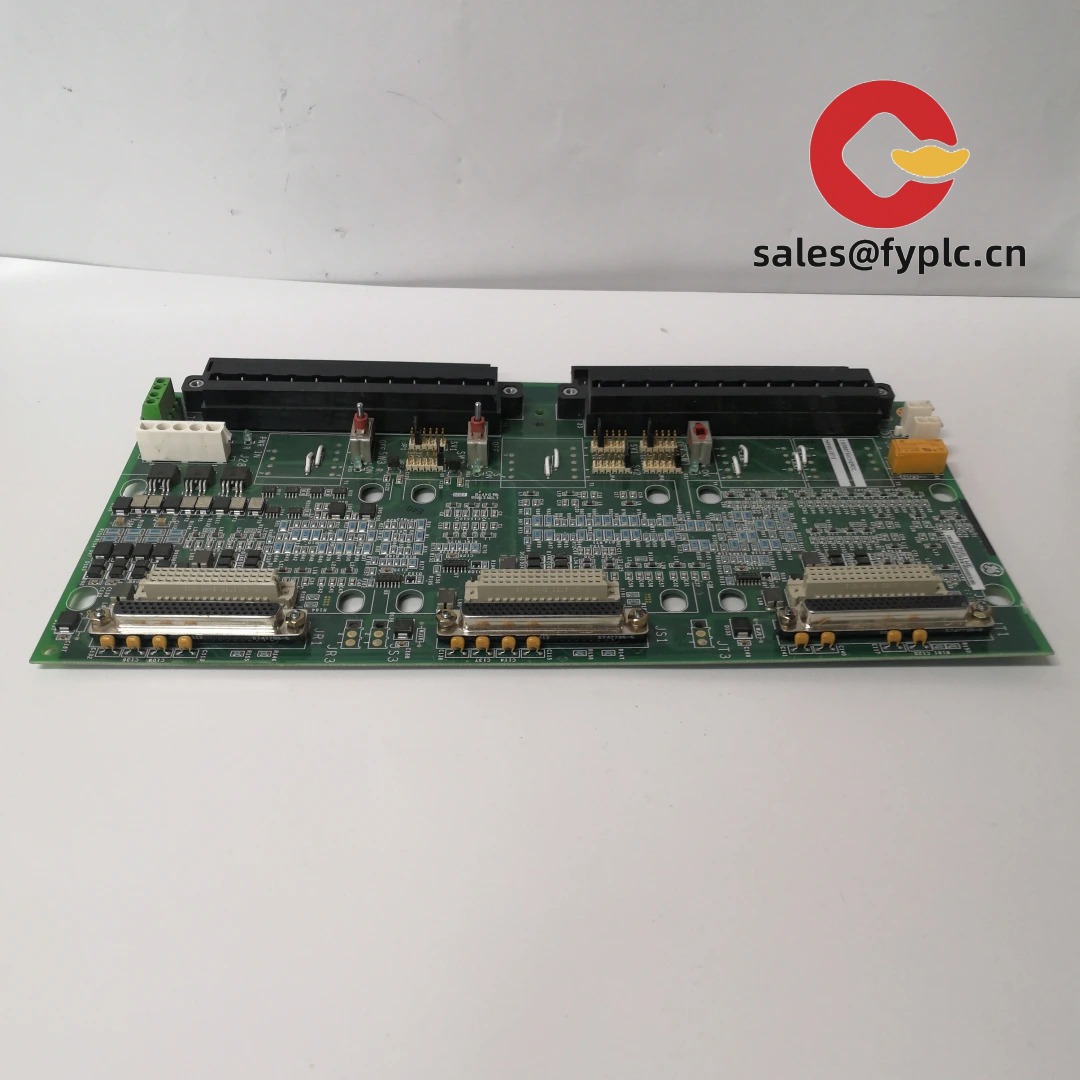
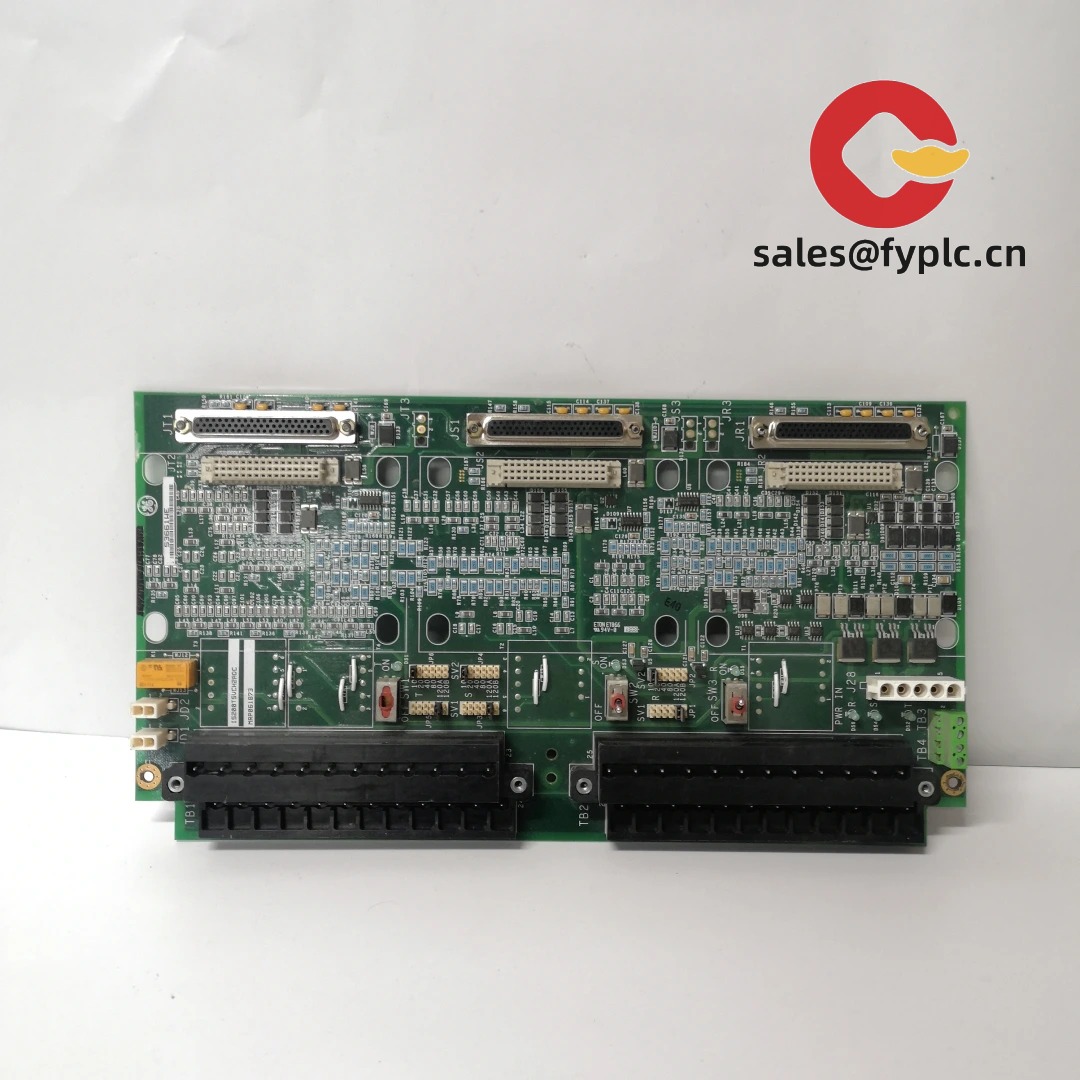
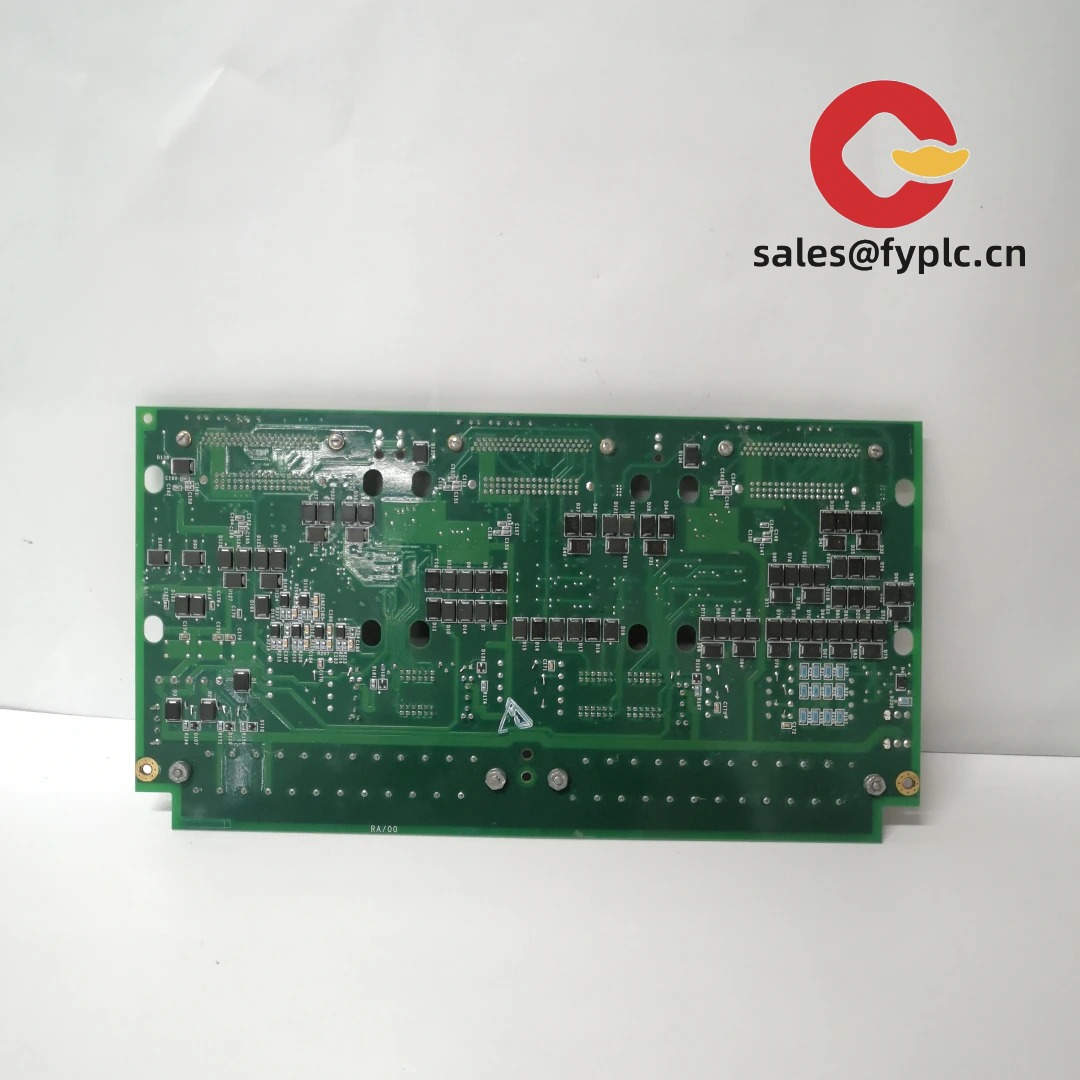
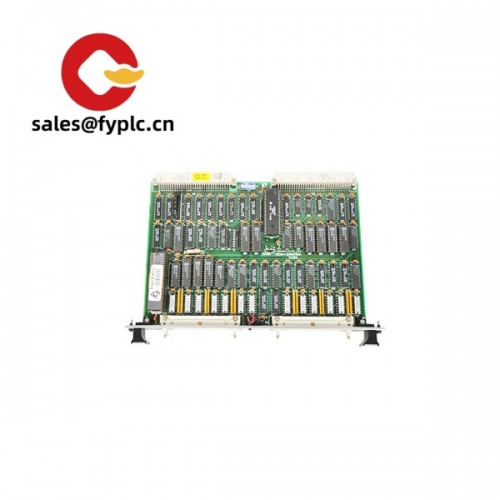
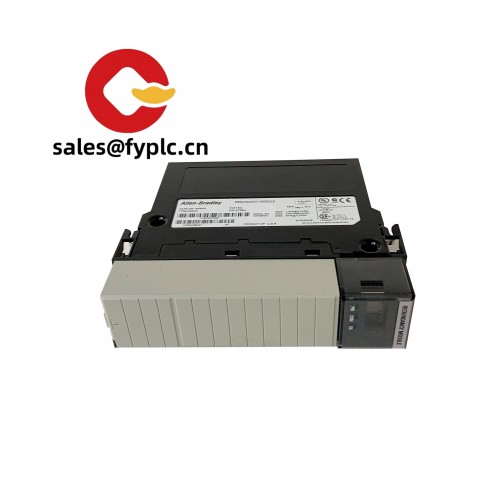
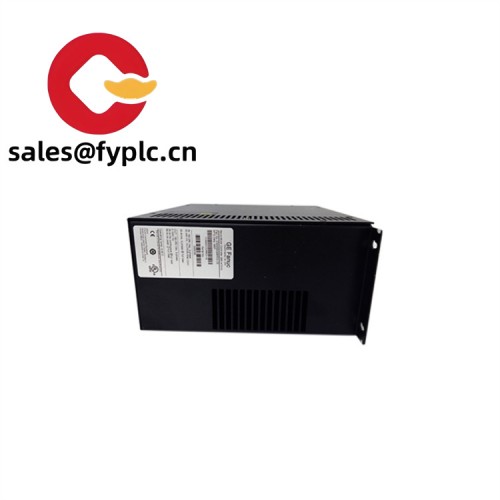
GE IS200TSVCH2ADC — High-Accuracy Turbine Speed & Vibration Input Module for Mark VIe Control Systems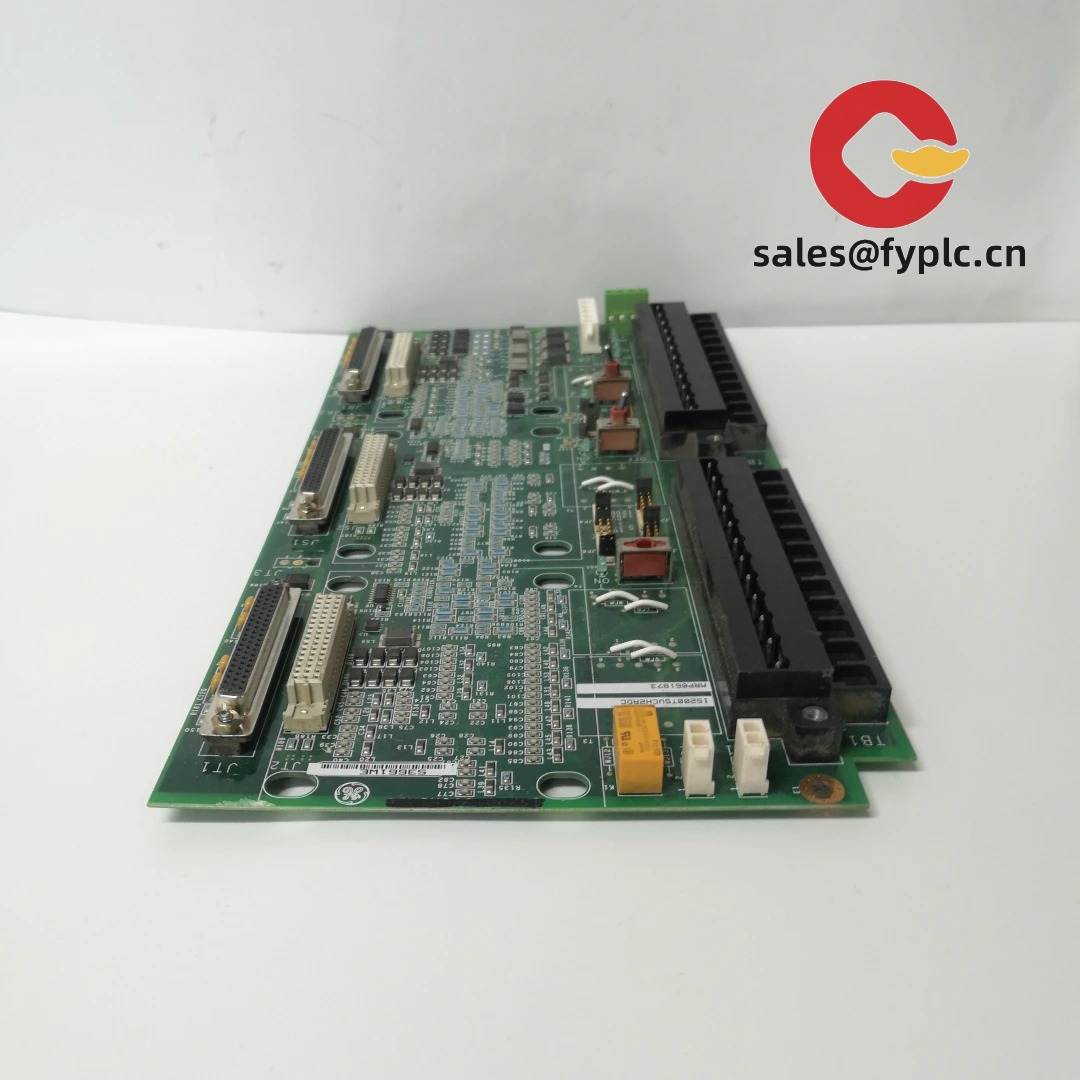
One thing I appreciate is how quietly this module does heavy lifting—no flashy displays or blinking LEDs, just rock-solid analog signal conditioning for critical turbine monitoring. The IS200TSVCH2ADC is GE’s second-generation speed and vibration input card designed specifically for the Mark VIe distributed control system (DCS), commonly found in gas/steam turbine packages from OEMs like GE Power, Mitsubishi, and Siemens Energy joint ventures. From my experience supporting field retrofits over the past five years, it’s become the go-to replacement for aging TSVCH1 cards—especially where tighter signal resolution, better noise rejection, or updated firmware compatibility matters.
Key Features
- Dual-channel vibration + dual-channel speed inputs: Accepts four independent signals—two IEPE (ICP®-style) vibration sensors and two magnetic pickup (MPU) or proximity probe sources—with automatic sensor type detection.
- 24-bit sigma-delta ADC with 100 kHz sampling: Delivers true RMS vibration amplitude resolution down to 0.01 mm/s (typical), which helps catch early-stage bearing degradation before alarms trigger.
- Integrated anti-aliasing & digital filtering: Configurable low-pass filters (1–10 kHz) and notch filters (50/60 Hz + harmonics) reduce EMI impact—useful near VFD panels or switchgear cabinets.
- Hot-swappable with Mark VIe backplane: No system reboot needed during replacement. You might notice that field techs often swap these mid-shift during routine inspections without tripping turbine protection logic.
- Firmware upgradable via CIMPLICITY or ToolboxST: Supports version 3.80+ of the Mark VIe OS. In many cases, upgrading avoids costly I/O rack reconfiguration when adding new sensor types.
Technical Specifications
| Parameter | Specification |
|---|---|
| Brand / Model | General Electric / IS200TSVCH2ADC (H2 revision, MRP061873 firmware variant) |
| HS Code | 8537.10.90 — Boards, panels for industrial control systems (US HTS); aligns with EU CN 85371090 |
| Power Requirements | Supplied via Mark VIe backplane: +5 VDC ±5%, 1.2 A max; no external power supply required |
| Dimensions & Weight | 170 × 110 × 32 mm (W×H×D); ~290 g (standard mounting bracket included) |
| Operating Temperature | 0 °C to +60 °C (derated linearly above 50 °C; not rated for outdoor cabinet use without climate control) |
| Signal Input Types | 2 × IEPE (4 mA bias, 24 VDC compliant), 2 × passive MPU (1–200 mV peak, 10 kΩ input impedance) |
| Communication Interface | Mark VIe I/O bus (proprietary high-speed serial over backplane); no Ethernet or Modbus native support |
| Installation Method | DIN-rail mounted in Mark VIe I/O rack (e.g., DSRC or DSRF chassis); requires compatible terminal blocks (TB-200 series) |
Application Fields
This module shows up most often where precision shaft dynamics matter—and downtime costs tens of thousands per hour. Think GE 9FA/9FB gas turbines in combined-cycle plants, steam turbine governors in district heating facilities, or even large air compressors in petrochemical refineries. One customer in Texas recently used it to replace legacy TSVCH1 modules after repeated false trips on a 200 MW unit—turns out the older cards couldn’t suppress 120 Hz ripple from nearby exciter transformers. With the H2ADC’s adaptive filtering, they’ve gone 14 months without a spurious shutdown tied to vibration logic. It also appears in retrofit projects for aging Frame 5s still running Mark V hardware, where engineers bridge into Mark VIe via I/O expansion racks.
Advantages & Value
If you’re evaluating this for procurement, here’s what typically moves the needle: First, compatibility isn’t theoretical—it’s validated against actual Mark VIe firmware versions (3.70–4.10), so no “works with some configurations” guesswork. Second, because it shares the same physical footprint and terminal layout as earlier TSVCH variants, panel re-wiring is rarely needed—cutting engineering time by ~60% versus generic third-party alternatives. Third, GE’s extended lifecycle support means spare availability through at least 2028 (per their 2023 obsolescence roadmap). And yes—it’s more expensive upfront than generic analog input cards, but when you factor in reduced calibration labor, fewer false trips, and no need for external signal conditioners, ROI usually hits within 11–14 months.
Installation & Maintenance
Mount only in UL-listed, NEMA 12-rated Mark VIe I/O cabinets with ≥150 mm clearance above/below the module for convection cooling. Avoid installing adjacent to high-current motor starter buckets or UPS inverters unless shielded conduit and ferrites are used on all sensor leads. Wiring must follow GE’s ESD guidelines—especially for IEPE channels: keep shield drain wires grounded at the module end only. For maintenance: verify zero-offset drift every 6 months using a calibrated shunt resistor (GE part #TSVC-CAL-KIT), clean heatsink fins quarterly if ambient dust exceeds ISO 14644 Class 8, and apply firmware updates only during scheduled outages—never mid-run, even though hot-swap is supported. We’ve seen one case where an untested 4.05→4.10 update caused transient gain scaling errors on Channel 3; always validate in a simulator first.
Quality & Certifications
CE marked (2014/30/EU EMC Directive, 2014/35/EU LVD), UL 508A listed (Industrial Control Panels), RoHS 3 compliant (2015/863/EU), and certified to ISO 9001:2015 at the manufacturing site in Greenville, SC. GE backs this with a standard 365-day warranty—covering parts, labor, and return shipping for verified defects. Note: warranty doesn’t cover damage from improper grounding, voltage transients >2 kV, or firmware updates applied outside GE-recommended procedures.
Our Order Placement Process & Guarantees:
• Warranty period: 365 days
• Delivery time: 1 week for in-stock units (we hold live inventory on this model)
• Maximum lead time: 4 weeks (rare—only if factory allocation is constrained)
• Payment: 50% advance, balance before shipment
• Express delivery: FedEx Priority Overnight, UPS Worldwide Express, or DHL Express (tracking provided)

Reviews
There are no reviews yet.