
Description
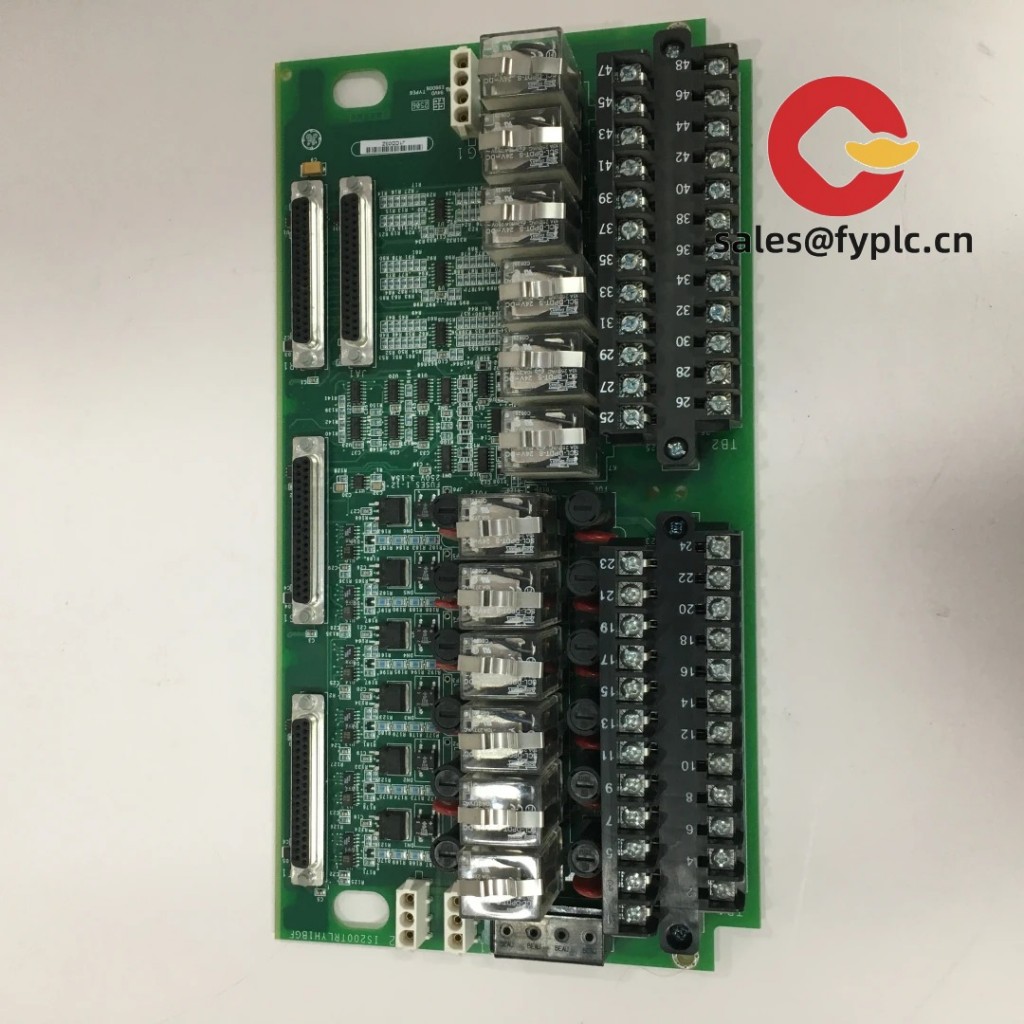
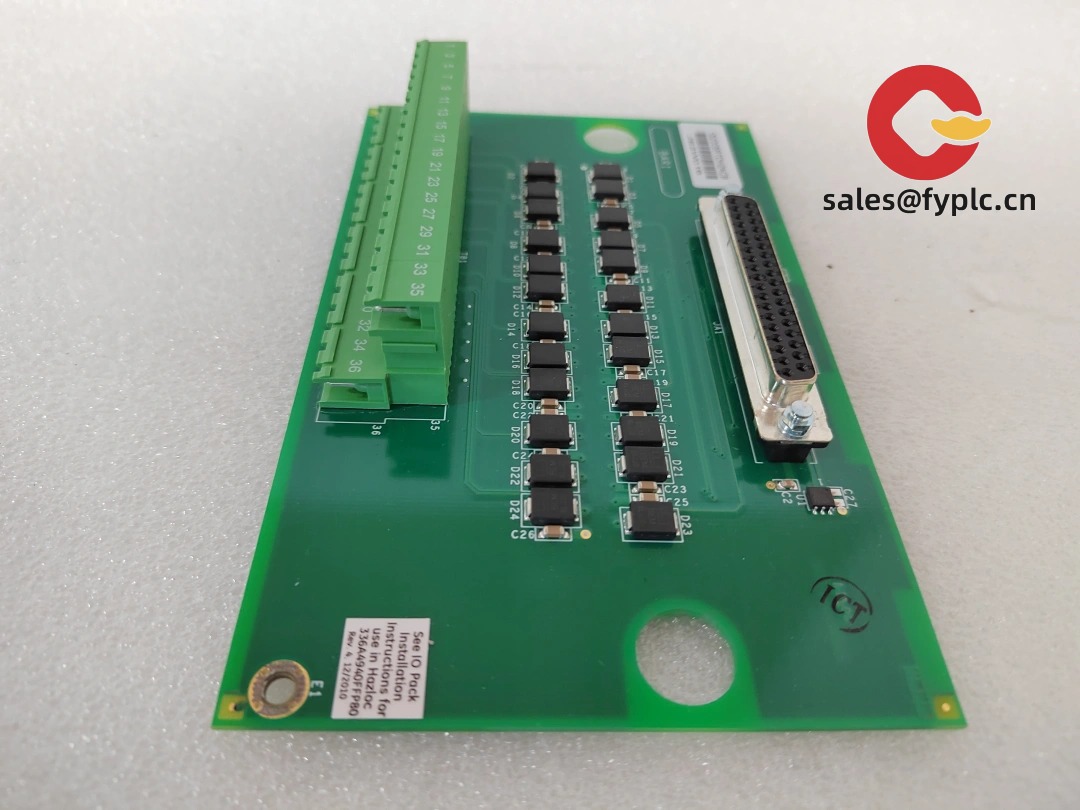
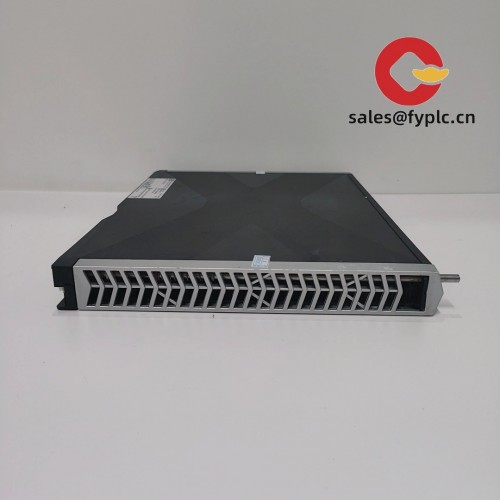
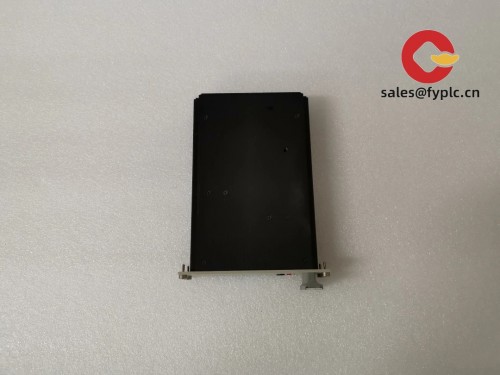
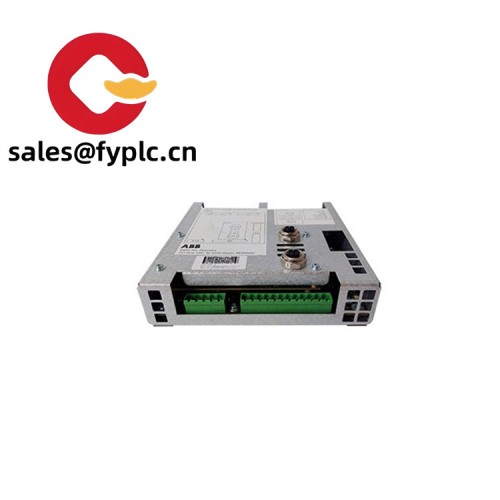
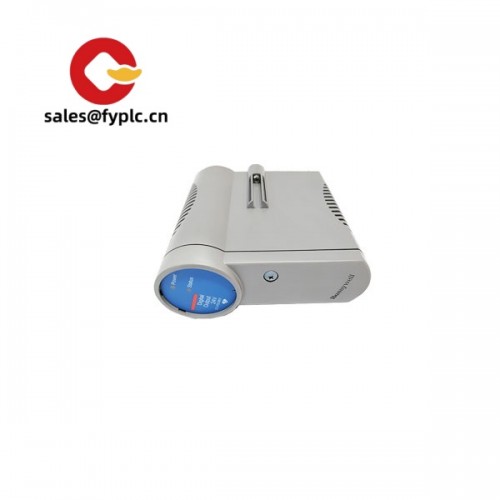
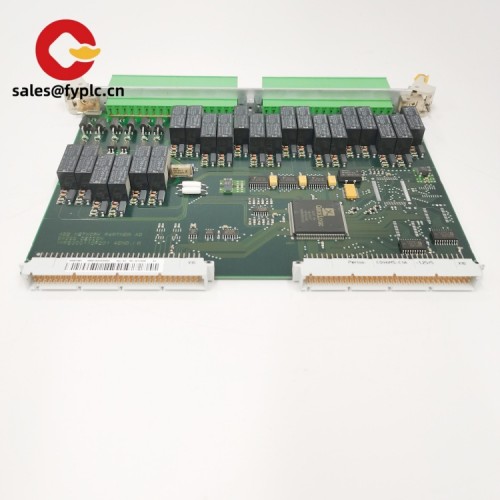
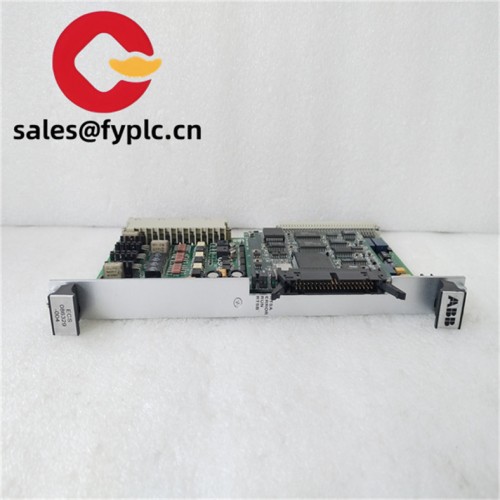
GE IS200WREAS1ADB: Your Turbine Safety System’s Silent Guardian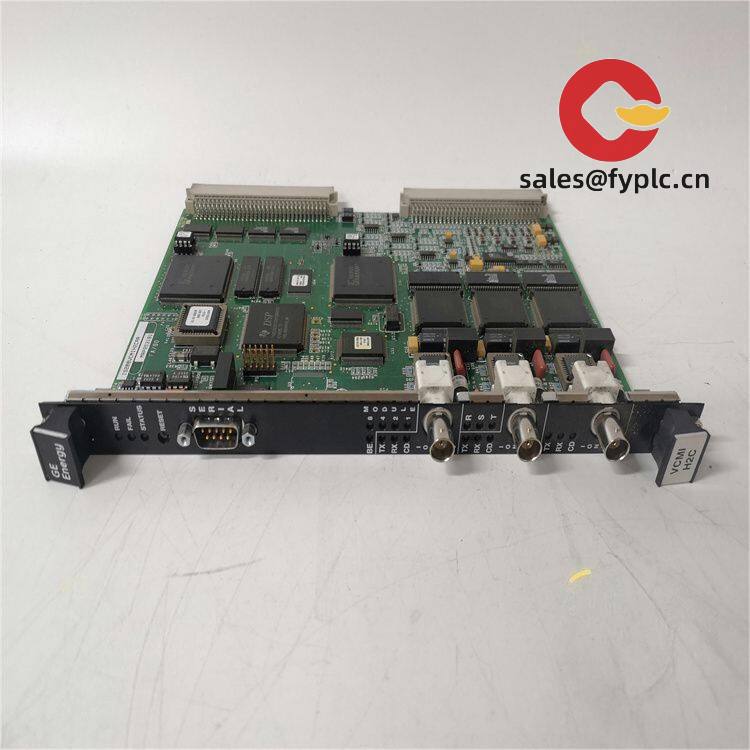
You know how turbine control systems can turn into headaches during unexpected shutdowns? From my experience troubleshooting Mark VIe panels, this relay output module quietly handles critical safety interlocks when everything else is going haywire. One thing I appreciate is how it keeps your combustion turbines breathing smoothly during grid fluctuations – especially when refinery operators are sweating through a summer peak demand surge.
Why Field Techs Keep This Module in Their Toolkit
- 16 fail-safe relay channels – Handles emergency shutdown sequences without breaking a sweat, though you’ll probably want to verify terminal torque specs after thermal cycling in desert installations.
- Hot-swappable design – Swap modules during runtime without crashing your control system. Saved me three hours during a Florida power plant outage last month when Channel 7 started acting up.
- DIN rail compatibility – Fits standard control cabinets, but watch out: it needs that 25mm clearance above for heat dissipation in tropical climates.
- Mark VIe-native communication – Talks seamlessly with Turbine Control Processors, though it won’t play nice with legacy Mark V systems without that adapter card.
Real Numbers for Your Engineering Team
| Specification | Details |
|---|---|
| Brand/Model | GE IS200WREAS1ADB |
| HS Code | 8537.10.0090 (Industrial control apparatus) |
| Power Requirements | 24V DC ±10% (typically draws 0.8A during surge) |
| Dimensions & Weight | 120 x 100 x 75mm / 0.6kg – Fits tight spaces where legacy relays used to live |
| Operating Temperature | -25°C to +70°C (most plants run it between 5-50°C for longevity) |
| Signal I/O | 16 Form C relays (5A @ 250VAC), dry contacts only |
| Installation Method | Top-hat DIN rail (35mm) – leave breathing room above like your manual says |
Where It Earns Its Keep
You’ll typically find this module guarding gas turbines at combined-cycle plants – think emergency lube oil pumps kicking in during flameout scenarios. A refinery client recently told me how it prevented a $2M catalyst damage incident when their compressor tripped unexpectedly. It’s also surprisingly common in offshore wind farm substations handling grid disconnection sequences, though I wouldn’t recommend it for direct wave-splash zones.
Why Procurement Teams Keep Ordering It
Let’s be real – you’re not buying this for cost savings upfront. But when your outage costs $50k/hour, the 365-day warranty and 1-week delivery on stocked units suddenly become part of your risk mitigation. Compatibility with existing Mark VIe frames means no costly re-engineering, and GE’s technical support actually answers calls at 2AM during black starts. One Midwest utility told me their maintenance team stocks three spares per site because “finding relays during storm season is like hunting unicorns.”
Keeping It Running Smoothly
Mount it in NEMA 12 cabinets with forced ventilation if ambient temps exceed 55°C – seen too many modules cook in Middle Eastern control rooms without proper airflow. Always torque terminals to 0.5 Nm; loose wires caused 30% of field failures I’ve diagnosed. For maintenance, blow out dust quarterly (compressed air below 30 PSI!) and check relay contact resistance annually. Firmware updates? Only when GE pushes critical patches – otherwise leave it alone.
Certifications That Matter On-Site
It carries CE, UL 61010-1, and RoHS compliance – enough to clear customs without drama. The real peace of mind? GE’s 365-day warranty covers field-replaceable components (though not your technician’s coffee spill incident). In my experience, most plants replace these during scheduled outages before warranty expires anyway – they’re built like tank treads for industrial environments.
Reviews
There are no reviews yet.