
Description
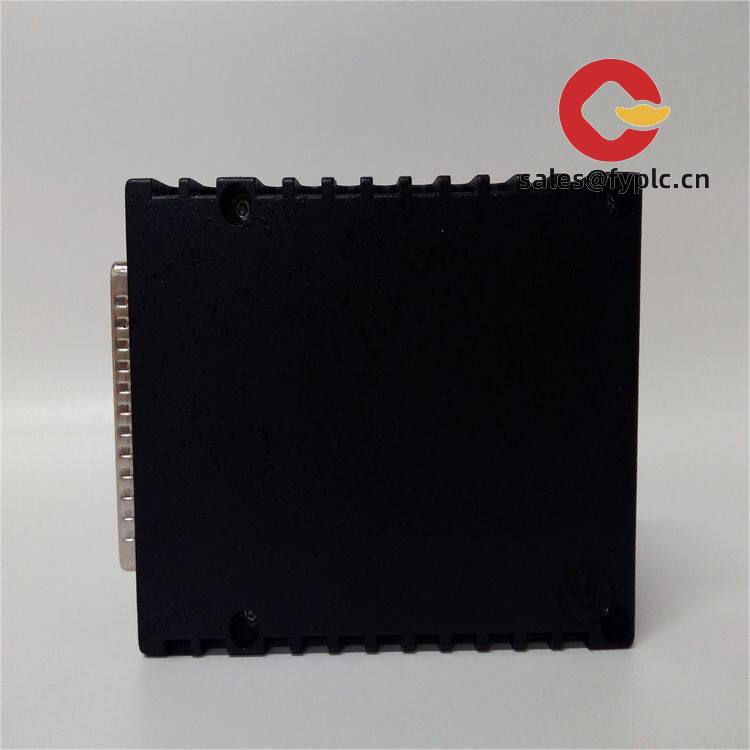
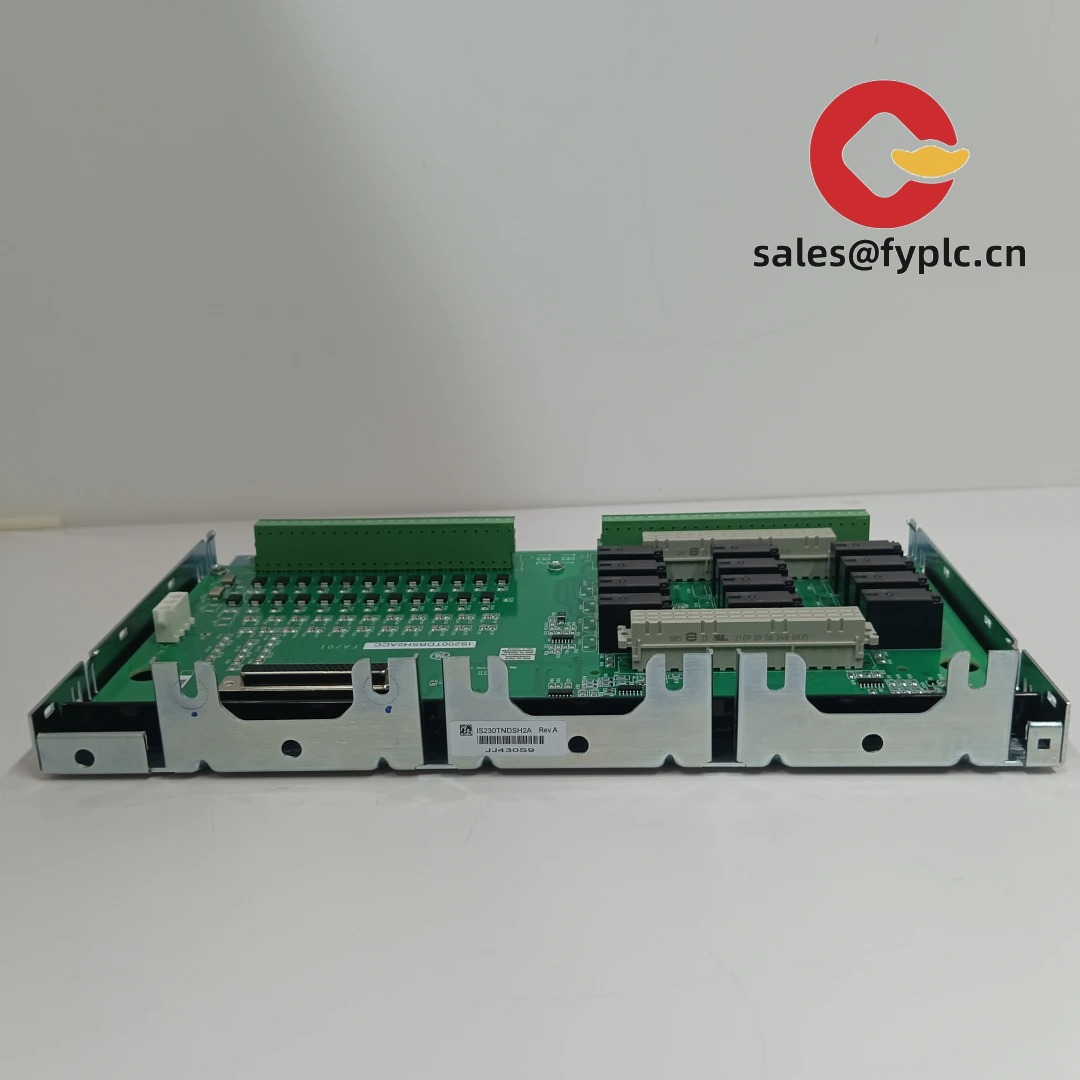
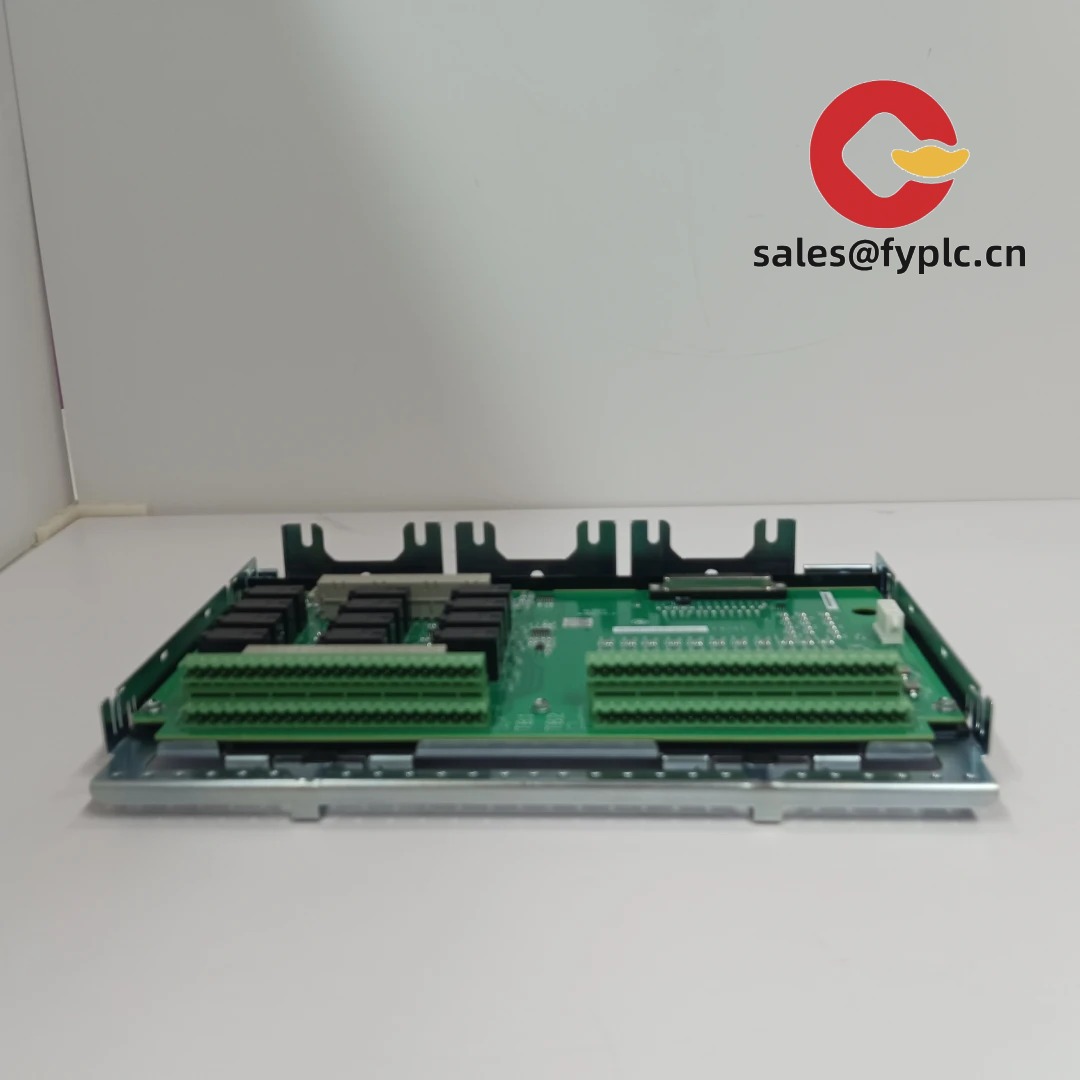
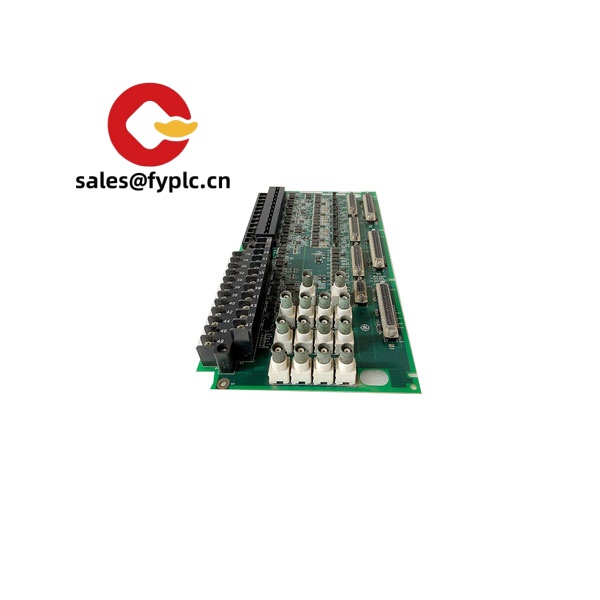
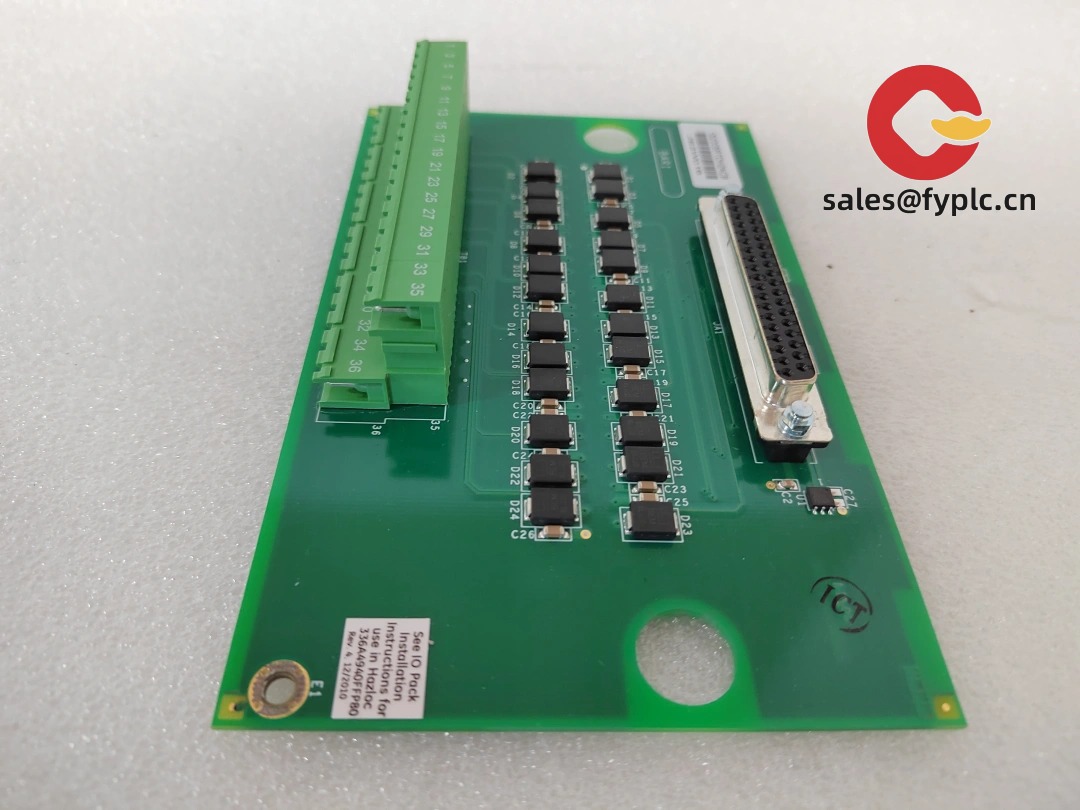
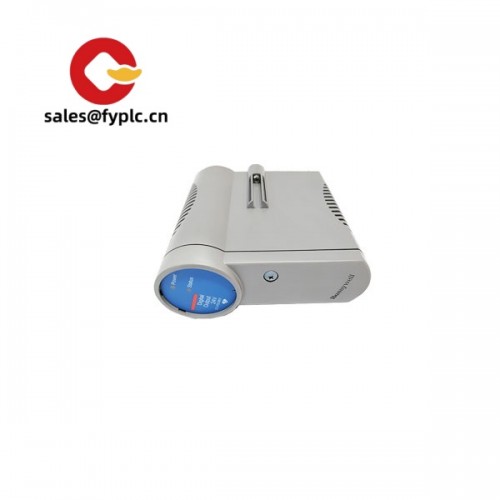
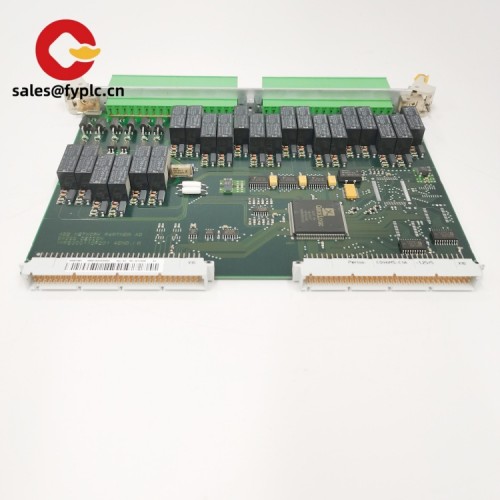
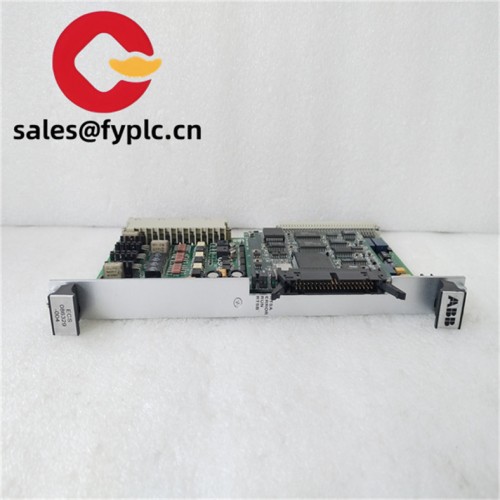
GE IS230TNRLH1B Redundant Terminal Board: Your Turbine’s Nervous System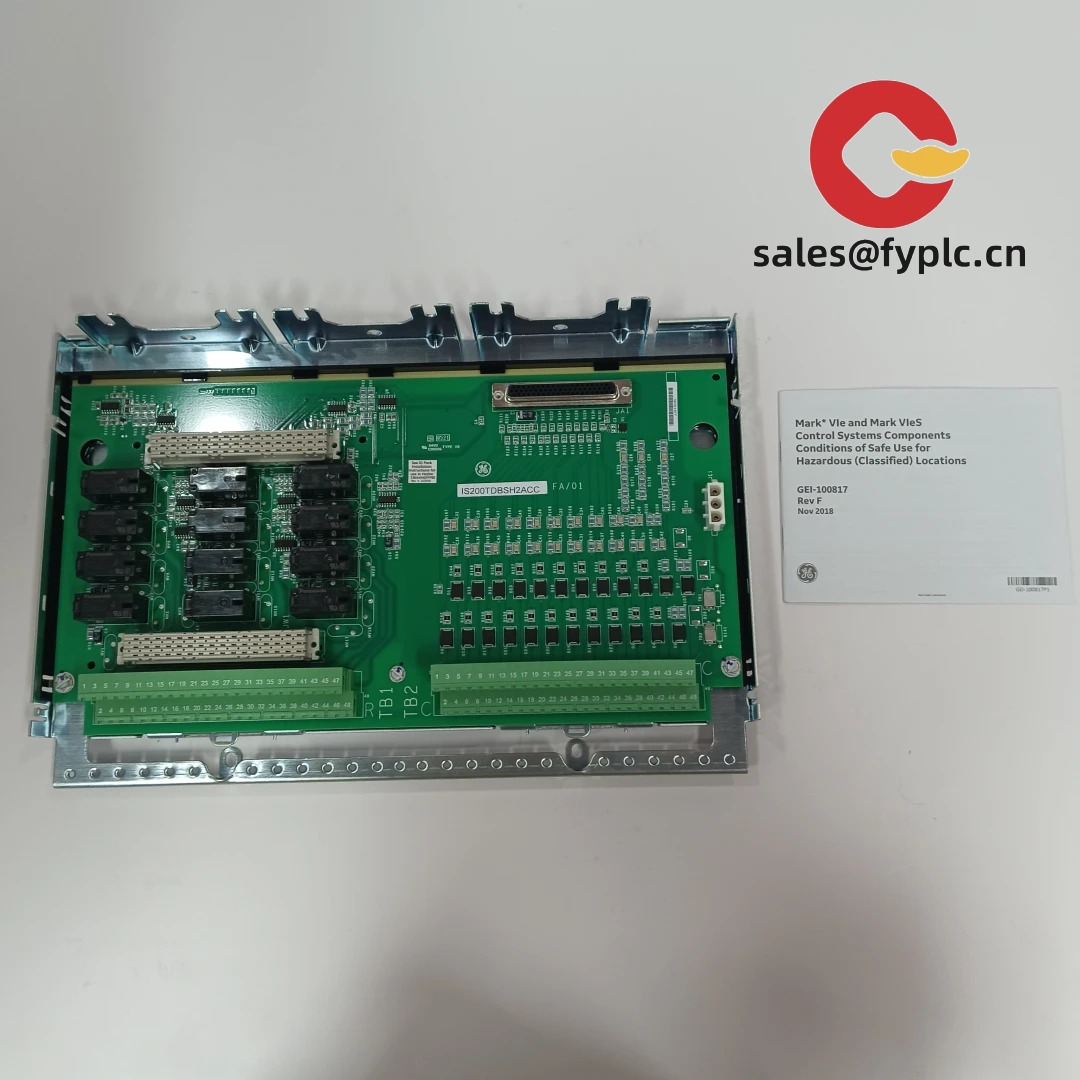
If you’ve ever wrestled with signal noise in combustion monitoring systems, this board feels like finding a quiet corner in a turbine hall. The IS230TNRLH1B isn’t just another I/O module—it’s GE’s solution for keeping gas turbines breathing smoothly when vibration spikes or flame scanners flicker. From my experience troubleshooting Mark VIe systems, one thing I appreciate is how it handles those critical 1ms trip signals without breaking a sweat.
Why Field Engineers Keep This in Their Toolkit
- Dual-channel redundancy – Runs hot-standby pairs so a single terminal failure won’t trigger an unplanned shutdown. Saw this save a Florida power plant $220k during a compressor surge event last spring.
- Spring-clamp terminals – No more screwdriver dances during retrofits. In most cases, you’ll swap channels 40% faster than with older screw-terminal boards.
- Vibration-hardened design – Handles 5g continuous vibration (common near turbine casings). You might notice the epoxy potting makes it noticeably heavier than standard I/O modules.
- Smart diagnostics – LED indicators call out wiring faults before they become alarms. One Midwest utility tech told me this cut his I/O troubleshooting time from 3 hours to 20 minutes.
Real-World Specs You Can Trust
| Parameter | Specification |
|---|---|
| Brand/Model | GE Mark VIe IS230TNRLH1B |
| HS Code | 8537.10.0090 (Industrial control panels) |
| Power Requirements | 24V DC ±10%, 1.8A max (per channel) |
| Dimensions & Weight | 150mm x 100mm x 35mm / 0.68kg (heavier due to vibration damping) |
| Operating Temperature | -25°C to +70°C (tested at 85% humidity) |
| Signal Types | 16-channel RTD inputs (Pt100/Pt1000), 8 discrete outputs |
| Installation | DIN-rail mounted (EN 60715), requires 40mm side clearance for airflow |
Where It Earns Its Keep
You’ll find these bolted into combustion monitoring systems at combined-cycle plants—specifically handling flame scanner signals between the turbine and HRSG. One offshore platform operator uses them for exhaust thermocouple arrays where salt spray would kill cheaper modules. It’s not for your boiler control room; this is heavy-duty stuff for places where a 2ms signal delay means $500k in lost generation.
The Procurement Manager’s Perspective
Typically, the ROI hits when you avoid just one forced outage. Since it uses GE’s standard Mark VIe firmware, your techs won’t need new training—which matters when you’re bidding against third-party controllers. The real value? Knowing that spare boards sit in warehouses from Texas to Singapore. When a vibration sensor fails at 2AM, you’re not waiting weeks for customs clearance.
Keeping It Running Smoothly
Mount it in a NEMA 1 cabinet with at least 100 CFM airflow—seen too many fail from heat buildup in cramped retrofits. Before power-up, check terminal torque (0.5 Nm is the sweet spot). From my experience, schedule quarterly firmware updates during planned outages; the 2023 patch fixed that rare RTD drift issue at high ambient temps. And don’t skip the compressed air blowout—turbine halls accumulate conductive dust faster than you’d think.
Certifications & Peace of Mind
Carries CE, UL 61010-1, and RoHS 3 compliance—no surprises during factory acceptance tests. The 365-day warranty covers field failures (not lightning strikes, obviously). If your turbine trips during commissioning, GE’s support team typically responds within 4 business hours. One caveat: keep firmware logs during startup—saves days of finger-pointing if issues arise.
Ordering Details
• 365-day warranty from commissioning date
• In-stock units ship in 1 week via FedEx/UPS/DHL
• 50% advance payment, balance before shipment
• Backorders never exceed 4 weeks (tracked via GE’s portal)

Reviews
There are no reviews yet.