
Description
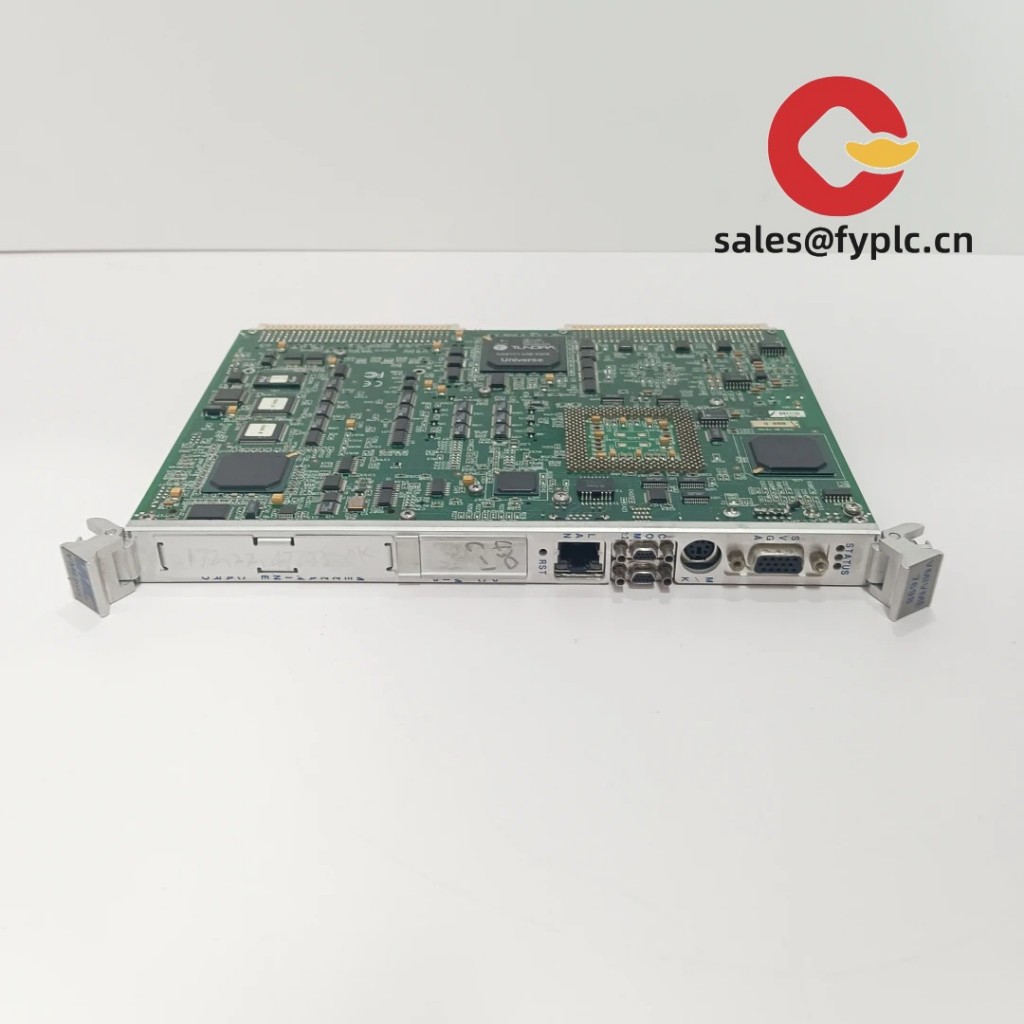
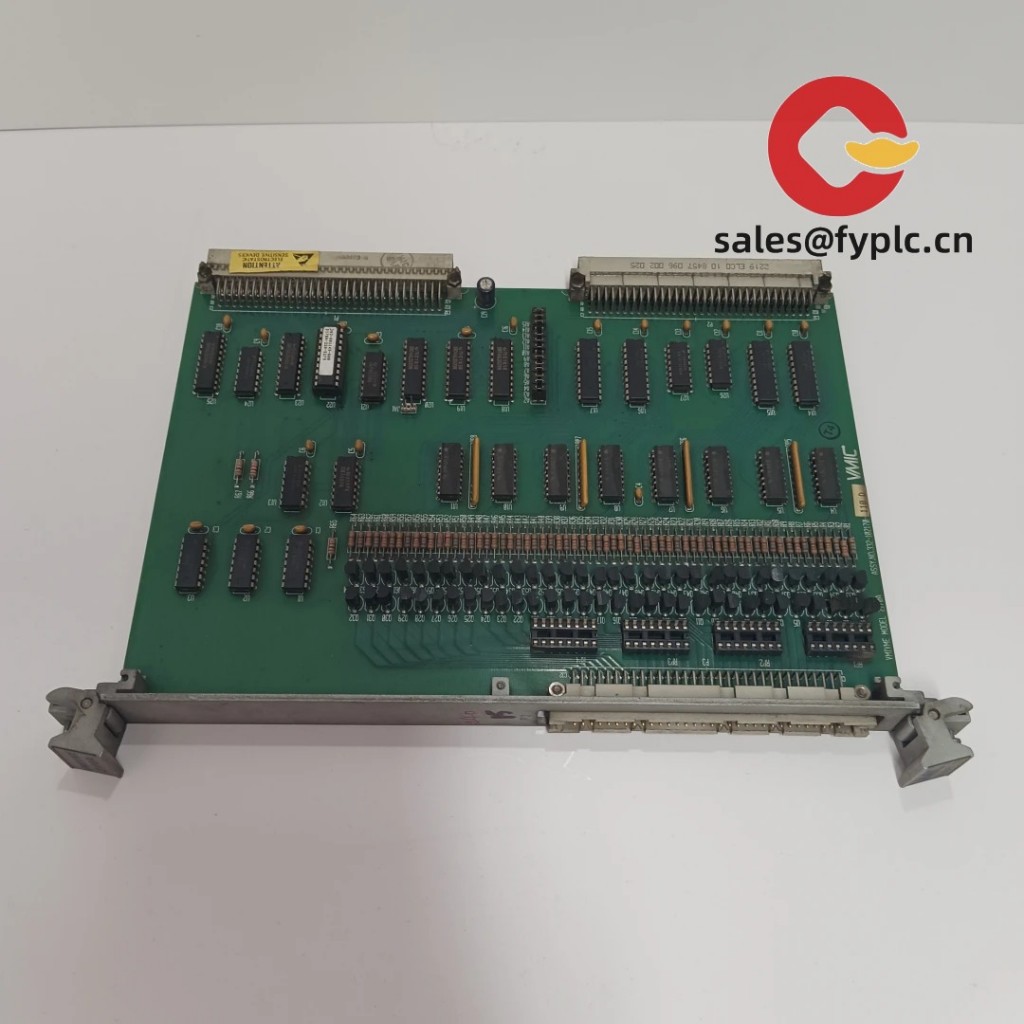
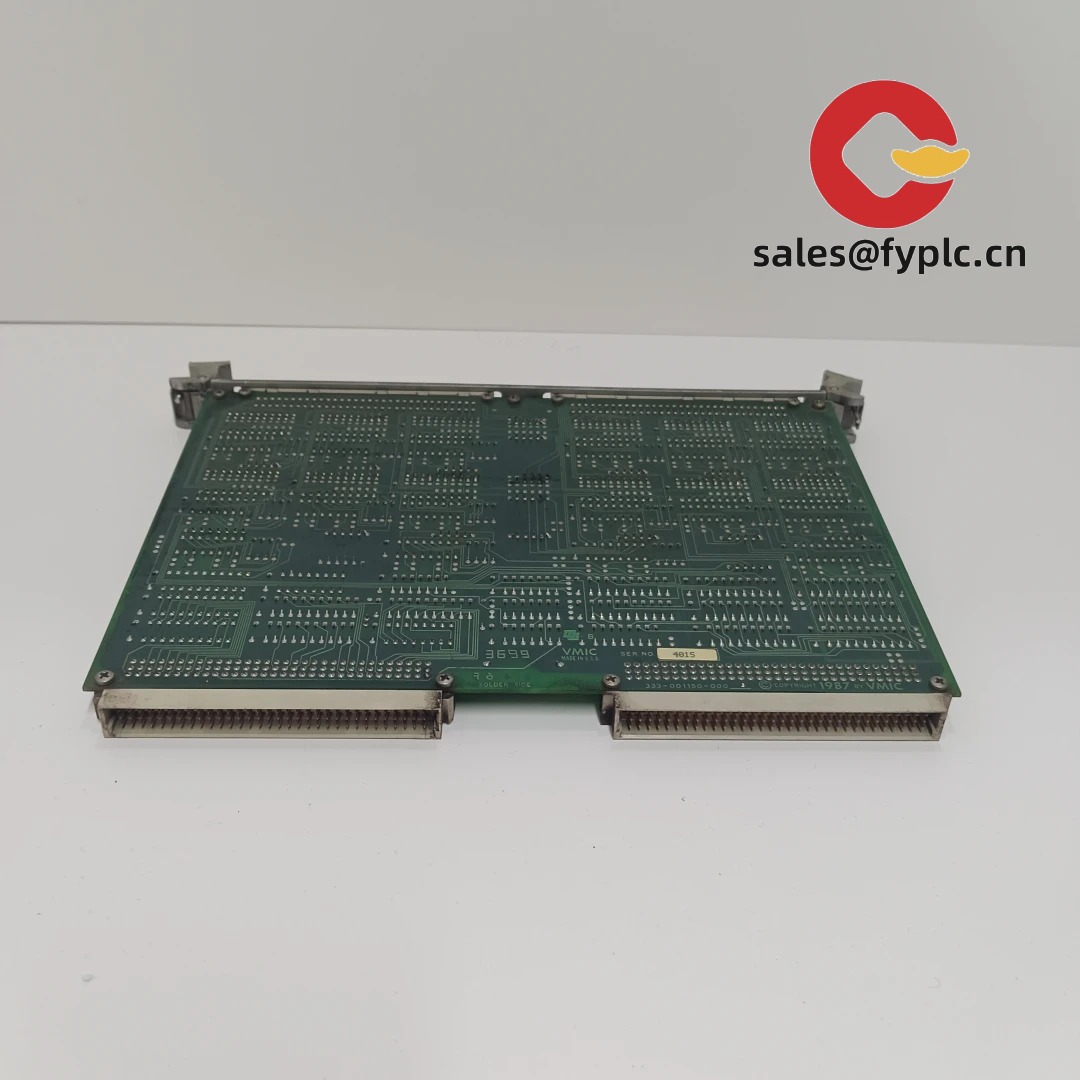
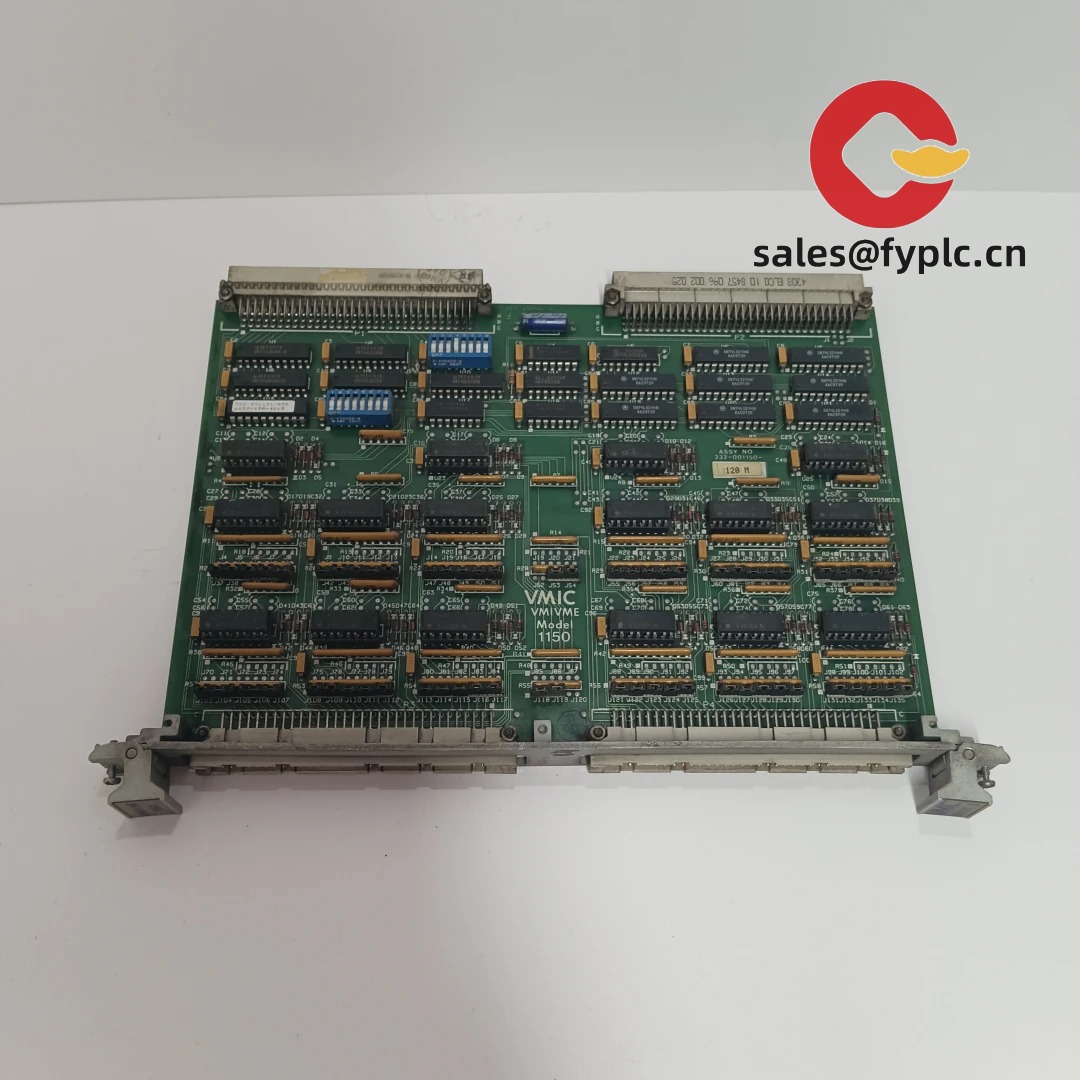
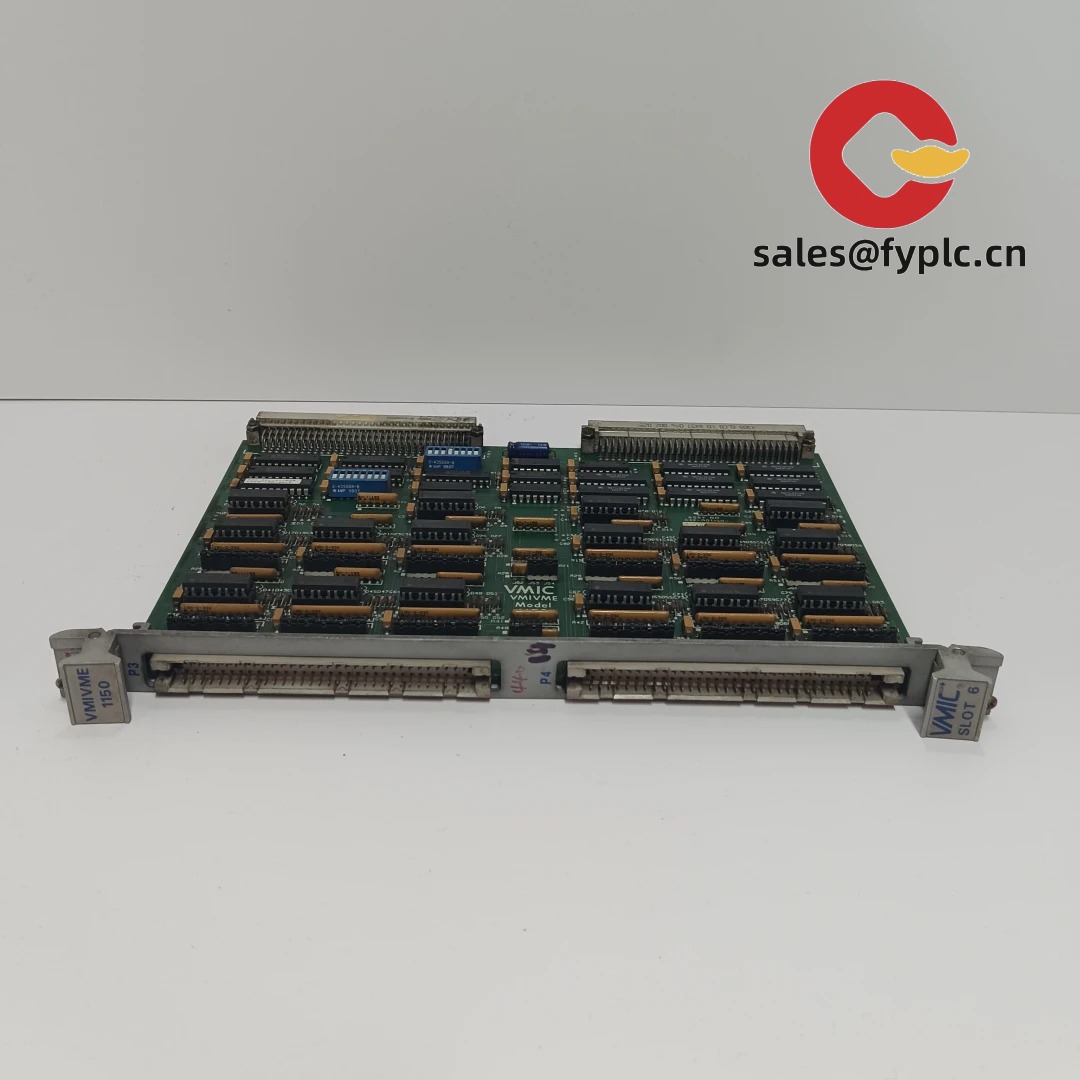
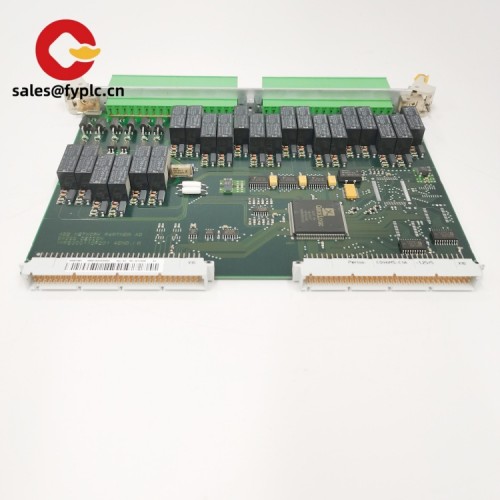
GE VMIVME-1150 — High-Reliability VMEbus Serial Communications Controller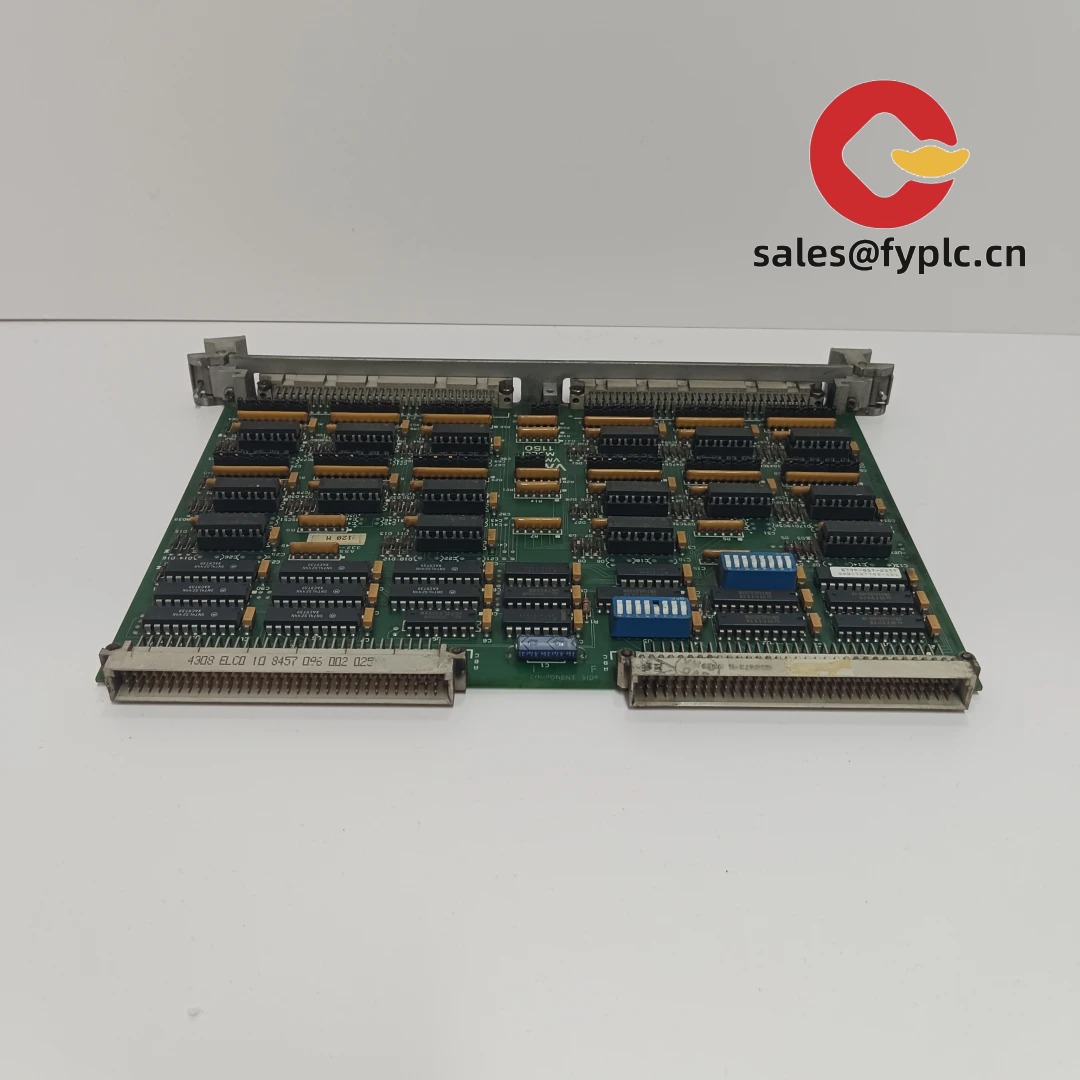
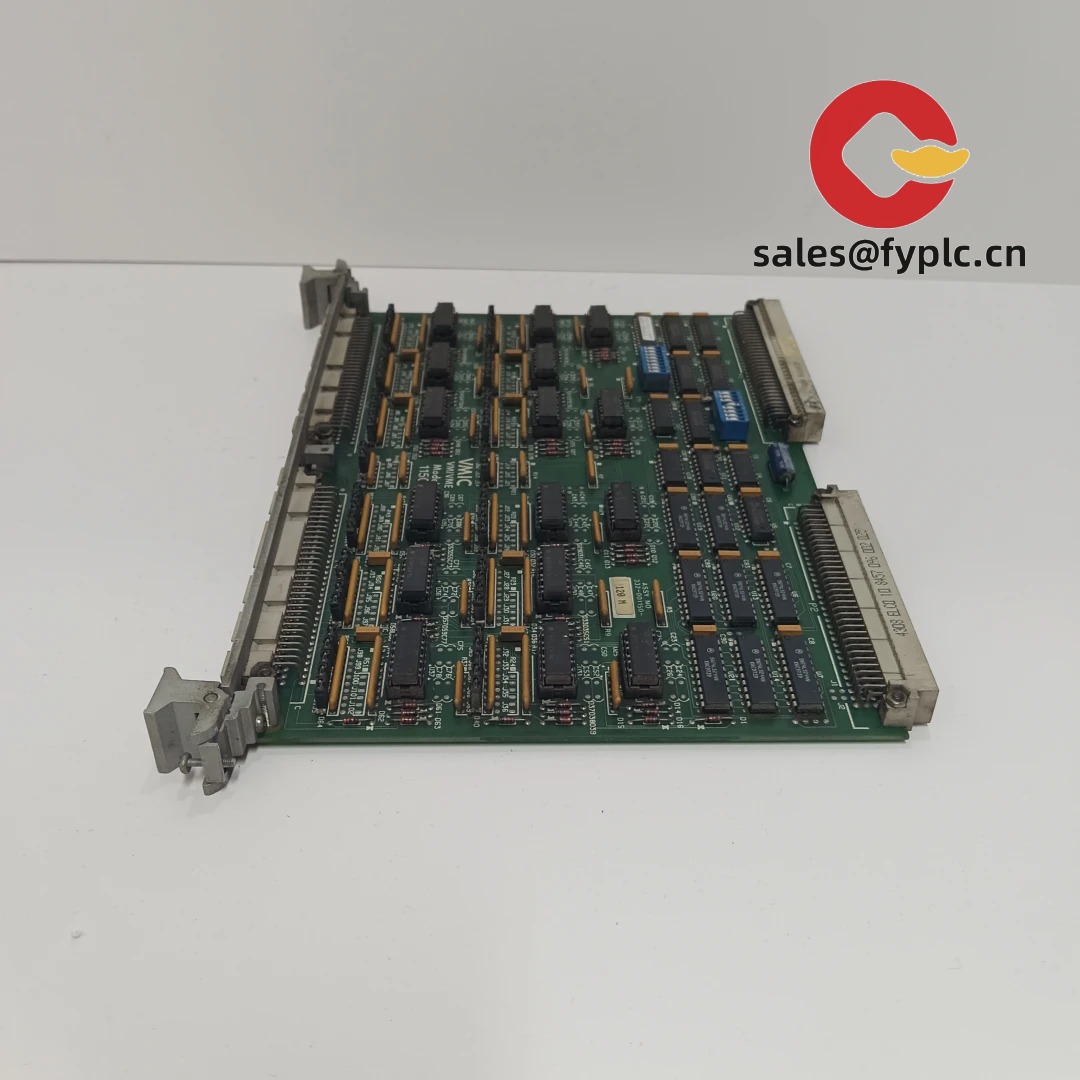
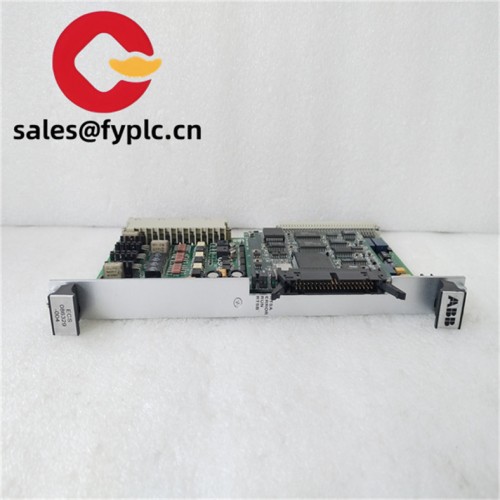
It’s one of those cards you don’t think about—until it’s missing. The GE VMIVME-1150 is a rugged, dual-channel RS-232/RS-422/RS-485 serial communications controller built for VMEbus systems that need consistent, low-latency serial I/O in harsh industrial or defense environments. From my experience supporting control rooms in power substations and rail signaling cabinets, this board tends to stay powered on for years without a hiccup—especially when paired with well-grounded backplanes and stable 5 VDC supplies.
Key Features
- Dual independent serial ports — Each supports RS-232, RS-422, or RS-485 (software-selectable per channel), letting you talk to legacy PLCs over 485 while logging diagnostics via RS-232 simultaneously.
- VMEbus slave interface with A16/A24 addressing — Integrates cleanly into existing VME chassis; no custom drivers needed if you’re running VxWorks or Linux-VME kernels (we’ve seen it work out-of-the-box on MVME2100 and PEPX-based systems).
- Onboard 16C550-compatible UARTs with 16-byte FIFOs — Reduces CPU overhead significantly compared to older 8250-style chips, especially at baud rates above 38.4 kbps.
- Galvanic isolation option (VMIVME-1150-ISO) — Not standard, but available as a factory-configured variant; we’ve recommended it for wastewater SCADA sites where ground loops caused intermittent framing errors on the non-isolated version.
- Extended temperature support (–40°C to +85°C) — Typically used in uncooled outdoor VME enclosures—though keep in mind the actual operating range depends heavily on airflow and adjacent heat sources.
Technical Specifications
| Parameter | Specification |
|---|---|
| Brand / Model | GE VMIVME-1150 |
| HS Code | 8537.10.90 (Control panels for industrial use, not elsewhere specified) |
| Power Requirements | +5 VDC only (typical draw: 1.2 A @ 5 V; max 1.5 A) |
| Dimensions & Weight | Single-slot VME (160 × 100 mm); ~220 g (standard version) |
| Operating Temperature | –40°C to +85°C (industrial grade; derating applies above 70°C without forced air) |
| Signal Input/Output Types | RS-232 (TIA-232-F), RS-422 (TIA-422-B), RS-485 (TIA-485-A); software-configurable per port |
| Communication Interfaces | VMEbus (A16/A24, D16/D32 compatible), interrupt level 1–7 selectable |
| Installation Method | Standard VMEbus backplane slot; requires front-panel DB9 or terminal block adapter (sold separately) |
Application Fields
This board shows up where legacy meets longevity: nuclear plant safety systems still using Modbus RTU over RS-485, military vehicle test benches syncing with GPS timing over RS-422, and aging refinery DCS gateways bridging Honeywell TDC-3000 serial links to modern HMI networks. One customer in Rotterdam told us they replaced three failing third-party serial cards with VMIVME-1150s—and haven’t opened that cabinet in 42 months. It’s not flashy, but it’s dependable in places where “just works” is the highest compliment.
Advantages & Value
If you’re sourcing for a long-lifecycle system (10+ years), compatibility matters more than raw speed—and here, the VMIVME-1150 delivers. Its register-level compatibility with industry-standard UART drivers means less validation time during OS upgrades or firmware refreshes. You’ll also avoid obsolescence surprises: GE maintained this model through multiple VME platform generations, and spare parts remain available through authorized channels (unlike some discontinued competitors). From a procurement angle, the 365-day warranty and predictable lead time—1 week if in stock, no more than 4 weeks otherwise—helps lock down project schedules without resorting to costly broker-sourced alternatives.
Installation & Maintenance
Mount it in a grounded, EMI-shielded VME chassis with ≥10 CFM airflow across the board—especially if ambient temps creep above 60°C. Avoid installing next to high-power CPU or FPGA modules unless you verify local hot spots with an IR thermometer. Wiring-wise: keep serial cables shielded and grounded at *one end only* (typically the controller side) to prevent ground loops. For maintenance: no field calibration is needed, but we recommend checking firmware revision every 18 months (GE occasionally releases minor errata updates for edge-case timing issues). A quick visual inspection for dust buildup around the UART crystals every 6 months helps avoid thermal drift in extended high-temp deployments.
Quality & Certifications
The VMIVME-1150 carries CE marking (EMC Directive 2014/30/EU, Low Voltage Directive 2014/35/EU), UL 508 (Industrial Control Equipment), and RoHS 2011/65/EU compliance. It’s manufactured under ISO 9001:2015 processes. GE’s standard warranty is 365 days from shipment—covers defects in materials and workmanship, including return shipping for verified failures. Note: firmware updates and basic configuration support are included at no extra cost during warranty; extended technical assistance (e.g., driver porting or custom interrupt handling) is available under separate support contracts.
Our Order Placement Process and Guarantees:
• Warranty period: 365 days
• Delivery time: 1 week for in-stock units; no more than 4 weeks maximum
• Payment: 50% advance, balance before shipment
• Express delivery: FedEx, UPS, or DHL (tracking provided)

Reviews
There are no reviews yet.