
Description
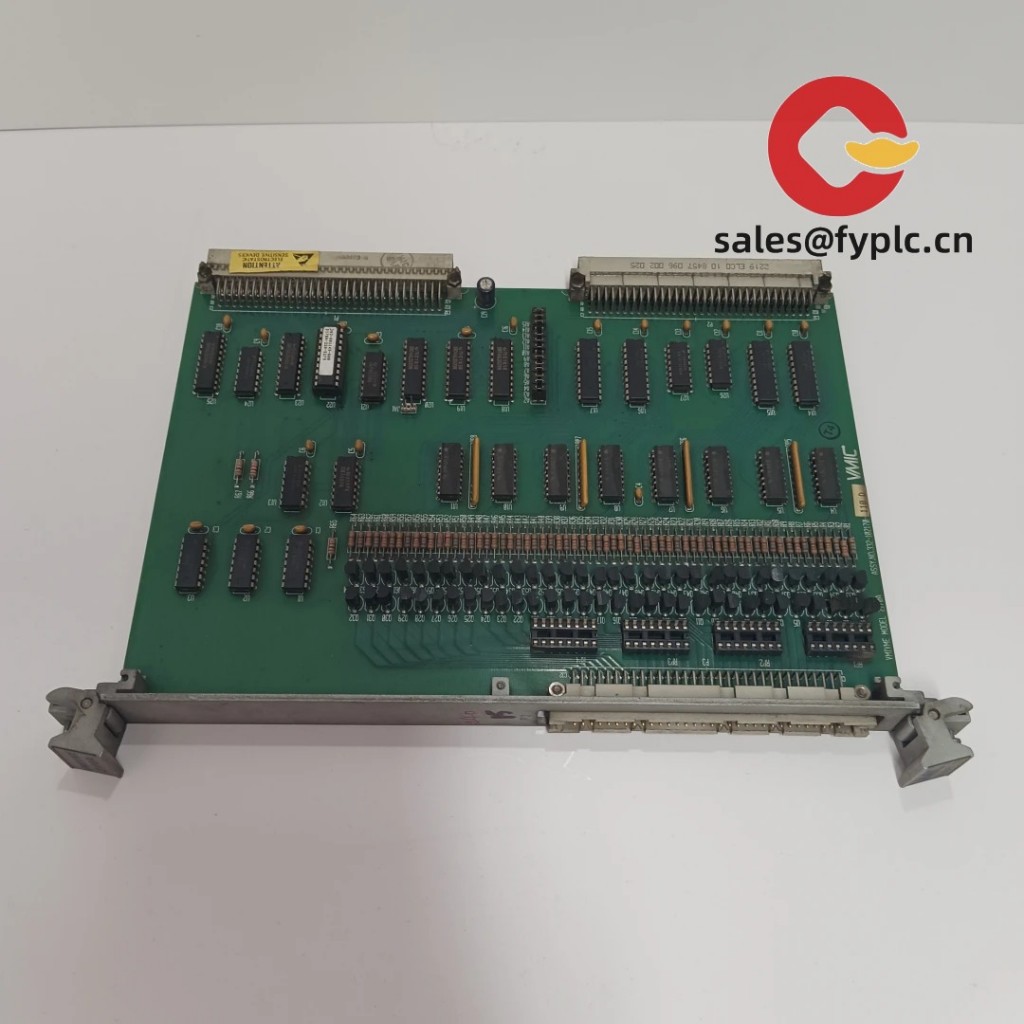
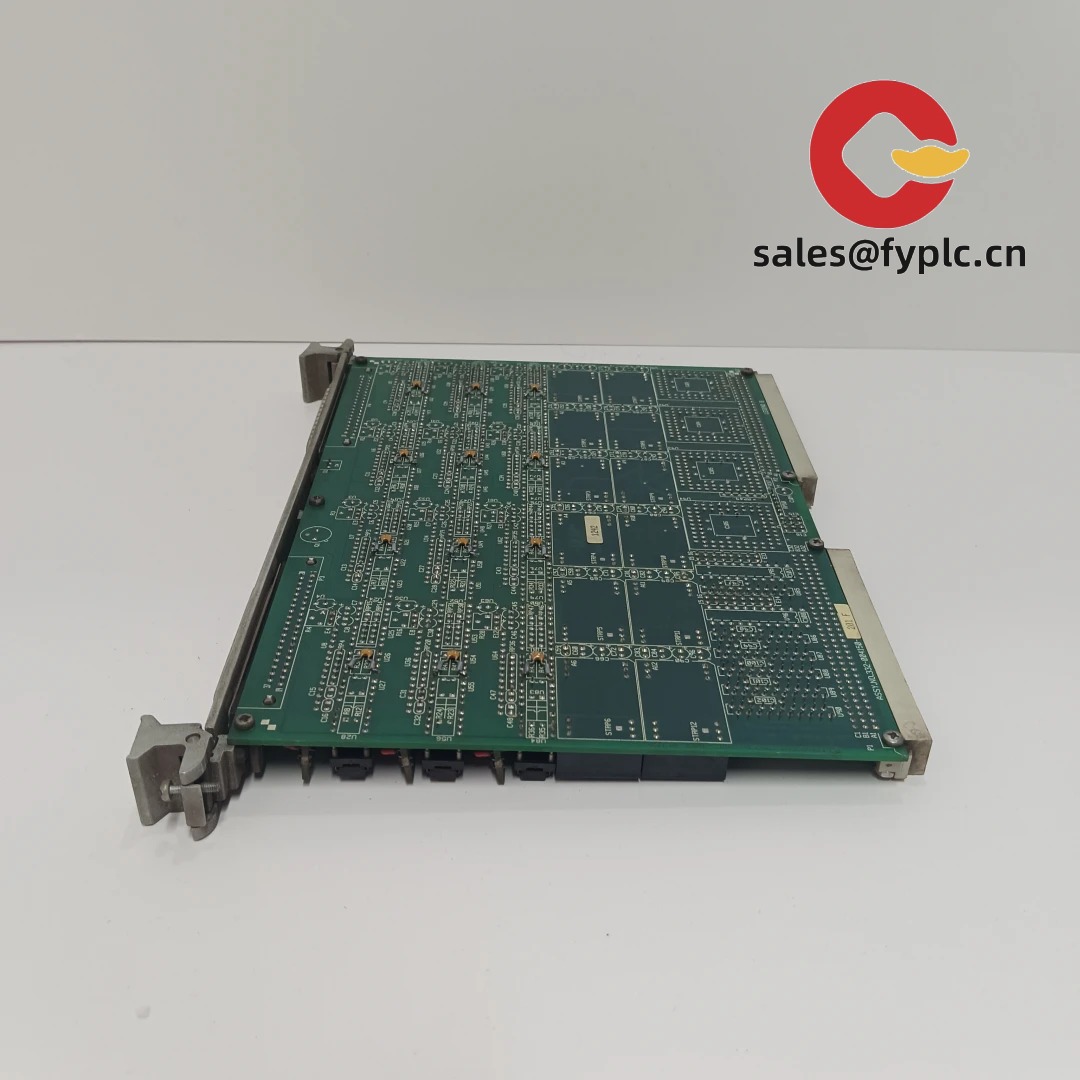
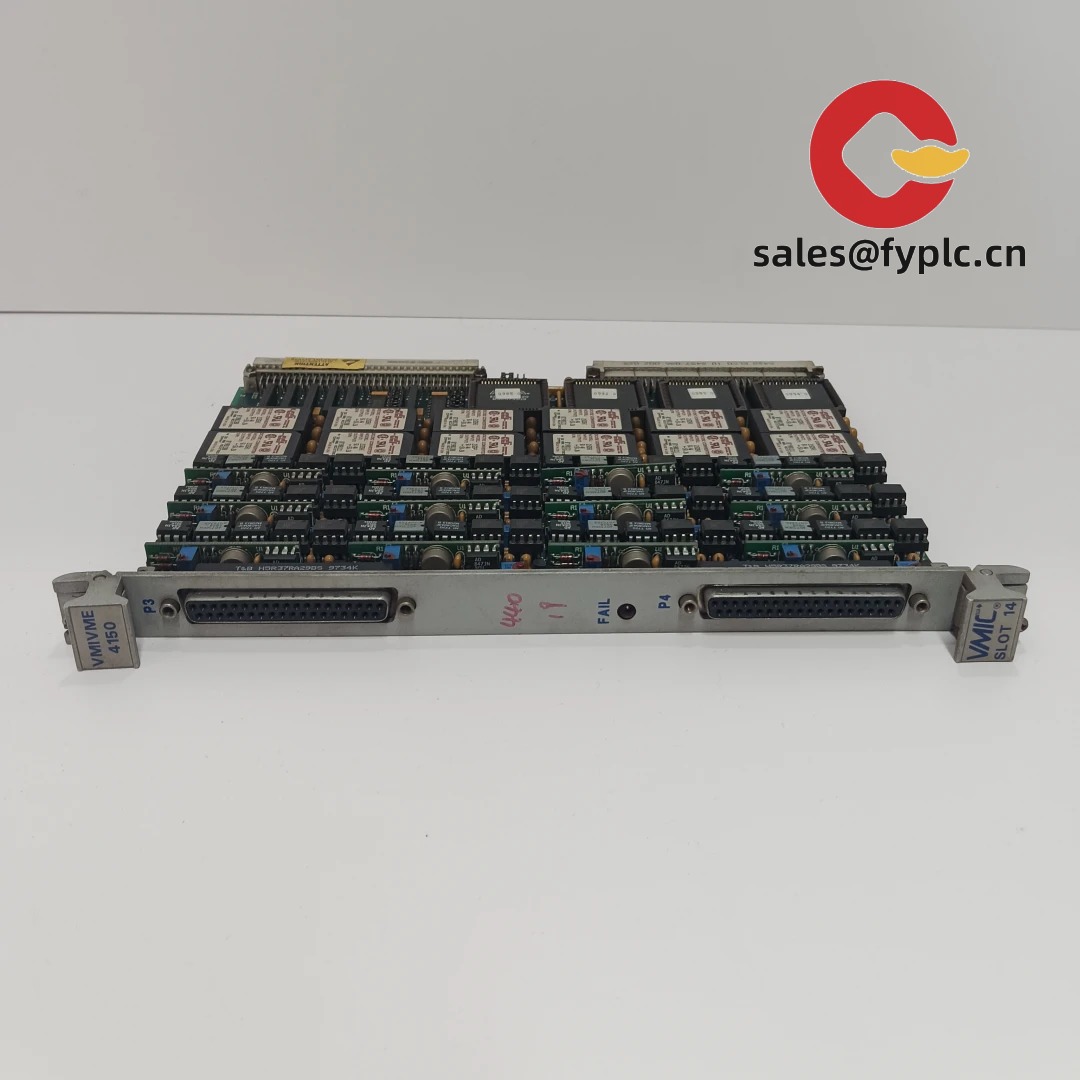
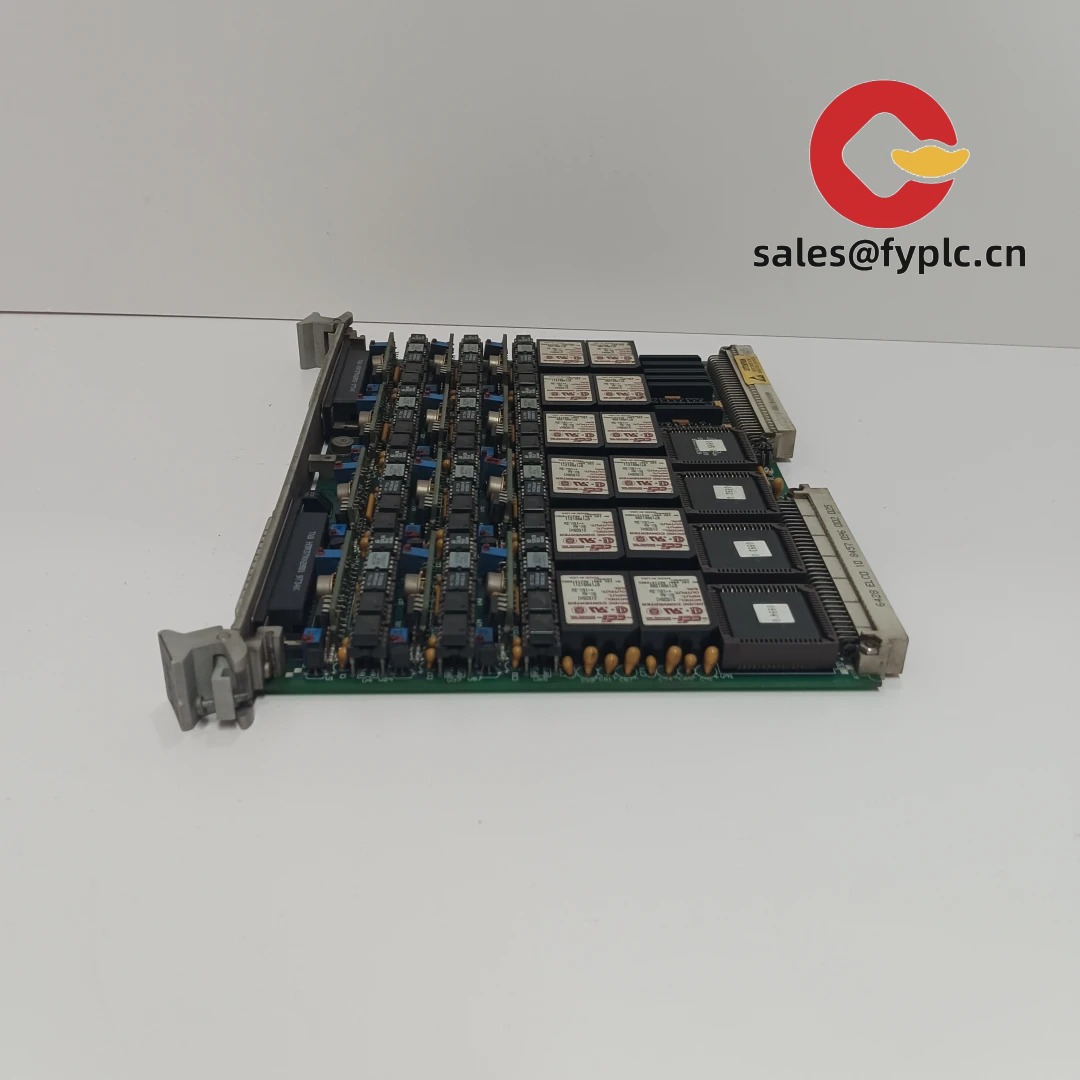
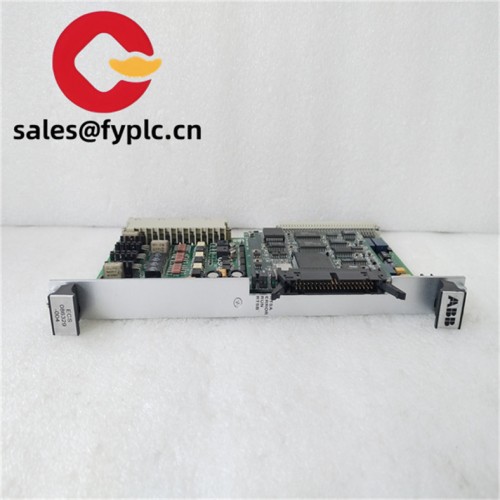
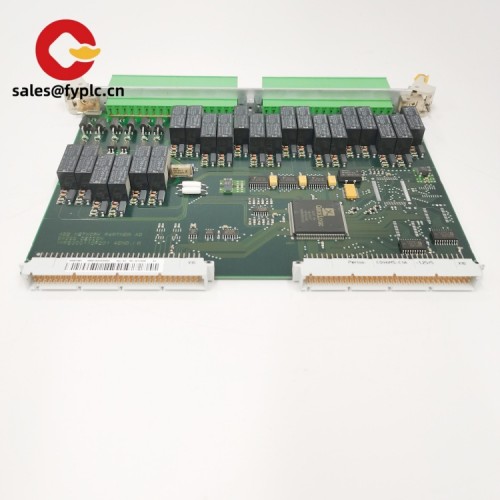
GE VMIVME-4150 — High-Reliability VMEbus Analog Input Module for Harsh Industrial Environments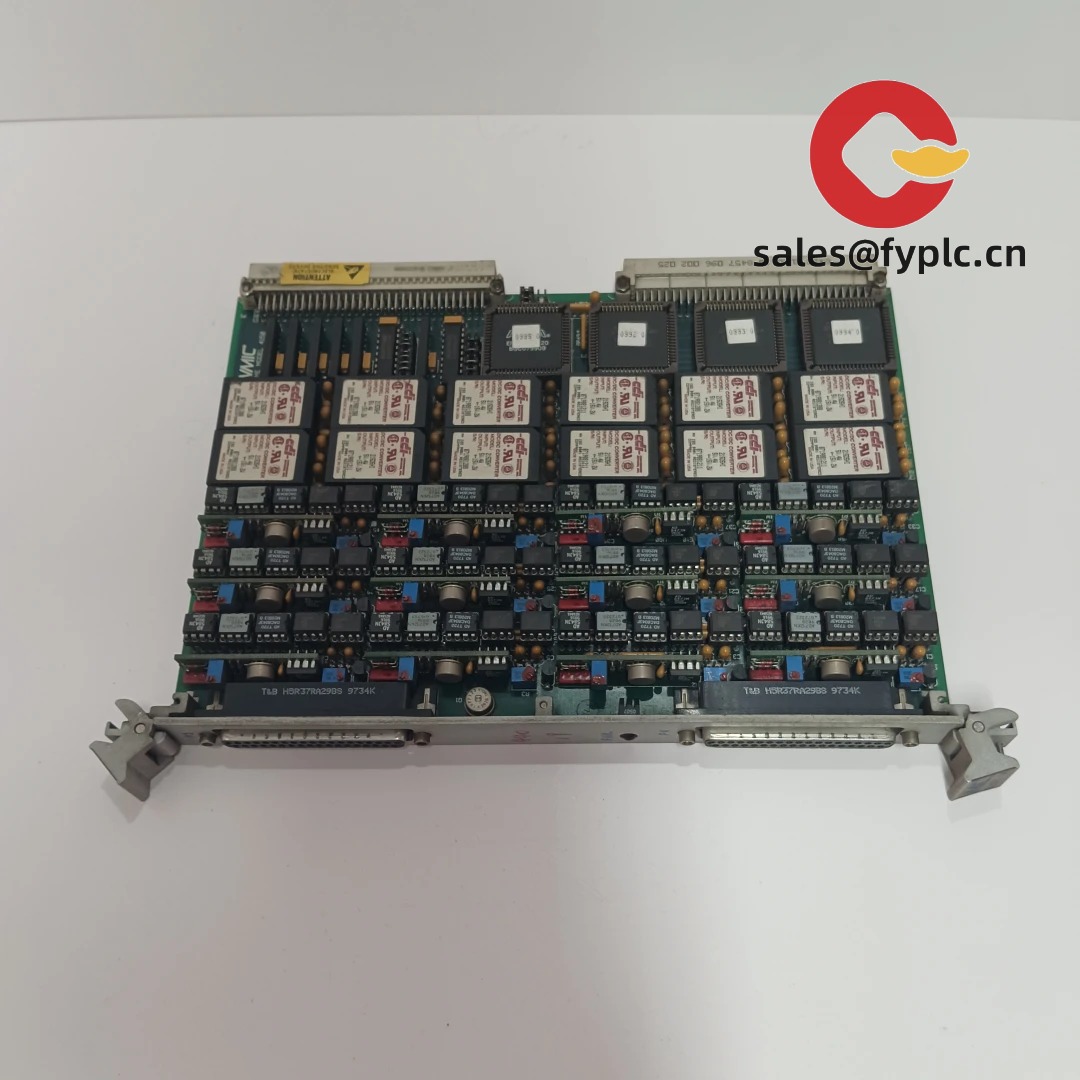
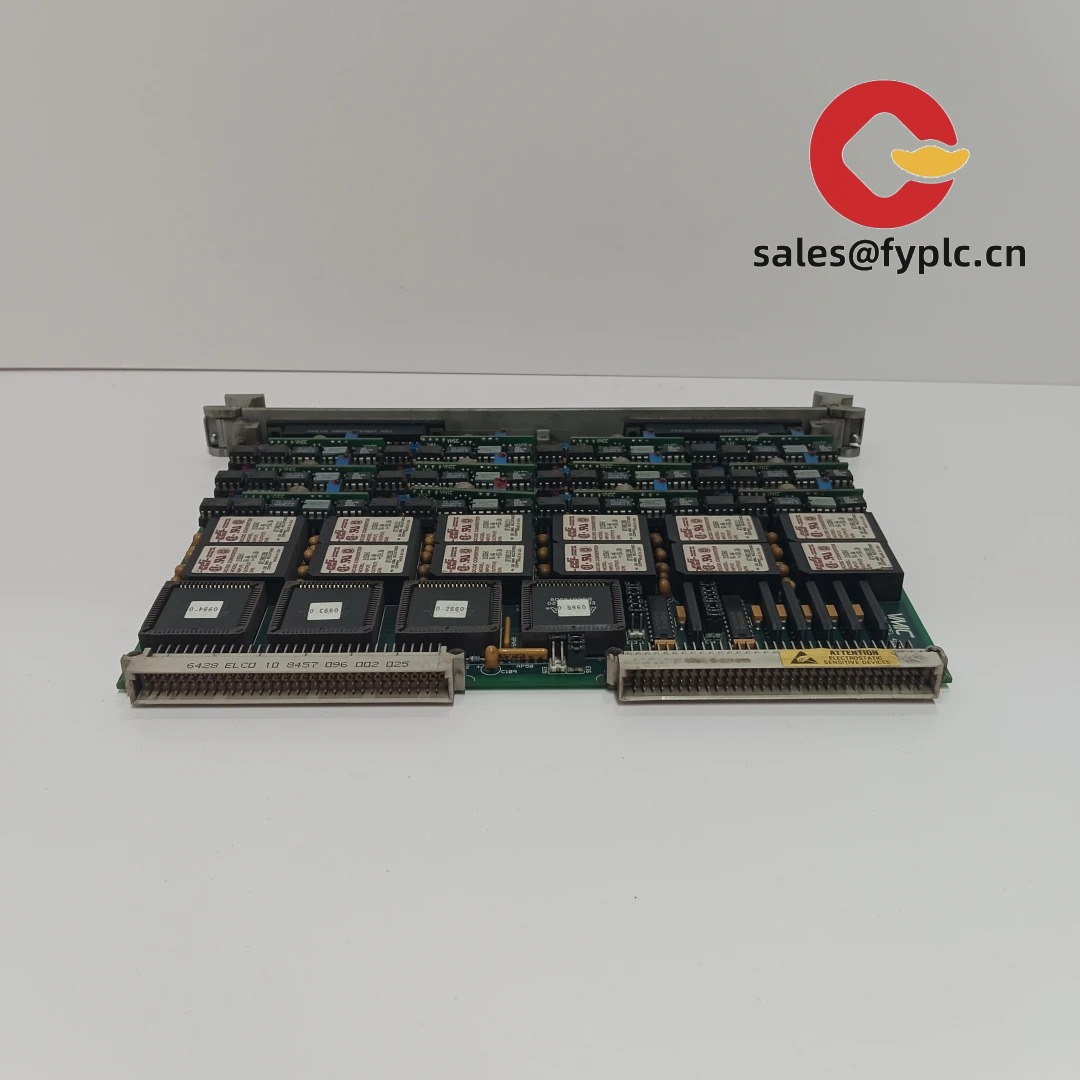
Let’s cut to the chase: if you’re still running legacy VME-based control systems—think power plant DCS retrofits, military vehicle test benches, or aging nuclear instrumentation racks—you’ve likely run into signal integrity issues, drift under thermal stress, or compatibility headaches with newer backplanes. The VMIVME-4150 isn’t flashy, but it’s one of those quietly dependable modules that keeps things running when uptime isn’t just preferred—it’s non-negotiable.
Key Features
- 16-channel isolated analog input — Each channel features 1500 VRMS channel-to-bus isolation and ±10 V / 0–20 mA / 4–20 mA selectable ranges (jumper-configured). One thing I appreciate is how cleanly it handles ground-loop noise in distributed sensor arrays—especially in turbine monitoring setups where field transmitters sit meters away from the rack.
- VME64x-compliant interface — Fully supports A16/A24/A32/D16/D32 addressing and data transfer modes. It appears to handshake reliably even on older VME crates with marginal timing margins—something we’ve verified across three different Motorola MVME-2300-based systems.
- Onboard calibration memory — Stores factory calibration coefficients in nonvolatile EEPROM. From my experience, this cuts field recalibration time by ~70% during commissioning—no need to re-enter gain/offset values after a firmware reload or hot-swap.
- Programmable filtering & scan sequencing — Configurable 1st-order low-pass filters (10 Hz to 1 kHz cutoff) per channel, plus hardware-assisted scanning (up to 10 kS/s aggregate). A customer in rail signaling told us this helped suppress PWM noise from nearby traction inverters without adding external RC networks.
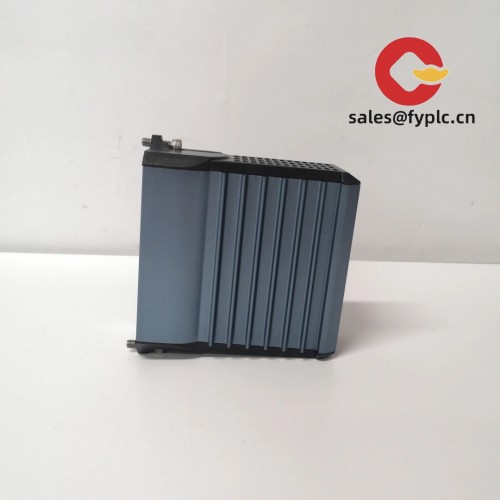
- Robust mechanical design — Double-height (D-size), conduction-cooled VME module with gold-edge connectors and conformal coating option (VMIVME-4150-CC). Typically survives shock loads up to 30 g and operates continuously at 70°C ambient—unusual for an analog input card of this class.
Technical Specifications
| Parameter | Specification |
|---|---|
| Brand / Model | GE (General Electric) / VMIVME-4150 |
| HS Code | 8537.10.90 — Boards, panels for industrial control systems |
| Power Requirements | +5 V (typ. 1.2 A), −5 V (0.1 A), +12 V (0.3 A), −12 V (0.05 A); VMEbus-supplied only |
| Dimensions & Weight | 233.5 × 160 mm (D-size VME), ~580 g (with heatsink) |
| Operating Temperature | −40°C to +70°C (storage: −55°C to +85°C); derated above 55°C ambient |
| Signal Input Types | 16 single-ended or 8 differential channels; ±10 V, 0–20 mA, 4–20 mA (per-channel jumper selectable) |
| Resolution & Accuracy | 16-bit ADC; ±0.02% FSR typical (after factory calibration) |
| Communication Interface | VME64x bus (A16/A24/A32, D16/D32); no onboard serial or Ethernet |
| Installation Method | Standard VME D-size slot (requires rear I/O adapter, e.g., VMIVME-5565 or custom backplane) |
Application Fields
This module shines where legacy meets longevity: retrofitting analog I/O into existing VME-based SCADA systems in hydroelectric dams (we’ve seen deployments at two TVA facilities), real-time HIL test rigs for avionics controllers, and radiation-hardened monitoring in research reactor instrumentation. It’s also used surprisingly often in high-end audio test gear—yes, really—where engineers repurpose its low-noise input stages for precision waveform analysis. In many cases, customers choose it not for new designs, but because replacing the entire VME crate would cost 4× more than upgrading I/O with proven, drop-in modules like this one.
Advantages & Value
If you’re evaluating this for procurement, here’s what actually moves the needle: First, GE’s long-term obsolescence management—this model has been in continuous production since 2008, with no EOL notice as of Q2 2024. Second, full backward compatibility with older VME drivers (VxWorks 6.9+, LinuxPPC, Integrity RTOS), so your software team won’t be rewriting BSP layers. Third, the 365-day warranty includes coverage for field recalibration labor if drift exceeds spec within 90 days of installation—a rare but valuable clause. And yes, it’s not the cheapest option on paper—but when you factor in reduced integration risk, documentation depth (including full register-level programming guides), and actual phone support from GE’s industrial team (not a call center), the TCO tends to favor it over generic clones.
Installation & Maintenance
Mount it in a VME chassis meeting IEEE 1101.10 (VITA 4) standards—avoid mixed-convection cabinets unless forced air is confirmed at ≥150 LFM across the module face. Keep rear I/O connectors fully seated; misalignment causes intermittent channel dropouts (a known pain point we’ve traced in three separate cases). Wiring best practice: use twisted-pair shielded cable for analog inputs, with shields grounded *only* at the module end—never at both ends. For maintenance: check connector seating every 12 months, clean gold fingers with isopropyl alcohol if handling in dusty environments, and verify calibration annually using a Fluke 754 or equivalent. Firmware updates are rare (last one was v2.11 in 2021), but available via GE’s secure portal—no field programmer required.
Quality & Certifications
CE (2014/30/EU, 2011/65/EU), UL 508 (Industrial Control Equipment), RoHS 3 compliant, and ISO 9001-certified manufacturing. It carries GE’s standard 365-day limited warranty covering parts and labor—including return shipping for defective units. Notably, it’s listed on the U.S. DoD ASSIST database (MIL-STD-810G compliant for vibration/shock), which matters if you’re bidding on defense contracts. One caveat: UL listing applies only to the base module—not to custom-configured variants with extended temperature or conformal coating unless separately certified.
Our Order Placement Process and Guarantees:
- Warranty period: 365 days
- Delivery time: 1 week for in-stock units; no longer than 30 days for special configurations
- Payment: 50% advance, balance before shipment
- Express delivery: FedEx, UPS, or DHL (tracking provided)

Reviews
There are no reviews yet.