
Description
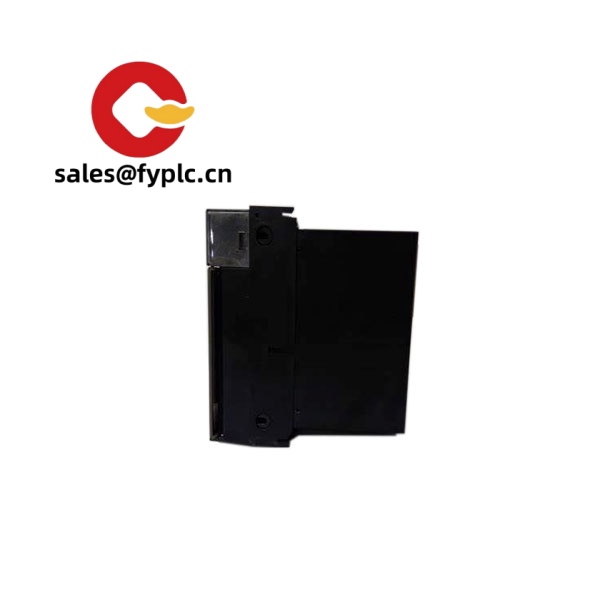
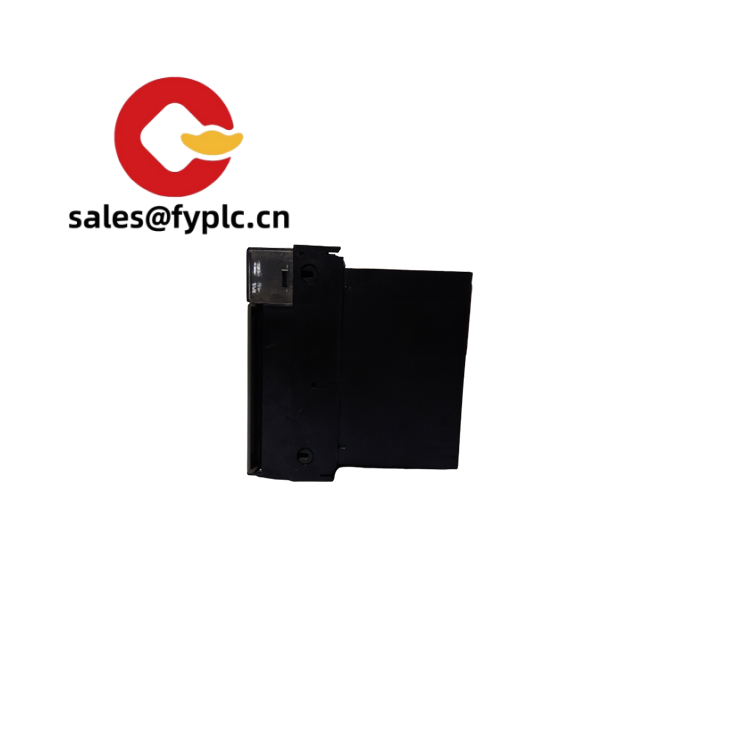
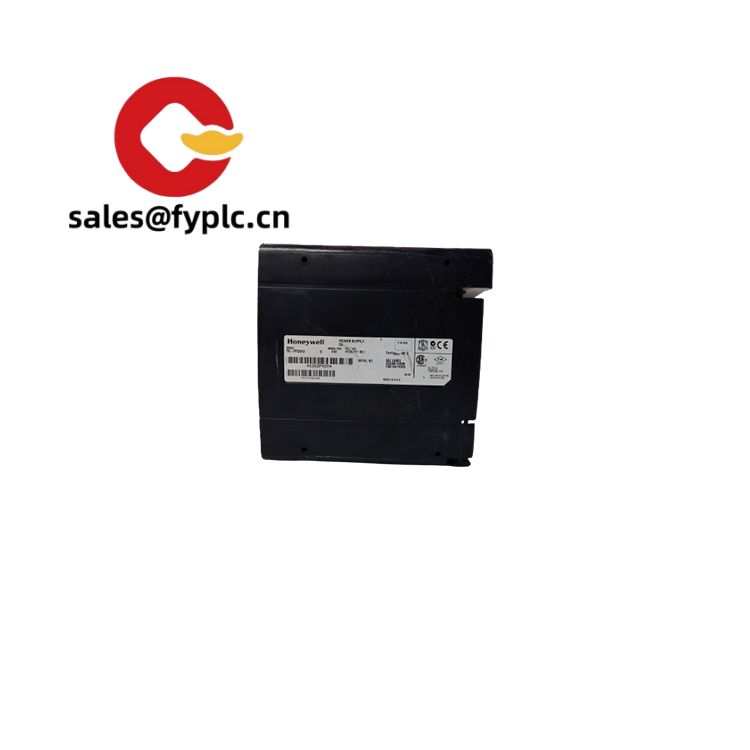
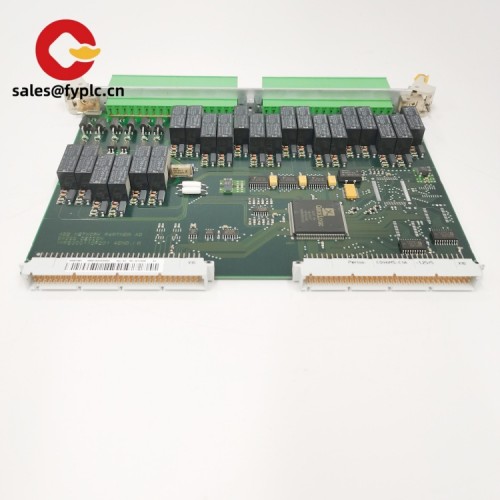
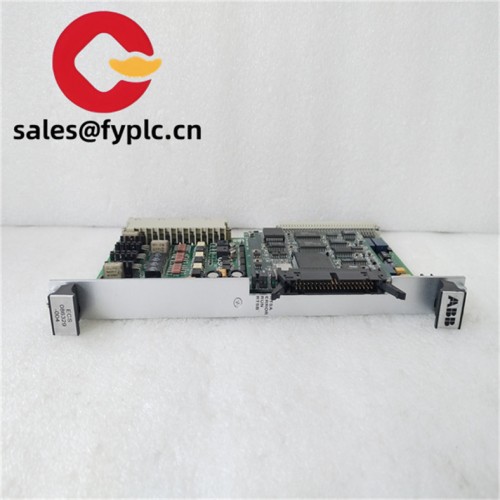
Honeywell CC-PDIH01 – High‑Voltage Digital Input Module for Experion Series C / C300 Systems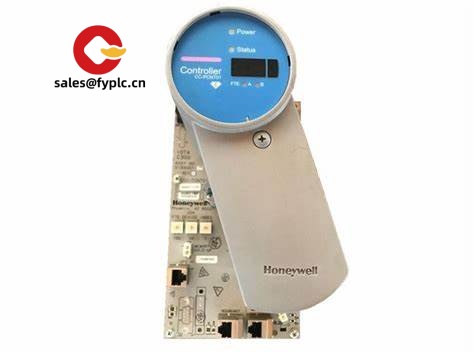
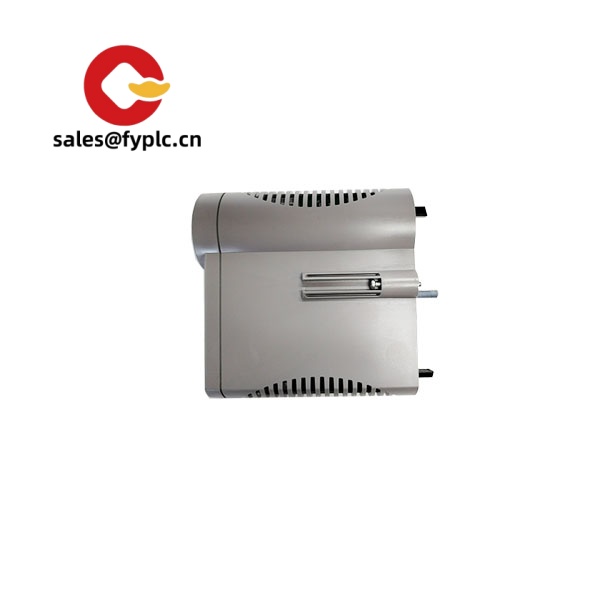
The Honeywell CC-PDIH01 is a high‑voltage digital input module designed for Experion PKS Series C and C300-based control systems. From my experience, it’s typically used where 120 VAC (or other higher-voltage) discrete signals need to be brought into the DCS reliably—think motor starters, MCC status, limit switches, or interlocks coming from legacy panels. One thing I appreciate is how it drops into the standard Series C I/O architecture with minimal engineering changes, so migrations go smoother than many expect.
Company’s Order Placement Process and Guarantees
- Warranty: 365 days
- Delivery: 1 week if in stock; no more than one month at the latest
- Payment: 50% advance payment; full payment before delivery
- Express options: FedEx, UPS, DHL
Key Features
- High‑voltage DI handling – Suited for plant signals typically around 120 VAC, reducing the need for external interface relays in many cases.
- Seamless Series C integration – Works within the Honeywell Experion PKS architecture via the standard IOTA/termination assembly, simplifying cabinet design.
- Hot‑swappable design – You can replace the module without powering down the whole cabinet, which helps keep units online.
- Channel diagnostics – From what we see on site, the module supports basic per‑channel health/status reporting to speed up troubleshooting.
- Debounce/filtering – Typically supports configurable input filtering to avoid nuisance transitions on mechanical signals.
- Redundancy-ready system context – When used with redundant C300 controllers and networks, you maintain high availability at the system level.
Technical Specifications
| Brand / Model | Honeywell CC-PDIH01 |
| HS Code | 8537.10 (commonly declared for industrial control modules) |
| Power Requirements | Powered via Series C backplane/IOTA (nominal 24 VDC supplied by the cabinet power system) |
| Signal Input Type | High‑voltage digital inputs (commonly 120 VAC nominal). No external communication ports on the module. |
| Communication Interfaces | Backplane interface to C300/Series C system via the corresponding IOTA/termination assembly |
| Operating Temperature | Typically 0 to 55°C for Series C modules |
| Installation Method | Plugs into the matching Series C IOTA (e.g., CC-TDIH01); IOTA mounts in cabinet on DIN rail or panel |
| Dimensions & Weight | Standard Honeywell Series C plug‑in I/O module form factor (compact footprint; light weight) |
Application Fields
Plants that still carry 120 VAC signal wiring typically choose CC-PDIH01 to avoid extra relays and interface hardware. Common deployments include:
- Power generation and utilities – breaker status, MCC run/stop feedback, interlocks
- Refining and petrochemicals – valve limit switches, burner management discrete inputs (cabinet-dependent)
- Chemicals and pharmaceuticals – equipment permissives and e-stop monitoring
- Metals, pulp & paper, water/wastewater – legacy panel indications and field device contacts at higher voltage levels
Advantages & Value
- Reliability – Proven in harsh plant environments; stable operation when tied into C300/Experion logic.
- Compatibility – Works within the existing Series C ecosystem; pairs with the correct IOTA and standard wiring practices.
- Cost Savings – In many cases you can land 120 VAC signals directly, minimizing interposing relays and marshalling hardware.
- Lifecycle Support – Easy sparing; module can be swapped during planned windows without reworking the entire cabinet.
- Scalability – Mix with low‑voltage DI, DO, AI, and AO in the same cabinet as your system expands.
Installation & Maintenance
- Cabinet & environment – Install in a clean, ventilated control cabinet. Maintain airflow; avoid dust and condensation.
- Wiring – Land field wires on the matching IOTA/termination assembly (e.g., CC-TDIH01). Use proper ferrules, segregation from low‑level analog, and correct fusing for AC circuits.
- Grounding & shielding – Bond shields at a single point as per site standards. Keep AC discrete wiring away from sensitive analog runs.
- Hot swap – The module is typically hot‑swappable. Follow site lockout/tagout and verify channel states before and after replacement.
- Routine checks – Periodic visual inspection, terminal re‑torque checks at the IOTA, and proof‑testing of critical interlocks.
- Firmware/config – Manage module configuration through Experion engineering tools; keep system firmware at a supported revision.
Quality & Certifications
- Certifications – Honeywell Series C modules are typically CE marked and UL/cUL compliant; RoHS alignment is common in current builds.
- Manufacturer standards – Designed for industrial environments with robust EMC immunity and safety considerations.
- Warranty – 365‑day warranty provided with supply.
Related/Supporting Components
- CC-TDIH01 – Matching high‑voltage DI IOTA/termination assembly for field wiring.
- CC-PDIL01 – Low‑voltage (24 VDC) digital input module when you need a mixed‑voltage panel.
- CC-PDOH01 / CC-PDOL01 – Digital output modules (high/low voltage) for drive enables, solenoids, and panel lamps.
You might notice that plants moving from older hardwired panels to Experion prefer CC-PDIH01 when they want to keep existing 120 VAC circuits intact. A maintenance lead at a utility site told us the swap was “uneventful”—no rewiring to 24 VDC, and commissioning was quicker than planned. That seems to be the typical outcome when the cabinet design follows Series C best practices.
Reviews
There are no reviews yet.