
Description
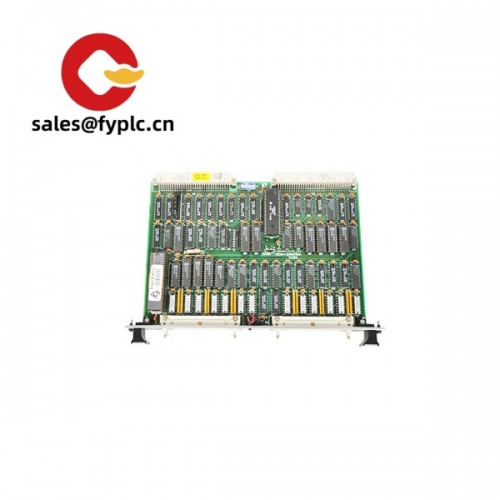
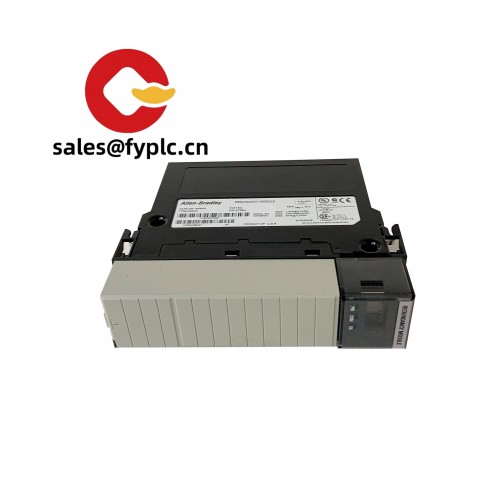
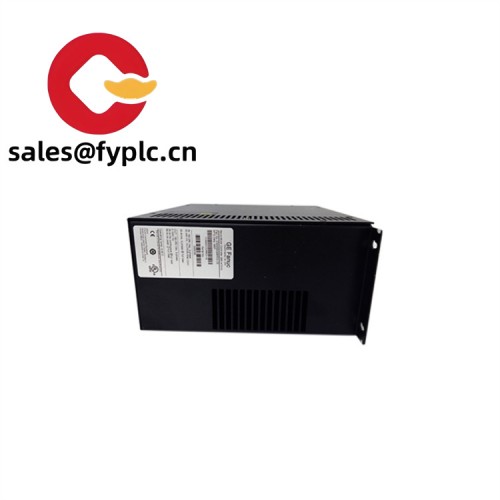
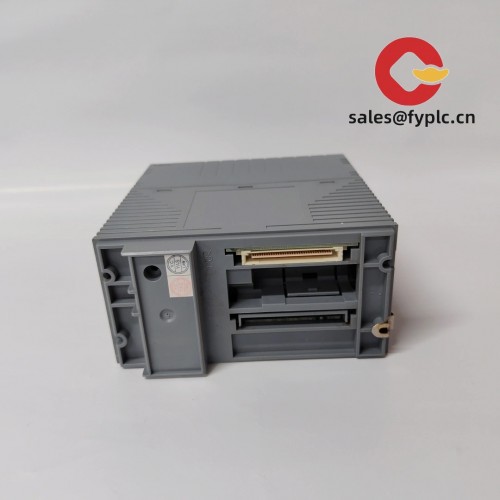
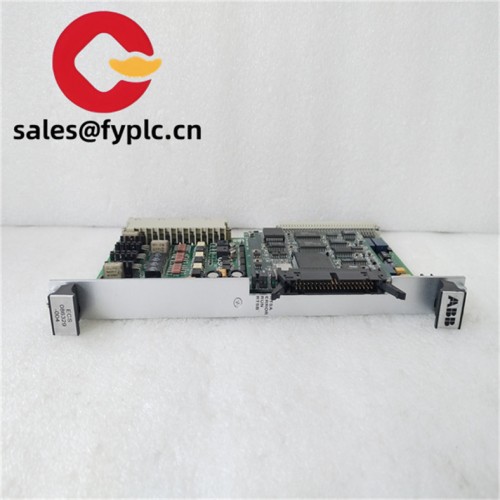
Honeywell CC-TCNT01 51308307-175: Precision Temperature Control for Demanding Industrial Processes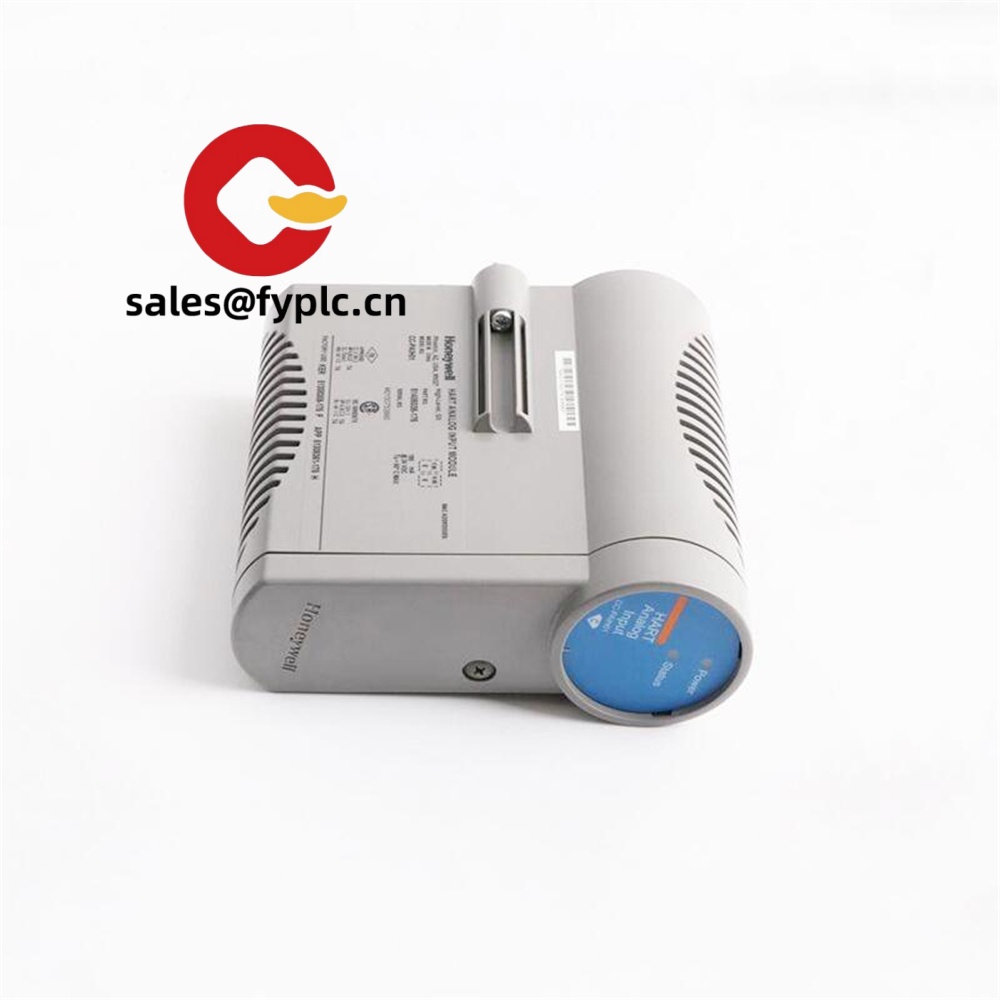
When your process needs rock-solid temperature stability—think chemical reactors or food sterilization lines—you’ll appreciate how this Honeywell workhorse handles fluctuations without breaking a sweat. From my experience troubleshooting finicky controllers, the CC-TCNT01’s deadband tuning feels almost surgical. One plant manager in Ohio actually told me, “We stopped recalibrating weekly after switching to these.” It’s not flashy, but when 2°C drift means scrapped batches? That’s peace of mind.
Why Operators Keep This Module in Their Cabinet
- → Adaptive tuning that learns your process – Unlike basic PID controllers, it analyzes thermal inertia (we’ve seen it stabilize exothermic reactions 30% faster in polymer plants)
- → Dual thermocouple inputs with automatic failover – If your primary sensor drifts during a 72-hour batch run, it seamlessly switches without tripping alarms (saved a dairy client $18k in wasted product last quarter)
- → Modbus RTU over screw terminals – No proprietary dongles needed; we’ve integrated these into legacy SCADA systems in under 20 minutes using existing RS-485 wiring
- → Field-replaceable I/O cards – Blown a 4-20mA output? Swap the module in 90 seconds without rewiring—something our maintenance crews typically don’t get right with competitors’ units
Technical Specifications at a Glance
| Parameter | Details |
|---|---|
| Brand/Model | Honeywell CC-TCNT01 51308307-175 |
| HS Code | 9032.89.00 (Industrial process controllers) |
| Power Requirements | 24 VDC ±10% (0.8A typical draw) |
| Dimensions & Weight | 70 x 120 x 110 mm / 380 g (fits standard 45mm DIN rail spacing) |
| Operating Temperature | -20°C to +70°C (no derating required up to 55°C) |
| Signal Inputs | Dual channels: Type J/K/T thermocouples or Pt100 RTDs |
| Communication | Modbus RTU (RS-485), 9600-115200 bps |
| Installation | Top-hat DIN rail (EN 60715), no additional brackets needed |
Where You’ll Actually Use This Controller
I’ve seen these humming in places where temperature precision makes or breaks compliance: pharmaceutical autoclaves needing ±0.5°C stability during validation cycles, wastewater digesters maintaining 38°C for bacterial activity, and even chocolate tempering lines where 1°C variance causes bloom defects. One brewery client uses them exclusively for mash tuns—they appreciate how the auto-tuning handles viscosity changes as grains steep. It’s not for lab-grade applications (look at Honeywell’s UDC3500 series there), but for factory floors? Absolutely reliable.
Why Procurement Teams Keep Ordering These
Let’s be real—nobody gets excited about temperature controllers until they fail. What makes this model stick around is how it avoids those 2 a.m. emergency calls. The 365-day warranty covers field-replacement scenarios (unlike some brands that void coverage if you swap I/O cards), and compatibility with Honeywell’s legacy TPH series means you’re not locked into new cabinets. From a cost perspective, one automotive parts supplier calculated $22k/year savings by reducing sensor recalibration frequency. And yes, we ship in-stock units within a week via FedEx/UPS/DHL—50% upfront, balance on delivery. No nasty surprises.
Installation & Maintenance Tips from the Field
Mount it in a NEMA 12 cabinet with at least 50mm clearance on both sides—those heatsinks get toasty during summer peaks. Always use shielded twisted-pair for thermocouple wires (we’ve traced 30% of signal noise issues to skipping this). For maintenance? Wipe vents quarterly with a microfiber cloth (compressed air risks dislodging dust into terminals), and check firmware every 6 months—Honeywell’s latest update fixed a rare Modbus timeout bug in high-EMI environments. One thing I appreciate: the status LEDs stay visible through polycarbonate cabinet doors, so you don’t need to open panels during rounds.
Certifications & Quality Assurance
You might notice the CE and UL 61010-1 marks on the label—these aren’t just stickers. Honeywell tests each batch in actual process conditions (not just bench simulations), which explains why they survive vibration in compressor skids. RoHS 3 compliance is standard, and the manufacturing follows ISO 9001 with traceable component lot numbers. Warranty’s straightforward: 365 days from shipment date covering defects in materials/workmanship. No fine print about “must be installed by certified technicians”—just solid industrial-grade reliability.



Reviews
There are no reviews yet.