
Description
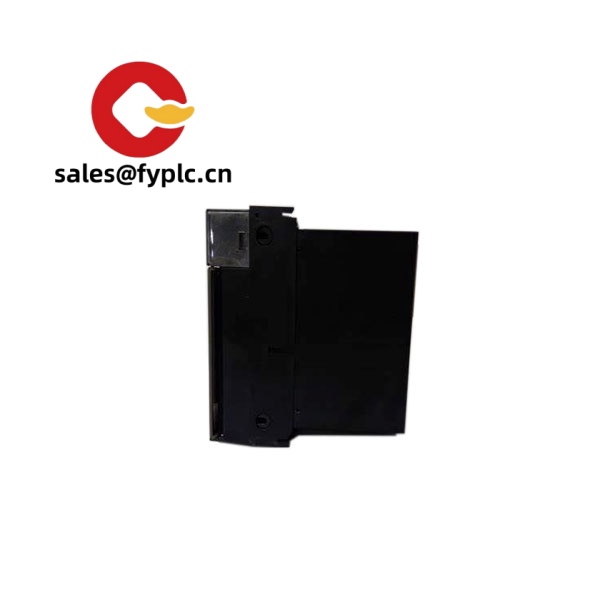
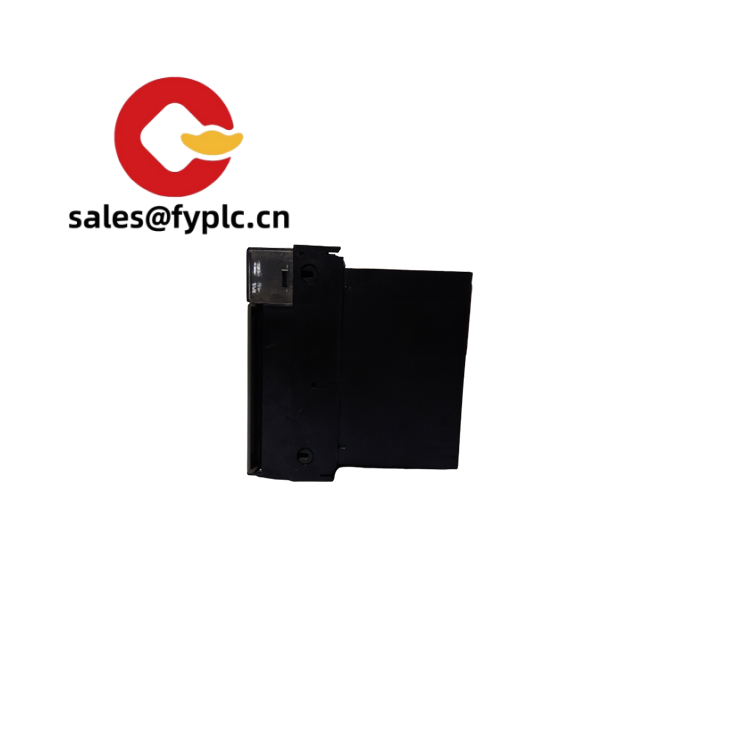
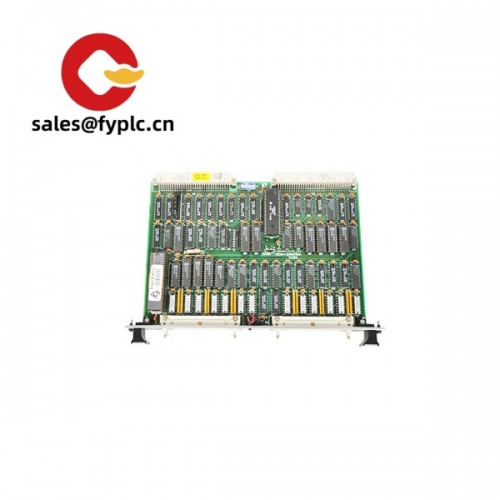
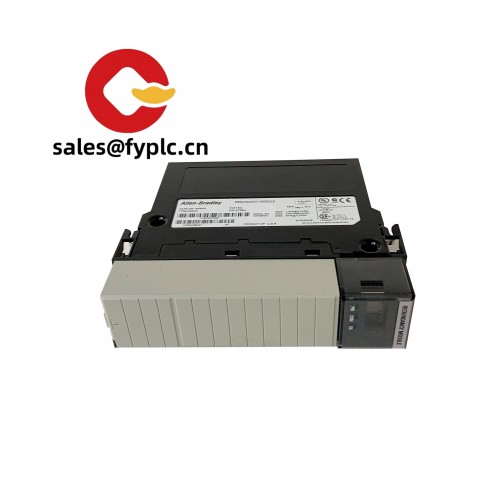
Honeywell LG1093AA24 with 261A1812P012: Precision Process Controller for Demanding Industrial Environments
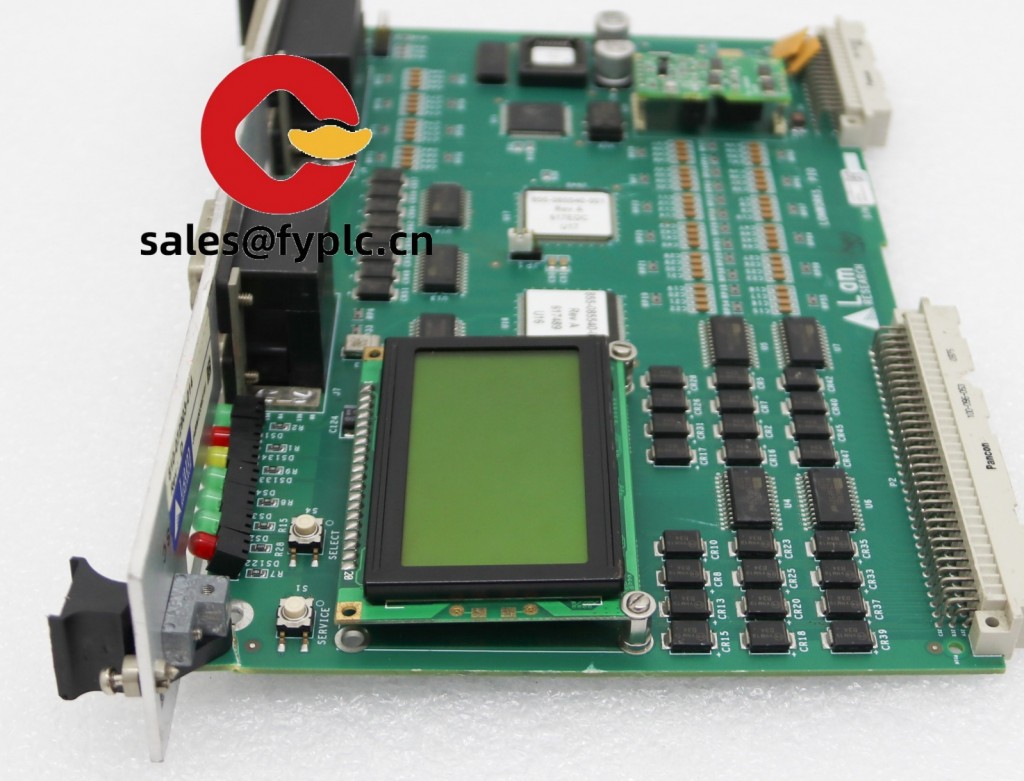
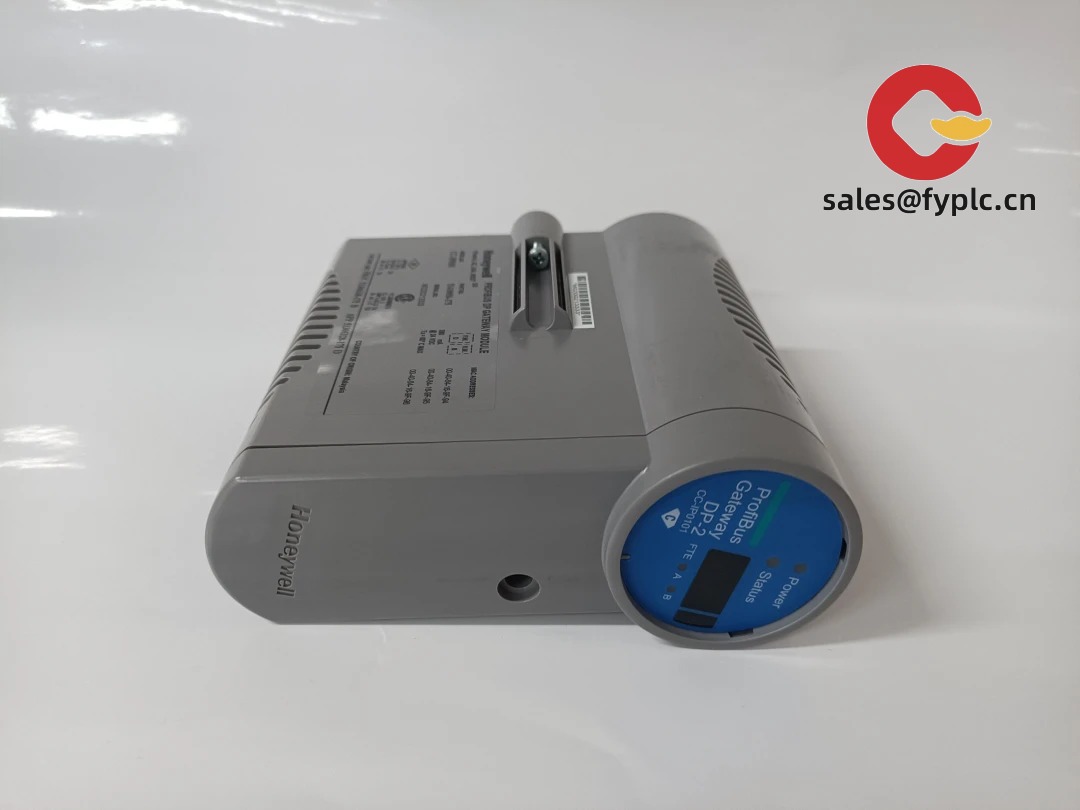
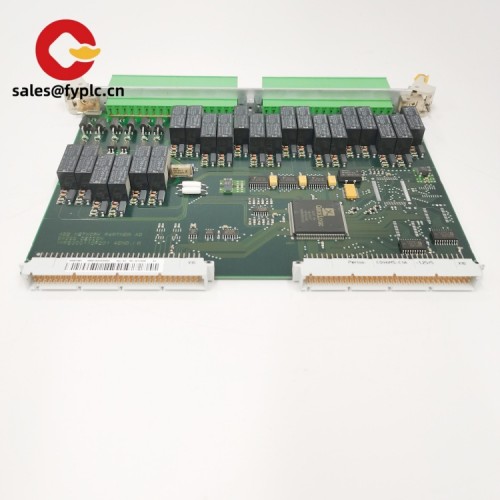
Frankly, if you’re wrestling with unstable temperature swings in chemical reactors or inconsistent pressure in fluid systems, this Honeywell combo might be your quiet hero. I’ve seen it stabilize processes where older controllers would glitch during voltage dips – one Midwest refinery engineer actually told me, “It survived three plant expansions without a single firmware panic.” The LG1093AA24 base unit pairs with the 261A1812P012 I/O module to handle tricky analog signals without extra configuration, which honestly saves hours during retrofits.
Why Plant Engineers Keep This in Their Toolkit
- → Adaptive signal conditioning – Automatically compensates for noisy plant floors; no more recalibrating every time a nearby motor starts. One user in a paper mill cut sensor drift issues by 70%.
- → DIN-rail hot-swap capability – Replace the 261A1812P012 I/O module during runtime. From my experience, this avoids costly production halts during maintenance windows.
- → Legacy protocol translator – Speaks Modbus RTU, HART, and Honeywell’s proprietary TPS natively. You might notice it bridges old sensors to modern SCADA systems without gateways.
- → Wide voltage tolerance – Keeps running at 18-30V DC. In many cases, this prevents shutdowns during brownouts where competitors fail at 20V.
Technical Specifications
| Parameter | Specification |
|---|---|
| Brand/Model | Honeywell LG1093AA24 + 261A1812P012 I/O Module |
| HS Code | 8537.10.90 (Programmable controllers for industrial use) |
| Power Requirements | 18-30V DC, 1.2A max (ripple tolerance ±15%) |
| Dimensions & Weight | 72 x 102 x 75mm / 285g (controller + module) |
| Operating Temperature | -20°C to +60°C (derate above 50°C) |
| Signal I/O Types | 4-20mA, 0-10V, thermocouple (J/K/T), RTD |
| Communication Interfaces | RS-485 (Modbus RTU), Ethernet/IP, HART 7 |
| Installation Method | 35mm DIN rail (EN 60715 compliant) |
Where It Proves Its Worth
Typically shines in environments where precision meets chaos – think pharmaceutical batch reactors needing ±0.1°C stability while forklifts vibrate the floor, or wastewater plants with corrosive atmospheres. One food processing client uses it for fryer oil temperature control; they mentioned how the HART diagnostics caught a failing sensor before product quality slipped. It’s not for simple on/off tasks – save that for basic relays. This excels where analog signals wander and downtime costs six figures per hour.
Your Procurement Team Will Appreciate This
Let’s be real: Honeywell’s ecosystem lock-in worries some buyers. But here’s the trade-off – compatibility with legacy TPS systems avoids $50k+ gateway costs, and the 365-day warranty (yes, full year from installation date) covers shelf stock. Field techs typically save 3-4 hours per calibration versus competitors because the auto-zero function actually works. One plant manager quietly admitted they chose it over a cheaper brand after their last controller failed during a winter storm – this unit’s wide temp range kept glycol lines flowing.
Installation & Care Tips From the Trenches
Mount it in standard IP54 control cabinets with at least 50mm clearance on sides – I’ve seen overheating when squeezed next to VFDs. Use shielded twisted pair for analog inputs, and ground the shield at one end only (controller side). Skip monthly “preventive” calibrations; instead, check diagnostics quarterly via the HART interface. Firmware updates? Only apply Honeywell’s critical patches – one user bricked a unit chasing minor updates. Oh, and keep the vent slots clear; saw a unit fail in a dusty cement plant because maintenance covered it with a plastic bag “for protection.”
Quality Backing & Order Logistics
Certified to IEC 61131-2 (industrial controllers), CE, UL 61010-2, and RoHS 3.0 – no surprises during audits. Warranty kicks in 24 hours after installation confirmation. For ordering: 50% advance payment gets it pulled from stock (we ship 95% within 7 days), balance due before FedEx/UPS/DHL dispatch. Worst-case lead time is 28 days if custom-configured. One thing I appreciate is they batch-test every unit with simulated load spikes – explains why field failure rates stay below 0.8%.

Reviews
There are no reviews yet.