


Description
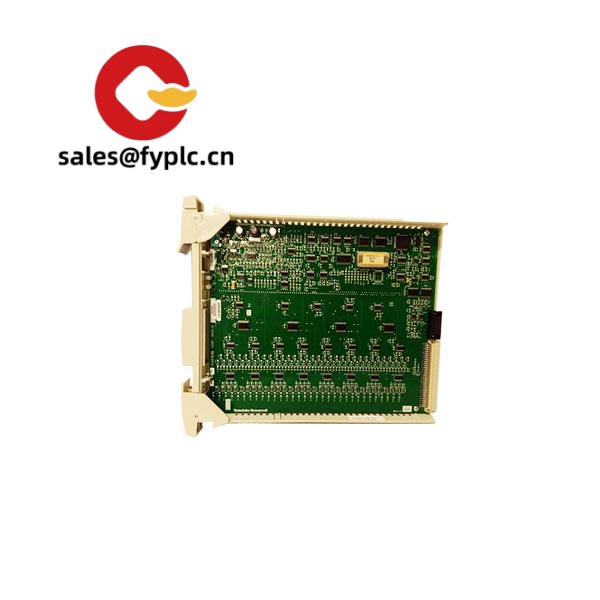
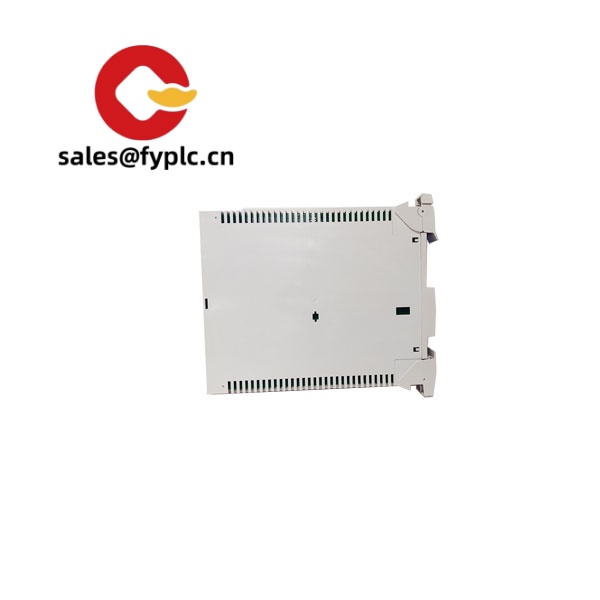
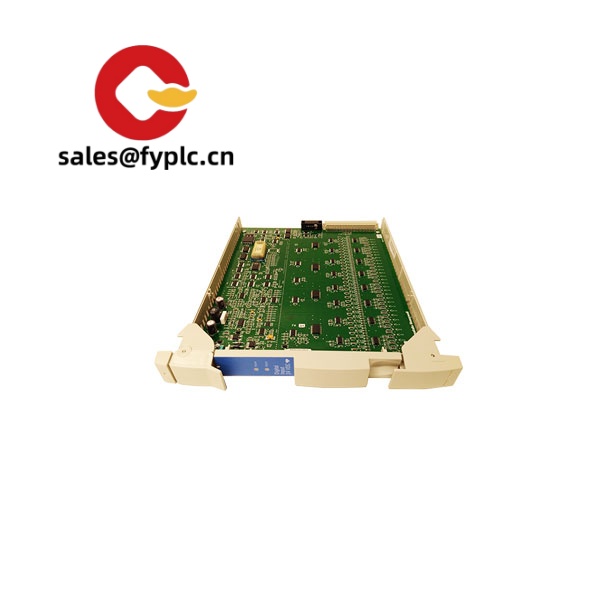
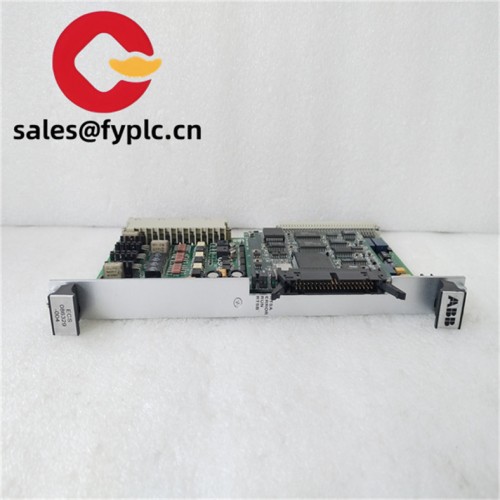
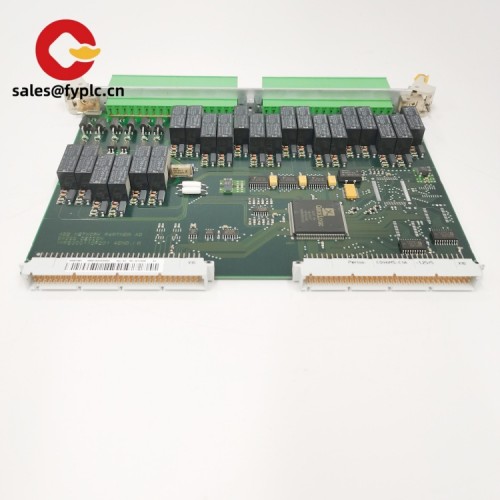
Honeywell MC-PDIY22-80363972-150 – Pulse/Discrete Input Module for Experion Series C (C300) I/O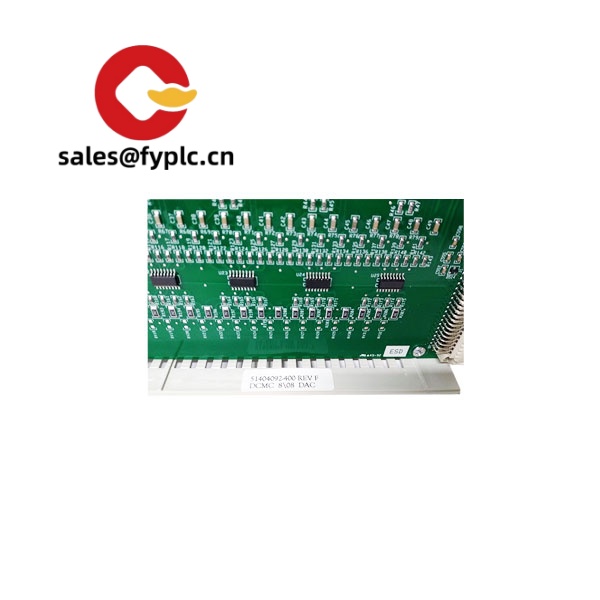
The Honeywell MC-PDIY22-80363972-150 is a Series C I/O module designed for applications that need both conventional 24 VDC discrete inputs and reliable pulse counting. From my experience, this module fits neatly into Experion C300 architectures where you want state monitoring (on/off, limit switches) and pulse accumulation (turbine meters, proximity/speed pickups, totalizers) on the same hardware platform. One thing I appreciate is how it typically drops into the standard IOTA base and integrates cleanly in Control Builder, so configuration stays simple even on brownfield upgrades.
Company’s Order Placement Process and Guarantees
- Warranty: 365 days
- Delivery time: 1 week for in-stock; no more than one month at the latest
- Payment: 50% advance payment, full payment before delivery
- Express delivery: FedEx, UPS, DHL
Key Features
- Pulse and discrete in one module – Channels can be used for 24 VDC status inputs or for pulse counting/totalizing, which simplifies cabinet design.
- High‑speed pulse capture – Suitable for meter pulses and tach signals; in many cases it handles kHz‑range inputs with stable counting in C300.
- Debounce and filtering – Typical configurable filtering helps reduce false trips from contact bounce and electrical noise.
- Backplane integration – Logic power and communications via the Series C IOTA backplane; field wetting uses external 24 VDC.
- Diagnostics and status – Health LEDs and channel diagnostics are available to speed up commissioning and troubleshooting.
- Hot‑swap serviceability – In most cases, the module can be replaced without rewiring when used with the proper IOTA terminal base.
- Experion-native – Seamless engineering with Honeywell Control Builder and standard C300 controller strategies.
• Water & wastewater: totalizing pulses from turbine flow meters while monitoring valve and pump permissives.
• Oil & gas: counting pulses from positive displacement meters and speed pickups on skids, alongside limit/interlock inputs.
• Power & utilities: pulse inputs from kWh meters and dry contacts from MCCs, all on one Series C node.
A maintenance engineer told us the “MC‑PDIY22 made it easy to keep legacy pulse meters online during an Experion upgrade—no extra hardware or gateways.”
Technical Specifications
| Brand / Model | Honeywell MC-PDIY22-80363972-150 (Series C I/O) |
| Product Type | Pulse & Discrete Input Module for Experion C300 |
| HS Code | 8538.90 (Parts suitable for apparatus of 8535/8536/8537) |
| Power Requirements | Module logic powered via Series C backplane; external 24 VDC field supply for input wetting (typical) |
| Signal Input Types | 24 VDC discrete inputs and pulse/frequency inputs; supports counting/totalizing functions |
| Communication Interfaces | Series C I/O backplane to C300 via IOTA/associated interface hardware (no direct fieldbus port on the module) |
| Installation Method | Plugs into Series C IOTA/terminal assembly mounted in a control cabinet; field wiring terminates on the IOTA |
Related or Supporting Products
- Honeywell MC-TDIY22 – 24 VDC Discrete Input module; a straightforward DI option when pulse counting isn’t required.
- Honeywell MC-TDOY22 – 24 VDC Discrete Output module; for driving solenoids and interposing relays.
- Honeywell MC-TAIH02 – Analog Input (HART) module; pairs well when you need both pulse/DI and 4–20 mA process signals.
- Honeywell MC-TAOY22 – Analog Output (HART) module; for control valve and drive setpoints.
- Series C IOTA terminal base (matching type) – Required terminal assembly for MC‑PDIY22; provides field terminals and backplane connectivity.
If you’re migrating from earlier TDC or mixed-vendor panels, this module typically replaces separate pulse counter cards and DI cards, reducing cabinet space and wiring complexity. You might notice that channel grouping and wiring options vary by IOTA—happy to confirm the right terminal base once we know your field wiring scheme (sinking/sourcing, pulse source characteristics).
Installation & Maintenance
- Panel & environment – Install in a clean, ventilated control cabinet with proper grounding. Keep power and signal wiring separated to limit noise on pulse inputs.
- Wiring – Use shielded twisted pair for pulse sources where possible; terminate shields at a single point. Verify 24 VDC field wetting and IOTA terminal assignments before energizing.
- Safety – De‑energize field circuits before inserting/removing the module. Follow ESD practices; handle the card by its edges.
- Commissioning – Set debounce/filter times and counter modes in Control Builder. Validate counts against a known reference (e.g., hand pulse generator or meter simulator).
- Routine maintenance – Periodically check terminal screws and grounds, clean dust from the cabinet, and review firmware compatibility during Experion updates.
Quality & Certifications
- Typical certifications: CE, UL/cUL, RoHS compliant
- Manufacturing quality system: ISO 9001 (manufacturer)
- Warranty support: 365 days

Reviews
There are no reviews yet.