
Description
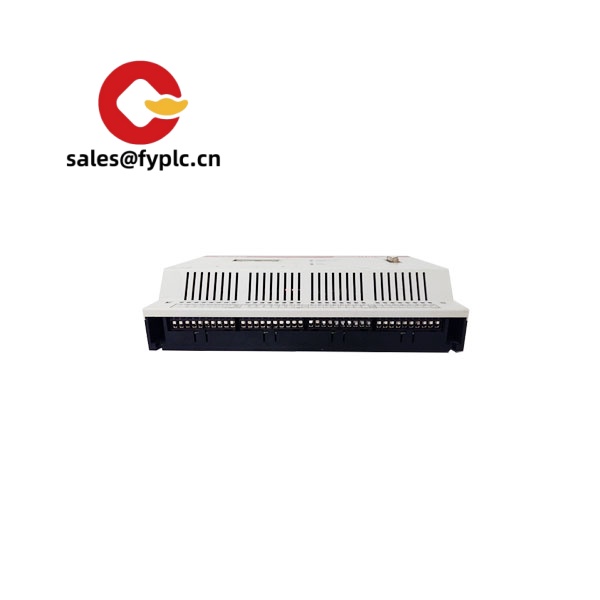
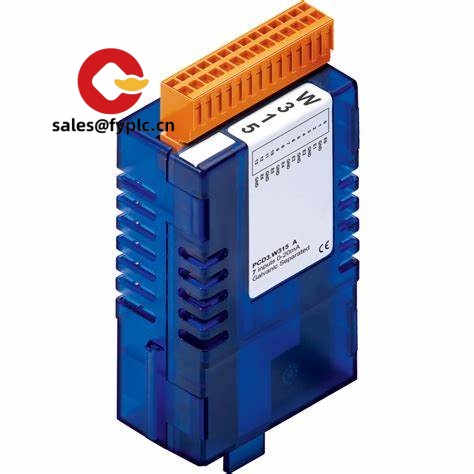
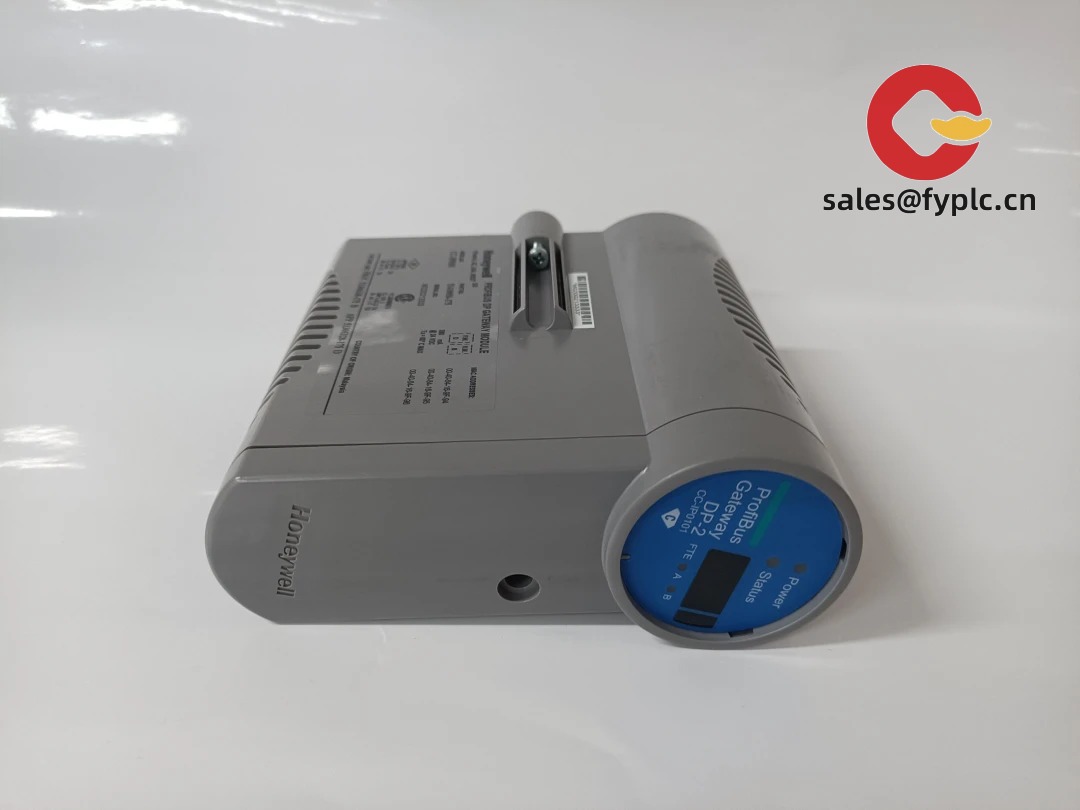
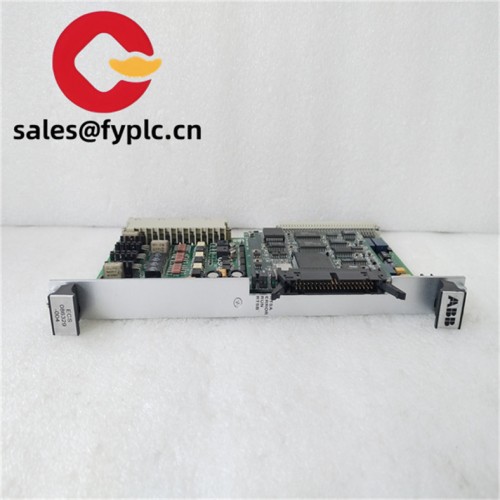
Honeywell PCD3.A465 – 4‑channel analog input module for Saia PCD3 systems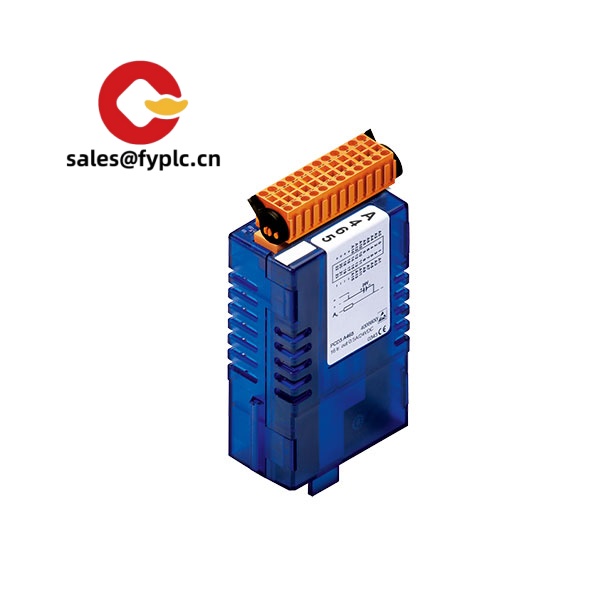
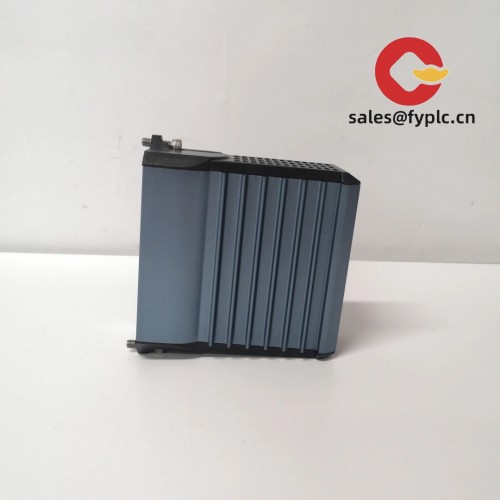
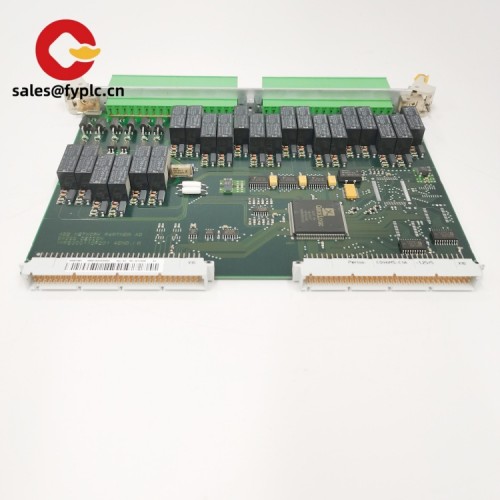
The Honeywell PCD3.A465 is a compact analog input module designed for Saia PCD3 PLC platforms. From my experience, it’s the kind of module you pick when you need reliable, multi-signal analog acquisition in building automation, energy management panels, or OEM machinery—without overcomplicating the cabinet. It typically integrates on the local PCD3 I/O base, so wiring stays neat and commissioning is quick.
Company’s Order Placement Process and Guarantees
- Warranty: 365 days
- Delivery: 1 week if in stock; no more than one month at the latest
- Payment: 50% advance payment; full payment prior to delivery
- Express options: FedEx, UPS, DHL
Key Features
- 4 analog input channels – Suitable for typical process and building signals where you need a handful of accurate points per panel.
- Multi-signal flexibility – Commonly used with voltage or current loops, and in many cases with temperature sensors (RTD or thermocouple) depending on project standards.
- PCD3 backplane integration – Slides into the PCD3 I/O base; no separate communications wiring, which simplifies maintenance.
- Compact cabinet footprint – The slim PCD3 module form factor helps when cabinet width is tight.
- Stable readings – Designed for steady, low-noise measurement in typical HVAC plants, energy dashboards, and light process skids.
- Service-friendly terminals – You might notice wiring and labeling are laid out to reduce commissioning errors.
Technical Specifications
| Brand / Model | Honeywell PCD3.A465 (Saia PCD3 I/O series) |
| HS Code | 8537.10 (Programmable controllers) |
| Power Requirements | Powered via PCD3 backplane; external 24 VDC may be used for field transmitters/loops where applicable |
| Dimensions & Weight | Standard PCD3 slim I/O module format (compact DIN-rail footprint) |
| Operating Temperature | Typically 0…55 °C (industrial control cabinet environment) |
| Signal Input Types | 4 analog inputs; commonly used for voltage/current signals and, in many cases, temperature sensors (project-dependent configuration) |
| Communication Interfaces | Local PCD3 I/O backplane to PCD3 CPU (no external comms port on the module) |
| Installation Method | DIN-rail via PCD3 base; field wiring on front terminals |
Related or Supporting Products
- PCD3.A460 – 4‑channel analog input module (voltage/current focused; chosen when loops dominate)
- PCD3.A461 – 4‑channel current input module (typically for 4–20 mA-only designs)
- PCD3.A462 – 4‑channel thermocouple input module (for high-temp or process ovens)
- PCD3.A463 – 4‑channel RTD input module (Pt100/Pt1000 use cases in HVAC and hydronics)
- PCD3.A470 – Analog output module (for valve/drive control when you also need AO)
- Saia PCD3 CPUs (e.g., PCD3.M series) – Required host controller for the I/O modules
Installation & Maintenance
- Cabinet: Mount on a DIN-rail with the PCD3 base; follow spacing for ventilation. Keep away from strong EMI sources where possible.
- Wiring: Use shielded twisted pairs for low-level analog signals; ground shields on one side to avoid ground loops.
- Power: Provide clean 24 VDC for field transmitters if used; avoid sharing noisy loads with drives.
- Commissioning: Verify channel type and scaling in the PCD3 CPU; a quick point-by-point simulation typically saves field time.
- Maintenance: Periodic terminal re-torque and a light dust clean help stability. Sensor loop checks and occasional re-calibration are advisable in regulated sites.
- Firmware/Project: Keep PLC firmware and project documentation synced; from my experience, version control prevents most site surprises.
Quality & Certifications
- Certifications: CE; RoHS compliant; UL/cUL listing typically available for PCD3 family modules
- Manufacturer: Honeywell (Saia PCD3 platform)
- Warranty: 365 days (our supply guarantee)
One thing I appreciate is how the PCD3.A465 fits mixed-signal jobs without needing a second rack. If you’re replacing an older PCD3 analog card, the migration is usually straightforward—channel scaling and wiring labels are what most technicians check first.

Reviews
There are no reviews yet.