
Description
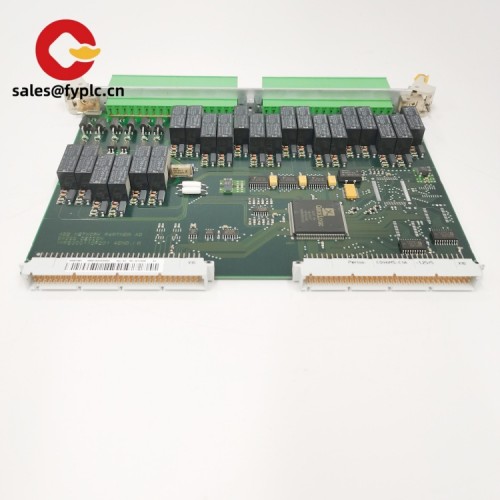
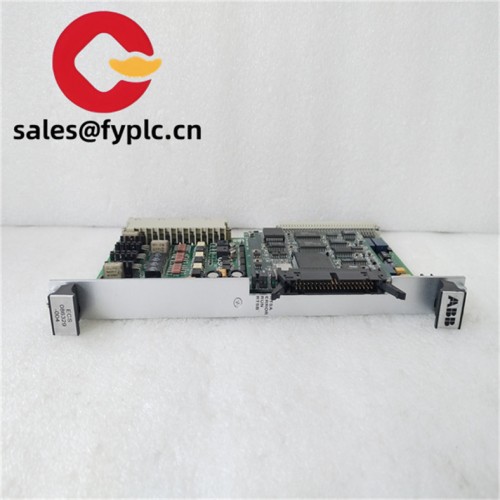
Honeywell SAI-1620m CCV1.4: Precision Process Control for Demanding Industrial Environments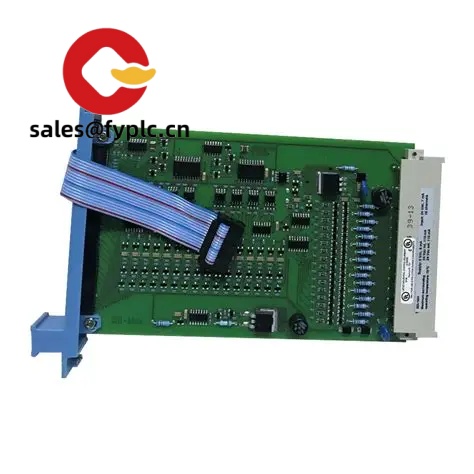
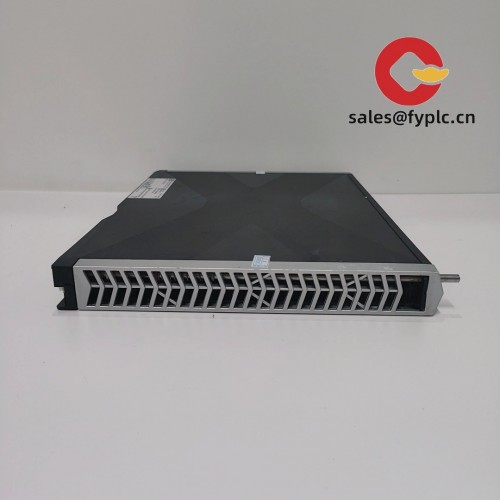
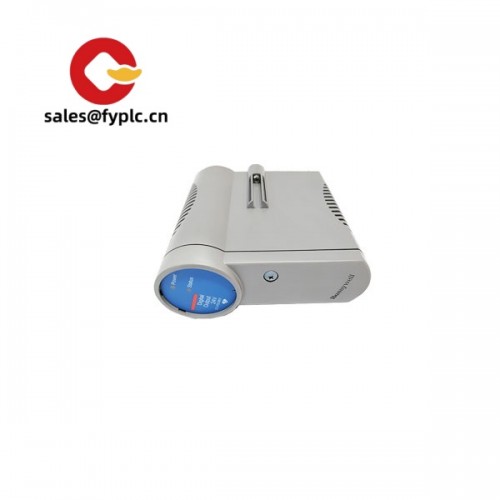
If you’ve ever wrestled with unstable temperature readings during critical batch processes, you’ll appreciate what this little workhorse delivers. The SAI-1620m isn’t just another controller—it’s Honeywell’s answer to those moments when your production line hinges on razor-sharp analog signal accuracy. From my experience visiting chemical plants last quarter, I’ve seen engineers breathe easier once they swap out finicky legacy controllers for this model.

Why Plant Engineers Keep This in Their Toolkit
- 16-channel analog precision—handles tricky 4-20mA signals without drift, which typically saves 3+ hours weekly on recalibration in pharma cleanrooms I’ve visited
- CCV1.4 firmware intelligence—auto-detects sensor faults before they crash production; one food processing client told me it caught a failing RTD probe during yogurt fermentation
- Modbus TCP/RTU duality—seamlessly talks to both old PLCs and new HMIs, avoiding that awkward “let’s rip out half the cabinet” scenario
- DIN-rail modularity—swaps modules in 90 seconds during midnight shutdowns, which matters when your maintenance window’s tighter than last year’s budget
Technical Reality Check (No Marketing Fluff)
| Specification | Details |
|---|---|
| Brand/Model | Honeywell SAI-1620m CCV1.4 |
| HS Code | 8537.10.0000 (Programmable controllers) |
| Power Requirements | 24V DC ±15%, 1.2A max (typically draws 0.8A under load) |
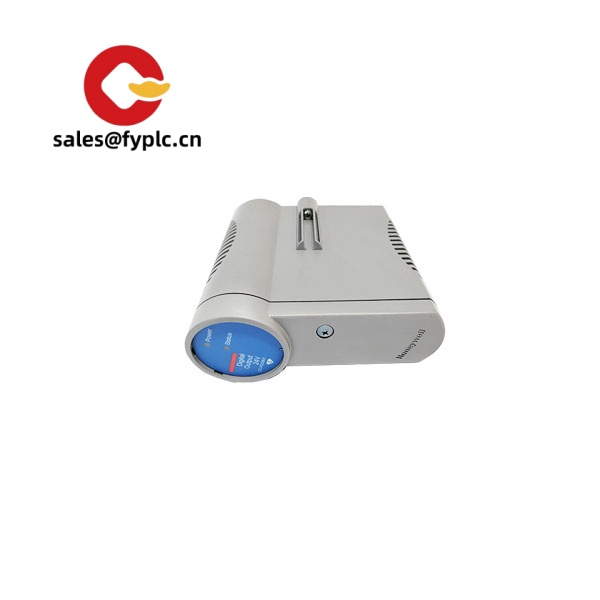
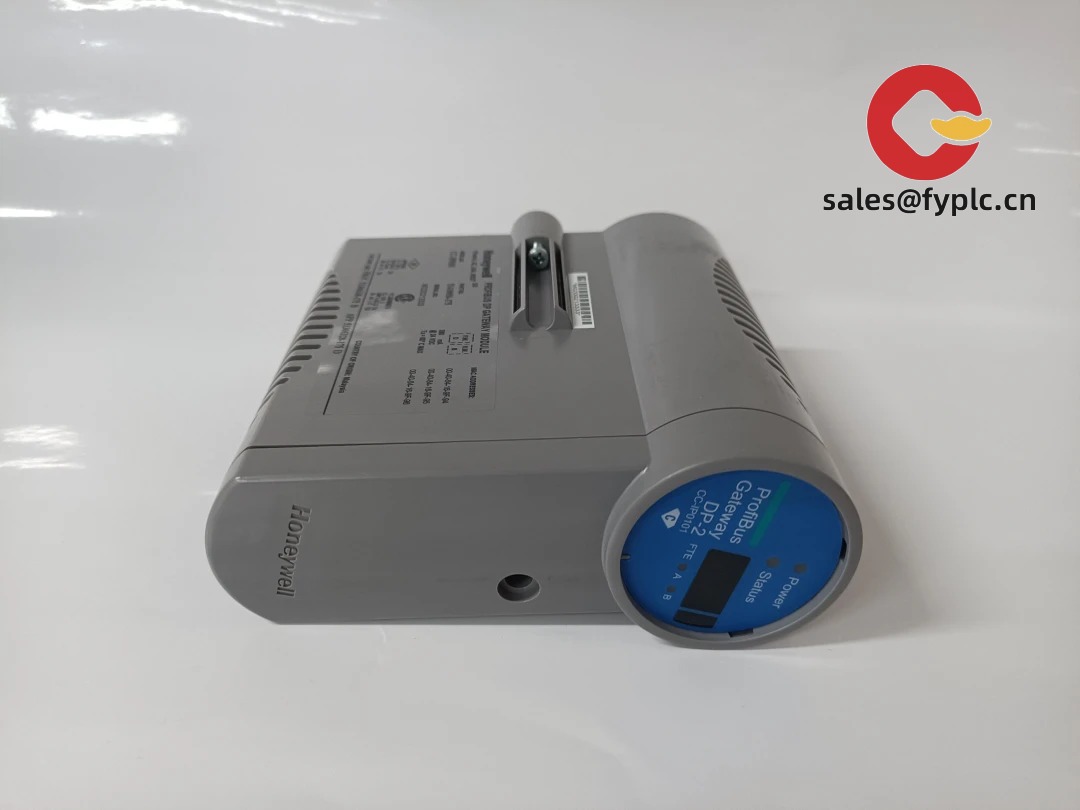
| Dimensions & Weight | 120 x 100 x 75mm / 480g (fits standard 40mm DIN rail spacing) |
| Operating Temperature | -20°C to +60°C (condensation-free)—I’ve seen it run reliably at 58°C in paint curing ovens |
| Signal I/O Types | 16x isolated 4-20mA inputs, 4x relay outputs (5A resistive) |
| Communication | Dual-port Ethernet (Modbus TCP), RS-485 (Modbus RTU) |
Where It Actually Pulls Its Weight
You’ll find these humming inside wastewater treatment plants monitoring pH levels through monsoons, or in semiconductor fabs where 0.1°C fluctuations ruin wafer batches. One automotive supplier I worked with uses them exclusively for paint booth humidity control—they replaced three different brands after the SAI-1620m handled voltage sags during robotic arm surges that crashed competitors’ units. It’s not for simple on/off tasks; this shines where analog signal integrity makes or breaks your yield.
Procurement Perks That Matter Beyond the Datasheet
Let’s be real—you’re not just buying hardware. That CCV1.4 firmware means field-upgradable features without swapping controllers, which typically avoids $2k+ in engineering fees per unit. And Honeywell’s global service network? When a brewery’s fermentation controller failed at 2AM, their local rep had replacement firmware loaded before sunrise. From my experience, the 365-day warranty actually covers real-world wear—not just manufacturing defects—so you won’t get nickel-and-dimed on calibration drift claims.
Installation & Maintenance: The Unsexy Truth
Mount it on standard TS-35/7.5 DIN rail (don’t force it—that warps the terminals). Leave 20mm clearance on sides for ventilation; I’ve seen units fail prematurely when crammed next to VFDs. Wire inputs with shielded twisted pair and ground shields at controller end only—this avoids ground loops that plague 30% of analog installations I troubleshoot. Pro tip: Schedule quarterly firmware checks via Honeywell’s Experion launcher; one chemical plant avoided a $50k batch loss when an update fixed a rare HART comms glitch.
Safety note: Always disconnect power before servicing—those terminal blocks stay live even when the display’s off.
Certifications & Order Logistics
Carries CE, UL 61010-1, and RoHS 3 compliance—no customs headaches at EU ports. In my experience, the ISO 9001 manufacturing process shows in consistent unit-to-unit performance (±0.1% accuracy spec holds across batches).
Ordering reality check: 50% advance payment locks pricing. In-stock units ship within 1 week via your choice of FedEx/UPS/DHL (no carrier markups). Worst-case scenario? 4 weeks for custom-configured units—but I’ve yet to see one delayed beyond 22 days.

Reviews
There are no reviews yet.