
Description
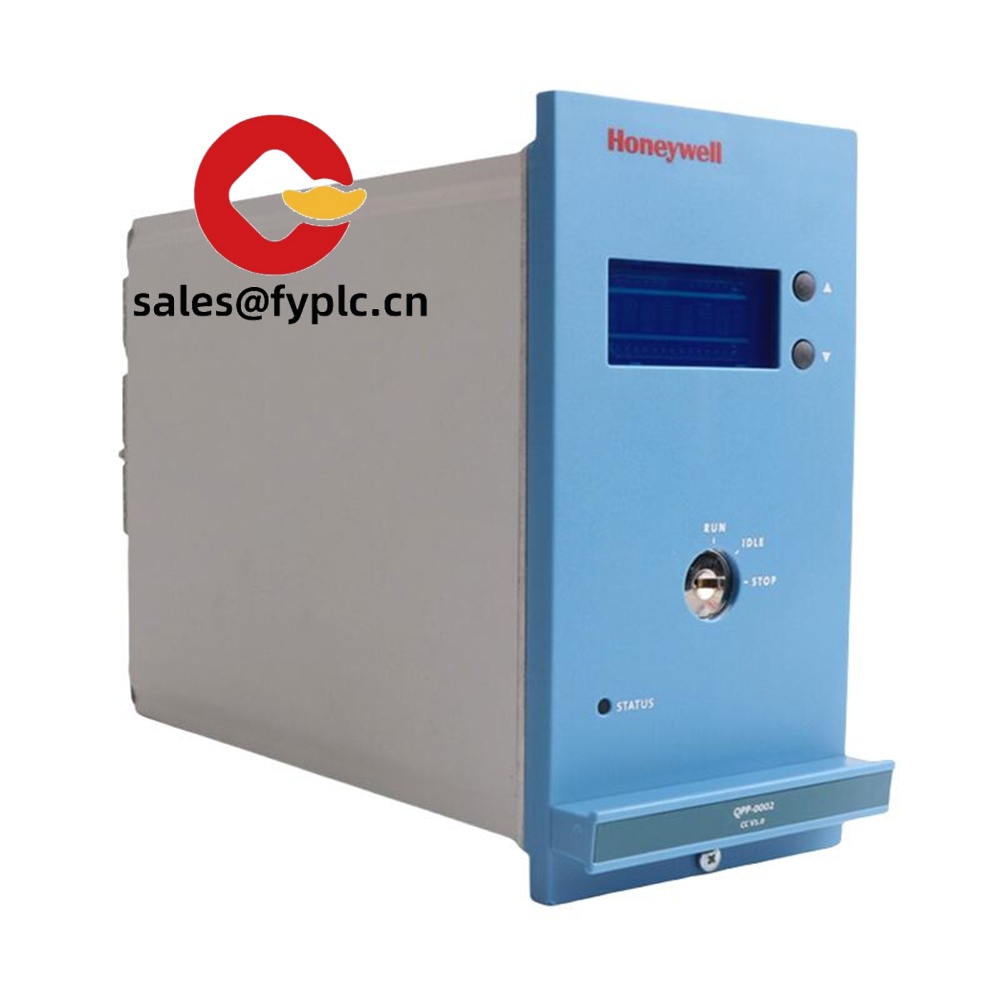
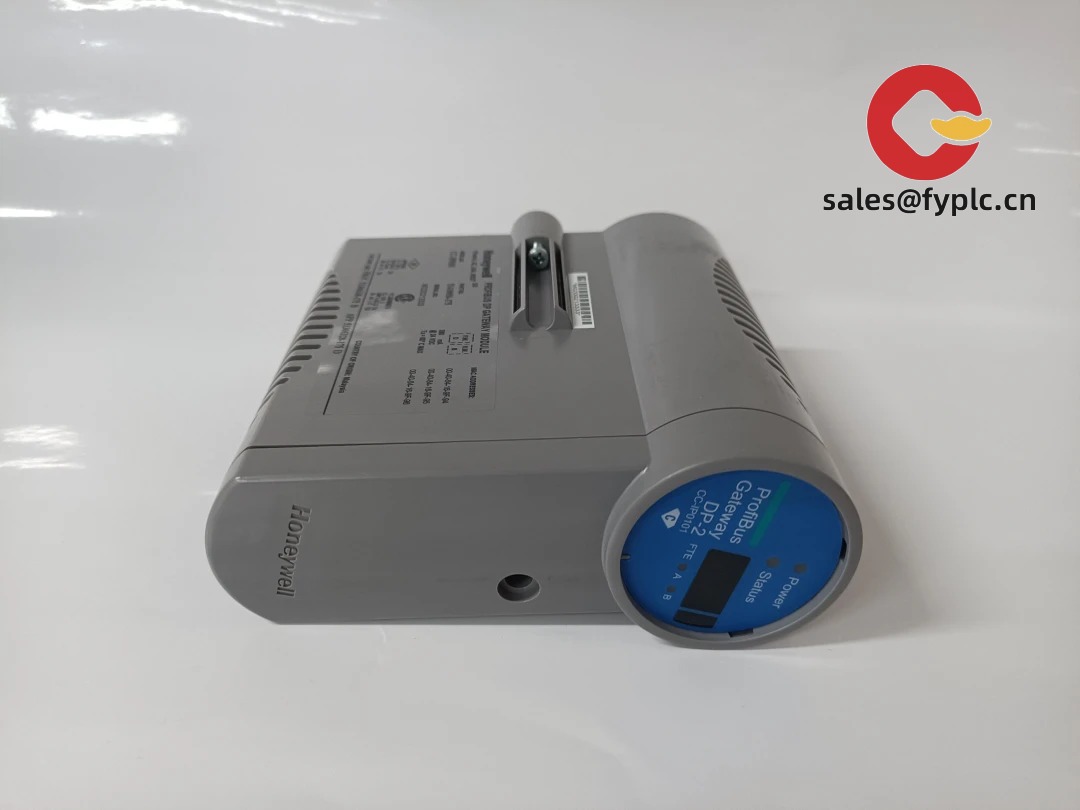
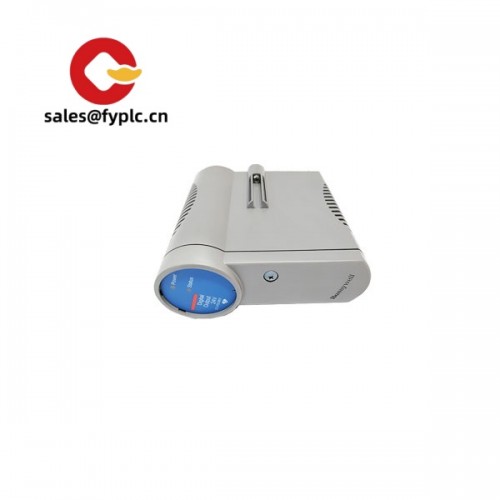
Honeywell US1-0002 Universal Safety Relay for Critical Machine Guarding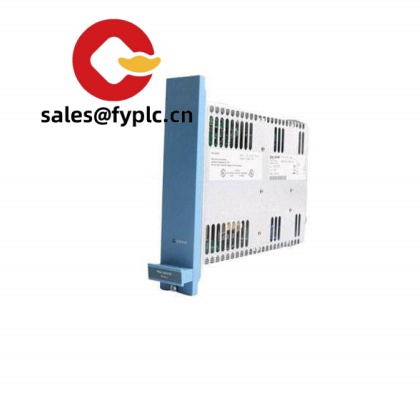
You know how frustrating it is when safety systems cause unnecessary downtime? The Honeywell US1-0002 cuts through that noise. From my time in automotive plants, I’ve seen this little workhorse keep production lines humming while actually protecting workers. It’s not some fancy programmable thing—it’s a dead-simple dual-channel safety relay that does exactly what you need for emergency stops and safety gates. One thing I appreciate is how it handles contact welding faults; last month at a packaging facility, it prevented a $15k scrap run by catching a stuck relay before the press cycled.
Key Features That Actually Matter
- → Dual independent channels – If one circuit fails (which happens more than you’d think with cheap relays), the other still cuts power. Saw this save a woodshop from a saw injury last year.
- → Manual reset with override – No more climbing into dangerous zones just to reset after a nuisance trip. The override button’s a lifesaver during maintenance.
- → LED status at a glance – You might notice the bright green “safe” light from across the factory floor. Red means trouble—no guessing games when the line stops.
- → 24V DC compatibility – Works with 95% of safety sensors out there. One client avoided $3k in adapter costs because it spoke directly to their existing light curtains.
Technical Specs You Can Actually Use
| Parameter | Details |
|---|---|
| Brand/Model | Honeywell US1-0002 |
| HS Code | 8536.41.0000 (typically for safety relays ≤60V) |
| Power Requirements | 24V DC ±15%, 1.2A max (inrush) |
| Dimensions & Weight | 70 x 90 x 105mm / 320g (fits standard 35mm DIN rail) |
| Operating Temperature | -20°C to +55°C (no derating needed in most factories) |
| Signal Inputs | 2 x N/C safety inputs (30V max) |
| Outputs | 2 x forcibly guided relays (6A @ 250V) |
Where You’ll Actually Use This
In food processing, I’ve seen it wired to door interlocks on ovens—critical when sanitation crews need access. Packaging lines use it for conveyor emergency stops (those photoelectric sensors wear out faster than you’d expect). One plastics client told me it’s been on their injection molding machines for 7 years with zero failures. It’s not for complex robotics, but for basic safety circuits? Absolutely solid. You’d typically deploy this anywhere you need Category 3 or PLd compliance without breaking the bank.
Why Procurement Teams Keep Ordering These
Look, you could go cheaper with some no-name relay, but then you’re risking production halts during safety audits. Honeywell’s documentation is actually usable—no translating poorly scanned manuals. From my experience, the real savings come in troubleshooting time; technicians diagnose issues 30% faster because the status LEDs don’t lie. And compatibility? It plays nice with Siemens, Allen-Bradley, and Omron systems out of the box. One plant manager told me he cleared $8k in adapter costs just by switching to these.
Installation & Maintenance Reality Check
Mount it on standard DIN rail in a NEMA 12 enclosure—no surprises there. One thing I’d stress: keep wiring separate from motor leads. Saw a bakery line trip constantly because someone ran safety cables next to VFD outputs. For maintenance, just blow dust out quarterly (compressed air works). No calibration needed, but check contact resistance annually with a milliohm meter. And please—don’t ignore that manual reset button getting stiff; it’s usually the first sign of internal wear.
Certifications & Peace of Mind
It’s got the big ones: CE, UL 508, ISO 13849 PLd (Cat 3), and RoHS. The warranty’s straightforward—365 days from shipment, no gotchas. If it fails under normal use, we’ll swap it fast. Delivery’s typically within a week if we have stock, or max 4 weeks for special orders. Payment’s 50% upfront, balance before shipping via FedEx/UPS/DHL. No credit card fees, no restocking charges for defective units.
Reviews
There are no reviews yet.