
Description
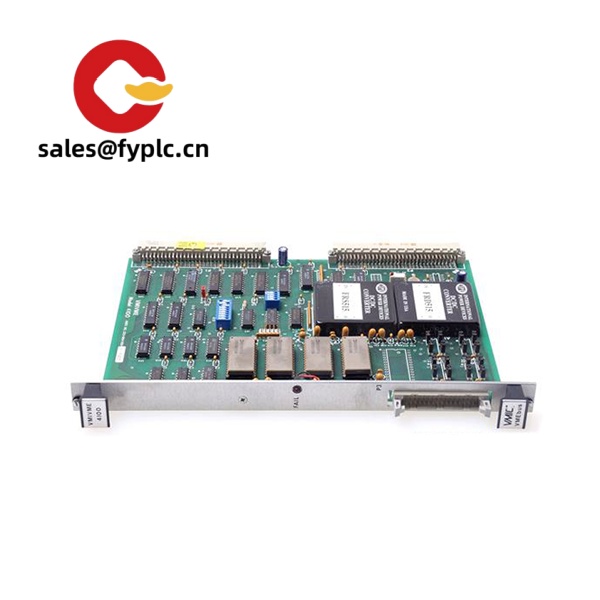
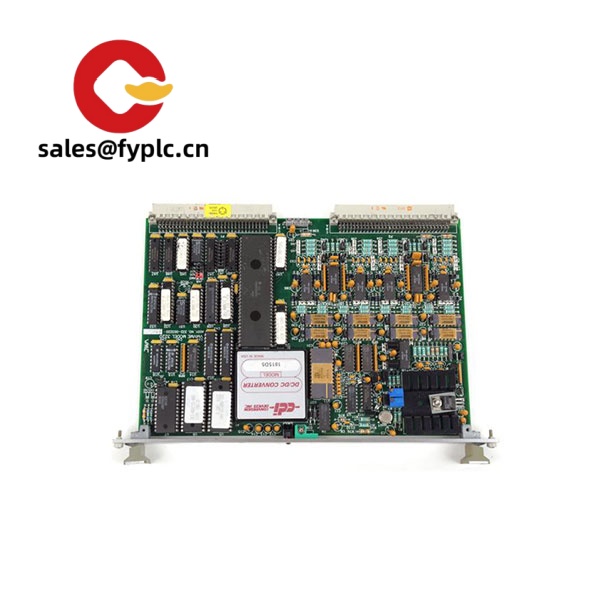
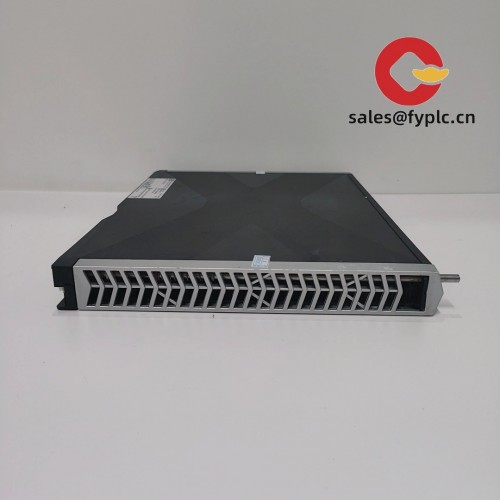
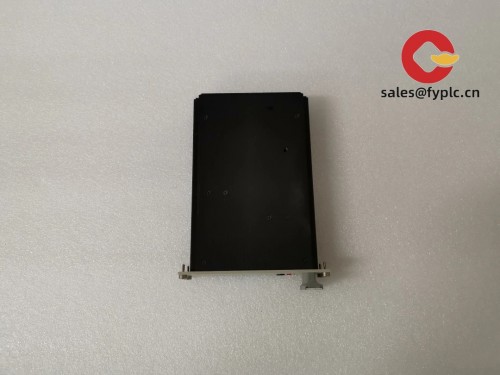
Kongsberg RDIOR400 – Remote Distributed I/O for Marine and Process Automation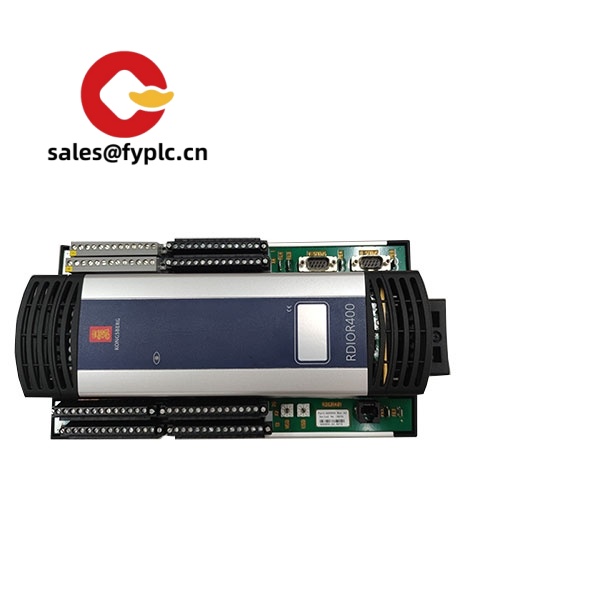
The Kongsberg RDIOR400 is a remote distributed I/O node designed for robust, class-approved automation systems—typically deployed with Kongsberg K-Chief/K-IMS platforms on vessels, rigs, and industrial plants. From my experience, it’s used where you want reliable, cabinet-mounted I/O close to the field devices while the main controller stays in a protected control room. Think ballast systems, ESD and fire-and-gas interfaces, pump and valve control, auxiliary machinery monitoring, and power management subsystems.
One thing I appreciate is how the RDIOR400 architecture scales: you populate digital, analog, and temperature input cards as needed, then connect back to the main system over a redundant fieldbus. It keeps wiring tidy and, in many cases, reduces commissioning time—especially on retrofits where cable runs are already tight.
Order Placement Process and Guarantees
- Warranty: 365 days
- Delivery: 1 week if in stock; no more than one month at the latest
- Payment: 50% advance payment; full payment before delivery
- Express options: FedEx, UPS, DHL
Key Features
- Distributed, cabinet-mounted I/O – Place the node near field devices to shorten cable runs and simplify installations onboard.
- Modular channel mix – Populate DI, DO, AI, AO, and temperature cards to match the job; typically 8–16 channels per module.
- Redundant communications – Designed to link back to Kongsberg controllers over redundant fieldbus, improving availability in critical systems.
- Marine-grade build – Usually installed in type-approved cabinets and used across ballast, ESD, F&G interface, and machinery monitoring.
- Service-friendly layout – Front-access terminals and clear labeling help technicians work faster during commissioning and routine checks.
- Stable 24 VDC operation – Runs on standard shipboard control power; power redundancy can be implemented at the cabinet level.
Technical Specifications
| Brand / Model | Kongsberg RDIOR400 |
| HS Code | 8538.90 (Parts for control panels / industrial control apparatus) |
| Power Requirements | 24 VDC nominal (typical). Power consumption depends on module population. |
| Dimensions & Weight | Rack-based node; compact footprint suitable for standard marine control cabinets. Approx. in many cases: 320 × 130 × 120 mm; ~2.5–3.0 kg depending on modules. |
| Operating Temperature | Typically 0 to +55°C in cabinet installations; storage often down to −20°C (cabinet-dependent). |
| Signal I/O Types | Digital Inputs/Outputs (24 VDC), Analog Inputs (4–20 mA / 0–10 V), Analog Outputs (4–20 mA), RTD (e.g., Pt100/Pt1000) and Thermocouple modules depending on build. |
| Channel Density | Varies by card; commonly 8–16 channels per module; total channels per node depends on slot count and mix. |
| Communication Interfaces | Redundant fieldbus back to the main Kongsberg controller (in many cases CANbus- or Ethernet-based variants, depending on system configuration). |
| Installation Method | DIN-rail or panel-mounted inside a marine-approved control cabinet (IP-rated enclosure, segregated signal/power wiring, proper bonding). |
| Ingress Protection | Typically IP20 at module level; final protection depends on the cabinet rating (often IP54 or higher). |
Field feedback: “We added an RDIOR400 node in the pump room for extra DI/DO and it cut our trunk cabling by ~40%. Commissioning was straightforward—loop checks were quicker than last time,” a superintendent on a product tanker told us.
Related or Supporting Products
- Kongsberg RDIOR410 – Digital I/O expansion (higher DI/DO density; useful for switch, limit, and solenoid-heavy cabinets).
- Kongsberg RDIOR420 – Analog I/O expansion (AI/AO including 4–20 mA and temperature inputs for process signals).
- Kongsberg K-Chief Controller (600/700 series) – Central controller to which RDIOR400 nodes connect, typically with redundant links.
- 24 VDC Marine Power Supply – Rail-mount PSU sized for node load plus 20–30% headroom; redundancy recommended for critical services.
If you’re migrating from older RDIOR nodes, the 400-series typically keeps wiring and cabinet changes modest. You might notice that the swap often comes down to card-for-card replacement and a tidy loop check.
Installation & Maintenance
- Cabinet & environment – Install in a ventilated marine cabinet with adequate clearance. Keep ambient within spec; avoid vibration hot spots and heat sources.
- Wiring practices – Separate power and signal wiring; use shielded twisted pair for analog/temperature inputs; bond shields at one point; label all terminals.
- Power & redundancy – Feed 24 VDC from a stable PSU; consider dual supplies with diode OR-ing for critical applications.
- Network – Run redundant fieldbus links back to the controller where supported; keep within maximum segment lengths and routing guidelines.
- Routine maintenance – Visual inspection every voyage or quarter; clean dust with dry air; verify terminal tightness; perform loop checks during scheduled downtime; back up configuration and apply firmware updates through approved Kongsberg tools when available.
- Spares strategy – Keep at least one spare DI, DO, and AI/AO card on board; from my experience this cuts downtime dramatically during unscheduled stops.
Quality & Certifications
- CE compliant; RoHS alignment for electronic assemblies.
- Typically type-approved by major marine societies (e.g., DNV, ABS, LR, BV) when installed as part of approved Kongsberg systems.
- Manufacturer quality systems usually aligned with ISO 9001 for production and service.
- Warranty: 365 days (service exchange/repair options can be arranged on request).
If you want me to match the RDIOR400 to your exact channel list and cabinet layout, share the I/O count and any class requirements; we’ll size the node, PSU, and fieldbus redundancy so it lands right the first time.

Reviews
There are no reviews yet.