
Description
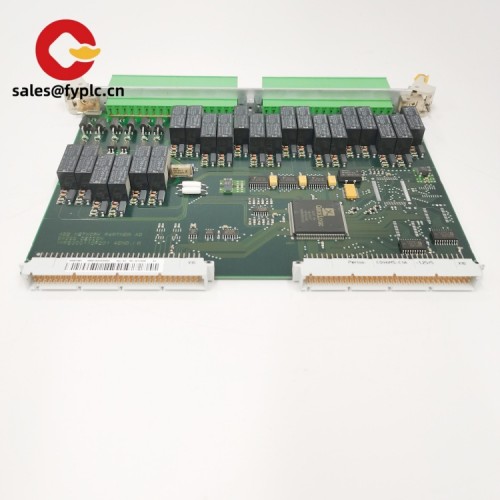
MITSUBISHI A1S68DAV – 8‑Channel Analog Voltage Output Module for MELSEC‑A Control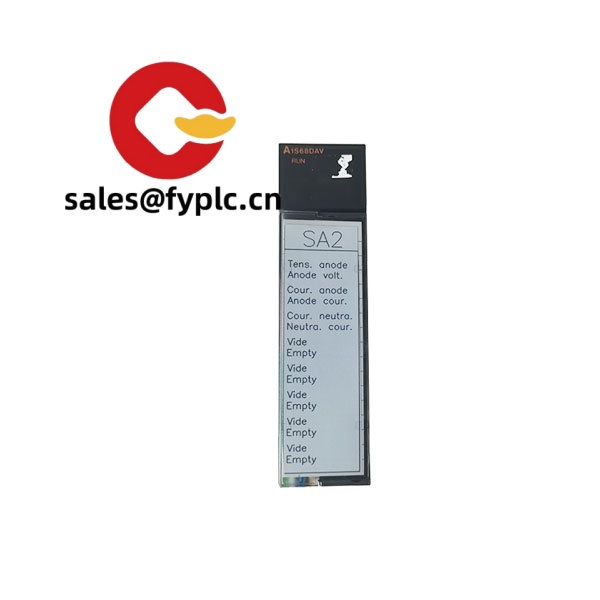
The MITSUBISHI A1S68DAV is a dedicated 8‑channel D/A voltage output module for MELSEC‑A (A/AnS) PLC systems. From my experience, it’s a solid choice when you need stable ±10 V or 0–10 V setpoints to drive inverters, valve positioners, servo amplifiers, or any device that expects clean analog voltage control. It slots straight into the A‑series base, so it’s typically a drop‑in for legacy lines without reworking the cabinet layout.
Company’s Order Placement Process and Guarantees
- Warranty period: 365 days
- Delivery time: 1 week for in‑stock; no more than one month at the latest
- Payment method: 50% advance payment, full payment for delivery
- Express delivery methods: FedEx, UPS, DHL
Key Features
- 8 analog voltage outputs – Ideal for multi‑axis drives, proportional valves, or multi‑loop setpoint control on one card.
- Selectable voltage ranges – Typically supports 0–10 V and −10 to +10 V, which covers most inverter and actuator inputs.
- 12‑bit resolution (approx. 1/4096) – Fine step control for smoother speed or position commands.
- Stable output behavior – In many cases reduces drift seen on aging third‑party analog sources, helping keep process values tighter.
- MELSEC‑A rack integration – Uses the backplane bus; no external comms wiring needed, which keeps cabinets clean.
- Practical diagnostics – You might notice RUN/ERR indicators that make basic health checks straightforward.
- Typical wiring approach – Outputs share a common reference; shielded pair cabling is recommended to reduce noise coupling.
Technical Specifications
| Brand / Model | MITSUBISHI A1S68DAV |
| HS Code | 853710 (Control panels/PLC equipment, <=1000 V) |
| Module Type | 8‑channel analog voltage output (D/A) |
| Signal Output Types | 0–10 V and −10 to +10 V (module‑level range selection, typical) |
| Resolution | 12‑bit (approx. 1/4096 steps) |
| Channels | 8 voltage outputs |
| Power Requirements | 5 VDC from MELSEC‑A backplane (module consumption per manual) |
| Operating Temperature | 0 to 55 °C (non‑condensing environment) |
| Load Impedance | ≥ 1 kΩ recommended (typical for voltage outputs) |
| Communication Interfaces | Internal MELSEC‑A backplane bus; no external comm port |
| Installation Method | Installs in A‑series base unit slot; base mounts to DIN rail or panel |
Application Fields
Typical use cases include speed references to VFDs in packaging lines, analog setpoints for proportional hydraulic or pneumatic valves, temperature/pressure loop control in process skids, and motion‑related analog commands to servo drives that accept ±10 V input. One thing I appreciate is how it simplifies retrofit work on existing MELSEC‑A installations—no cabinet re‑layout, just wire in the shielded analog pairs and you’re moving.
- Discrete manufacturing: machine tools, metal forming, assembly automation
- F&B and pharma skids: dosing, mixing, temperature/pressure control
- Utilities & HVAC: VFD speed reference, damper/valve positioning
- Test stands: analog command sweeps and profile outputs
Advantages & Value
- Drop‑in continuity – Keeps legacy A‑series assets productive without a full platform migration.
- Reliable analog stability – Clean voltage outputs that, in many cases, reduce nuisance drift and re‑tuning time.
- Cabinet efficiency – Backplane integration means less clutter, fewer external power/converter modules.
- Procurement friendly – Predictable lead times and straightforward replacement minimize downtime costs.
- Support – We can assist with range settings, wiring practices, and test procedures to speed commissioning.
A maintenance lead at a beverage plant told me they standardized on A1S68DAV for VFD references on four lines; after switching, they saw steadier ±10 V commands and spent noticeably less time chasing minor speed drifts during seasonal changeovers.
Installation & Maintenance
- Cabinet environment – Keep within 0–55 °C, non‑condensing. Provide ventilation; avoid mounting near high‑heat sources.
- Wiring – Use shielded twisted pair for analog runs; route separately from power and relay lines. Ground shields at one end only to prevent loops.
- Range setup – Confirm whether the application needs 0–10 V or ±10 V. Set the module range consistently and document it in the project notes.
- Load considerations – Drive inputs with ≥1 kΩ impedance (typical). For multiple parallel loads, verify combined impedance before commissioning.
- Commissioning check – Verify each channel with a calibrated DMM at known setpoints (0 V, midscale, full‑scale). From my experience, this saves troubleshooting later.
- Routine maintenance – Inspect terminal tightness quarterly, clean dust from the rack, and periodically validate output accuracy against a reference meter. Update PLC logic/comments when adjusting any buffer memory parameters.
- ESD & safety – Power down the rack before inserting/removing modules. Observe ESD precautions when handling the card.
Quality & Certifications
- CE and UL marking on applicable A‑series modules
- RoHS compliance on current supply chain lots (varies by production year)
- Manufactured under ISO 9001 quality systems
- Standard warranty: 365 days
If you’re planning a like‑for‑like replacement or adding extra analog channels to an existing MELSEC‑A rack, the A1S68DAV seems to be one of the more straightforward ways to get dependable voltage outputs without re‑engineering your process.

Reviews
There are no reviews yet.