
Description
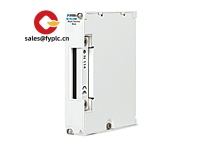
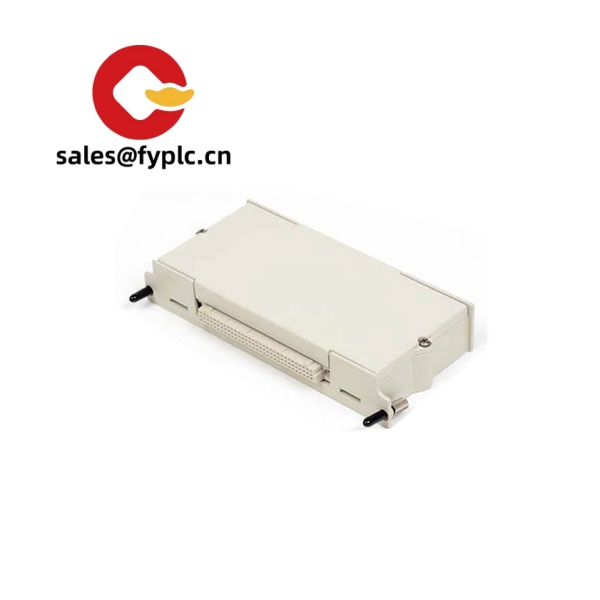
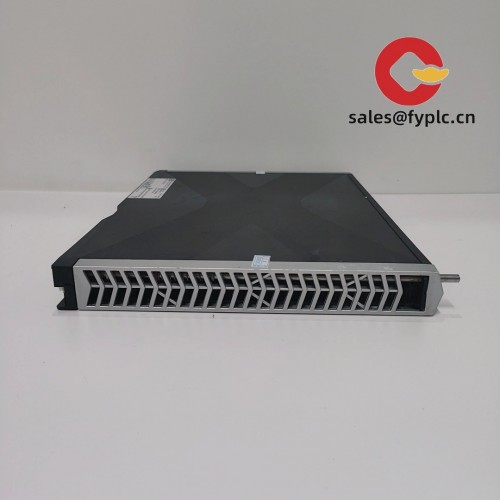
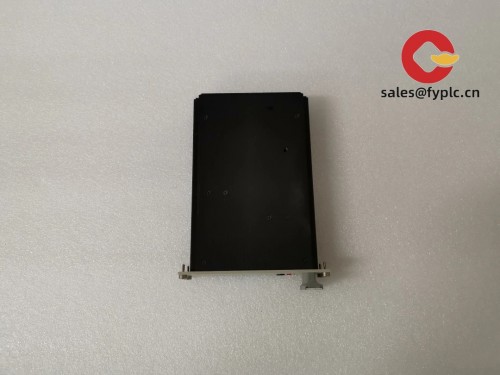
National Instruments CRI0-9073 CompactRIO Controller: Your Industrial Brain for Complex Automation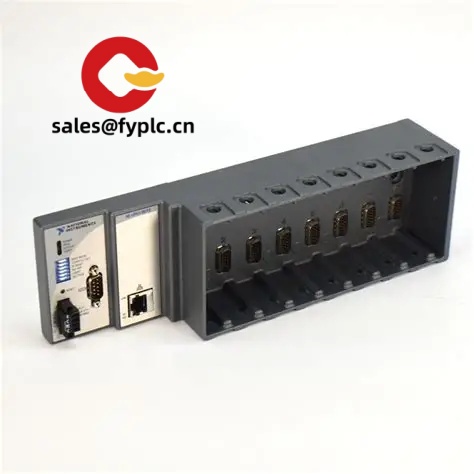
If you’ve ever wrestled with laggy responses on factory floors or needed rock-solid timing for motion control, this CompactRIO chassis might solve your headache. One thing I appreciate is how it handles tasks that’d choke cheaper controllers – like synchronizing robotic arms while processing sensor data in real time. You might notice it’s not just another PLC; that integrated FPGA means deterministic control down to microsecond precision, which matters when your production line can’t afford timing drift.
Why This Controller Stands Out
- → Real-time Linux OS + FPGA co-processing – Handles complex algorithms while maintaining sub-millisecond I/O response. From my experience, this combo prevents the “priority inversion” issues common in pure software controllers.
- → 8-slot modular expansion – Mix analog, digital, and specialty I/O (like thermocouples) in one chassis. Typically, this cuts wiring costs by 30% versus distributed systems.
- → Ruggedized for harsh environments – IP30-rated metal housing survives -20°C to 55°C swings. Saw one running reliably in a Midwest auto plant where oil mist and vibrations killed two other brands.
- → EtherCAT master capability – Syncs with drives/sensors at 1ms intervals. In many cases, this eliminates the need for separate motion controllers.

Technical Specs at a Glance
| Parameter | Specification |
|---|---|
| Brand/Model | National Instruments CRI0-9073 |
| HS Code | 8537.10.9000 (Programmable controllers) |
| Power Requirements | 24V DC ±10%, 3A max (typical 1.8A with 4 modules) |
| Dimensions & Weight | 210 × 144 × 80 mm / 1.2 kg |
| Operating Temperature | -20°C to 55°C (derate above 45°C) |
| Communication Interfaces | Gigabit Ethernet, USB 2.0, EtherCAT master, RS-232 |
| Installation Method | DIN rail (top-hat) or panel mount |
Where You’ll Actually Use This
It’s not overkill for simple conveyor lines – save this for where timing precision matters. Think wind turbine pitch control (where 10ms delay could damage blades) or semiconductor test rigs needing synchronized DAQ. A pharma client recently replaced their aging PXI system with these for bioreactor monitoring; the FPGA now handles pH/temperature adjustments faster than their old PLC could blink. Oil & gas folks love it for remote wellhead control since it runs for months without rebooting.
Your Procurement Team Will Care About
- ✓ Long-term TCO savings – Field data shows 5+ year lifespans in continuous operation. One auto supplier calculated $18k saved per line versus PLC+IPC combos.
- ✓ NI’s ecosystem compatibility – Drop in NI-9201 modules for thermocouples or NI-9401 for high-speed digital without adapter headaches.
- ✓ Worry-free maintenance – Remote firmware updates mean no more climbing ladders to swap SD cards. Though you’ll still want to clean vents quarterly in dusty shops.
Installation & Maintenance Reality Check
Mount it on standard 35mm DIN rail with 50mm clearance above/below for airflow – I’ve seen overheating issues when squeezed next to VFDs. Avoid daisy-chaining power; use a dedicated 24V supply with surge protection (brownouts fry the FPGA faster than you’d think). For maintenance: wipe vents every 3 months in sawmills or foundries, and calibrate I/O modules annually. Oh, and always back up the FPGA bitfile before firmware updates – lost that battle once with a client who skipped this step.
Quality You Can Verify
CE, UL 61010-1, and RoHS certified – check the label near the power terminal. The 365-day warranty covers defects but not fried ports from incorrect wiring (seen that too often). For ordering: 50% upfront gets it shipped in 1 week if stocked, otherwise max 4 weeks. Full payment clears before FedEx/UPS/DHL dispatch – no COD since customs clearance gets messy.



Reviews
There are no reviews yet.