
Description
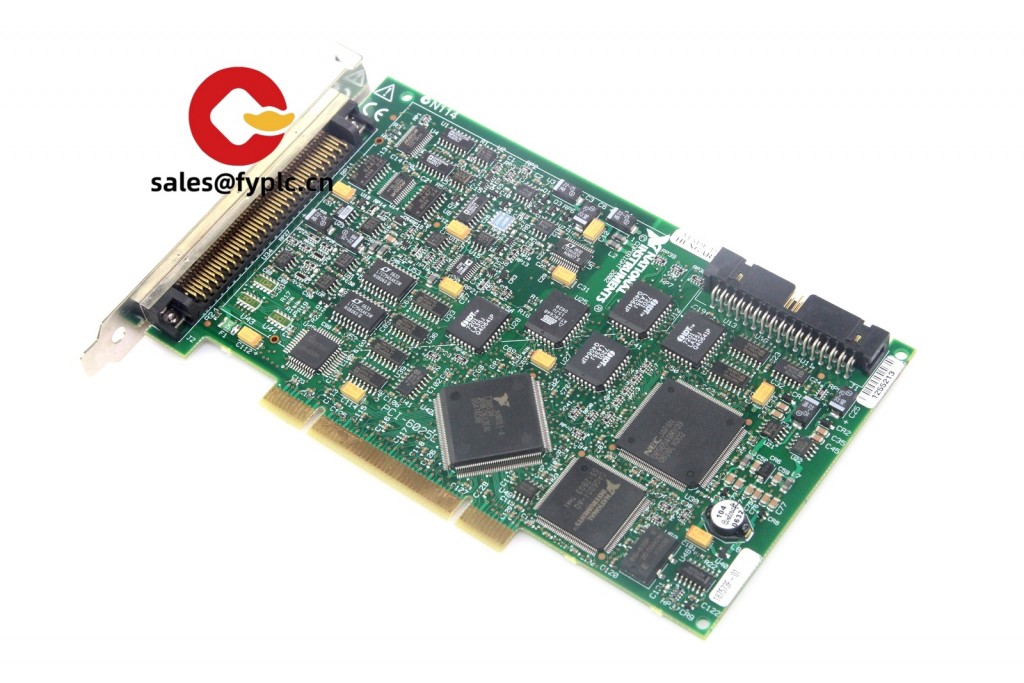
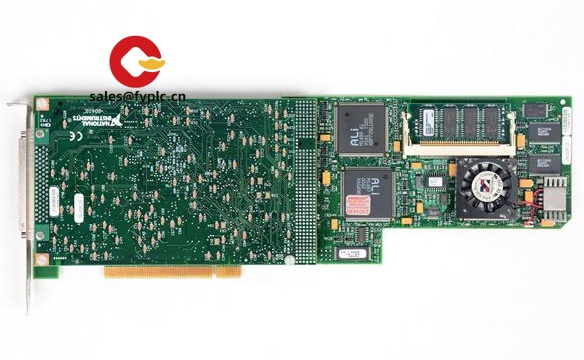
NI PCI-6036 (PCI-6036E) Multifunction DAQ – Reliable 16‑bit data acquisition on standard PCI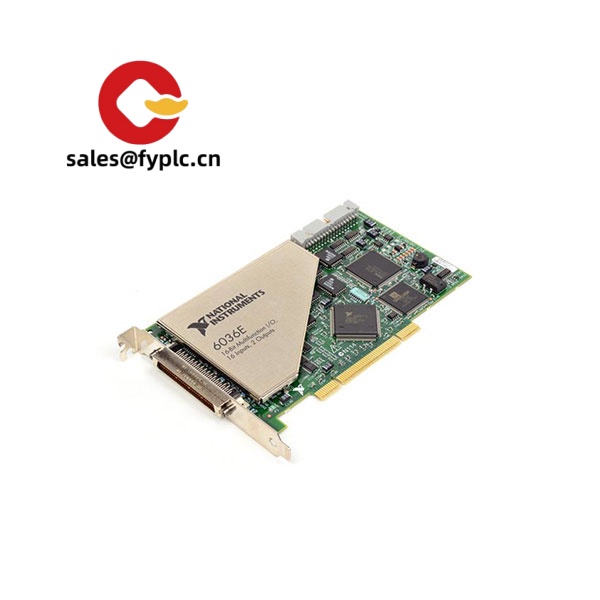
The NI PCI-6036—often listed as PCI‑6036E in the E Series family—is a classic multifunction DAQ board for engineers who need stable, 16‑bit analog measurements on a dependable PCI platform. It’s typically used for bench testing, production data logging, and basic closed-loop control. From my experience, the 603xE boards strike a good balance: straightforward to deploy, accurate enough for most lab and factory tasks, and supported by NI‑DAQmx for long-term maintainability.
Order Placement Process and Guarantees
- Warranty: 365 days
- Lead time: In-stock typically ships within 1 week; no more than 1 month at the latest
- Payment terms: 50% advance payment; full balance prior to delivery
- Express options: FedEx, UPS, DHL
Key Features
- 16‑bit analog input accuracy – Suitable for precision sensing, typically outperforming older 12‑bit cards in noise and resolution.
- Up to 16 SE / 8 DIFF AI channels – Flexible wiring for single-ended or differential sensors; helps when you need better common‑mode rejection.
- Aggregate sampling up to 200 kS/s – Enough speed for vibration, flow, and process signals in many cases without overcomplicating the setup.
- 2 analog outputs (12‑bit) – Handy for simple control signals, setpoints, or function‑generation at modest update rates.
- 8 lines of TTL digital I/O – Quick on/off control for relays, indicators, or capturing basic status bits.
- Two 24‑bit counters/timers – Frequency/edge counting and timing tasks without extra hardware.
- 68‑pin SCSI‑II style connector – Works with common NI shielded cables and terminal blocks like SCB‑68A or BNC‑2110.
- NI‑DAQmx support – Mature driver stack; integrates with LabVIEW, LabWindows/CVI, and commonly supported Windows versions.
One thing I appreciate is how quickly teams can go from unboxing to streaming data in NI MAX and LabVIEW. A test engineer recently told us, “Swapped a PCI‑6036E into a legacy jig and was logging within an hour—no surprises, which saved my week.”
Technical Specifications
| Brand / Model | National Instruments NI PCI‑6036 (PCI‑6036E) |
| Primary Function | Multifunction DAQ: AI, AO, DIO, counters (E Series) |
| HS Code | 8471.80 (Units of automatic data processing machines) |
| Bus / Interface | 32‑bit PCI, 33 MHz (5 V PCI slot) |
| Power Requirements | Bus‑powered from PCI; no external supply required |
| Analog Inputs | Up to 16 SE or 8 DIFF, 16‑bit, up to ~200 kS/s aggregate; typical ranges ±0.5 to ±10 V (software selectable) |
| Analog Outputs | 2 channels, 12‑bit, modest update rate suitable for setpoints/control (typ. up to ~10 kS/s) |
| Digital I/O | 8 TTL lines (software‑timed), basic handshaking via PFI lines in many cases |
| Counters/Timers | 2 × 24‑bit general‑purpose counters (frequency/edge measurement, pulse generation) |
| Connector | 68‑pin SCSI‑II style (0.050 series D); compatible with SH68‑68‑EP cable and SCB‑68A/BNC‑2110 breakouts |
| Communication / Driver | NI‑DAQmx (Windows); Traditional NI‑DAQ legacy support; common integration with LabVIEW/LabWindows |
| Operating Temperature | 0 to 45 °C (typical for E Series PCI boards) |
| Dimensions & Weight | Standard short PCI card; approx. 175 × 107 mm; ~0.2 kg |
| Installation Method | Installs in a desktop/industrial PC PCI slot; wire I/O via 68‑pin shielded cable to terminal block |
Related & Supporting Products
- NI PCI‑6034E – Similar 16‑bit E Series board; good drop‑in alternative when AI channel count and speed needs match.
- NI PCI‑6035E – E Series variant with similar throughput; in many cases chosen for slightly different accuracy specs.
- NI PCI‑6221 (M Series) – Newer generation, higher performance and better timing; a common modernization path from 603xE.
- NI PCIe‑6321 (X Series) – PCIe bus, advanced timing, more robust DIO; ideal when migrating to newer PCs.
- SCB‑68A – 68‑pin shielded terminal block with strain relief; easiest way to wire sensors neatly.
- BNC‑2110 – BNC breakout for quick sensor hookup; great for labs where you swap instruments often.
- SH68‑68‑EP – Shielded 68‑pin cable; recommended to maintain signal integrity on longer runs.
Installation & Maintenance
- Cabinet/PC standards: Use a clean, grounded PC chassis with a free 5 V PCI slot. Allow clearance for the 68‑pin cable bend radius.
- Ventilation: Maintain airflow around adjacent cards; these boards run cool but dust buildup hurts longevity.
- Wiring: For low‑level signals, use shielded cable (e.g., SH68‑68‑EP) and differential connections to reduce noise.
- Safety: Never exceed input ranges; isolate high‑voltage signals with proper conditioning modules before the DAQ.
- Calibration: Perform a functional check and software calibration verification annually in NI MAX; more often in regulated environments.
- Cleaning: Power down and use dry compressed air to remove dust from the PCI edge and components, typically every 6–12 months.
- Software/firmware: Keep NI‑DAQmx current; in most cases, driver updates deliver stability improvements for legacy E Series boards.
Quality & Certifications
- Certifications: CE marking; RoHS/WEEE compliance varies by manufacturing date—many units are compliant, legacy stock may differ.
- Reliability: E Series boards are well‑proven in production and academic labs; parts availability for accessories remains good.
- Warranty: 365‑day warranty coverage as stated above.
Typical Use Cases
- Bench data logging for temperature, pressure, and flow with differential AI to cut noise.
- End‑of‑line test fixtures needing fast setup with a couple of analog setpoints and digital pass/fail bits.
- Educational labs standardizing on NI‑DAQmx for consistent driver behavior across older PCs.


Reviews
There are no reviews yet.