
Description
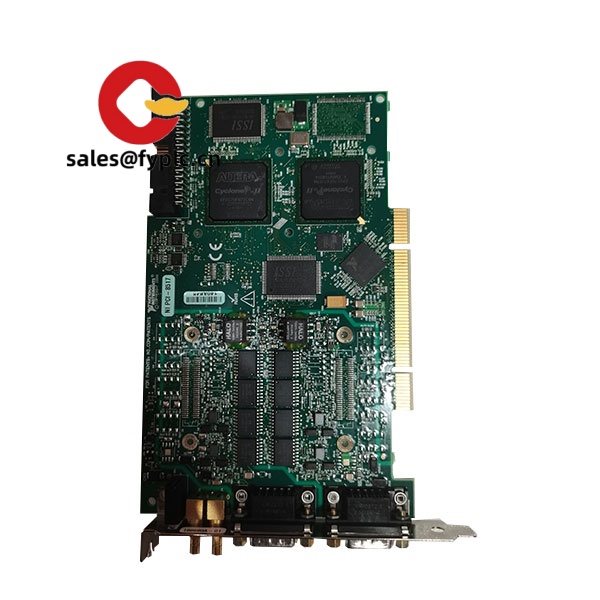
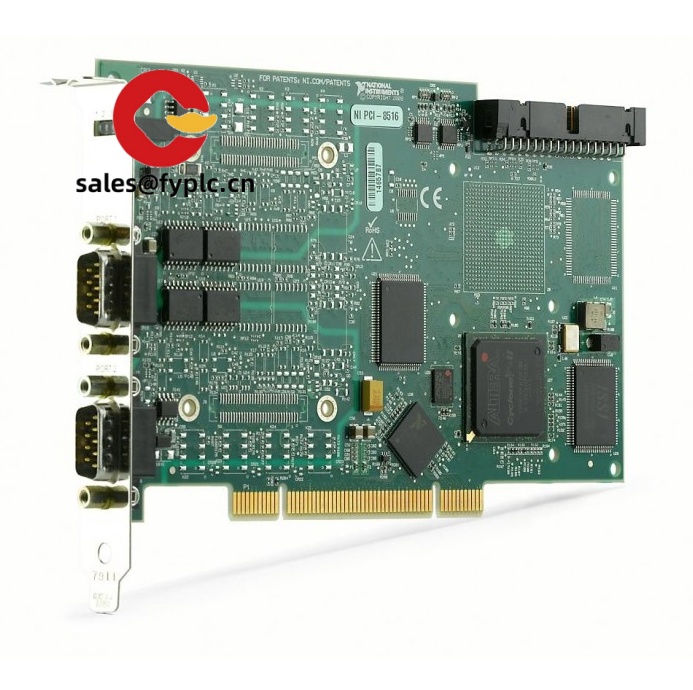
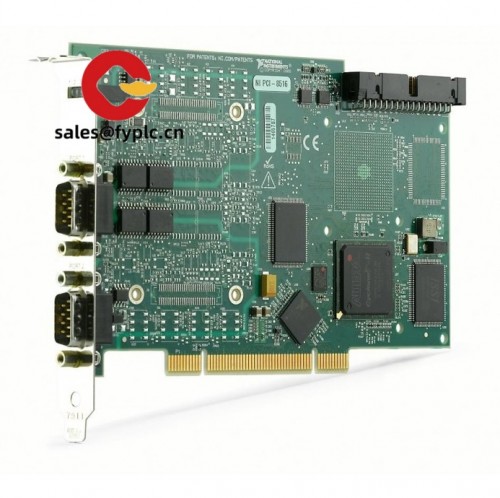
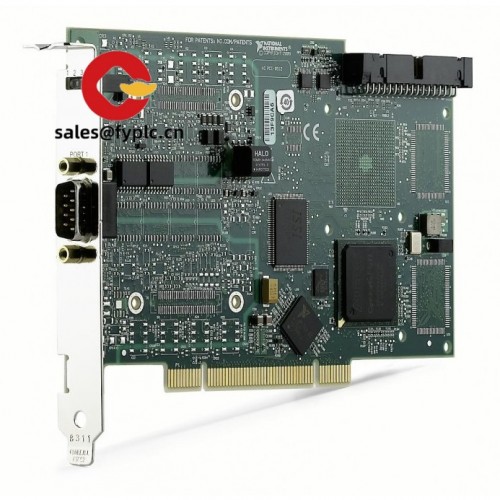
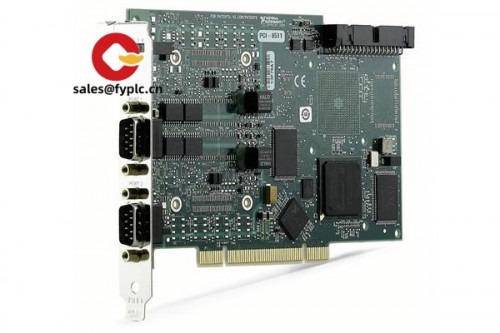
NI PCI-8511 – High‑Speed CAN Interface for PCI Systems (NI‑XNET)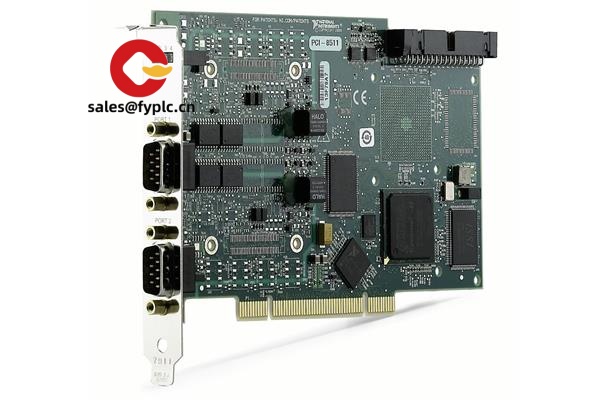
The NI PCI-8511 is a 1‑port, high‑speed CAN interface card that drops straight into a standard PCI slot and speaks NI‑XNET natively. It’s built for fast, deterministic CAN communication in test benches, HIL rigs, and manufacturing diagnostics where sustained logging and precise timing actually matter. From my experience, the NI‑XNET engine keeps CPU usage surprisingly low even when you push bus load, which is why many automotive labs still rely on this card for durable, 24/7 setups.
Typical use cases include ECU flashing/validation, gateway testing, body controls verification, and production end‑of‑line diagnostics. One thing I appreciate is how quickly teams get it going: install NI‑XNET, check the board in NI MAX, wire a DB‑9 connector, and you’re usually pushing frames in minutes. A customer in a powertrain lab mentioned they streamed hundreds of signals at 1 Mb/s without buffer overruns, and switching between frame‑based and signal‑based I/O was as simple as changing the session type.
Order Placement Process and Guarantees
- Warranty: 365 days (replacement or repair policy, parts and labor)
- Delivery time: 1 week for in‑stock items; no more than one month at the latest
- Payment: 50% advance payment; full payment prior to delivery
- Express delivery options: FedEx, UPS, DHL
Key Features
- 1‑Port High‑Speed CAN (ISO 11898‑2) – Standard and extended IDs, up to 1 Mb/s for classic CAN.
- NI‑XNET hardware engine – Low CPU usage, deterministic streaming, and fast signal processing for dense frame sets.
- Frame or signal I/O – Switch between queued frames, cyclic frames, or signal‑based sessions depending on your test needs.
- Timestamped acquisition – Hardware timestamps help correlate events across devices and reproduce timing‑critical issues.
- DB‑9 CAN connectivity – CiA 303‑1 pinout; easy termination with standard 120 Ω resistors on the bus ends.
- Broad software support – NI‑XNET API for LabVIEW, C/C++, and .NET; configuration via NI MAX is straightforward.
- Robust for continuous operation – In many cases, it runs reliably for months in test cells with high bus load.
Technical Specifications
| Brand / Model | NI PCI-8511 (NI‑XNET High‑Speed CAN) |
| HS Code | 8471.80 (Units of automatic data processing machines) |
| Power Requirements | Powered from standard 32‑bit PCI bus; no external supply required |
| Dimensions & Weight | PCI short card with full‑height bracket (fits standard desktop PC chassis) |
| Operating Temperature | 0 °C to 55 °C (typical PC enclosure) |
| Signal I/O Types | 1 × High‑Speed CAN (ISO 11898‑2), 11‑bit and 29‑bit identifiers, up to 1 Mb/s |
| Communication Interfaces | CAN via DB‑9 (CiA 303‑1 pinout); host interface via PCI (32‑bit, 33 MHz) |
| Installation Method | Installs in a desktop PCI slot; configure with NI MAX and NI‑XNET driver |
| Driver / Software | NI‑XNET API for LabVIEW, C/C++, .NET; supports frame and signal sessions |
Related or Supporting Products
- NI PCI-8510/2 – Two‑port High‑Speed CAN on PCI; doubles channel count when you need parallel networks.
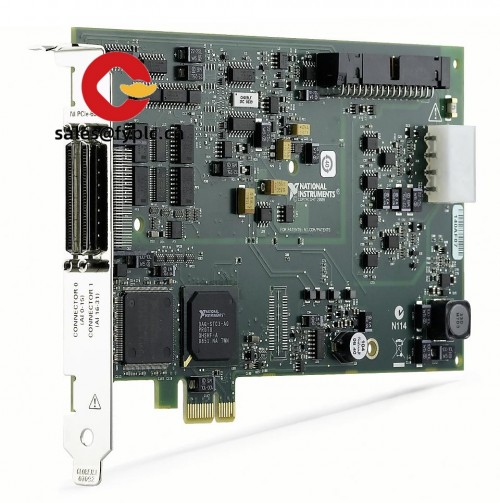
- NI PCIe-8511 – PCI Express version of a single‑port High‑Speed CAN interface; ideal for newer motherboards.
- NI PCI-8512 – Low‑Speed/Fault‑Tolerant CAN (ISO 11898‑3); used where LS/FT bus is required.
- NI PCI-8513 – LIN interface; useful for body electronics and actuator networks.
- NI PCI-8514 – FlexRay interface; for high‑bandwidth, deterministic automotive networks.
- Accessories – DB‑9 CAN cable (male‑male), 120 Ω terminator plugs, DB‑9 to screw‑terminal breakout for panel wiring.
Installation & Maintenance
Basic environment: Use a clean, ventilated PC chassis that meets standard PCI mechanical clearances. Reserve one full‑height slot and keep adjacent slots clear if airflow is tight. Ground the chassis properly to minimize EMC issues.
- Wiring – DB‑9 (CiA 303‑1): Pin 2 = CAN_L, Pin 7 = CAN_H, Pin 3 = GND (signal), Pin 5 = shield. Use twisted‑pair cabling.
- Termination – 120 Ω at each end of the bus. The interface typically does not provide internal termination.
- Bus length – As a rule of thumb, up to ~40 m at 1 Mb/s; longer lengths at lower bit rates (per CAN physical layer practice).
- Software setup – Install NI‑XNET, verify the board in NI MAX, then create frame/signal sessions in LabVIEW, C/C++, or .NET.
- Safety – Power down the PC before insertion/removal. Observe ESD precautions when handling the card.
- Routine maintenance – Keep the PCI slot and connector dust‑free, check cable strain reliefs, and update NI‑XNET drivers/firmware periodically for bug fixes and compatibility.
Quality & Certifications
- Conforms to CE requirements for EMC/safety (typical for NI interface cards)
- RoHS compliant; manufactured under ISO‑style quality systems
- Meets ISO 11898‑2 signaling for high‑speed CAN
- Manufacturer warranty is typically one year; our coverage is 365 days as stated above

Reviews
There are no reviews yet.