
Description
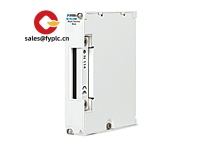
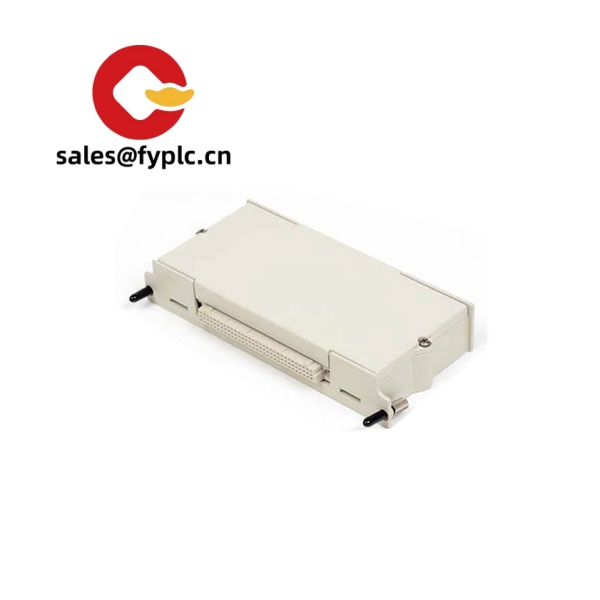
NI PXIe-6556 High‑Speed Digital Waveform Generator/Analyzer for PXI Express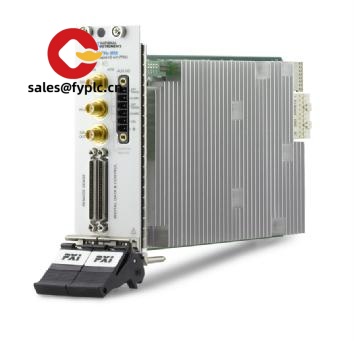
The NI PXIe-6556 is a high-speed digital I/O module built for precise pattern generation and acquisition in PXI Express systems. From my experience, it’s the kind of HSDIO card teams use when they need tight timing, programmable voltage levels, and clean synchronization with other PXI instruments. You might notice that it fits nicely into mixed-signal validation setups—think FPGA bring-up, memory interface exercise, production functional test, or protocol emulation at the board level—without dragging in a full rack of gear.
One thing I appreciate is how straightforward it is to scale: drop multiple 6556 modules in a chassis, sync them over the PXI Express backplane triggers, and you’ve got a wider digital bus with deterministic skew. In many cases, engineers use it to drive LVCMOS-style interfaces while simultaneously capturing responses and sweeping voltage/timing margins. A recent user story: an automotive team ran 80 MHz stimulus to an MCU test socket, logged the return vectors, and shaved hours off their vector-debug cycle thanks to onboard memory and per-pin direction control.
Order Placement Process and Guarantees
- Warranty: 365 days
- Delivery: 1 week for in‑stock items; no more than one month at the latest
- Payment: 50% advance payment; full payment prior to delivery
- Express options: FedEx, UPS, DHL
Key Features
- High‑speed digital stimulus/response – Designed for fast waveform generation and acquisition suitable for device functional test and board validation.
- Programmable voltage levels – Supports common single‑ended logic families (typically LVCMOS ranges), helping you match DUT requirements without level shifters.
- Per‑pin direction control – Configure each line for generation or acquisition; handy for bidirectional buses and protocol handshakes.
- Onboard pattern memory – Store longer vectors locally so you can run tests at speed with minimal host bus interaction.
- Deterministic timing and triggering – PXI Express backplane triggers and clocks simplify multi‑module sync; TClk-style alignment typically tightens inter-module skew.
- PXI Express integration – One‑slot 3U form factor; fits right into standard PXIe chassis for compact, scalable test systems.
- Software workflow – Works with NI driver stack (HSDIO) and is commonly scripted from LabVIEW or text-based languages for automated test.
Technical Specifications
| Brand / Model | National Instruments PXIe-6556 |
| HS Code | 9030.39 (Measuring/checking electrical quantities; for reference—final classification may vary by region) |
| Power Requirements | Powered from PXI Express backplane (12 V and 3.3 V rails); no external PSU required |
| Dimensions & Weight | 3U PXI Express, 1‑slot module; standard PXIe depth; typical weight ~0.5–0.8 kg |
| Operating Temperature | 0 °C to 55 °C ambient; 10%–90% RH, non‑condensing (typical for NI PXIe modules) |
| Signal I/O Types | Digital waveform I/O; programmable single‑ended logic levels (CMOS/TTL‑like); per‑pin direction control |
| Communication Interfaces | PXI Express host interface; PXIe trigger lines for sync; front‑end digital I/O via 68‑pin high‑density connector |
| Installation Method | Installs in a PXI Express chassis (3U). Recommended with compatible shielded cables and breakout/terminal accessories |
Related or Supporting Products
- NI PXIe-6555 – Similar high‑speed digital waveform module, often used when differential (LVDS) signaling or higher edge rates are required.
- NI PXIe-6544 / PXIe-6545 – Cost‑effective digital waveform generation/acquisition modules for moderate data rates and simpler stimulus/response needs.
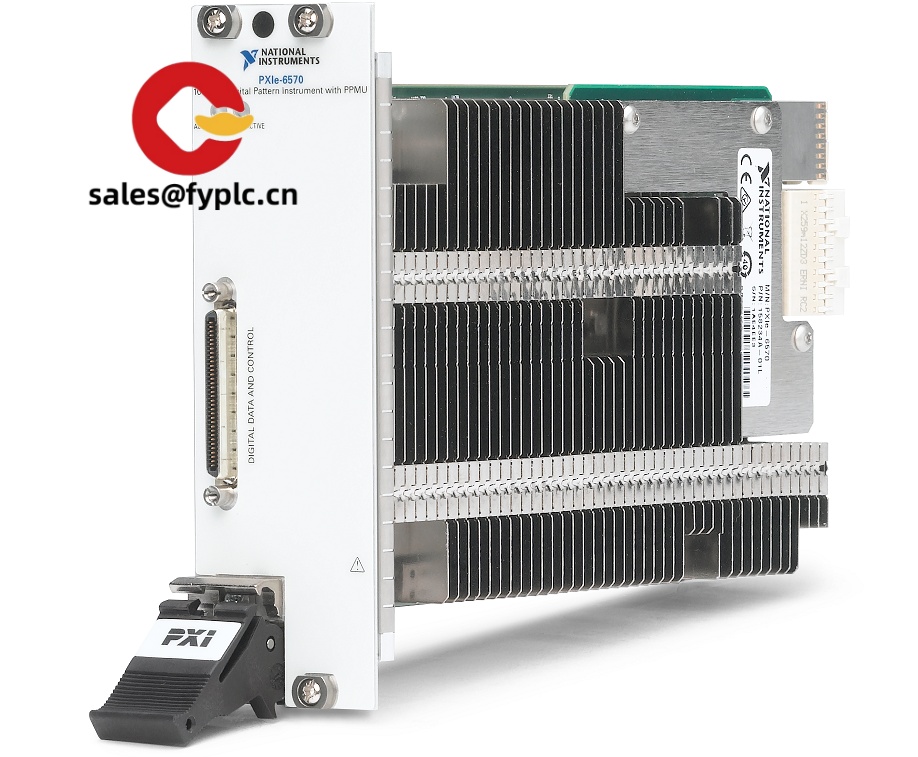
- NI PXIe-6570 – Digital pattern instrument with deep vector memory and per‑pin timing for semiconductor‑style device testing; a step up when you need pin‑accurate patterns and advanced compare features.
- NI SHC68‑68‑D4 – Shielded 68‑pin cable commonly paired with NI digital modules for reliable high‑speed connectivity.
- NI 68‑pin VHDCI breakout (e.g., SMB or screw‑terminal boards) – Terminal blocks that expose per‑line access for bench wiring; choose SMB when you prefer coax fan‑out, or screw terminals for quick proto setups.
- PXI Express chassis and timing – PXIe‑1085 or PXIe‑1078 chassis with a timing module (e.g., PXIe‑6674T) when you need cross‑instrument clocking and tight trigger alignment.
Installation & Maintenance
- Environment & cabinet – Install in a compliant PXI Express 3U chassis with unobstructed airflow. Keep intake/exhaust clear; typical clearance 5–10 cm on vents.
- Wiring & accessories – Use shielded 68‑pin VHDCI cables for high‑speed lines. Keep digital runs short, route clocks separately where possible, and maintain solid grounding to minimize crosstalk.
- Synchronization – For multi‑module setups, route a common reference clock and triggers over the PXIe backplane. Tweak skew with software alignment if you are edge‑budget limited.
- Safety – Verify logic voltage ranges before connecting to the DUT. Avoid hot‑plugging signal cables at speed; discharge static and follow ESD precautions.
- Routine care – Periodically clean connector dust with dry air, check cable strain relief, and update NI drivers/firmware as recommended. Annual verification or calibration is advisable in production test environments.
Quality & Certifications
- Compliance – CE and RoHS compliant; UL/CSA recognition typically applies to PXIe chassis and modules as specified by the manufacturer.
- Manufacturing system – Produced under ISO 9001 quality management (typical for NI hardware).
- Manufacturer’s warranty – NI hardware is typically supplied with a 1‑year limited manufacturer warranty when purchased new.
- Our coverage – 365‑day warranty as noted above for supplied units.
If you’re migrating from bench instruments to a scalable PXIe setup, the NI PXIe‑6556 tends to hit a sweet spot—fast enough for most board‑level digital work, yet simple to script and easy to synchronize with digitizers, SMUs, or RF where mixed‑signal test is the goal.

Reviews
There are no reviews yet.