
Description
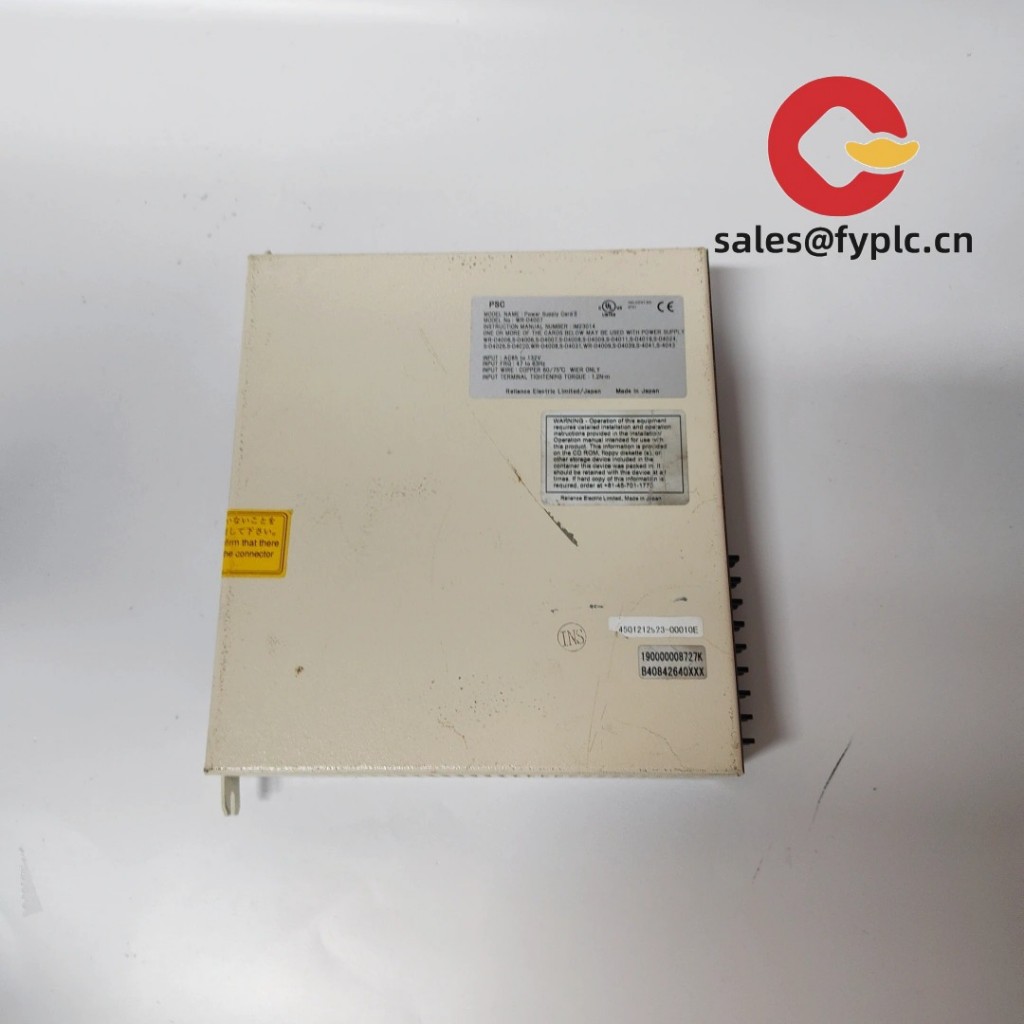
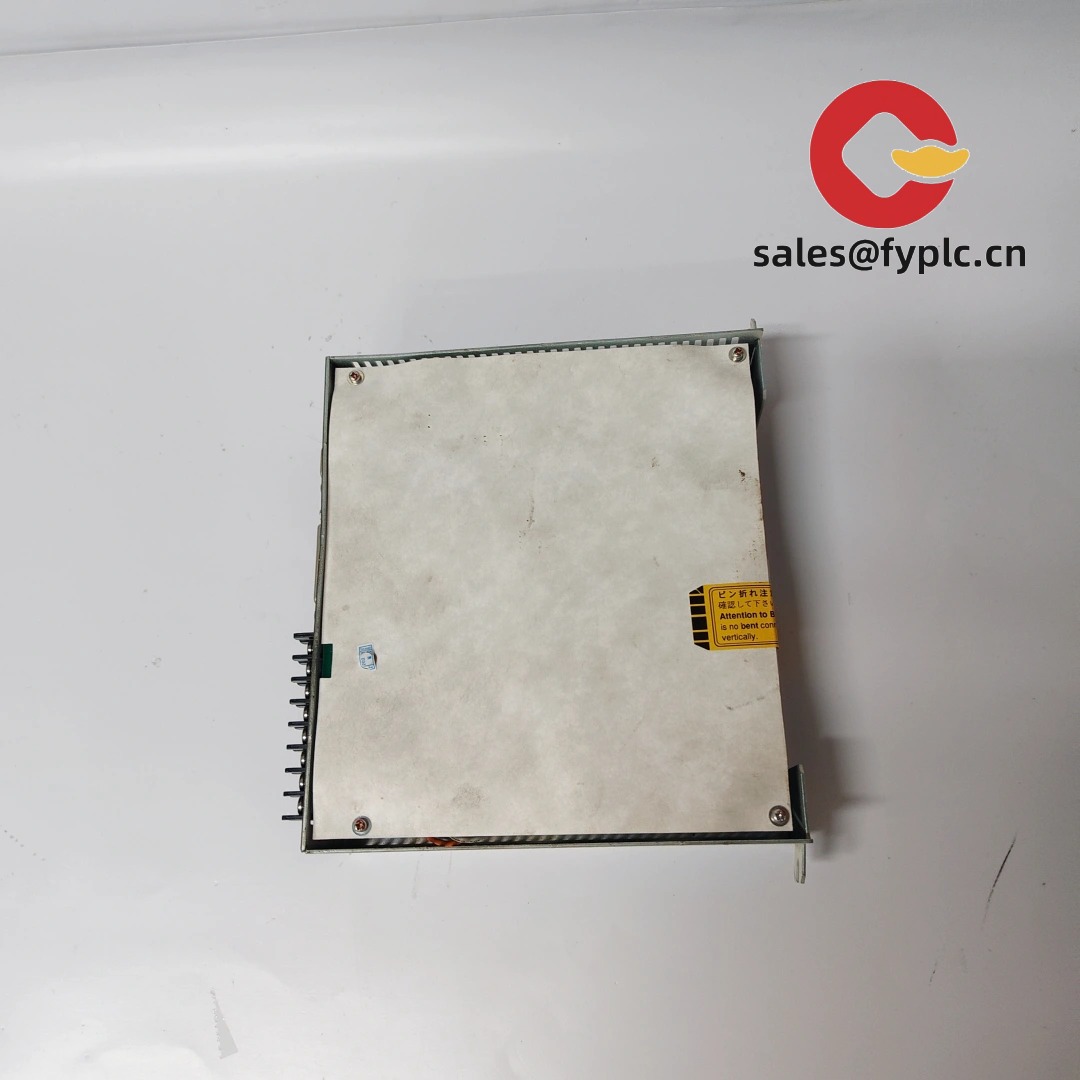
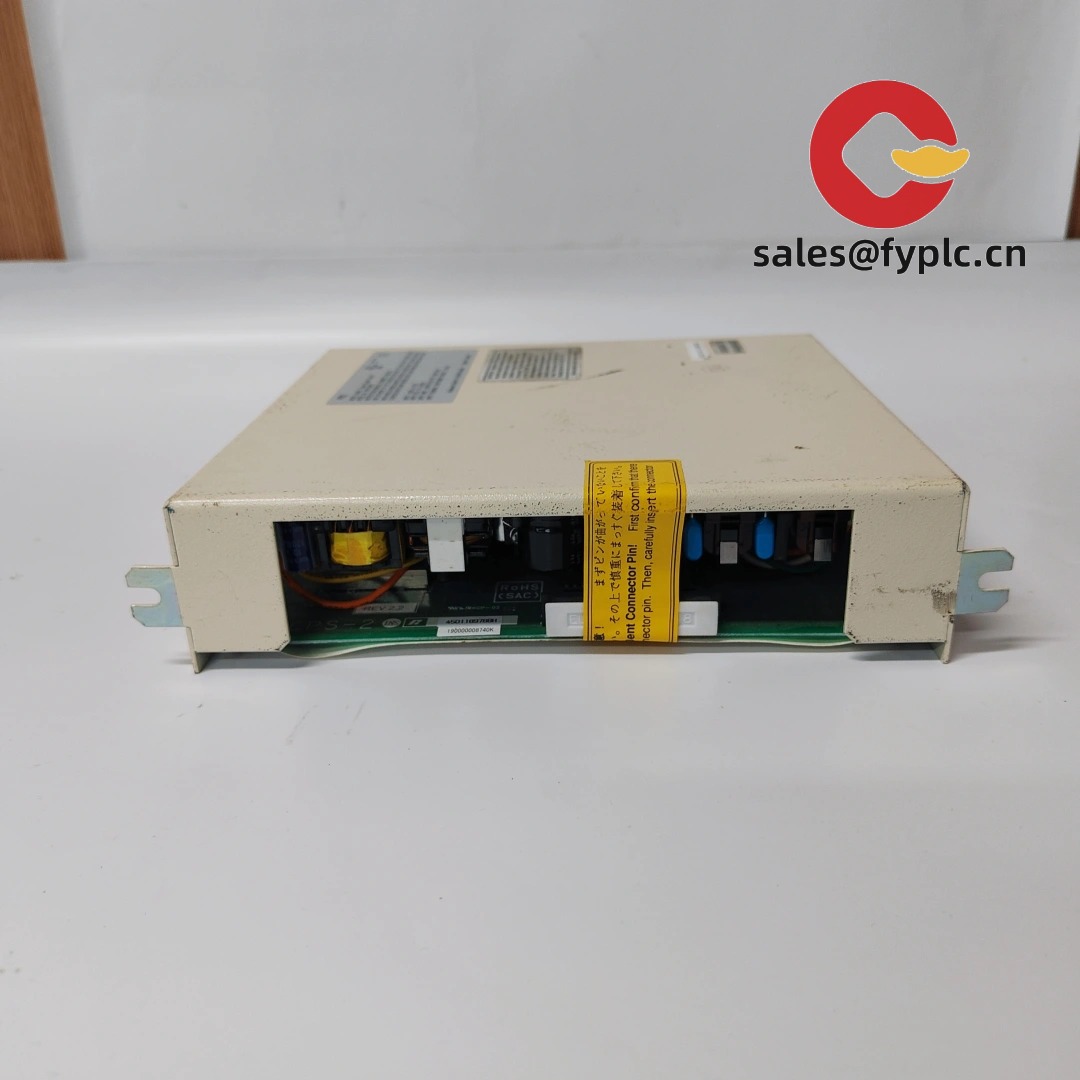
RELIANCE WR-D4007 DC Drive Controller: Keeping Legacy Motor Systems Running Smoothly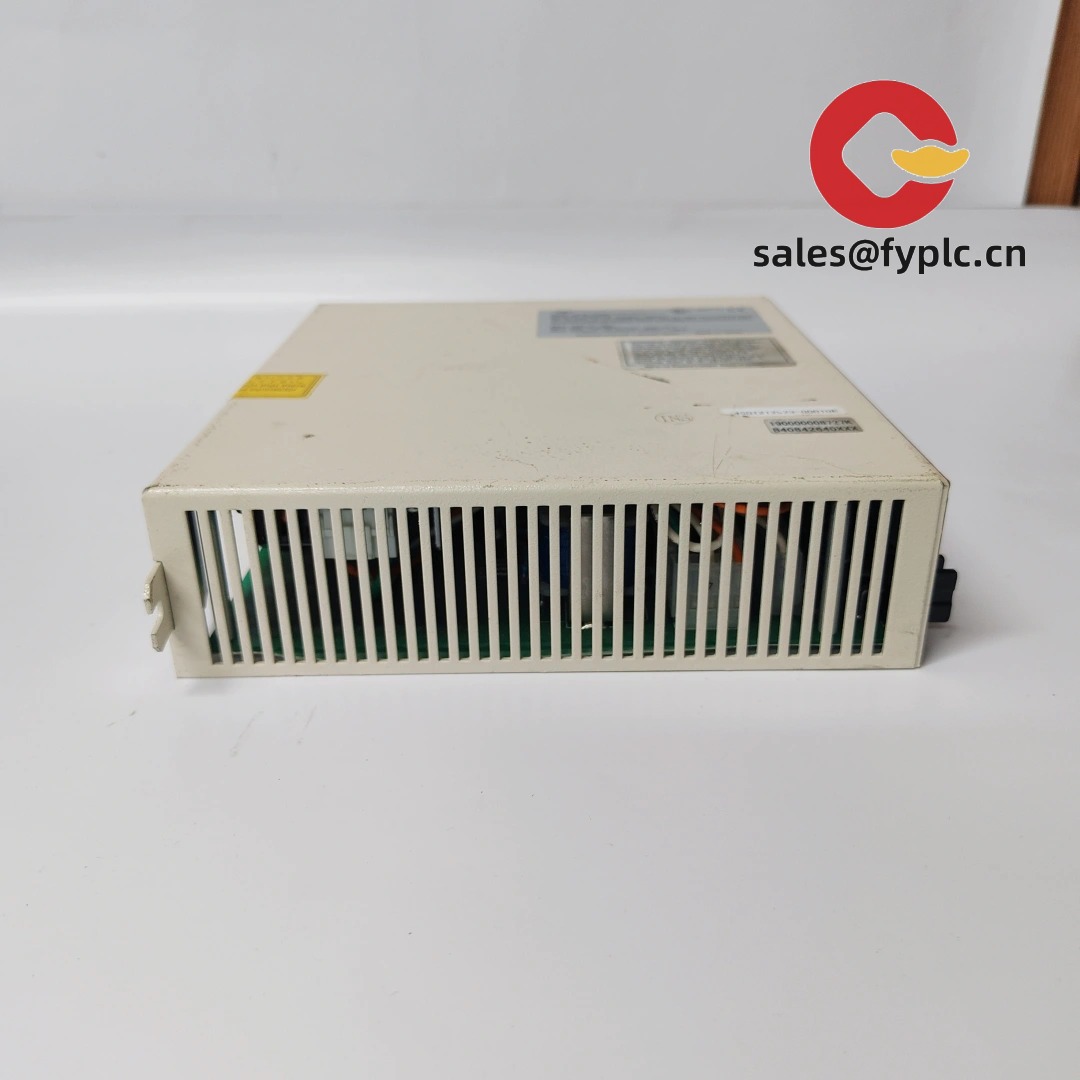

If you’re maintaining older production lines—maybe that paper calender stack from the 90s or a steel rolling mill still humming along—the WR-D4007 is your go-to DC drive controller. From my experience, these units pop up in places where upgrading the whole system isn’t feasible, but downtime costs way too much. One plant manager in Ohio told me they’ve kept spares for 15 years because replacing the entire drive train would cost six figures.
Why Maintenance Teams Still Reach for This Drive
- → Analog I/O compatibility – Works with legacy potentiometers and tachometers you’d find in pre-2000 machinery. No need to rip out control panels just to replace a drive.
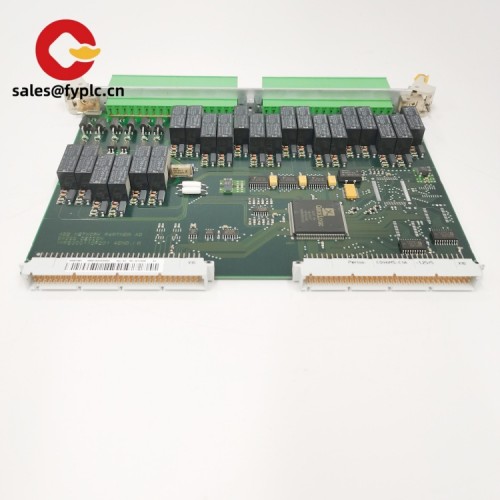
- → Field-replaceable control boards – Swapped one out during a midnight shift at a textile plant once. Took 20 minutes with basic tools, no factory recalibration needed.
- → Rugged terminal blocks – Handles vibration in foundry environments where newer DIN-rail drives might fail. Typically holds up better than expected in dusty conditions.
- → Simple troubleshooting – Those LED status codes? Maintenance techs actually understand them. One guy said it’s “like reading a voltmeter” compared to hunting through HMI menus.
Technical Specs You Can Actually Use
| Parameter | Specification |
|---|---|
| Brand/Model | RELIANCE Electric WR-D4007 |
| HS Code | 8504.40.0000 (Static converters) |
| Power Requirements | 230VAC ±10%, 3-phase, 50/60Hz input |
| Output Rating | 15HP @ 180VDC (continuous) |
| Operating Temp | -25°C to +55°C (derate above 40°C) |
| I/O Interfaces | 4x analog inputs (0-10V), 2x relay outputs |
| Installation | Panel-mount (19″ rack compatible), requires 100mm clearance above |
Where You’ll Actually Find It Working
These drives live where change is slow but reliability matters. Think printing presses running 24/7, conveyor systems in food processing (yes, even with washdown cycles—the sealed version holds up), or crane hoists in shipyards. One customer in Wisconsin uses them on vintage textile looms; they told me replacing one saved $83k versus scrapping the whole line. It’s not for new installations, but if you’re patching together operational continuity? This is your workhorse.
Why Procurement Teams Keep Ordering Spares
Let’s be real—you’re not buying this for cutting-edge features. You’re buying reduced downtime risk. Compatibility with existing motor fields means no rewiring costs. And the 365-day warranty? In my experience, that’s longer than most legacy drive suppliers offer. One plant avoided a $200k/hour outage because we shipped a unit overnight via DHL when their backup failed. Payment’s straightforward: 50% to lock stock, balance when it ships. If it’s in our warehouse, you’ll have it in a week; worst case, three weeks for deep-storage pulls.
Installation & Maintenance Reality Check
Mount it in a NEMA 1 cabinet with decent airflow—those heat sinks get hot. Keep it away from hydraulic units; oil mist clogs vents faster than you’d think. For maintenance: clean vents quarterly (a shop vac does the trick), check terminal torque annually, and verify tachometer signals if speed drifts. Firmware updates? Not really a thing here, but the manual’s surprisingly clear if you need to tweak current limits. Oh, and always discharge capacitors before servicing—saw a tech skip this once and fry his multimeter.
Certifications & Peace of Mind
It’s got the old-school stamps: UL 508A listed, CE marked per EN 61800-3, and RoHS compliant for what that’s worth on legacy gear. The warranty covers parts/labor for a full year—which matters because finding service techs who know these is getting harder. One thing I appreciate: the schematics in the manual actually match the board layouts. No guessing games when tracing faults.
Reviews
There are no reviews yet.