
Description
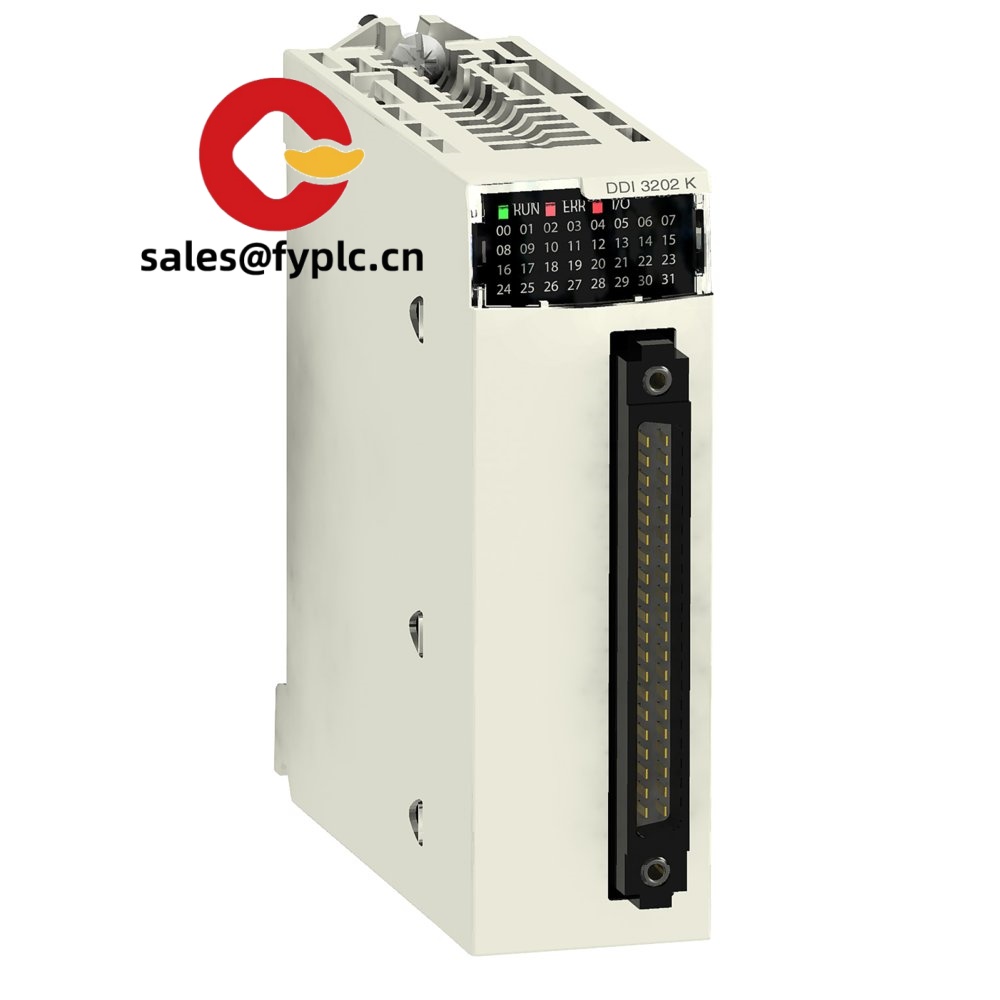
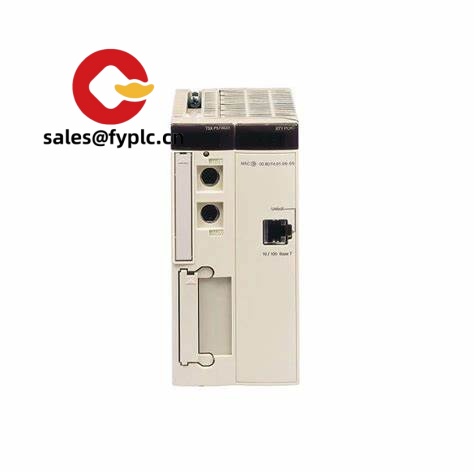
Schneider Electric TSXAEY1600 – Reliable Analog Input Module for Legacy Quantum Systems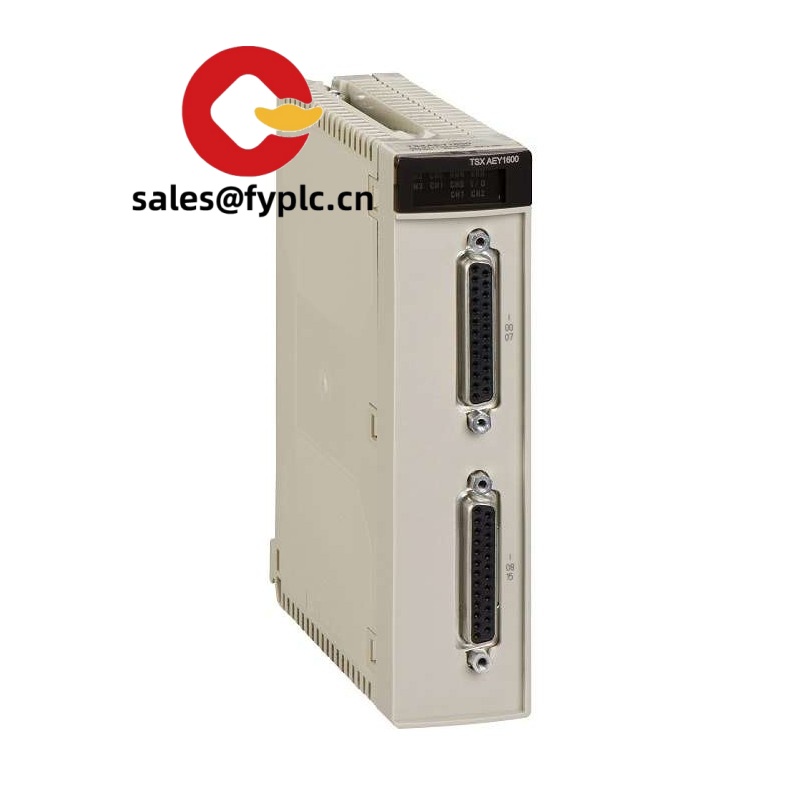
If you’re maintaining older Modicon Quantum installations, you’ve probably wrestled with sourcing compatible I/O modules. The TSXAEY1600 isn’t flashy new tech—it’s a workhorse analog input module that keeps aging systems humming. From my experience troubleshooting refinery control rooms, these modules often outlive expectations when properly maintained, though you’ll want to verify compatibility with your specific backplane revision.
Why This Still Matters in 2024
- → 16-channel flexibility – Handles both 0-20mA and 4-20mA signals without hardware changes. One plant I worked with reduced spare parts inventory by 30% after standardizing on these.
- → Rugged isolation – 2500Vrms protection between channels and field wiring. Typically prevents those frustrating ground-loop issues in noisy environments like pulp mills.
- → Hot-swap capable – Swap modules without shutting down critical processes. You might notice the mechanical latch feels stiffer than modern equivalents, but it rarely fails.
- → Legacy system lifeline – Still the go-to replacement for Quantum systems where migrating to M580 isn’t budgeted. In many cases, it’s cheaper to maintain than rip-and-replace.
Technical Reality Check
| Specification | Details |
|---|---|
| Brand/Model | Schneider Electric TSXAEY1600 |
| HS Code | 8538.90.9190 (Electrical apparatus parts) |
| Power Requirements | 5VDC @ 1.5A max (supplied via backplane) |
| Dimensions & Weight | 110 x 130 x 70mm / 420g |
| Operating Temperature | -25°C to +60°C (avoid condensation) |
| Signal Inputs | 16 x 0-20mA / 4-20mA (switch-selectable per channel) |
| Installation Method | DIN rail mount (IEC 60715 TS-35/7.5) |
Where You’ll Actually Use This
Think aging water treatment plants where sensor calibration drift causes headaches, or cement factories running 24/7 with Quantum racks in dusty control rooms. One customer in Alberta told me: “These survived three harsh winters in our pipeline compressor station when newer modules failed.” It’s not for greenfield sites—it’s for keeping existing critical processes running when migration isn’t feasible this fiscal year.
The Procurement Perspective
You’re probably weighing repair vs. replace costs right now. Here’s what matters: These modules typically avoid costly system-wide re-engineering. The 365-day warranty gives breathing room for testing in your actual environment. And yes—while response time isn’t as snappy as modern I/O, for temperature loops or slow-moving tank levels, it’s perfectly adequate. One thing I appreciate: Schneider’s documentation archive remains surprisingly accessible for legacy products.
Installation & Maintenance Reality
Mount it on standard DIN rail with at least 25mm clearance above/below—those Quantum racks get toasty. Avoid cramming multiple power-hungry modules together; I’ve seen thermal shutdowns in poorly ventilated cabinets. For maintenance: blow out dust quarterly (compressed air below 30 PSI), check terminal screws annually (vibration loosens them), and verify calibration every 18 months. Skip the firmware updates—this thing’s too old for that.
Ordering Made Predictable
- • Delivery: 1 week for in-stock units (most common configs), max 4 weeks if pulled from partner network
- • Payment: 50% upfront, balance before shipping
- • Shipping: DHL/FedEx/UPS with real-time tracking—no freight brokers
- • Warranty: Full 365-day coverage against defects (excludes improper installation)
One last note: Always test replacements in non-critical slots first. I’ve seen phantom voltage issues in older cabinets fool even experienced techs.

Reviews
There are no reviews yet.