
Description
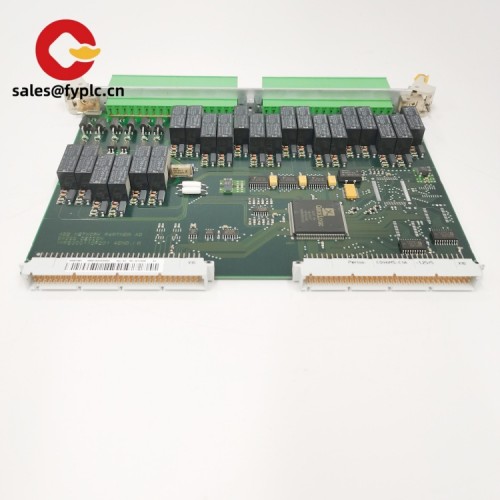
Siemens 6ES7331-7NF00-0AB0: Precision Temperature Monitoring for Demanding Industrial Environments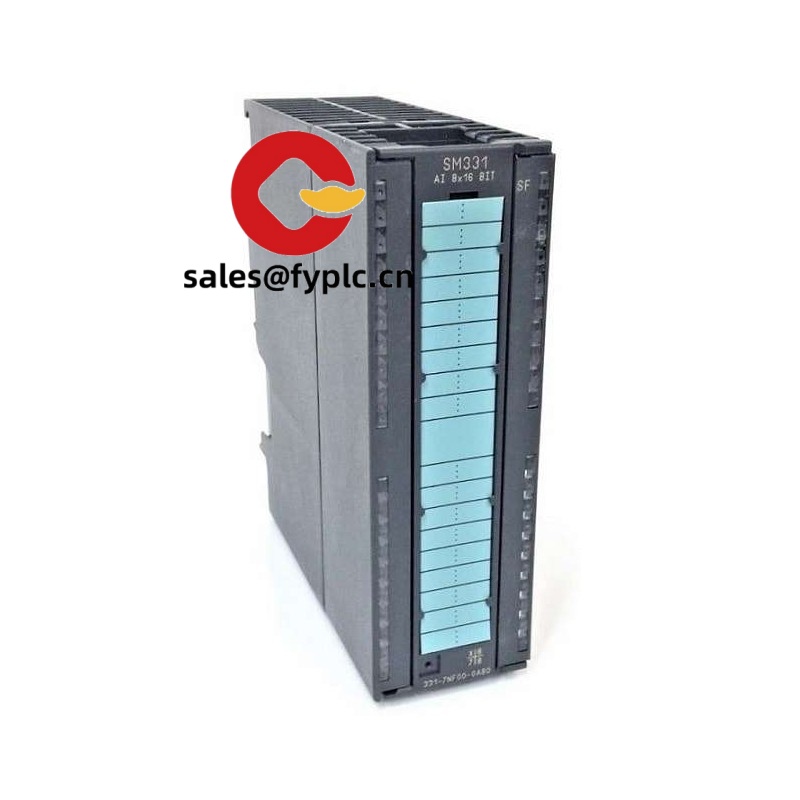
If you’re wrestling with inconsistent temperature readings in your production line, this S7-300 analog input module might be your quiet hero. I’ve seen it solve headaches in pharmaceutical sterilization cycles and food processing lines where a single degree matters. One thing I appreciate is how it handles both thermocouples and RTDs without needing separate modules – typically saving panel space and wiring headaches.
Key Features That Actually Matter
- 8 Universal Inputs – Handles J/K/N/R/S/T/E thermocouples plus Pt100/Pt1000 RTDs on any channel. From my experience, this flexibility avoids those last-minute “oops, we need different sensors” scrambles.
- Integrated Cold Junction Compensation – No external reference blocks needed. You might notice cleaner readings in environments with fluctuating ambient temps, like unconditioned factory floors.
- Channel-to-Channel Isolation – Prevents ground loops from messing with sensitive measurements. In many cases, this eliminates the need for costly signal conditioners.
- Front LED Diagnostics – Instant visual feedback for wiring faults or sensor breaks. Saved me hours during commissioning at a brewery last winter.
Technical Reality Check
| Parameter | Specification |
|---|---|
| Brand/Model | Siemens 6ES7331-7NF00-0AB0 |
| HS Code | 8537.10.9090 (Electrical control boards) |
| Power Requirements | 190mA @ 5V DC (from backplane bus) |
| Dimensions & Weight | 40 x 125 x 120mm / 240g |
| Operating Temperature | 0°C to 60°C (no derating needed) |
| Signal Types | Thermocouples (J/K/N/R/S/T/E), RTDs (Pt100, Pt1000) |
| Installation | Snap-on DIN rail (35mm standard) |
Where It Proves Its Worth
This isn’t for your garage workshop – it’s built for processes where temperature drift means scrapped batches. Think autoclave validation in pharma (where FDA audits catch inconsistent logs), chocolate tempering tanks needing ±0.5°C stability, or injection molding with tight cooling curves. A client in semiconductor manufacturing recently told me it cut their thermal calibration time by 40% compared to their old system.
Why Procurement Teams Keep Ordering It
While not the cheapest option upfront, its MTBF of 150,000 hours means fewer midnight emergency calls. Compatibility with existing S7-300 racks typically avoids costly system overhauls. And here’s what matters when the line stops: Siemens’ global service network usually gets firmware updates or replacements moving within 72 hours. You’ll get full replacement coverage for 365 days – which matters when your autoclaves are running 24/7.
Installation Reality Tips
Mount it in standard 35mm DIN rail cabinets – but keep it away from VFDs or high-power contactors. I’ve seen noise issues when installers cram everything together. Leave 25mm clearance on sides for ventilation; no forced air needed. For maintenance, clean connectors annually with contact spray (isopropyl alcohol works in a pinch), and check thermocouple connections quarterly – those tiny screws love to loosen with vibration. Firmware updates? Only when Siemens pushes critical fixes; otherwise leave it alone.
No-Surprise Quality
CE, UL, and IEC 61131-2 certified out the gate – no extra paperwork for most factories. RoHS compliant since 2006, so no lead solder headaches during audits. The 365-day warranty covers component failures (not user wiring mistakes, obviously). One plant manager told me: “It’s boringly reliable – which is exactly what we want.”
Getting It Running
We require 50% upfront payment – standard for industrial controls. In-stock units ship within a week via your choice of FedEx, UPS, or DHL. For custom-configured batches, expect no more than 30 days. Payment clears? You’ll get tracking before lunchtime. One caveat: always confirm your PLC firmware version before ordering – older S7-300s might need a minor update.

Reviews
There are no reviews yet.