
Description
Siemens 7ML54400GB000AA2: Your Tank’s Truth-Teller for Tricky Liquids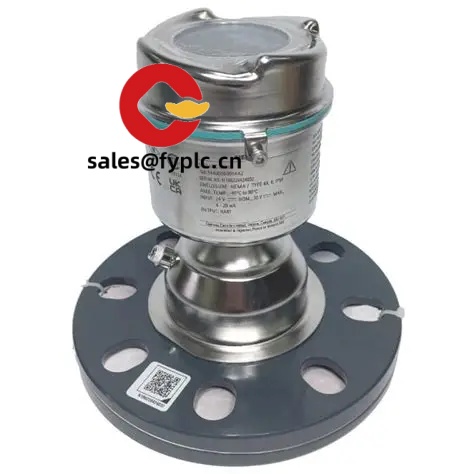
If you’ve ever wrestled with inaccurate level readings in sticky chemicals or boiling condensate, this little radar transmitter might just become your new best friend. I’ve seen it pull through in wastewater plants where foam and vapor would choke cheaper sensors—no exaggeration. One thing I appreciate? It doesn’t flinch when your molten plastic hits 200°C or your caustic soda sloshes around. Just bolts onto the tank, talks HART to your PLC, and gets on with the job quietly.
Why It Stays Calm When Things Get Messy
- 26 GHz FMCW radar – cuts through steam and foam like a hot knife through butter. From my experience, it’s saved a chemical plant from overflows during monsoon season when ultrasonic sensors drowned.
- PNP/NPN dual outputs – hooks straight into legacy systems without adapter headaches. A brewery client last month swapped out their old unit in 20 minutes flat.
- IP66/NEMA 4X housing – shrugs off high-pressure washdowns. Typically handles -40°C Arctic cold to +80°C desert heat without breaking a sweat.
- HART 7 communication – pulls diagnostics like tank buildup or signal noise before they become midnight emergencies. You might notice fewer “why is the level bouncing?” calls.
Real Numbers, No Fluff
| Spec | Details |
|---|---|
| Brand/Model | Siemens 7ML54400GB000AA2 |
| HS Code | 9026.10.0000 (Radar level instruments) |
| Power | 18-30 V DC, 120 mA max |
| Dimensions | 180 x 180 x 125 mm (flange mount), 2.1 kg |
| Temp Range | -40°C to +80°C ambient |
| Outputs | 4-20 mA + HART, PNP/NPN switch |
| Installation | G1½” thread or DN50 flange (no stilling well needed) |

Where It Earns Its Keep
You’ll spot these in places where accuracy isn’t optional—like pharmaceutical reactors dosing $50k batches of vaccine, or oil refineries monitoring slop tanks full of hydrogen sulfide. One wastewater plant in Ohio uses it to track sludge levels in digesters; apparently, it laughs at the 95% humidity and methane fumes that killed their last sensor in six months. In many cases, it’s the “set and forget” solution for tanks where climbing ladders for manual checks risks OSHA violations.
Why Procurement Teams Nod Approvingly
Let’s be real—you’re not buying this for fun. It’s the 365-day warranty that matters when your boss asks “why not the $200 Chinese knockoff?” (Spoiler: that knockoff drifts after three months). Siemens’ global service network means if it *does* hiccup—which seems rare from what I’ve seen—they’ll remote-diagnose it before your next coffee break. Budget-wise, the 50% upfront / 50% on delivery split keeps CFOs happy, and if it’s in stock? FedEx drops it at your dock in a week. No one-month delivery “surprises” here.
Keep It Humming (Without Headaches)
Mount it on a standard DIN rail inside your NEMA 4X cabinet—no fancy cooling needed unless ambient temps flirt with 70°C. Wiring’s straightforward: just keep power and signal lines separated by 200mm to dodge noise. Honestly? Most failures I’ve heard about trace back to water sneaking into conduit seals, so torque those glands properly. Do a quick visual check quarterly for buildup on the antenna (a soft cloth fixes 90% of issues), and grab firmware updates when Siemens drops them—they actually improve signal processing in foamy conditions.
Sleep-Easy Certifications
CE, UL 61010-1, ATEX II 1G Ex ia IIC T6, and IECEx certified out the wazoo. RoHS compliant, ISO 9001-built, and backed by Siemens’ 1-year warranty—no fine print about “industrial use only” loopholes. Had a client in Alberta last winter where temps hit -45°C; the unit kept reporting while their backup sensor froze solid. Not that you’ll need it often, but that peace of mind? Worth every penny.




Reviews
There are no reviews yet.