
Description
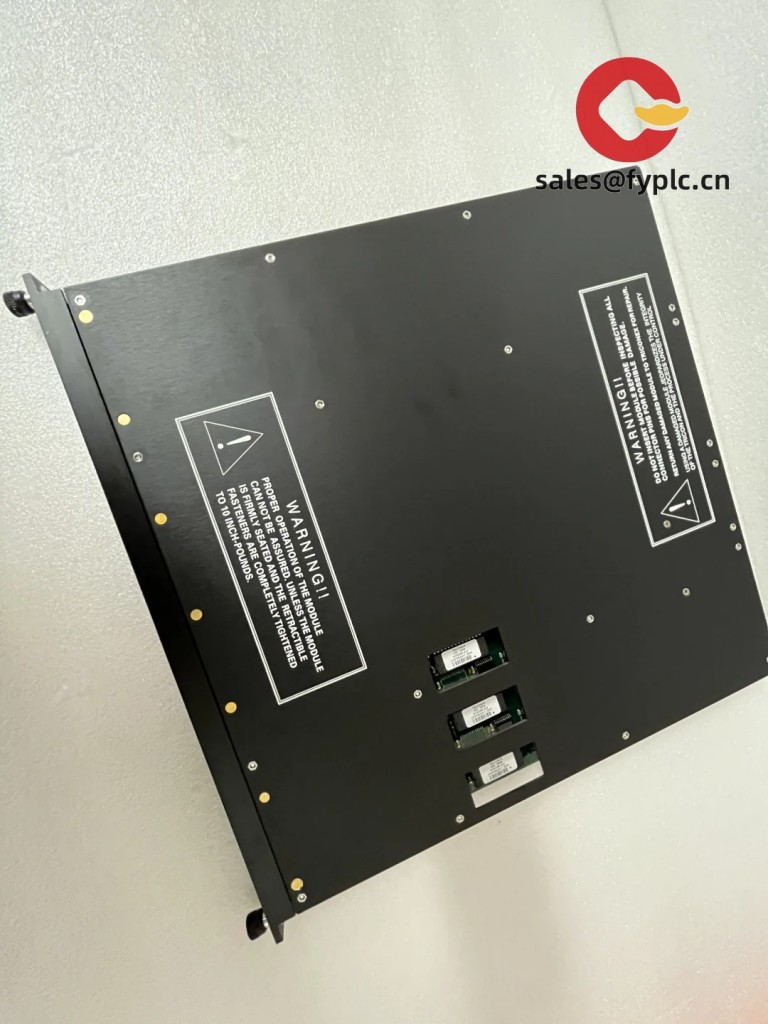
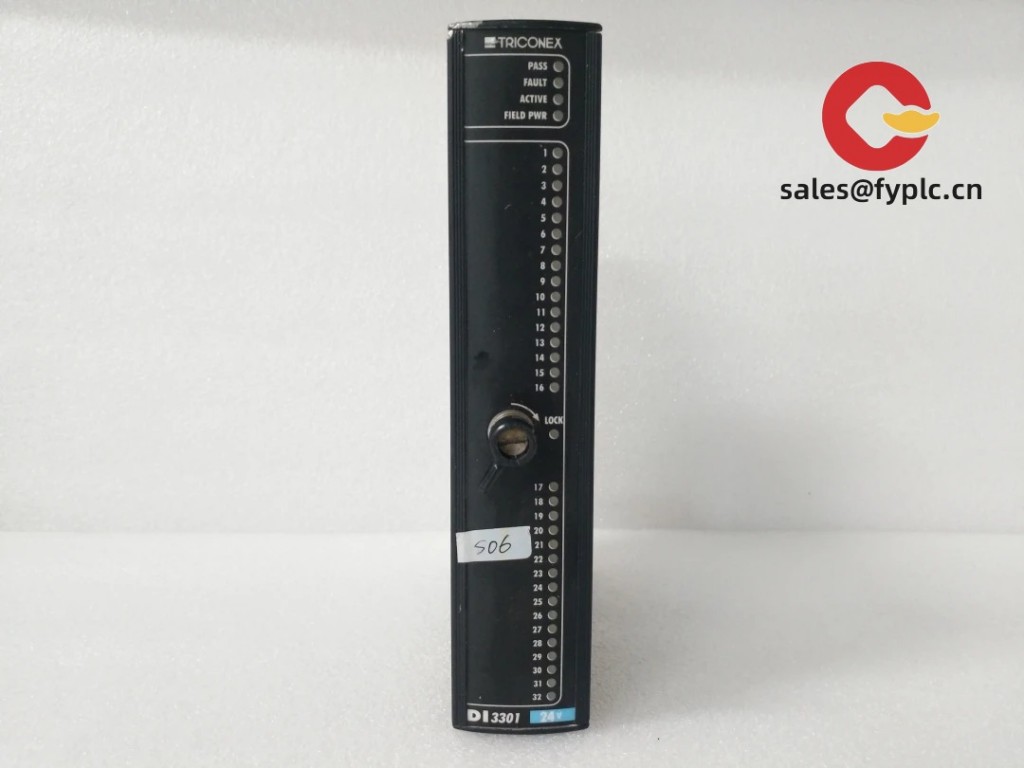
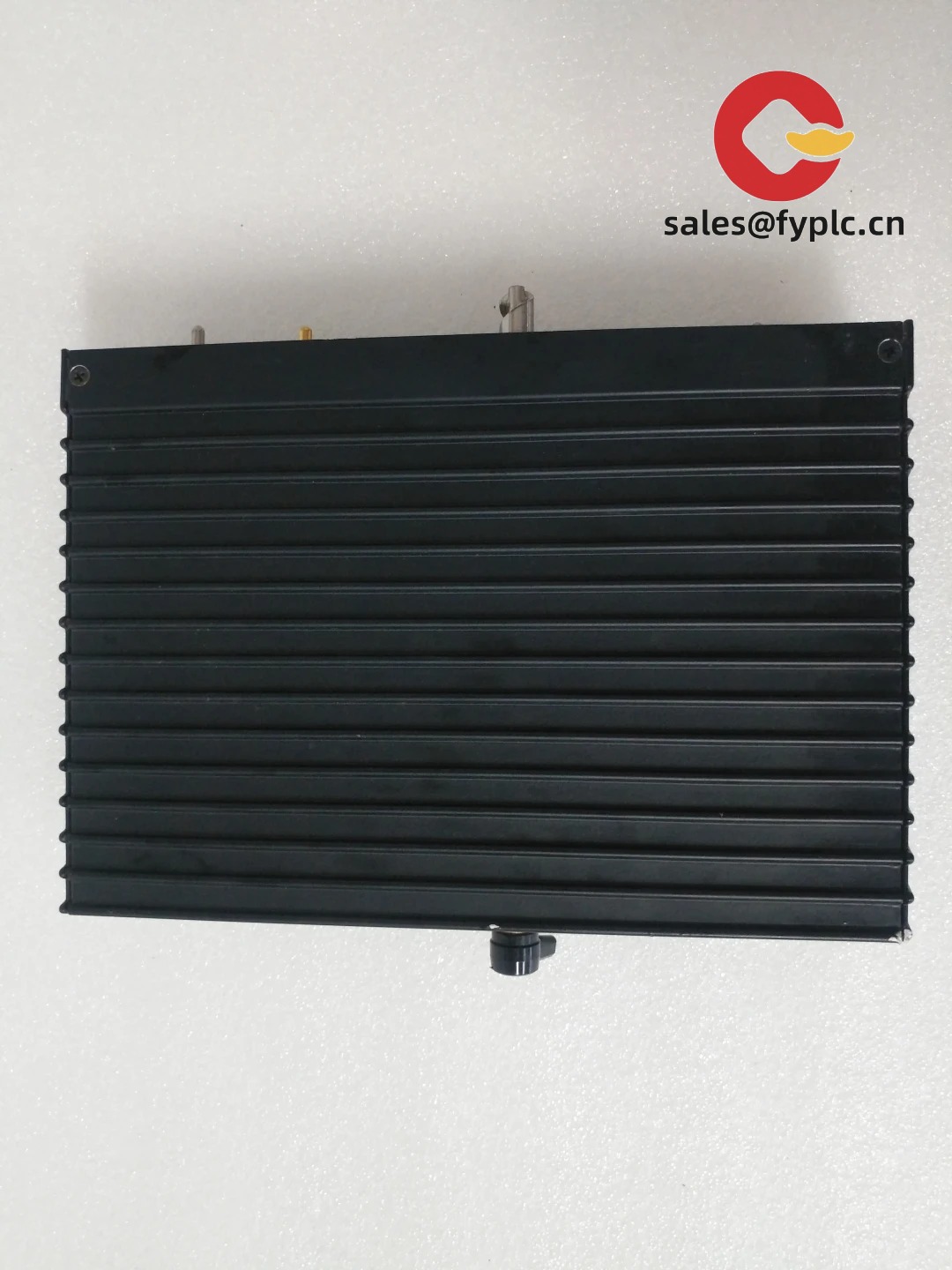
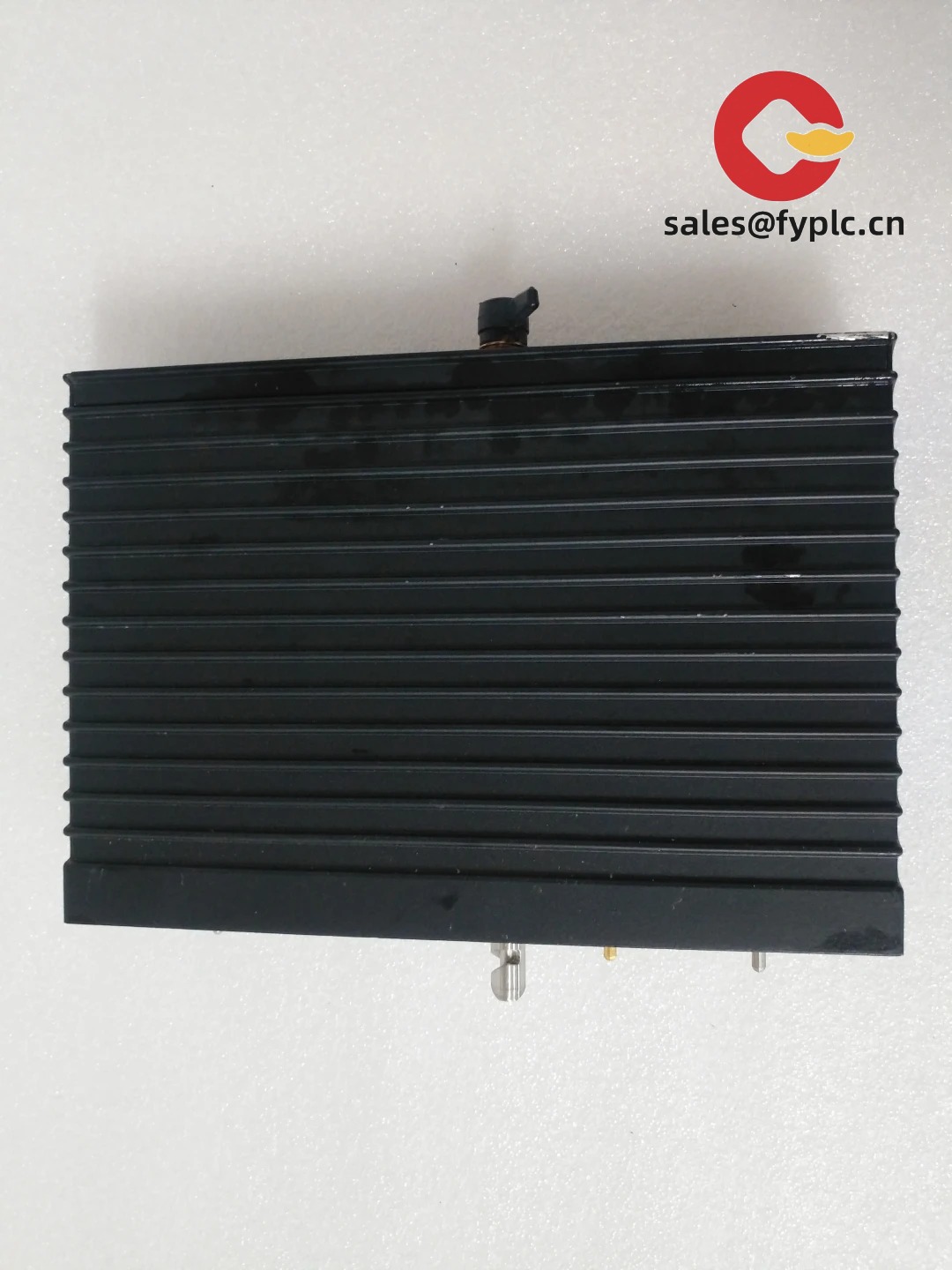
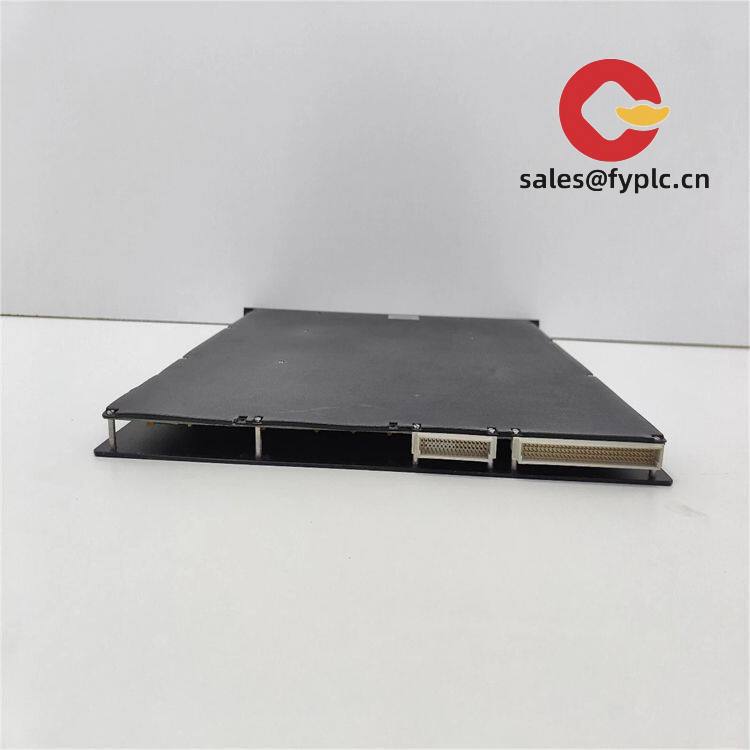
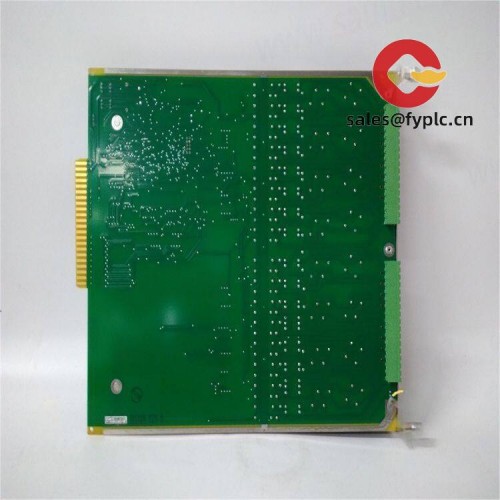
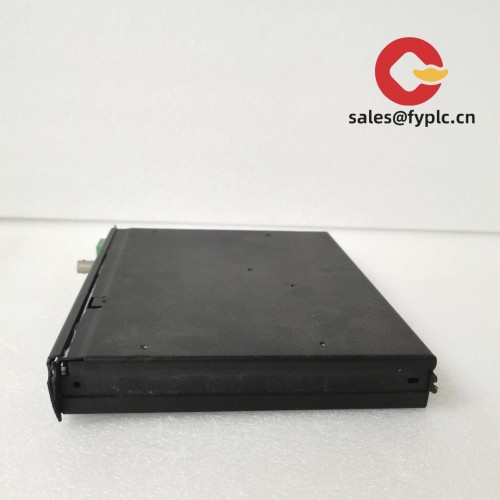
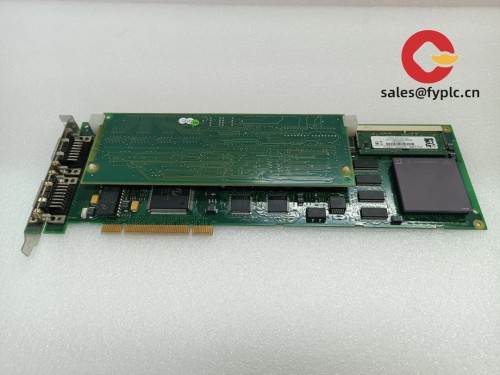
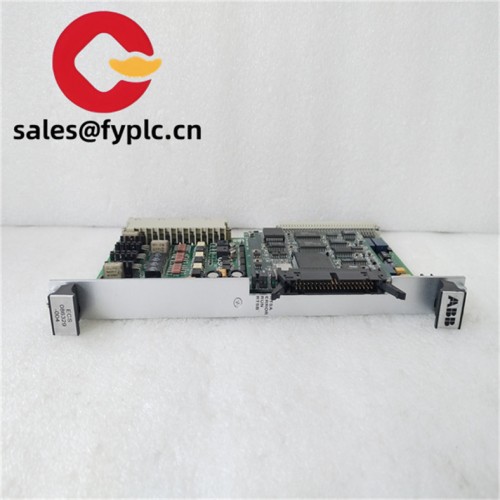
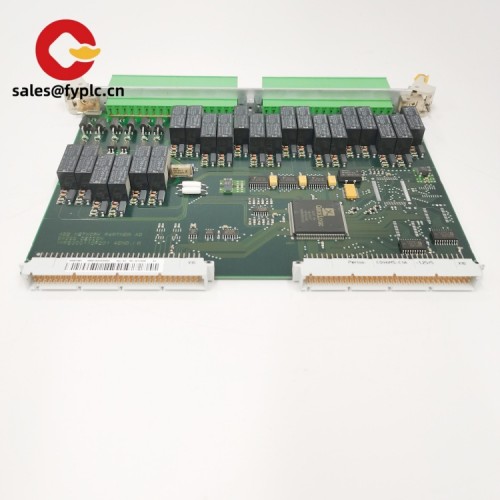
Triconex 3381 — High-Integrity Triple Modular Redundant (TMR) Input Module for Safety-Critical Process Control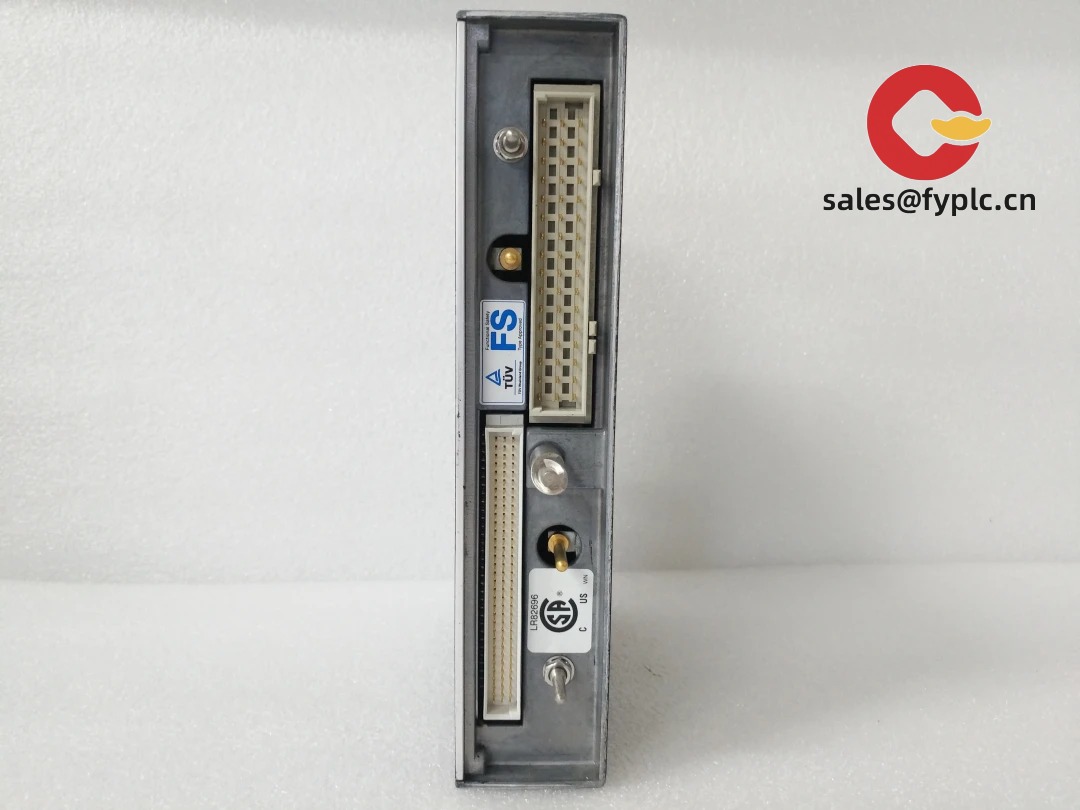
One thing I appreciate is how the Triconex 3381 quietly handles some of the most demanding input tasks in safety instrumented systems—without drawing attention to itself until it absolutely has to. It’s not flashy, but in a refinery control room or offshore platform PLC cabinet, that’s exactly what you want: rock-solid analog input acquisition with TMR-level fault tolerance. From my experience supporting mid-life cycle upgrades across petrochemical and power generation sites, this module often replaces aging 3351s or integrates alongside newer Triconex 4100 controllers when legacy field wiring must stay intact.
Key Features
- TMR architecture: Three independent A/D converters per channel—voting logic ensures continued operation even if one or two channels fail. It’s not just redundancy; it’s continuous self-validation.
- 16-channel 4–20 mA input: Supports HART® transparently (pass-through only; no configuration), so you can keep using your existing smart transmitters without swapping marshalling or adding interface hardware.
- Field-wiring flexibility: Accepts both 2-wire and 4-wire current loops on the same module—handy when retrofitting mixed-vintage instrumentation in a single cabinet.
- Integrated diagnostics: Detects open wire, short circuit, over-range, under-range, and sensor burnout in real time—and reports them directly to the TriStation engineering environment, not just as generic faults.
- Compatible with legacy Tricon platforms: Works natively with Tricon v9.x through v11.x firmware and supports backward-compatible configuration in TriStation 2.6 and later. (Note: Not certified for use with Triconex 4100 series unless running Tricon-compatible mode—always verify firmware revision.)
Technical Specifications
| Parameter | Specification |
|---|---|
| Brand / Model | Triconex 3381 |
| HS Code | 8537.10.90 (Industrial programmable controllers & parts) |
| Power Requirements | Supplied via backplane (Tricon chassis); nominal 5 VDC ±5%, max 2.5 A @ 5 V (module only) |
| Dimensions & Weight | 215 mm × 120 mm × 105 mm (W × H × D); ~1.4 kg |
| Operating Temperature | 0 °C to 60 °C (derated above 45 °C; requires forced ventilation in cabinets ≥50 °C) |
| Signal Input Type | 16 isolated 4–20 mA inputs (2-wire or 4-wire); 250 Ω loop burden standard |
| Resolution / Accuracy | 16-bit; ±0.05% of full scale (typical at 25 °C) |
| Communication Interface | Integrated into Tricon TMR bus; no external comms—configuration and data flow exclusively via TriStation or TriStation-compatible HMI/SCADA |
| Installation Method | Hot-swappable in Tricon chassis (Model 3008, 3012, or 3016); requires compatible power supply and supervisor module |
Application Fields
The 3381 shows up where downtime isn’t just costly—it’s hazardous. Think emergency shutdown systems (ESD) in LNG terminals, burner management systems (BMS) for large industrial boilers, turbine overspeed protection in combined-cycle plants, or fire & gas system inputs in offshore platforms. One customer in Texas told us they kept a set of 3381s online for 14 years straight in a sulfur recovery unit—no field failures, only two routine calibrations over that span. That kind of longevity isn’t accidental: it’s baked into the analog front-end design and TMR voting behavior.
Advantages & Value
If you’re evaluating this for procurement, here’s what tends to move the needle: First, compatibility. You’re likely not replacing your entire Tricon system—just extending or refreshing I/O. The 3381 drops in without re-engineering logic or changing termination drawings. Second, lifecycle cost. While newer digital alternatives exist, the 3381 avoids gateway licensing, protocol translation overhead, and additional cybersecurity hardening layers—since it lives entirely inside the certified TMR domain. And third, support continuity: Triconex still provides firmware patches and diagnostic tools for this model, and many integrators maintain spare units specifically for brownfield maintenance contracts.
Installation & Maintenance
Mount only in UL-listed, NEMA 12 or IP54-rated cabinets with minimum 200 CFM forced-air ventilation—especially if ambient exceeds 40 °C. Avoid proximity to high-noise sources like VFDs or contactors; use shielded twisted-pair (STP) cable with 100% foil + braid, grounded at the module end only. For wiring, torque terminal screws to 0.5–0.6 N·m—overtightening cracks the PCB mount. Calibration is recommended every 24 months (or after major environmental shock), using TriStation’s built-in calibration wizard and a certified 4-wire source. Firmware updates require TriStation v2.6+ and should be done during scheduled outages—never mid-process. No field-replaceable parts; if diagnostics flag persistent channel drift, replacement is the standard fix.
Quality & Certifications
UL 61010-1 (Industrial Control Equipment), IEC 61508 SIL 3 certified (per exida assessment, certificate #EXID-TRI-08-001), CE marked (EMC Directive 2014/30/EU, LVD Directive 2014/35/EU), RoHS 3 compliant. Backed by a standard 365-day warranty—covers manufacturing defects and functional failure under specified operating conditions. Note: Certification validity assumes use within documented environmental and installation guidelines; derating or non-approved mounting voids SIL claims.
Our Order Placement Process and Guarantees:
• Warranty period: 365 days from delivery date
• Delivery time: 1 week for in-stock units; ≤30 days maximum for special requests
• Payment: 50% advance, balance before shipment
• Express shipping: FedEx, UPS, or DHL (tracking provided automatically)

Reviews
There are no reviews yet.