
Description
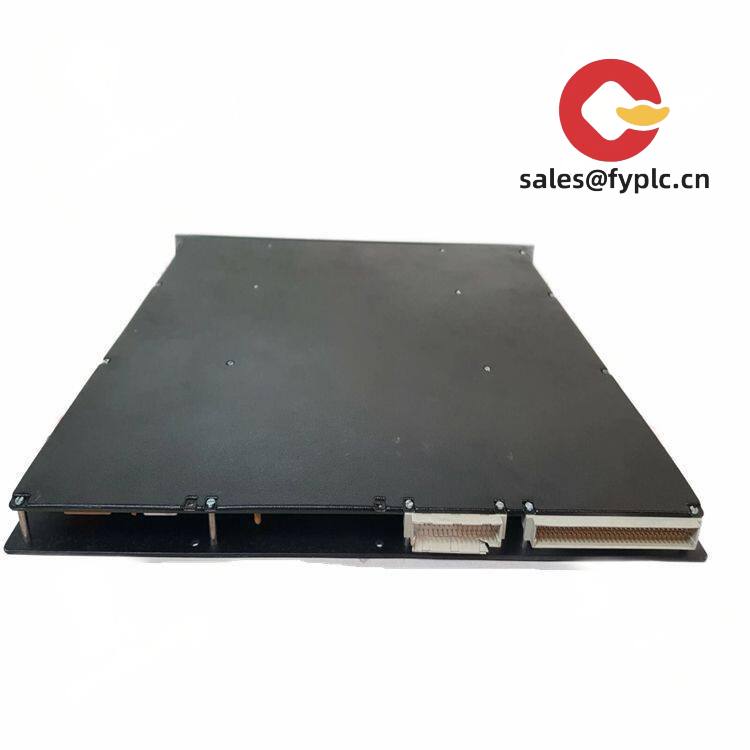
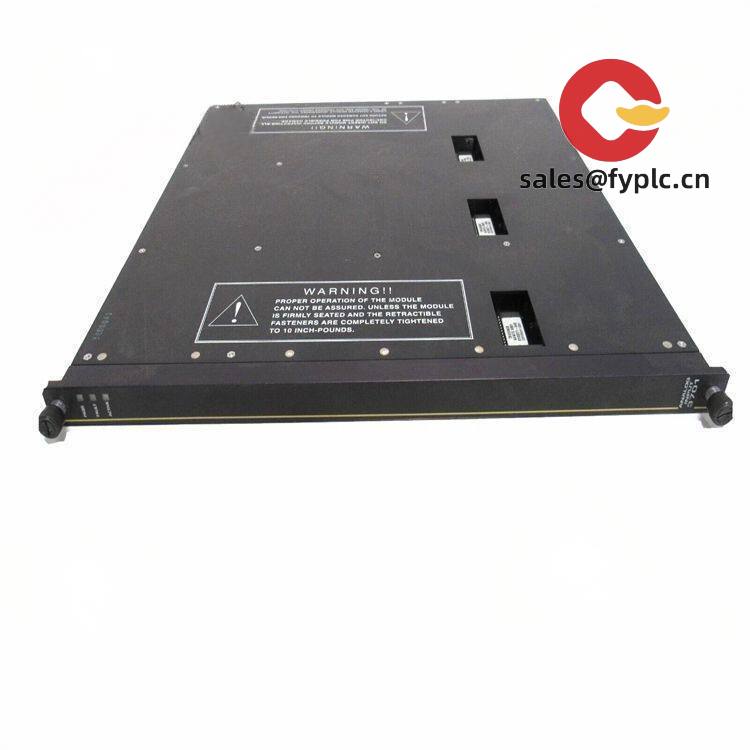
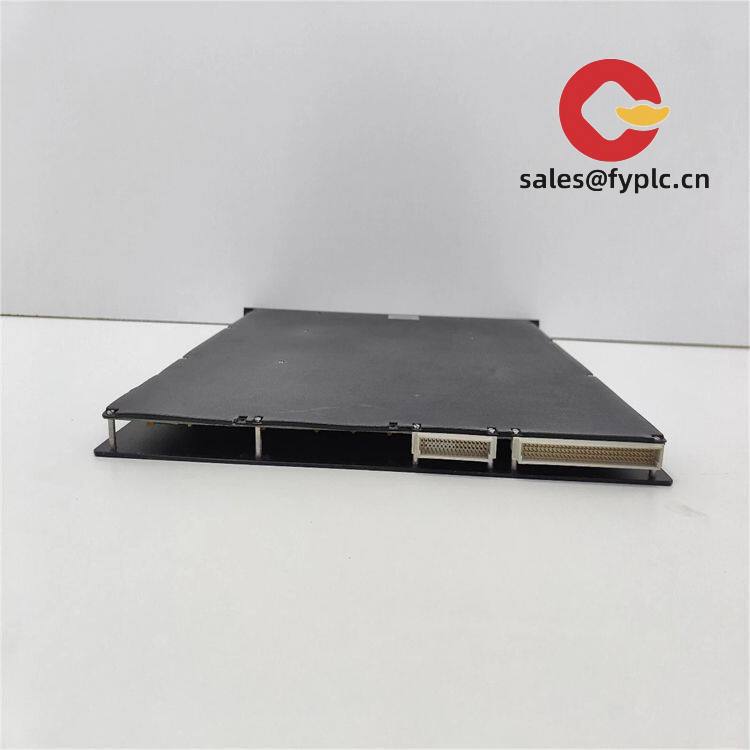
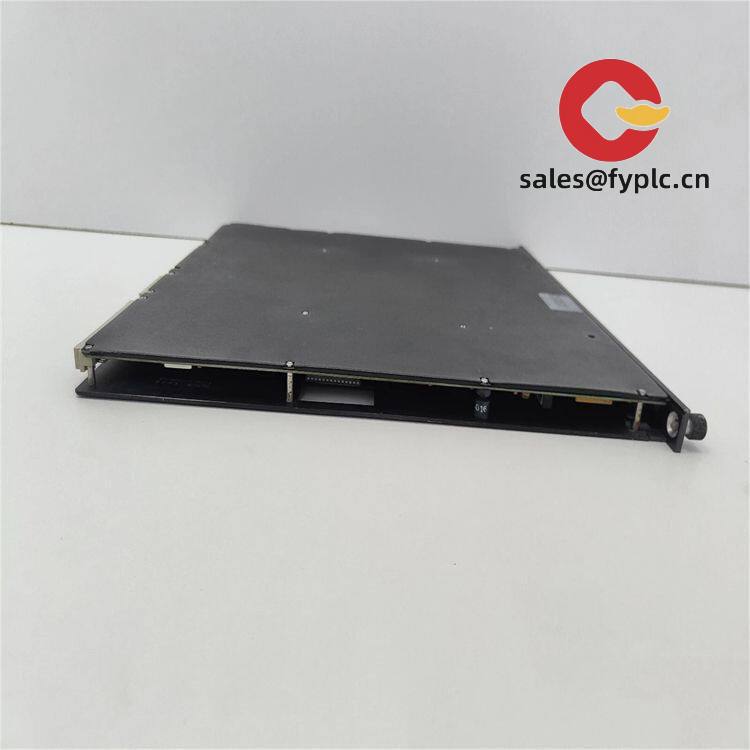
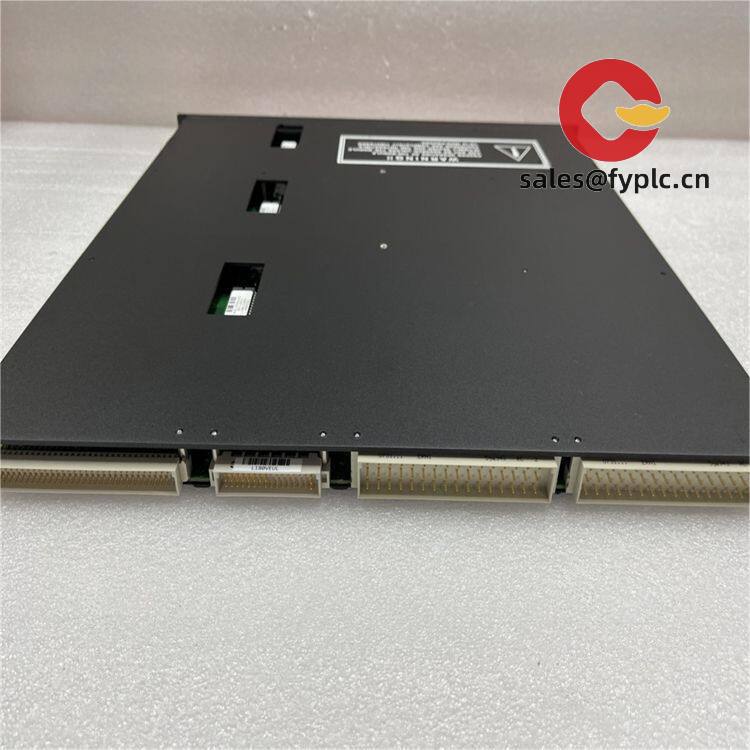
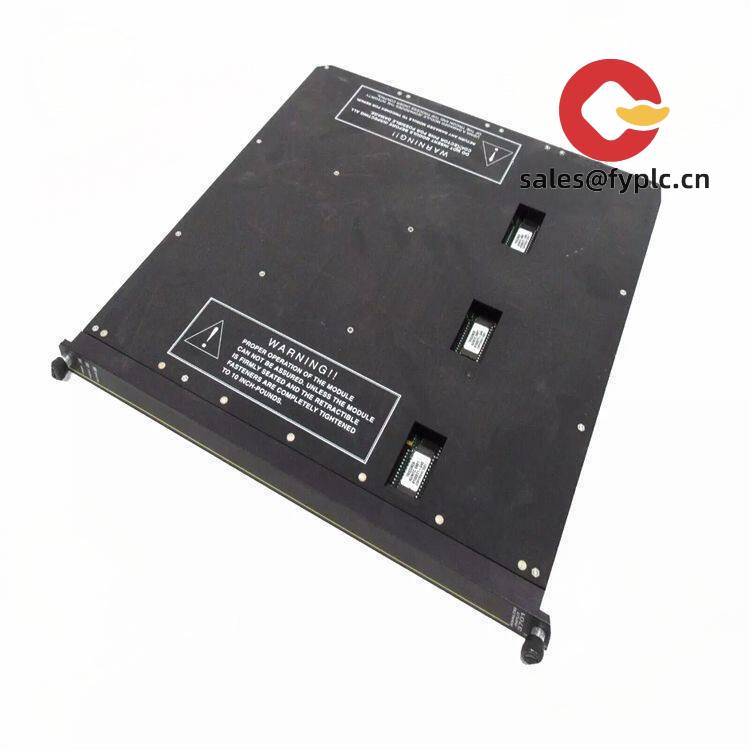
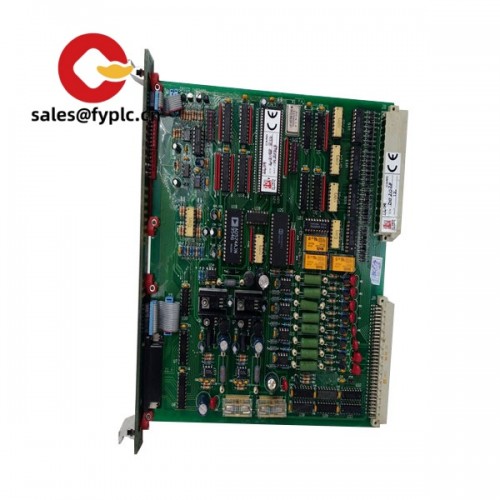
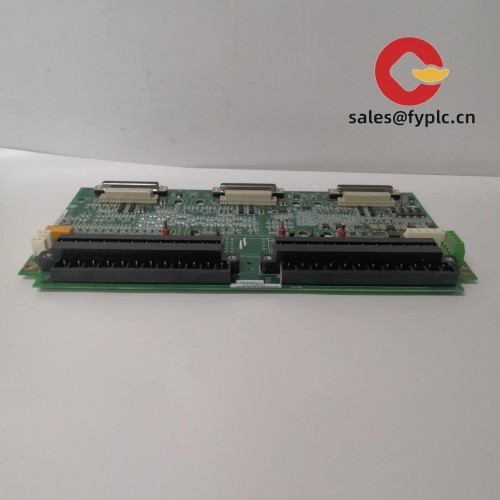
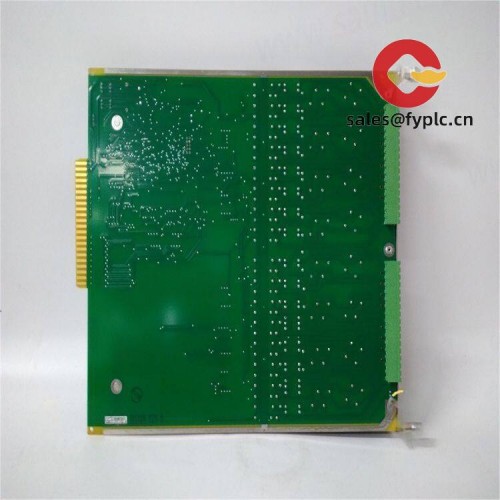
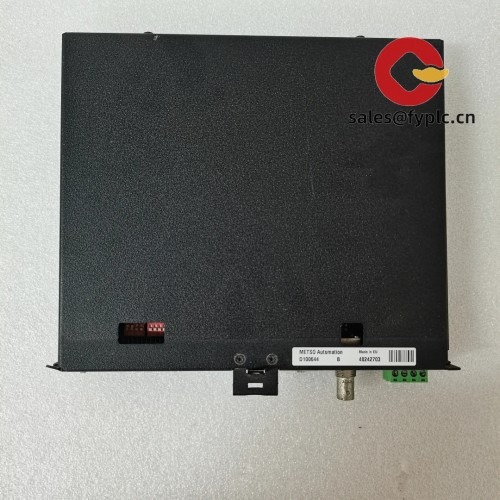
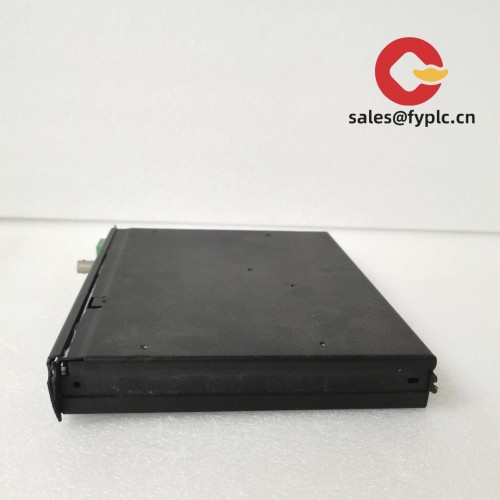
TRICONEX 3515 – TMR Safety System Module for High‑Integrity Control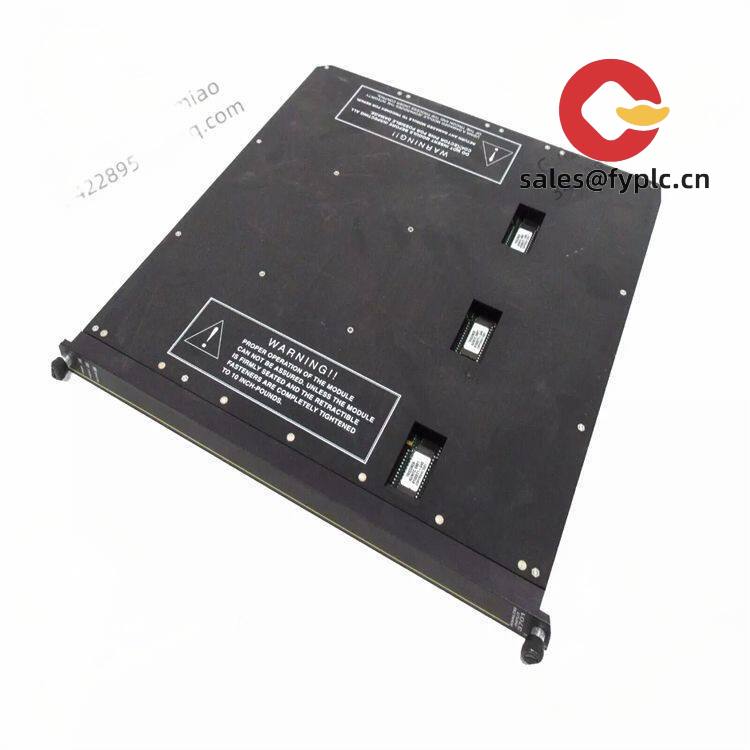
The TRICONEX 3515 is part of the classic Tricon TMR (Triple Modular Redundant) safety platform, used in applications where process safety and high availability really matter—think ESD, BMS, turbine protection, and critical interlocks. From my experience, the 3515 is typically deployed as a core system module inside a Tricon main chassis, powered directly by the backplane and designed for hot‑swap maintenance to minimize downtime. You might notice that it follows the familiar Tricon design philosophy: fault tolerance, online diagnostics, and seamless interoperability with the 36xx/37xx I/O families and TriStation configuration tools.
Company’s Order Placement Process and Guarantees
- Warranty: 365 days coverage for quality issues.
- Lead time: 1 week if in stock; no more than one month at the latest.
- Payment terms: 50% advance; full payment before delivery.
- Express options: FedEx, UPS, DHL—choose what fits your site’s procedures.
Key Features
- Triple Modular Redundancy (TMR): Three parallel channels with majority voting to sustain operation during single faults.
- Backplane‑powered: Draws power from the Tricon chassis; no external supply wiring to the module itself.
- Hot‑swappable: Designed for online replacement in most cases, helping you avoid production interruptions.
- Comprehensive diagnostics: Built‑in health monitoring and fault reporting visible via TriStation and controller LEDs.
- System integration: Works with Tricon main processors and 36xx/37xx I/O; field wiring typically terminates on TAs (terminal assemblies).
- Industrial temperature capability: Rated for typical control-room environments used in process industries.
- Lifecycle continuity: Stable supply and service track record for brownfield expansions and spares strategies.
Technical Specifications
| Brand / Model | TRICONEX 3515 |
| HS Code | 853710 (Programmable controllers / control panels) |
| Power Requirements | Supplied via Tricon backplane; no external power connection to the module |
| Dimensions & Weight | Standard Tricon 1‑slot plug‑in form factor; fits Tricon main chassis depth |
| Operating Temperature | Typically 0 to 60 °C (32 to 140 °F) in controlled cabinet environments |
| Signal I/O Types | System module; no direct field I/O on the front panel (field signals land on separate terminal assemblies when used with I/O modules) |
| Communication Interfaces | Tricon TMR backplane bus; external plant networks (e.g., Modbus/TCP) served via dedicated Tricon communication modules |
| Installation Method | Hot‑insertable plug‑in module; secured by front latches; used in standard Tricon main chassis |
Application Fields
- Emergency Shutdown (ESD) and High‑Integrity Pressure Protection (HIPPS) in oil & gas.
- Burner Management Systems (BMS) for boilers and furnaces in power and chemicals.
- Turbine trip and critical speed/overspeed protection in utilities and refining.
- Process interlocks and permissives in petrochemical, LNG, and pipeline operations.
- Integration with Fire & Gas when used alongside approved detection and I/O modules.
One thing I appreciate is how the 3515 slots into brownfield Tricon systems without forcing a re‑architecture. A Gulf refinery maintenance lead told us they swapped a unit during a short outage; the controller diagnosed, voted it in, and they were back online in minutes—no re‑termination, no drama.
Advantages & Value
- High availability: TMR architecture with fault isolation reduces spurious trips and keeps the unit running during single failures.
- Compatibility: Works with established Tricon main processors and I/O families, easing phased upgrades and spare strategies.
- Cost control: Hot‑swap maintenance and simple commissioning typically reduce outage duration and technician hours.
- Supportability: Mature diagnostics and proven field history—engineers know what to expect during FAT/SAT and turnarounds.
Installation & Maintenance
- Cabinet standards: Install in a clean, ventilated control cabinet; maintain clearance for front extraction and airflow.
- Wiring practice: Field wiring terminates on terminal assemblies (TAs) matched to the I/O modules; keep shield drains and grounding consistent with site standards.
- ESD safety: Use wrist straps and antistatic handling; check pin alignment before insertion.
- Hot‑swap steps: Place the controller in a maintenance window if your site requires; insert the module firmly until latches click; verify status LEDs and TriStation diagnostics.
- Routine care: Dust control in cabinets, periodic visual inspection of connectors, and firmware alignment with the running controller where applicable.
- Documentation: Keep the latest TriStation project backup and module revision records; it seems to prevent most commissioning hiccups.
Quality & Certifications
- Safety integrity: Tricon system is certified for SIL3 applications per IEC 61508 when engineered and validated as a complete system.
- Typical compliance: CE and UL/CSA markings are commonly available for Tricon modules; RoHS depends on specific revision.
- Manufacturer warranty: Backed by our 365‑day warranty on supply; additional OEM service options can be arranged upon request.
Compatible Components (for planning)
For project bills of material and spares pools, the 3515 is typically paired with:
- TRICONEX 3503E main processors (TMR CPU set) for logic execution.
- TRICONEX 36xx/37xx I/O modules (e.g., analog input and thermocouple input families such as 3625 and 3708E).
- Appropriate terminal assemblies (TA) for field terminations and channel isolation.
- Communication modules for plant networks (for example, Modbus or OPC gateways in the Tricon family).
Note: Specifications above reflect typical characteristics of the TRICONEX 3515 within a standard Tricon system. If you need us to verify firmware compatibility against your TriStation project or specific chassis revision, share the controller and I/O list and we’ll cross‑check before shipment.


Reviews
There are no reviews yet.