
Description
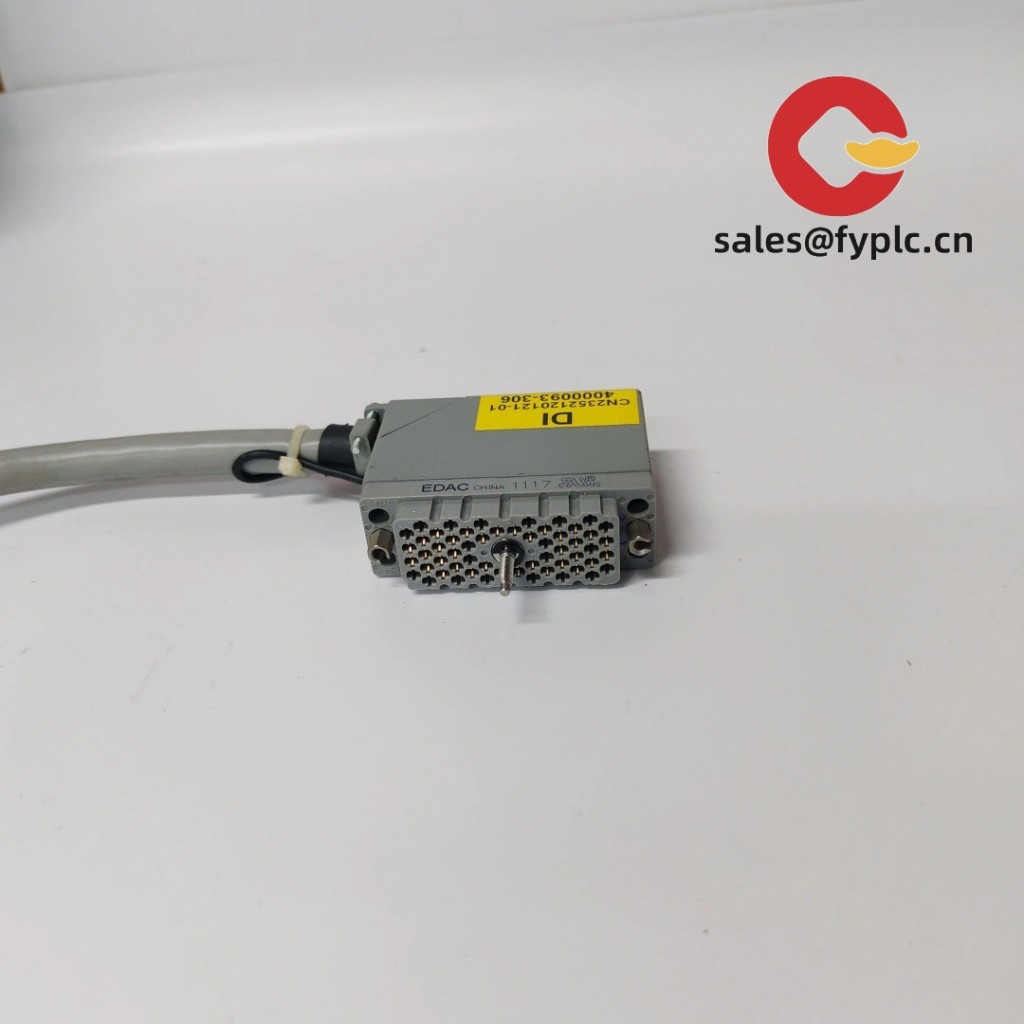
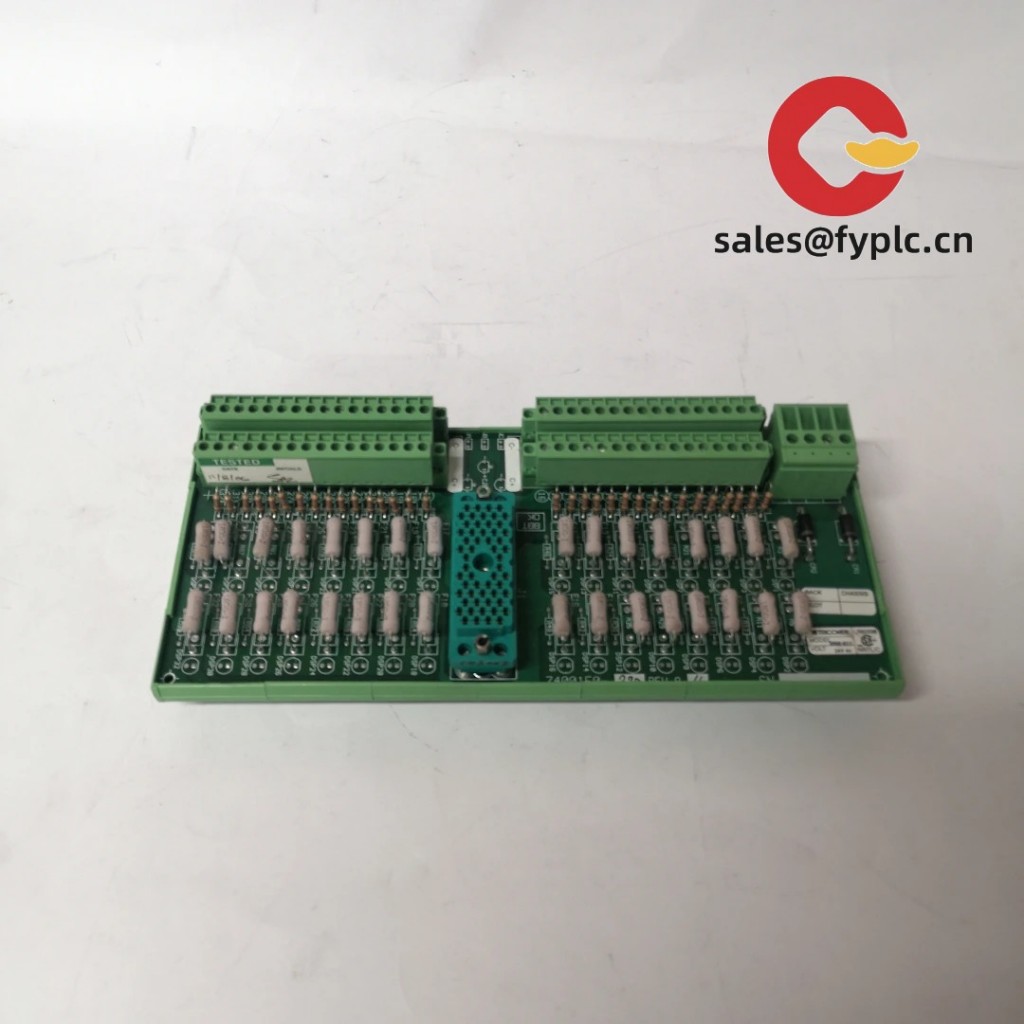
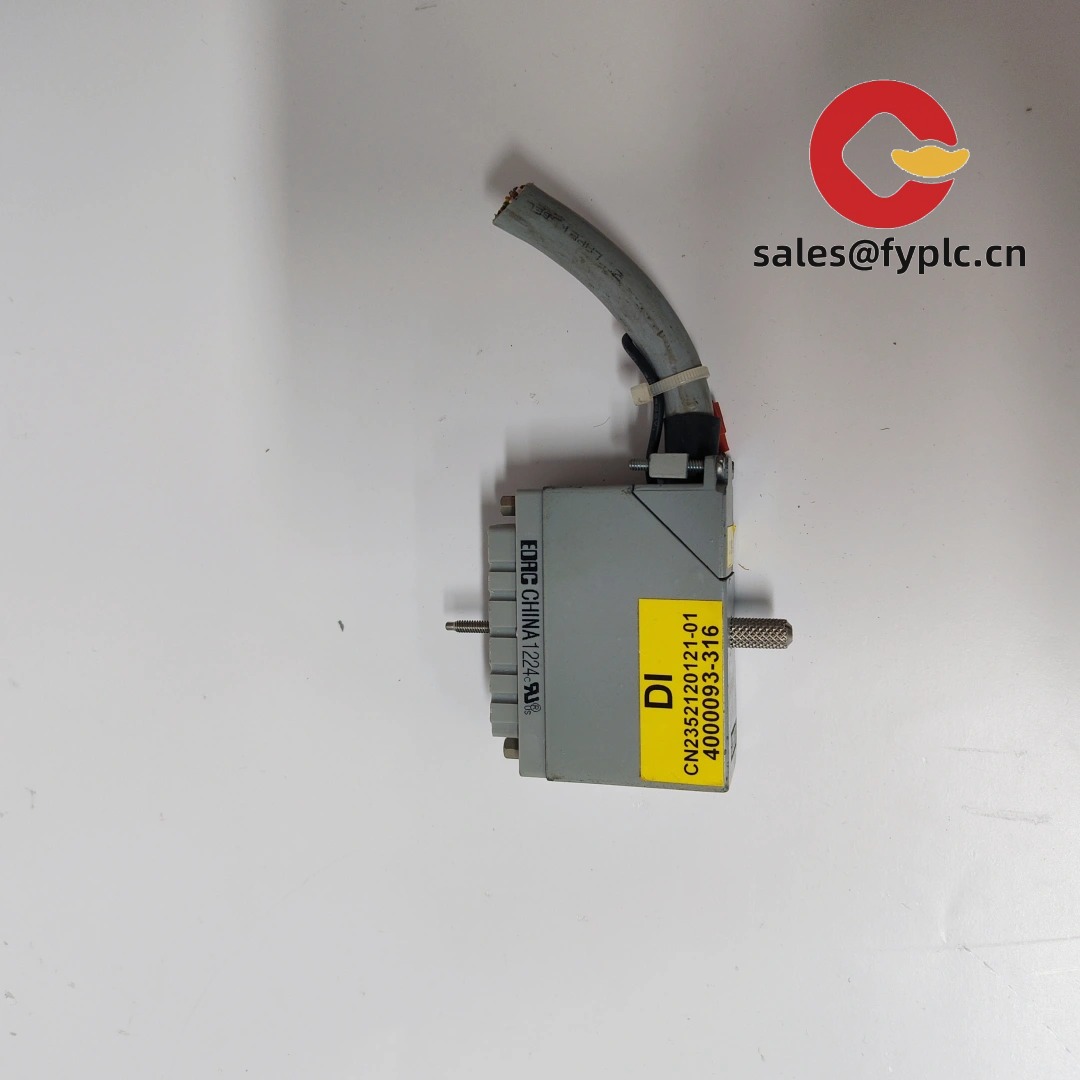
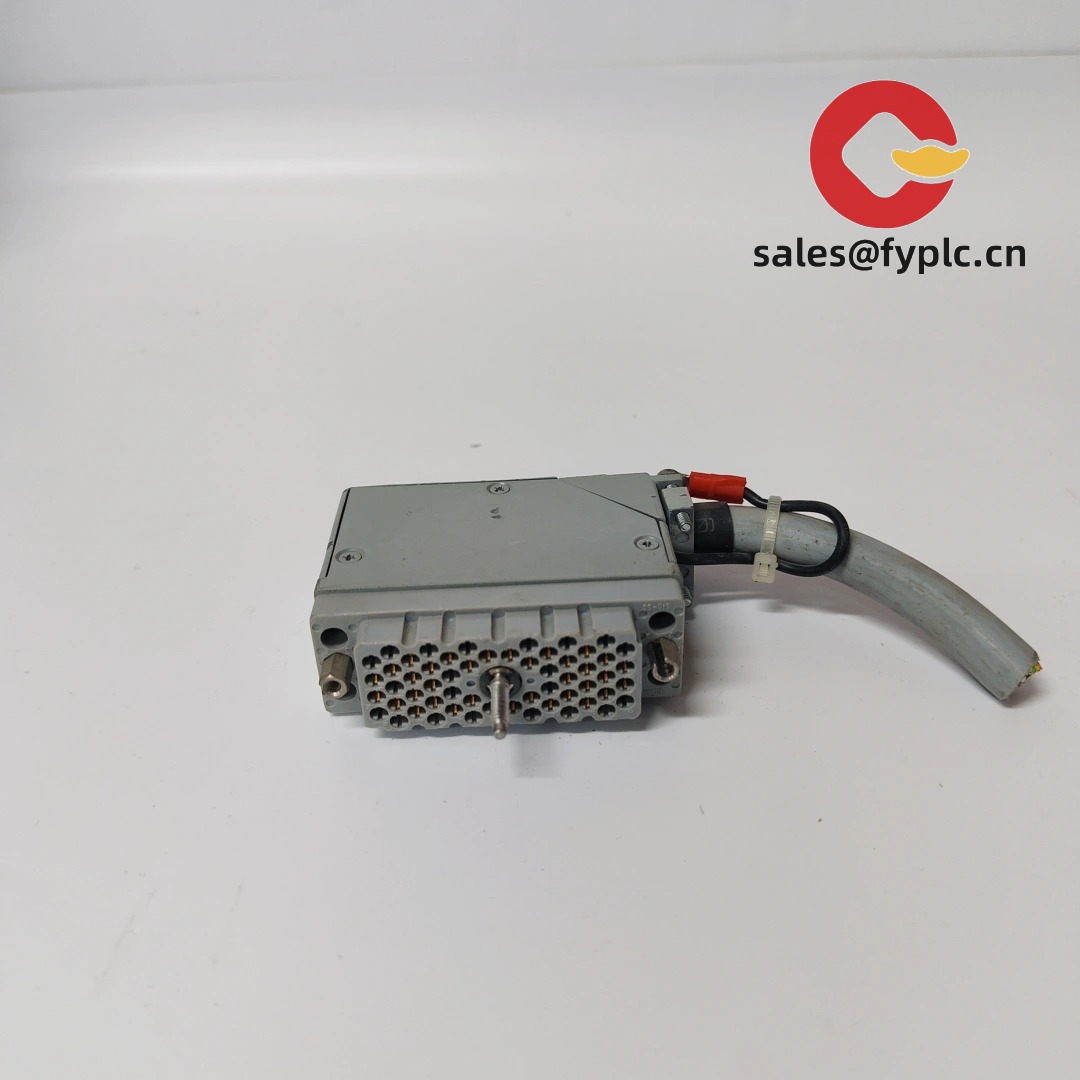
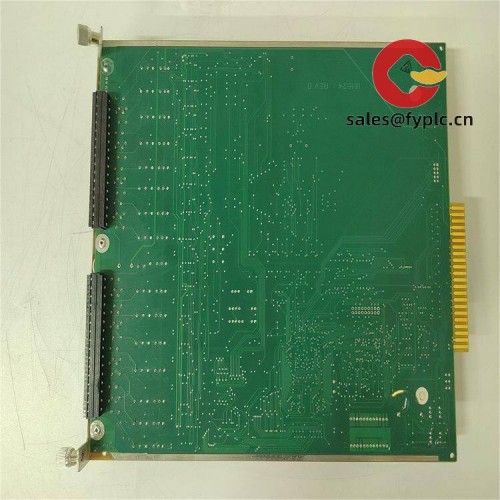
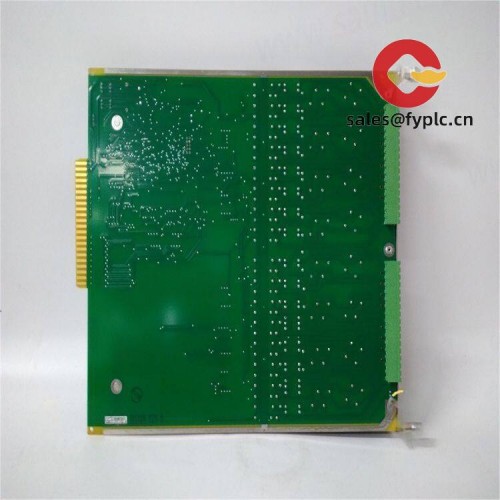
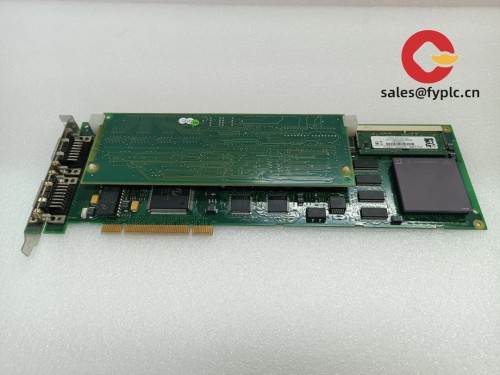
Triconex 4000093-316 — Triple-Modular Redundant (TMR) Main Processor Module for Safety-Critical Industrial Control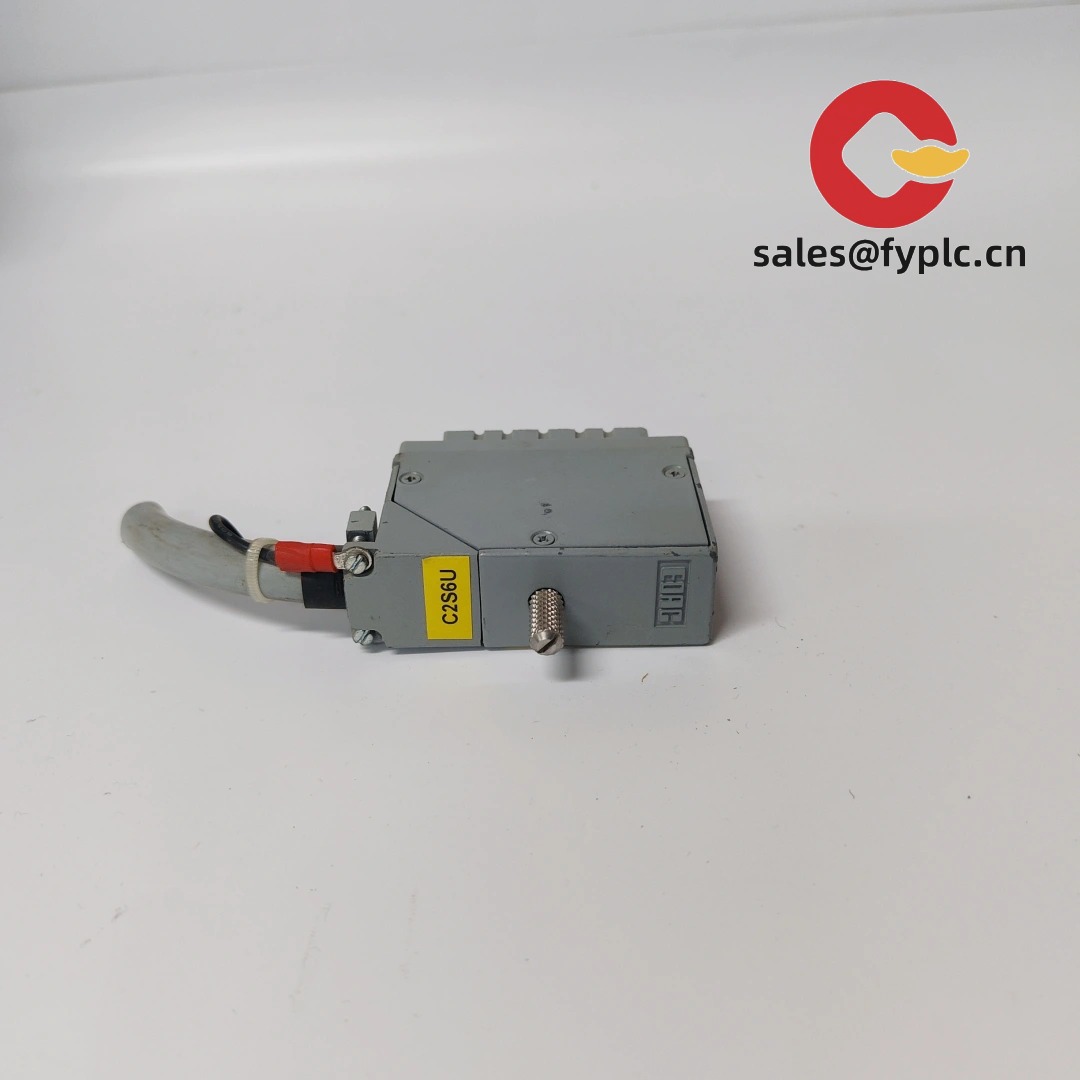
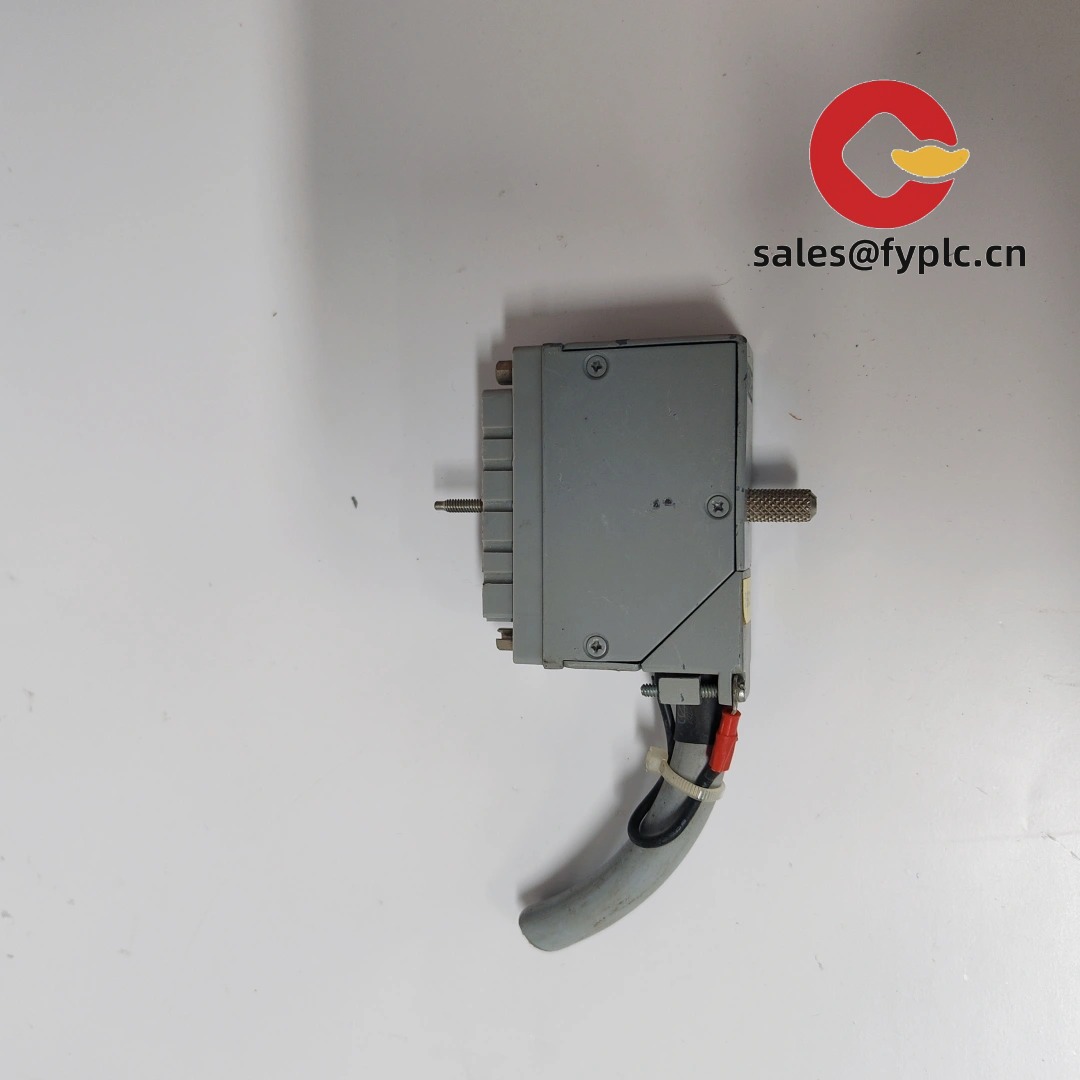
Let’s cut to the chase: this isn’t just another PLC processor. The Triconex 4000093-316 is the brain of a TMR safety system—designed to keep refineries, chemical plants, and power generation facilities running *even when one or two of its three independent processing channels fail*. From my experience supporting brownfield upgrades in the Gulf Coast and North Sea, this module shows up most often where legacy Tricon systems are being refreshed—not replaced—because operators trust its deterministic behavior under fault conditions.
Key Features
- TMR architecture with lockstep execution — All three CPU cores run identical code simultaneously, cross-checking results on every scan cycle. If a mismatch occurs, the faulty channel is voted out automatically—no operator intervention needed.
- Integrated diagnostics and self-test — Built-in memory ECC, watchdog timers, and bus integrity checks run continuously. One thing I appreciate is how transparent the diagnostic logs are in TriStation 1131—you can trace a fault back to a specific memory address or bus arbitration event.
- Hot-swappable without system halt — You might notice that unlike many safety CPUs, you can replace this module mid-operation (with proper bypass procedures), minimizing unplanned downtime during maintenance windows.
- Backward-compatible with Triconex 3000/4000 series I/O — It typically integrates cleanly into existing cabinets—no need to rewire termination assemblies or replace field junction boxes unless they’re beyond service life.
- Secure firmware update path — Supports signed firmware loads via TriStation; no USB ports or exposed Ethernet interfaces on the module itself—a design choice that seems to be intentional for ISA/IEC 62443 Level 2 environments.
Technical Specifications
| Parameter | Specification |
|---|---|
| Brand / Model | Triconex 4000093-316 |
| HS Code | 8537.10.90 (Control panels for industrial use, with microcontrollers) |
| Power Requirements | 24 VDC ±10%, 1.8 A typical (per channel); powered from backplane only |
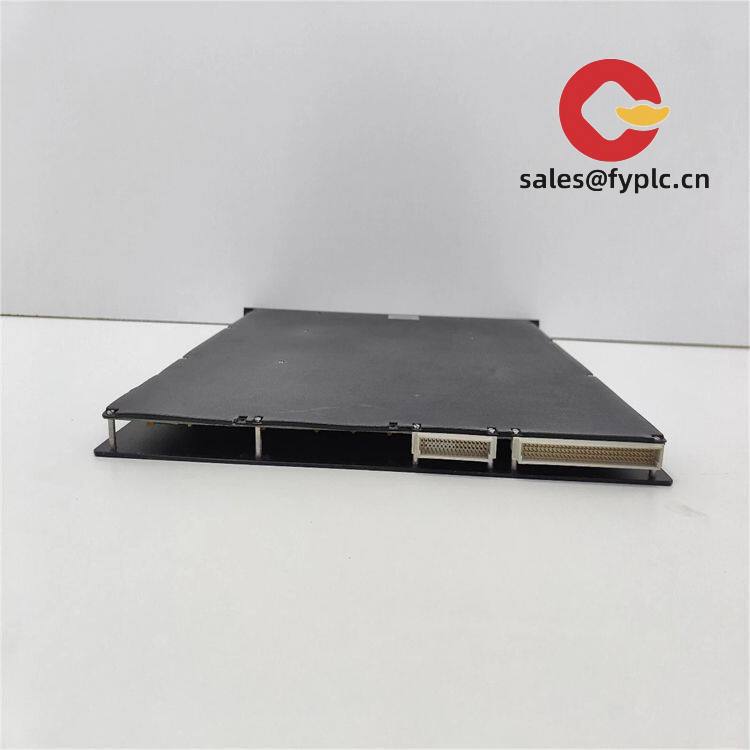
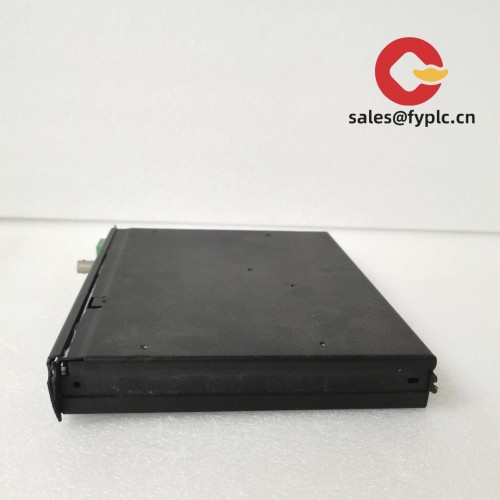
| Dimensions & Weight | 220 × 140 × 35 mm (W×H×D), ~0.9 kg |
| Operating Temperature | 0 °C to +60 °C (derated above 45 °C ambient) |
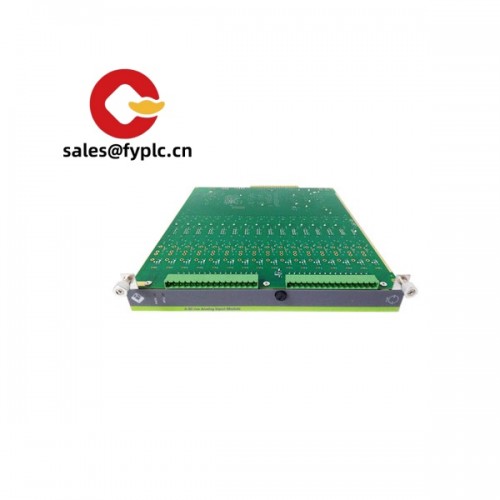
| Signal Input/Output Types | None (processor-only module); communicates exclusively via backplane to I/O modules |
| Communication Interfaces | TriBus (proprietary high-integrity backplane), dual Ethernet ports (100 Mbps, for TriStation download & diagnostics only) |
| Installation Method | DIN-rail mounted in Triconex 4000-series chassis (e.g., 4351, 4352); requires compatible power supply and I/O carrier modules |
Application Fields
This module lands most often in high-consequence process industries—think offshore platform emergency shutdown (ESD), refinery furnace management systems (F&G), or turbine trip logic in combined-cycle plants. A customer in Rotterdam recently used six of these across two redundant Tricon racks to replace aging 3000-series hardware—and reported zero spurious trips over 14 months, even after two lightning-induced ground faults on adjacent MCCs. It’s not for batch automation or discrete manufacturing; it’s for when “fail-safe” isn’t marketing fluff—it’s written into your PSM audit checklist.
Advantages & Value
- Reliability you can quantify — SIL 3 certified per IEC 61508-2:2010 (TÜV Rheinland certificate #SRS-2109-001). In many cases, the MTBF exceeds 100,000 hours—not theoretical, but field-aggregated across Triconex’s installed base.
- No forced obsolescence — Unlike some newer safety platforms, Triconex maintains full backward compatibility across generations. That means your existing TriStation 1131 v5.2 project files load without conversion—even if you’re adding a 4000093-316 to a 2007-vintage rack.
- Lower total cost of ownership — Spare parts inventory stays lean: one module type covers main CPU, hot-standby, and voting logic. And because diagnostics are so granular, field engineers often isolate issues before pulling a module—cutting unnecessary RMA cycles.
- Support continuity — Even though Schneider Electric now owns Triconex, legacy support contracts remain active, and firmware patches still ship quarterly. We’ve seen customers extend support well past the official end-of-life window—especially in regulated environments where revalidation is prohibitively expensive.
Installation & Maintenance
Install only in NEMA 12 or IP54-rated cabinets with ≥150 mm clearance above/below the module. Forced-air ventilation isn’t required—but avoid mounting directly next to 20A+ motor starters or VFDs without ferrite clamps on I/O cables. Wiring must comply with ISA RP12.6 (grounding for safety systems): single-point star grounding, isolated DC commons, and shielded twisted-pair for all TriBus connections.
For maintenance: calibrate the internal clock annually (it drifts <±2 sec/month, but audit trails matter); wipe dust filters every 6 months using non-static compressed air; and verify firmware revision against the latest TriStation patch notes before any download—some versions require matching TriStation build numbers to prevent configuration lockout.
Quality & Certifications
Certified to:
- IEC 61508 SIL 3 (TÜV Rheinland)
- IEC 61511 SIS for process industry
- UL 61010-1 (Electrical safety)
- CE Mark (EMC Directive 2014/30/EU, Low Voltage Directive 2014/35/EU)
- RoHS 3 compliant (2015/863/EU)
Warranty: 365 days from shipment date. Includes coverage for latent defects and firmware-related functional failures—but excludes damage from improper installation, voltage surges, or unauthorized modification.
Our Order Placement Process and Guarantees
- Delivery time: 1 week for in-stock units (we hold strategic inventory in Dallas and Rotterdam); maximum 30 days for special builds or configured kits.
- Payment terms: 50% advance payment by wire transfer; balance due prior to dispatch. No credit cards accepted for industrial control hardware.
- Shipping: Fedex International Priority, UPS Worldwide Express, or DHL Express—fully insured, with real-time tracking and signature confirmation. Customs documentation prepared per destination country requirements (including HS code 8537.10.90 on commercial invoices).



Reviews
There are no reviews yet.