
Description
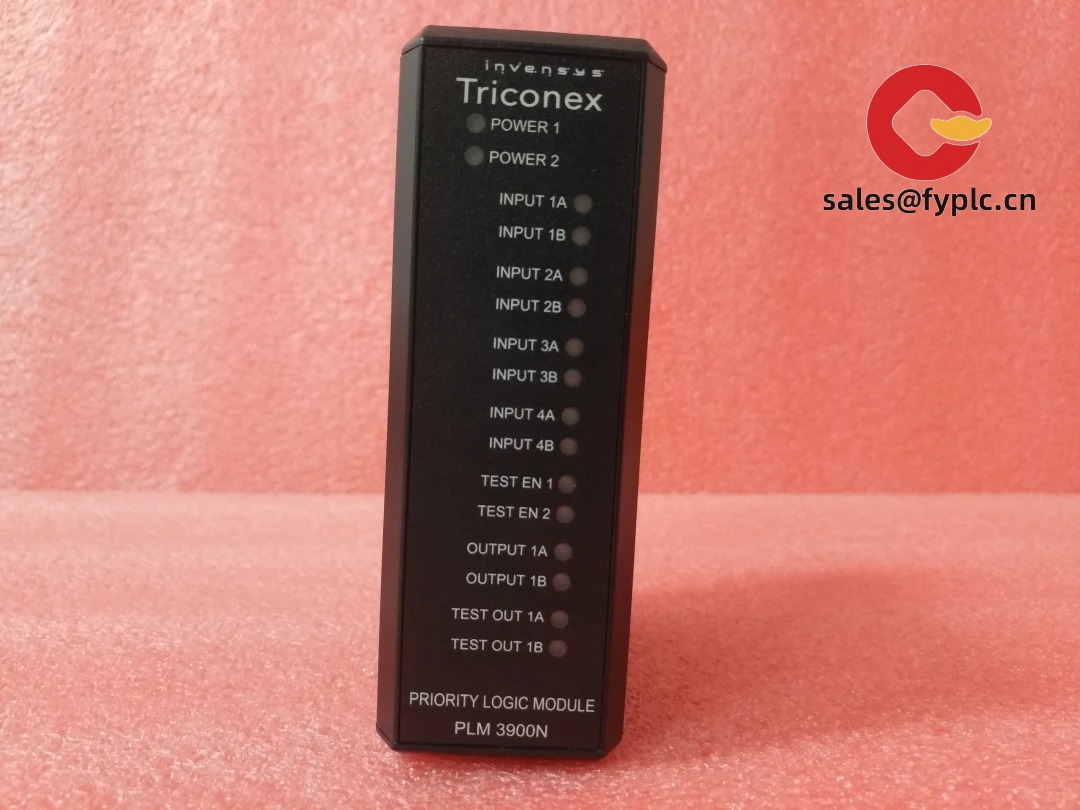
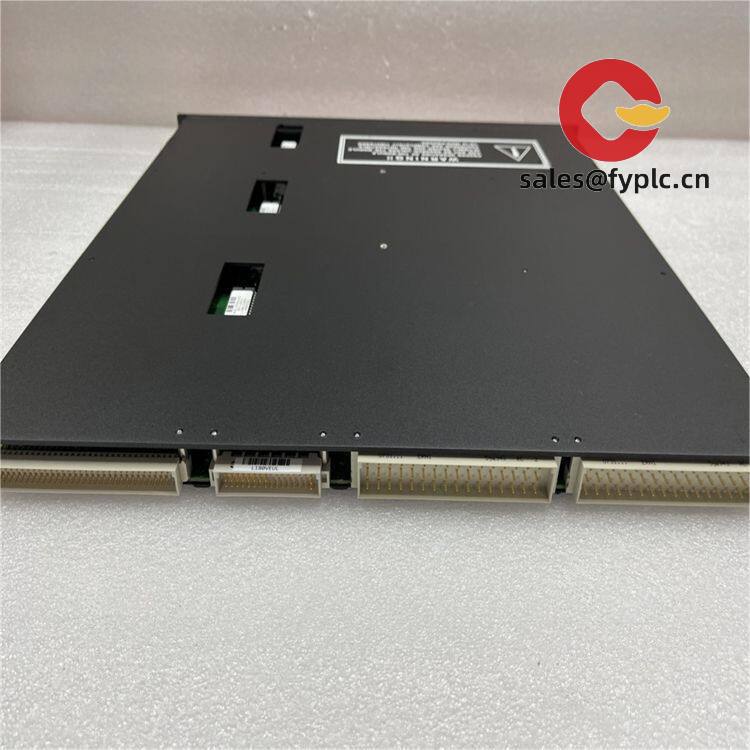
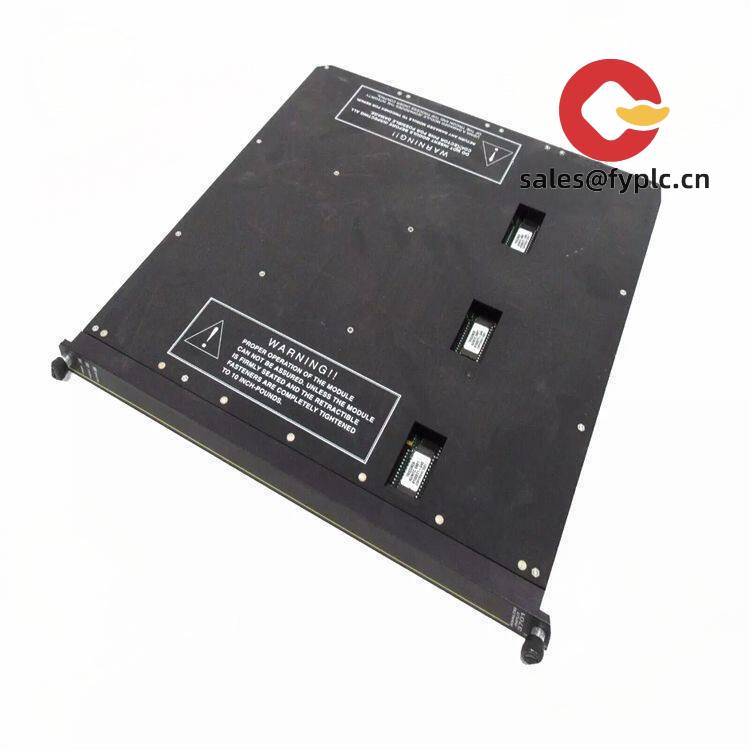
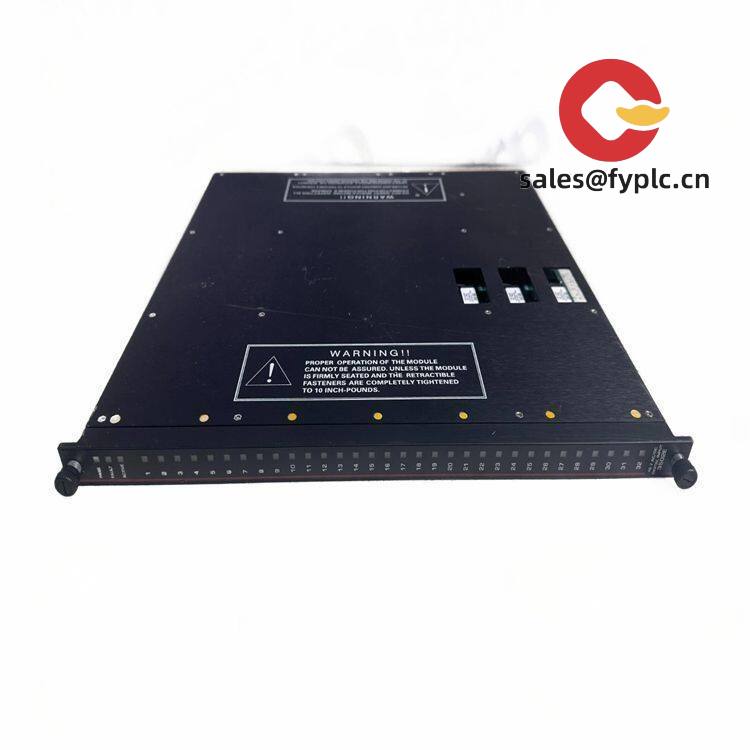
Triconex PLM-3900N — High-Integrity Logic Solver Module for Safety-Critical Shutdown Systems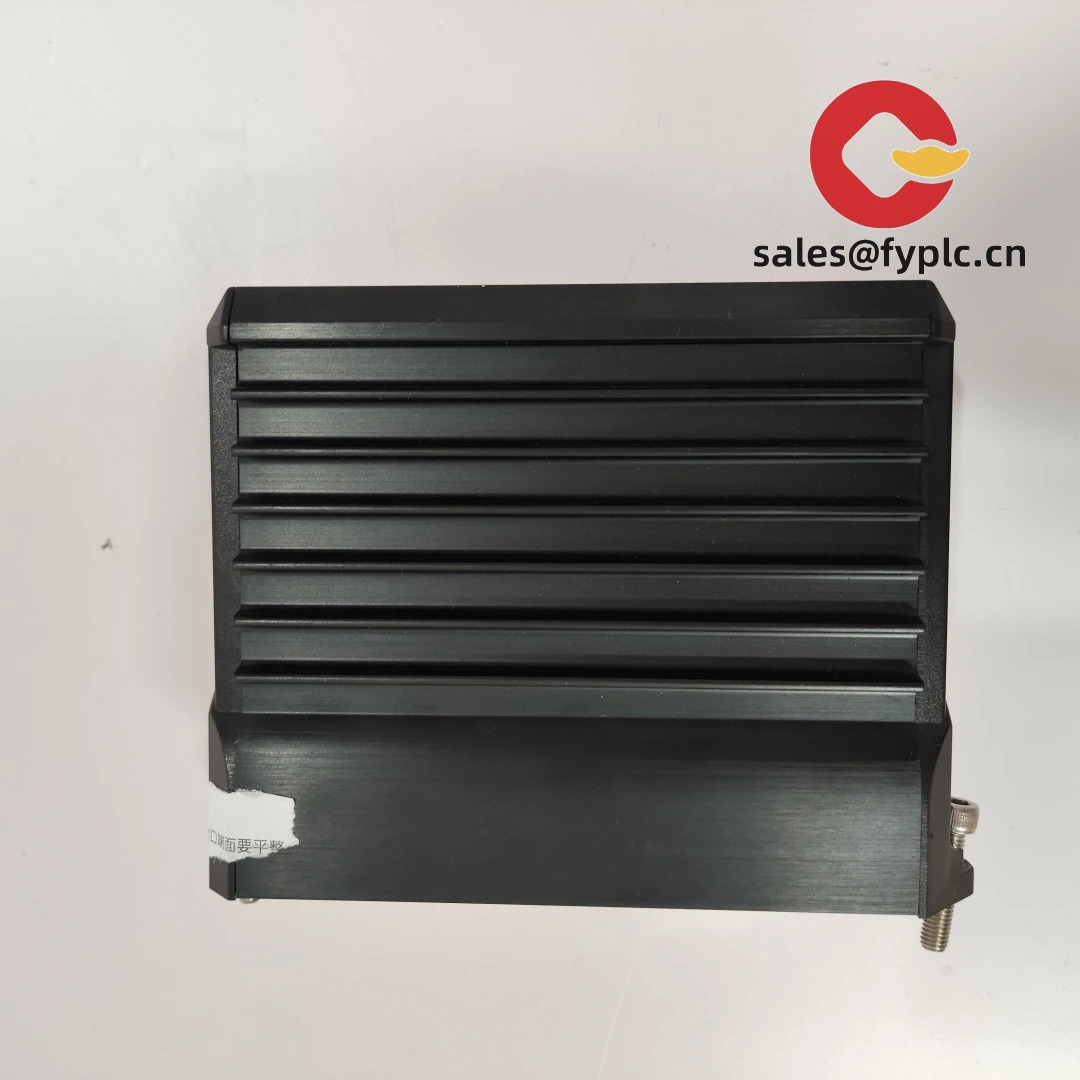
One thing I appreciate is how the PLM-3900N fits into Triconex’s legacy of triple-modular-redundant (TMR) safety controllers — not as a standalone PLC, but as a purpose-built logic solver that handles final element actuation in emergency shutdown (ESD), fire & gas (F&G), and turbine protection applications. From my experience supporting refineries and chemical plants over the past decade, this module typically shows up where SIL 2 or SIL 3 certification isn’t just paperwork — it’s part of the operating license.
Key Features
- TMR architecture with hot-swappable modules: All three processor channels execute the same logic simultaneously and vote on outputs — so if one channel fails mid-process (say, during a compressor trip), the system keeps running without interruption. You might notice that field engineers rarely pull out their laptops to troubleshoot PLM-3900N faults — it’s usually “swap and go.”
- Dedicated 24 VDC output drivers rated for 2 A per channel: Designed to directly drive solenoid valves, shutdown relays, and pneumatic actuators — no external interface relays needed in many cases. That cuts panel space and wiring complexity, especially in compact skid-mounted systems.
- Built-in diagnostics and self-test routines: It runs continuous hardware health checks — memory parity, power supply ripple, watchdog timers — and reports anomalies via the TriStation engineering software or Modbus TCP status registers. In practice, this means fewer false trips during commissioning.
- Compatible with Triconex 3000-series chassis (e.g., TRICON 3503E, 3512): Fits into standard 14-slot or 21-slot frames, sharing backplane power and diagnostics with other TMR modules. Customers tell us this compatibility saves weeks during brownfield upgrades — they reuse existing cabinets and I/O marshalling.
Technical Specifications
| Parameter | Specification |
|---|---|
| Brand / Model | Triconex PLM-3900N |
| HS Code | 8537.10.90 (Industrial programmable controllers, not elsewhere specified) |
| Power Requirements | Supplied via Triconex backplane (24 VDC ±10%, max 2.5 A per module) |
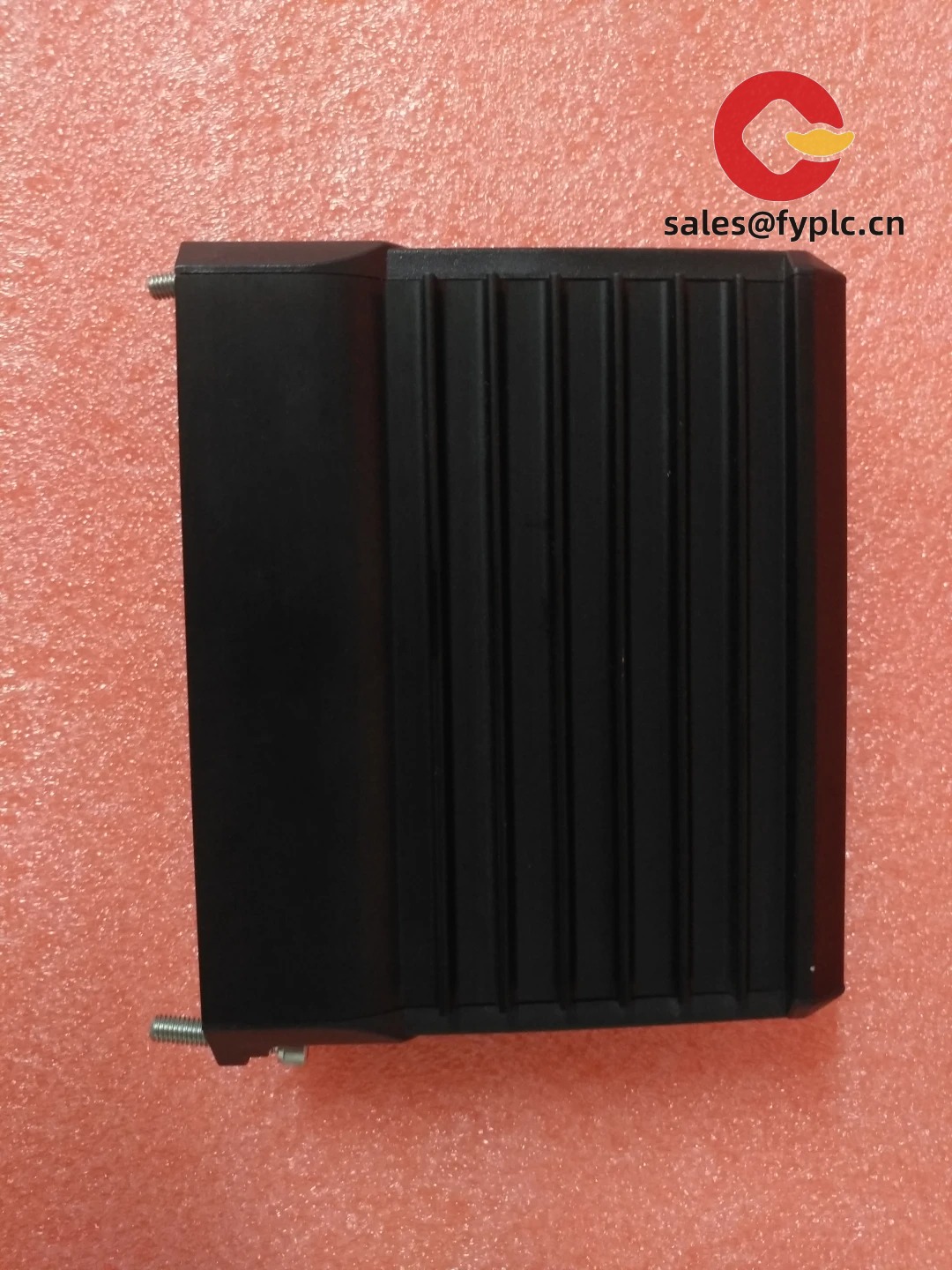
| Dimensions & Weight | 122 mm × 320 mm × 200 mm (H×W×D); ~2.1 kg |
| Operating Temperature | 0 °C to 60 °C (derated above 40 °C; requires adequate cabinet ventilation) |
| Signal Input/Output Types | 16-channel isolated 24 VDC sourcing outputs (2 A max per channel, short-circuit protected) |
| Communication Interfaces | TriBus (proprietary TMR backplane bus); Modbus TCP via optional communication module (e.g., CM-3900) |
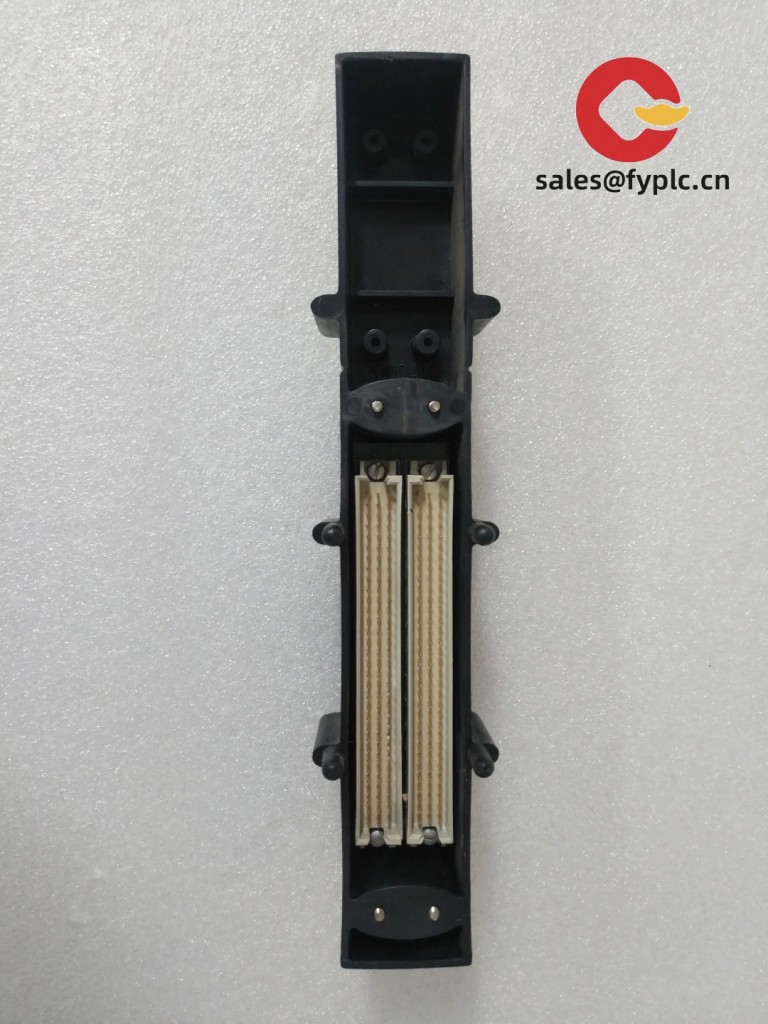
| Installation Method | DIN-rail mounted in Triconex-compatible chassis (TRICON 3503E/3512/3522); requires grounding strap and EMI shielding compliance |
Application Fields
The PLM-3900N appears most often in environments where process failure could mean personnel risk, environmental release, or asset damage — think offshore platforms shutting down gas compressors within 200 ms, LNG liquefaction trains triggering isolation valves during overpressure events, or pharmaceutical cleanrooms halting HVAC on smoke detection. It’s less common in batch automation or DCS control layers — this isn’t a general-purpose controller. Instead, it sits at the *last line of defense*, interfacing directly with final elements. One customer in Rotterdam recently used six PLM-3900Ns across two redundant F&G panels — they told us the module’s deterministic scan time (≤ 15 ms typical) helped them meet strict NFPA 72 response windows.
Advantages & Value
From a procurement standpoint, the PLM-3900N delivers value where it counts: lifecycle predictability. Spare parts remain available for years (unlike some discontinued Siemens or Honeywell equivalents), firmware updates are backward-compatible across multiple Triconex generations, and third-party integration — say, connecting to a DeltaV DCS via Modbus TCP — tends to be plug-and-play once the CM-3900 is installed. There’s also a subtle cost benefit: because it eliminates the need for external relay panels in many SIL 2 loops, engineering hours drop by ~30% on average during loop documentation and FAT execution. And yes — it’s expensive upfront, but downtime avoidance in a $500k/hour ethylene cracker makes the ROI clear fast.
Installation & Maintenance
Install only in NEMA 12 or IP54-rated cabinets with forced-air cooling (min. 1 m/s airflow across module surface). Avoid mounting near heat sources like variable frequency drives or transformers — thermal stress degrades output driver longevity. Wiring must use shielded, twisted-pair cables for outputs, with shields grounded at the PLC end only. Safety-wise: always de-energize the entire chassis before swapping modules — even though it’s hot-swappable, live insertion under fault conditions has triggered transient bus errors in older installations.
Routine maintenance is minimal: inspect terminal torque annually (recommended 0.5 N·m), verify fan operation quarterly, and run full diagnostic tests via TriStation every six months. Firmware updates aren’t urgent — Triconex typically releases patches only for security or critical bug fixes, not feature rollouts. We’ve seen units operate 12+ years without update and still pass SIL verification audits.
Quality & Certifications
The PLM-3900N carries TÜV-certified SIL 3 per IEC 61508:2010 (Parts 1–3) and ISA 84.00.01-2004 (IEC 61511). It’s CE-marked, UL listed (UL 508A, File E137522), and RoHS 2011/65/EU compliant. ISO 9001:2015 quality management applies throughout manufacturing. Warranty is 365 days from shipment — extended coverage options exist, but most customers find the built-in redundancy and field-proven uptime make extended service plans unnecessary. Delivery? If in stock, it ships in ≤7 days via FedEx or DHL; worst-case lead time is four weeks. Payment terms: 50% advance, balance before dispatch.

Reviews
There are no reviews yet.